12 Checks Before Identifying a Person in a Sports Photo
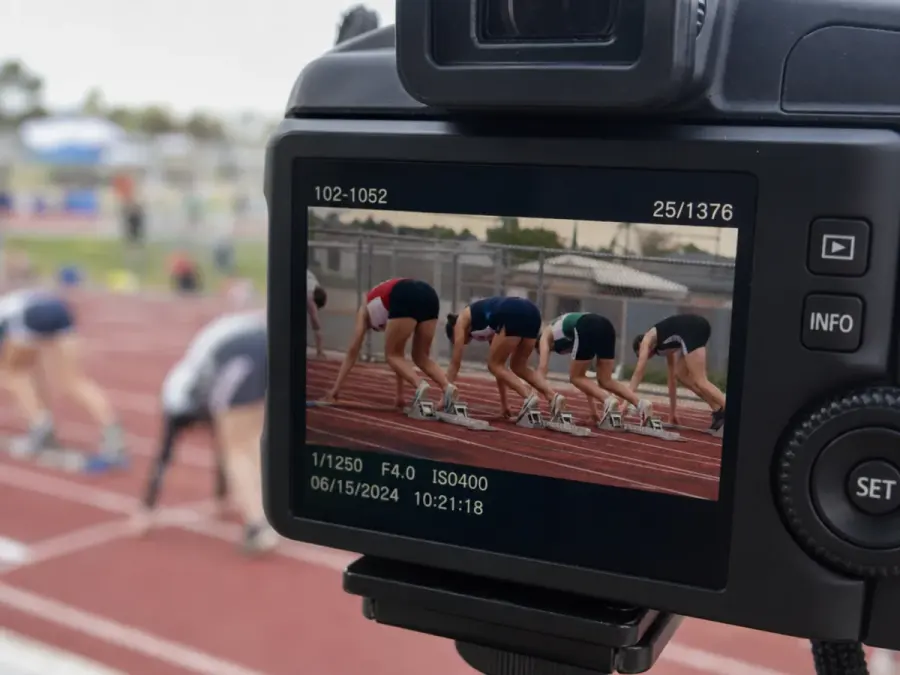
Verify the Original Publisher and Date — Verify the Original Publisher and Date
When investigating a sports photograph, tracing its publication history can help clarify when and where it was first distributed. S. Copyright Office, a photograph is considered published on the specific month, day, and year that copies are distributed to the public for the first time.
The copyright owner of the photograph is the one who determines whether, when, where, and how the work is published. Identifying this initial publication date can establish a reliable timeline for verifying the context of the image.
Identify the Photographer and Rights Holder — Identify the Photographer and Rights Holder
The initial copyright owner of a photograph is generally the person who takes the picture, unless it is created as a work made for hire. This copyright protects the photographer's creative choices, such as camera placement, lens selection, lighting, and timing.
Identifying the photographer can lead to the original source files, which may offer clearer details of the subjects in the frame. Verifying these ownership details is an important step before republishing or analyzing any sports image.
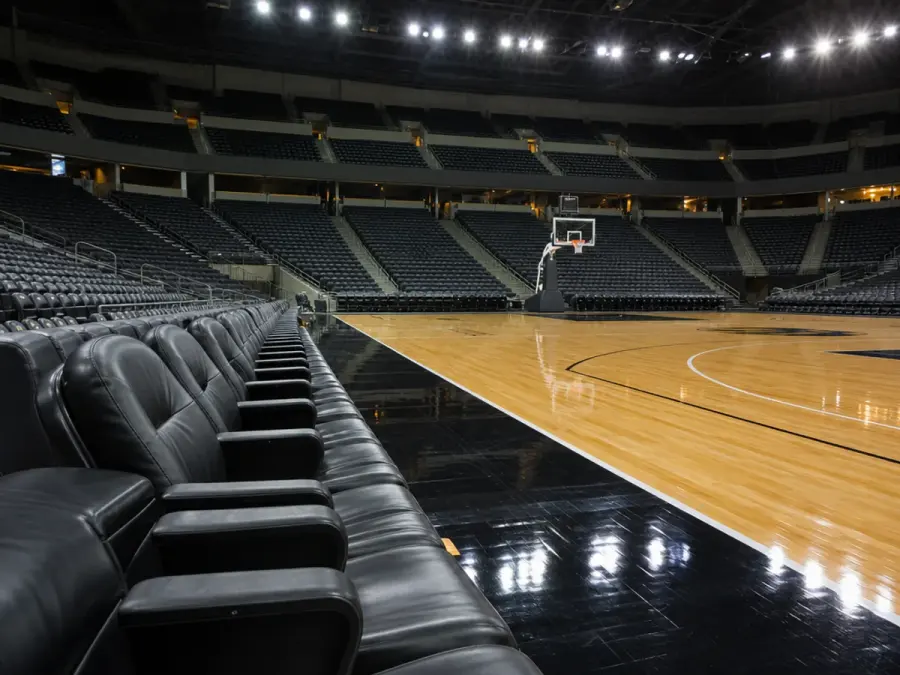
Analyze Event and Seating Context — Analyze Event and Seating Context
When analyzing a sports photo, remember that camera angles and lens selection can distort the perceived proximity of people in the background. Under copyright principles, these elements are key artistic choices made by the photographer that shape how a scene is captured.
A spectator sitting near an athlete might appear closer or more connected than they actually are due to these optical factors. Therefore, avoid assuming personal relationships based solely on seating proximity or visual compression in a photograph.
Trace the Caption Provenance — Trace the Caption Provenance
Captions and context can easily be altered or stripped when sports photos are shared across social media platforms. To verify the original context, check if the image contains digital metadata or standard assertions that document its history.
Secure metadata frameworks, such as the C2PA specification, allow creators to bind cryptographically signed assertions directly to the media asset. Comparing viral captions against these cryptographically signed records helps identify discrepancies and prevents misidentification.
Perform Reverse-Image Searches — Perform Reverse-Image Searches
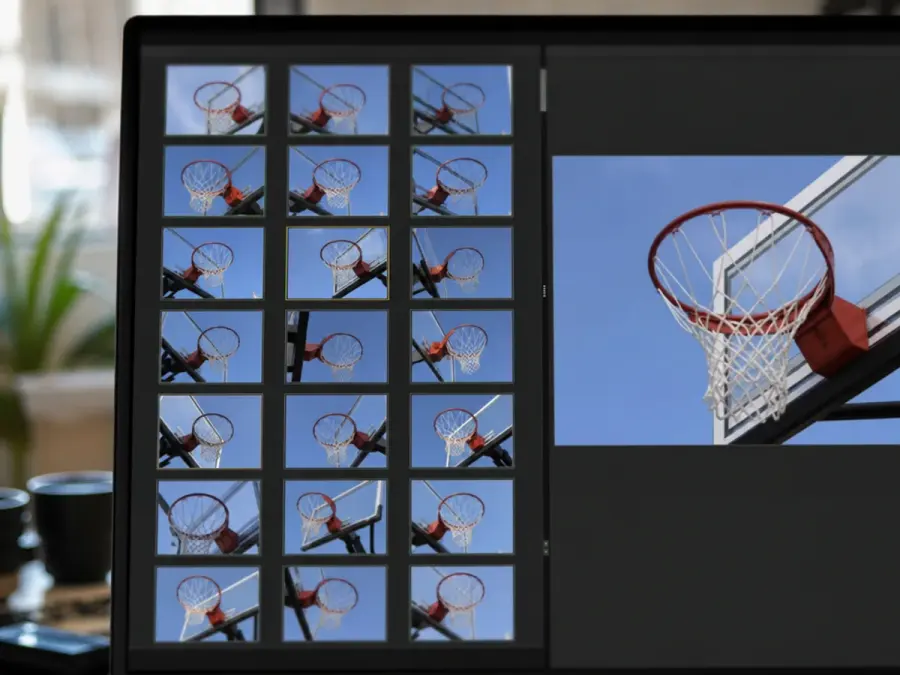
Performing a reverse-image search can help locate other versions or related assets of a sports photograph. Under the C2PA standard, related assets or source images can be documented as ingredients within the file's manifest.
Checking these ingredients can reveal whether the photo is an isolated snapshot or part of a larger composite of images. This technical lineage helps researchers verify if a person in the photo was actually present or digitally introduced.
Check the Crop and Edit History — Check the Crop and Edit History
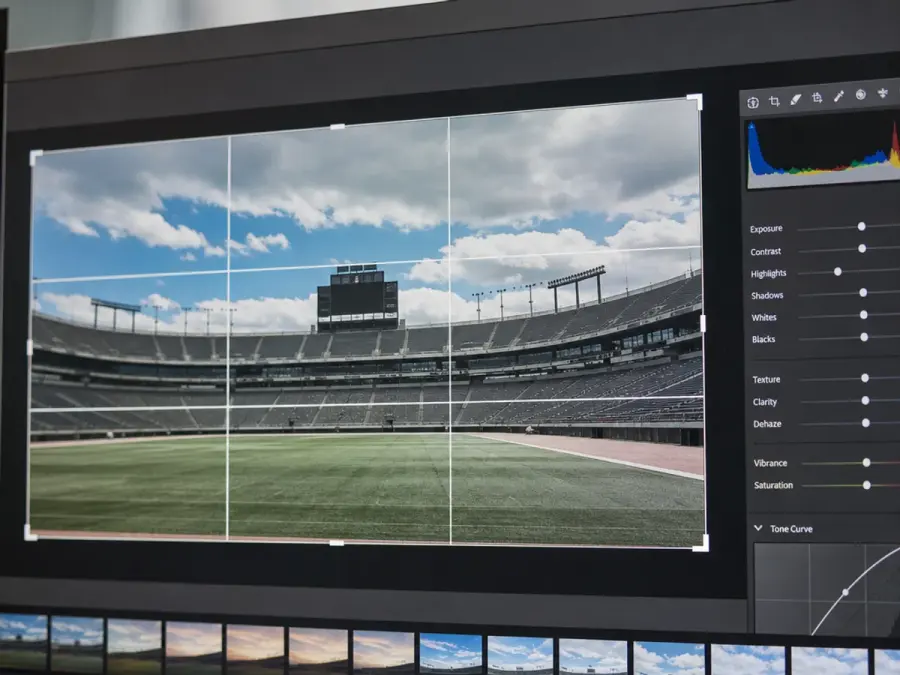
Sports photos are often cropped or edited to focus on specific individuals, which can strip away crucial surrounding context. The C2PA specification defines standard assertions, such as actions, to cryptographically record edits like cropping or color adjustments.
Additionally, a thumbnail assertion can preserve a small visual representation of the asset at a specific state. Reviewing these digital records helps ensure you are analyzing the original context rather than a highly selective, modified view.

Inspect Content Credentials — Inspect Content Credentials
Content Credentials built on the C2PA specification provide a secure, tamper-evident history for digital media. This standard allows creators to bind cryptographically signed assertions and manifests directly to a sports photograph.
These manifests contain details about the asset's origin, editing actions, and the identity of the signer. Verifying these digital signatures helps confirm the authenticity of the image before attempting to identify anyone in it.

Seek Direct Public Confirmation — Seek Direct Public Confirmation
When seeking to identify a person in a photo, relying on unverified claims on social media can lead to harmful errors. To establish a reliable identity, look for official statements or cryptographically verifiable credentials.
509 certificates to securely verify the identity of the organization or individual signing the asset's manifest. Relying on these verified digital identities provides a much higher standard of confirmation than speculative online rumors.
Evaluate Impersonation Risks — Evaluate Impersonation Risks
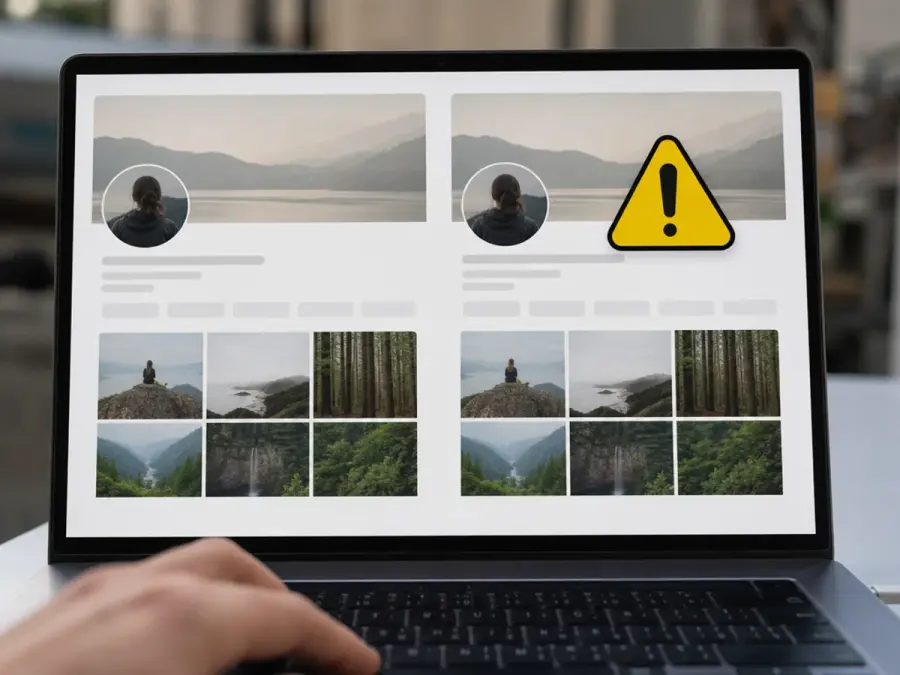
When a sports photo goes viral, there is a high risk of bad actors creating fake profiles to impersonate the individuals pictured. The C2PA security framework specifically addresses threats like credential spoofing and the misuse of identity claims.
To counter these risks, the standard relies on validated trust lists and certificate status checks to confirm the signer's credentials. Checking these security markers helps researchers distinguish authentic digital sources from malicious impersonators.
Treat Resemblance as Insufficient — Treat Resemblance as Insufficient
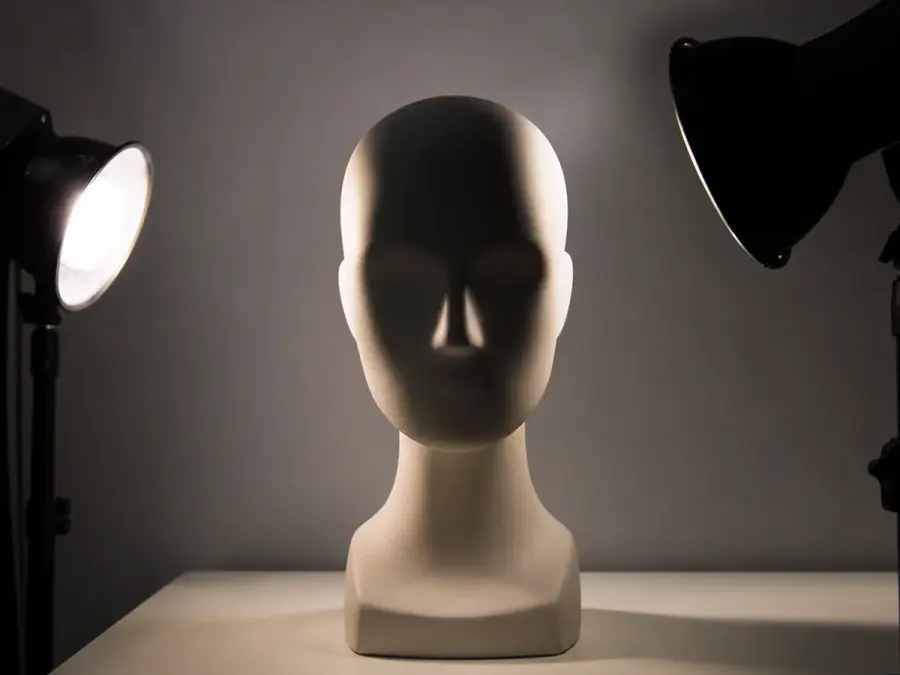
Visual resemblance alone is not definitive proof of identity, especially in complex or crowded sports photographs. A photographer's artistic choices—such as lighting, camera angle, and timing—can dramatically alter how a person looks. S.
copyright law, these creative selections are protected because they uniquely shape the visual outcome of the image. Recognizing that these artistic factors can create misleading resemblances is essential to avoiding misidentification errors.
Prioritize Privacy and Safety — Prioritize Privacy and Safety
Identifying private individuals in sports photos can lead to privacy violations and unwanted public exposure. To address privacy concerns, the C2PA specification supports the redaction of assertions and the definition of specific regions of interest.
These features allow creators to protect sensitive information or focus only on authorized areas of an image. Prioritizing these privacy-preserving tools helps safeguard individuals from unintended exposure or harassment.

Use Neutral Language and Accept the Unknown — Use Neutral Language and Accept the Unknown
When an identity in a sports photo cannot be definitively verified, it is best to explicitly state that the information is unknown. S. Copyright Office allows applicants to select 'Not Known' if they are unsure of the nation of first publication.
Using neutral, objective language prevents the spread of speculative claims and maintains editorial integrity. Acknowledging a lack of definitive data is always preferable to publishing unverified assumptions.
Featured galleries







































































































































































































































































































































































































































































