12 Checks Before Publishing a Retired Actor Status Update
Establish Official Film Archive Baselines — Establish Official Film Archive Baselines
Before claiming an actor has permanently retired, verify their official filmography against established institutional collections.
Resources like the Academy Film Archive and the Academy Library maintain records of historically significant films and creators. Checking these official repositories helps confirm an artist's documented contributions before publishing an update.

Cross-Reference Historical Award Records — Cross-Reference Historical Award Records
Avoid relying on third-party trivia sites to verify major career milestones like historical nominations or wins. Official academy archives, such as the records for the 48th Academy Awards in 1976, provide direct confirmation of an artist's historical accolades.
Relying on verified archival databases ensures that legacy data remains completely accurate and free of fan-edited errors.

Pinpoint the Last Verified Public Work — Pinpoint the Last Verified Public Work
An actor's absence from mainstream screens does not automatically mean they have retired. Researchers can check official institutional collections, such as the Academy Collection, to trace an artist's documented history.
Distinguishing between a temporary hiatus and a permanent retirement requires careful verification of their latest recorded works.
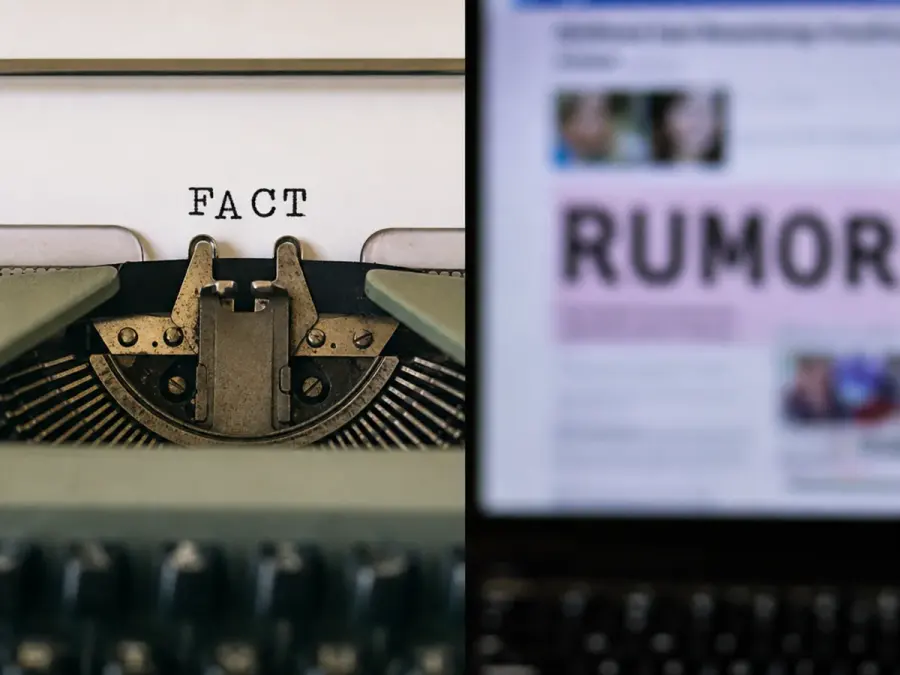
Differentiate Announcement from Inference — Differentiate Announcement from Inference
Has the actor formally declared their retirement, or is the media merely inferring it from a period of inactivity? Journalists must separate direct, first-person declarations from speculative industry gossip.
When verifying historical timelines, refer to official announcements and primary institutional records rather than unverified commentary.
Seek Authorized First-Party Statements — Seek Authorized First-Party Statements
Always prioritize direct statements from the actor or their authorized representatives over anonymous rumors. Representatives can clarify whether a career hiatus is temporary or permanent.
If an agent or publicist has declined to comment, state this limitation clearly in your reporting to maintain transparency.
Resolve Event-Date vs. Publication-Date Confusion — Resolve Event-Date vs. Publication-Date Confusion
Old interviews and photographs are frequently recycled online, giving the false impression of a recent public appearance. Always trace the original date of any quote or image used to support an actor's status update.
For example, historical records from events like the 1976 Academy Awards demonstrate how older milestones must be contextualized with their original dates.

Consult Institutional Archive Metadata — Consult Institutional Archive Metadata
When researching legacy actors, consult public institutional metadata for the most reliable timeline of their career. Official resources like the Academy Library maintain meticulous records of creators and their contributions.
Relying on these structured public institutions helps researchers bypass the echo chamber of modern entertainment blogs.

Trace the Origin of Syndicated Repetition — Trace the Origin of Syndicated Repetition
A single unverified blog post can quickly be copied across hundreds of syndicated entertainment websites, creating an illusion of consensus.
Before citing a widespread claim about an actor, trace the story back to its primary source. Verify whether the claim originates from official organizations, such as the Academy, or from speculative forums.
Verify Retractions and Corrections — Verify Retractions and Corrections
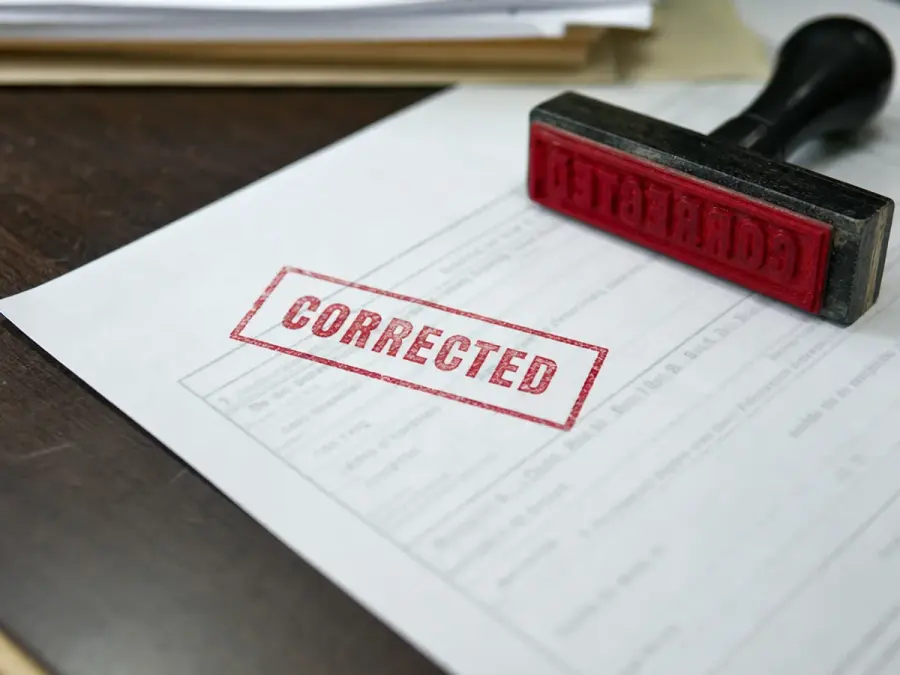
Before publishing an update, check if previous reports about the actor's status were subsequently corrected or retracted.
Search the archives of major industry publications for formal correction notices regarding the individual. Documenting these past corrections ensures your current update does not repeat historical errors.
Check Image Dates and Licensing Rights — Check Image Dates and Licensing Rights
Using an outdated photo to illustrate a current status update can mislead readers about an actor's current well-being. Verify the license, creator, and exact capture date of any image you plan to publish.
Using properly dated, rights-cleared imagery from official archives maintains editorial integrity and respects the subject's public image.
Avoid Speculative Health Claims — Avoid Speculative Health Claims
Speculating on an actor's health, cognitive status, or private personal life violates basic ethical reporting standards.
Frame any questions regarding an individual's physical or mental well-being as private matters to be verified only by qualified professionals or family spokespeople. Unless a formal, authorized statement has been released, leave these topics entirely out of public status updates.
Implement an Explicit As-Of Date — Implement an Explicit As-Of Date
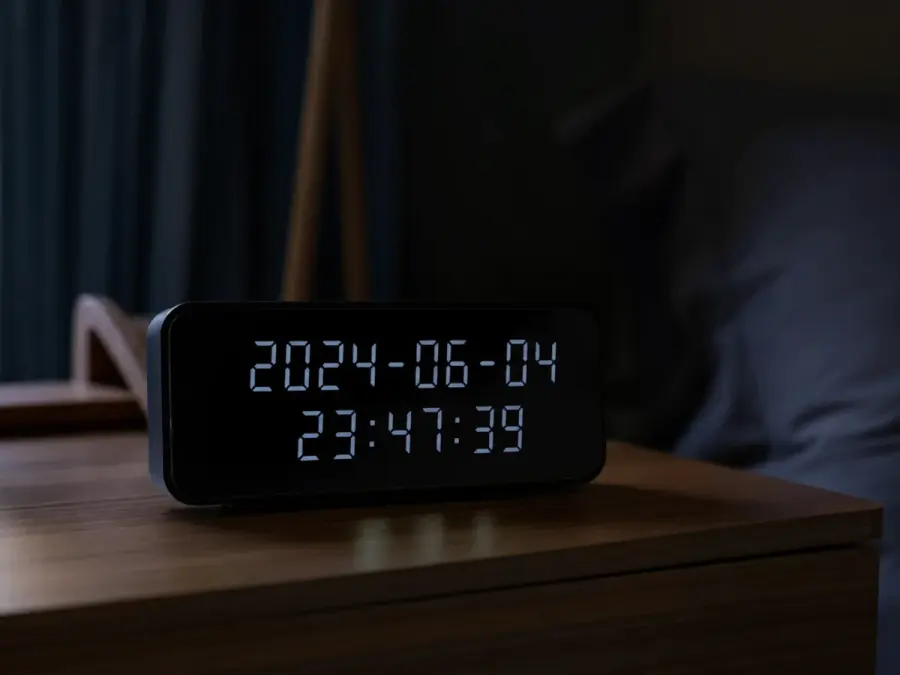
Every public status update should feature a clear, prominent verification date to contextualize the information. Because public records and personal situations can change rapidly, readers must know exactly when the data was verified.
Including a specific verification date prevents outdated articles from being misread as current news years down the line.
Featured galleries







































































































































































































































































































































































































































































