12 Checks Before Saying a Song Was Banned From Radio

Identify the Exact Recording — Identify the Exact Recording
When researching a song's broadcast history, identifying the precise recording, artist, and release year is a crucial starting step. Many musical works exist in multiple versions, such as live performances, remixes, or cover versions by different artists.
Isolating the specific catalog details or track version helps researchers clarify which recording is being discussed. Recorded sound collections and research centers can assist in identifying distinct historical audio recordings.
Pinpoint Station and Market — Pinpoint Station and Market
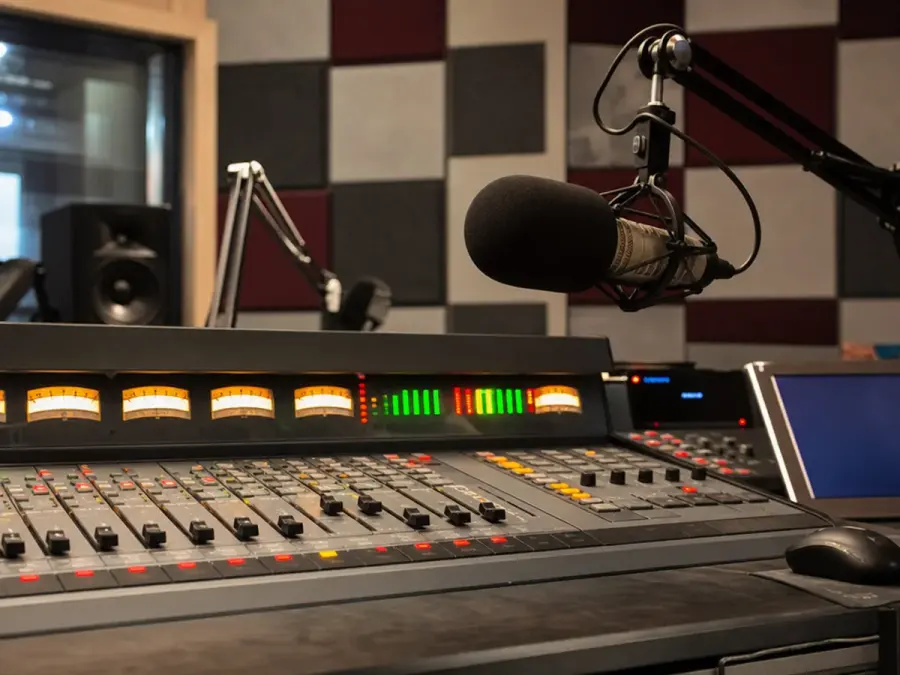
To evaluate a rumored broadcast restriction, it is necessary to identify the specific station and its local market. Under federal guidelines, broadcast licensees are licensed to serve specific local communities and must air programming responsive to local needs.
Because programming decisions are made at the local or licensee level, a song's absence from one station's playlist does not mean it was banned nationally. Pinpointing the station helps clarify whether the decision was a local programming choice rather than a widespread restriction.
Document the Date and Time — Document the Date and Time
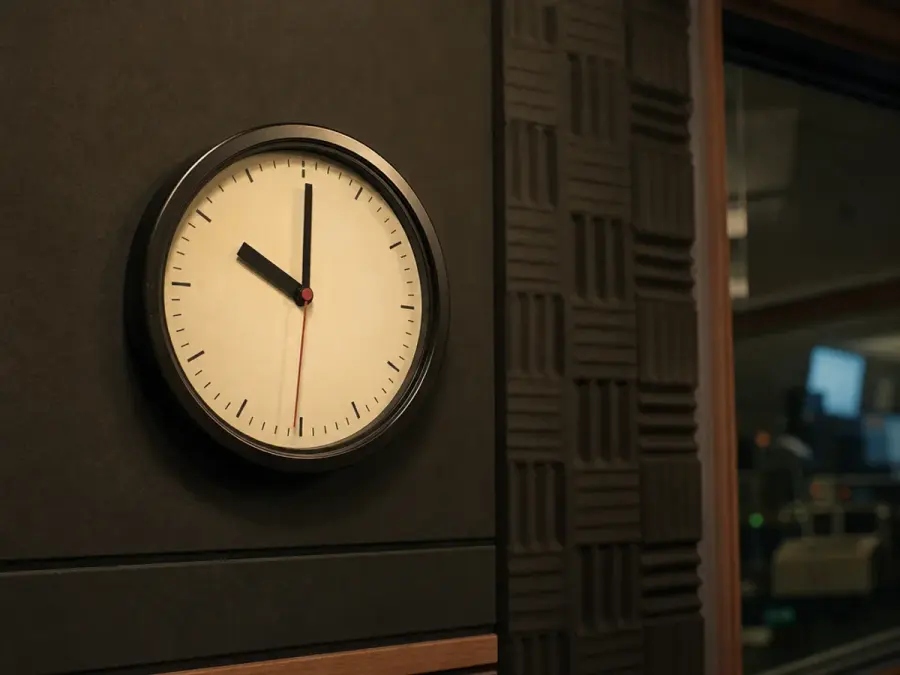
Documenting the exact date and time of a song's broadcast or removal is essential for understanding the regulatory context. m. , when children are likely to be in the audience.
Knowing when a song was aired helps determine if it was subject to these specific time-of-day restrictions or if it was played during hours when different standards apply. Establishing a precise timeline helps separate temporary programming adjustments from permanent restrictions.
Government Mandate vs. Station Choice — Government Mandate vs. Station Choice
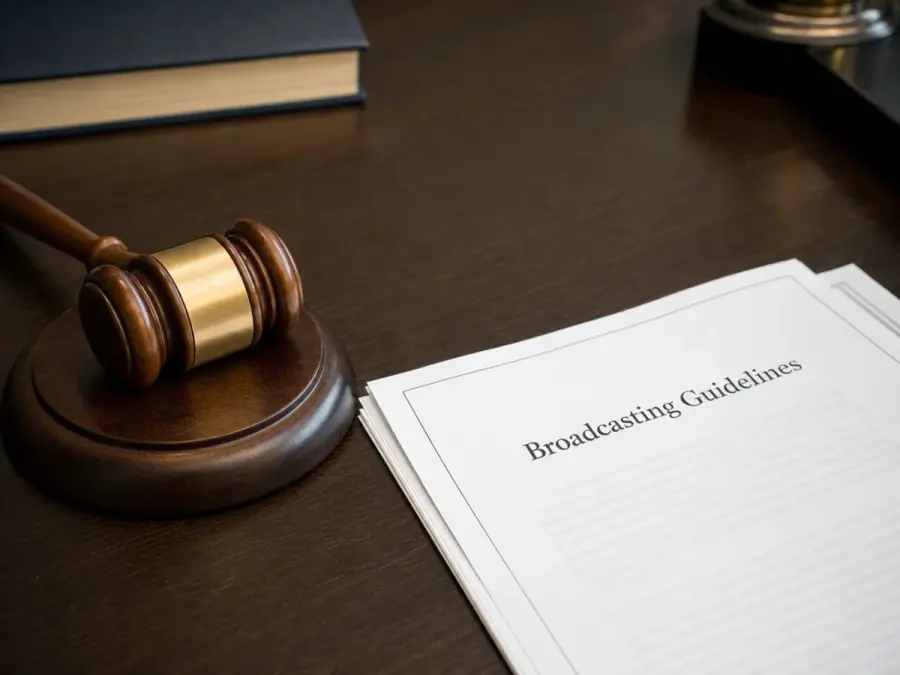
Under federal law, the FCC is forbidden from censoring broadcast material or interfering with free speech on the air. Station licensees have broad discretion to choose the programming they air and are responsible for selecting music that fits their format and community.
The government does not select, pre-approve, or censor specific songs before they are broadcast. Consequently, most instances of a song not being played are voluntary decisions made by station management rather than government mandates.

Classify Obscenity vs. Indecency — Classify Obscenity vs. Indecency
To evaluate claims of a song being banned, it is important to understand the legal distinctions between obscenity, indecency, and profanity. Obscene material is not protected by the First Amendment and is prohibited from being broadcast at any time.
m. m. Recognizing these regulatory categories helps clarify whether a song faced actual federal restrictions or was simply subject to standard station scheduling choices.

Check Official Complaint Records — Check Official Complaint Records
When a song causes public controversy, listeners may file formal complaints or send feedback directly to the station. Federal regulations require broadcast stations to maintain a local public inspection file containing letters and emails from the public, as well as materials relating to FCC investigations or complaints.
Members of the public can inspect these files to see if a station received written protests regarding a specific broadcast. Reviewing these records can help verify whether public complaints played a role in a station's decision to adjust its programming.
Compare Edited vs. Original Versions — Compare Edited vs. Original Versions
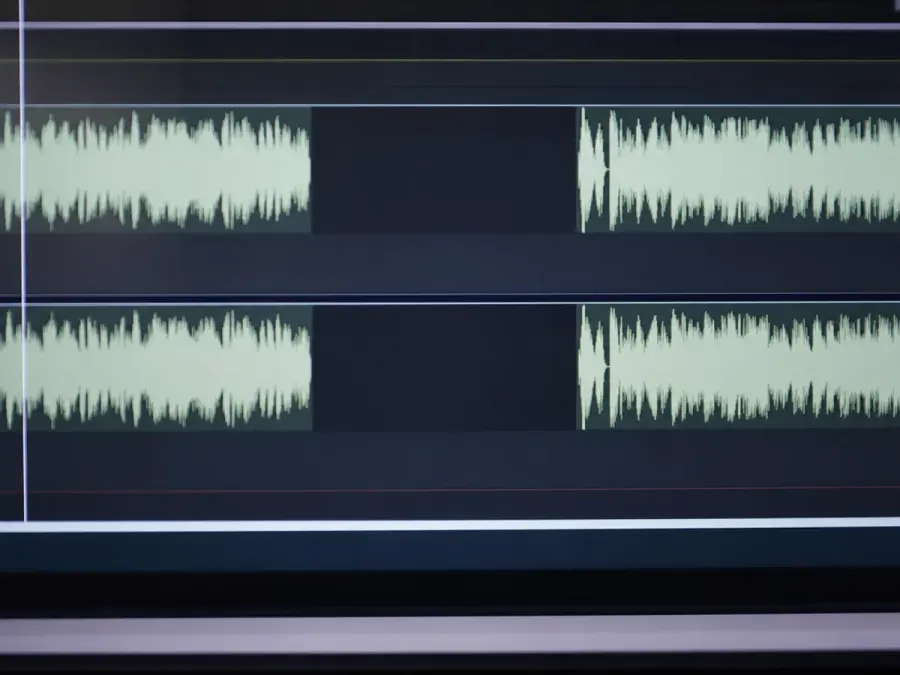
When analyzing claims of a song being banned, it is helpful to compare the original album track with any edited radio versions. Record labels often distribute alternative edits with modified or omitted lyrics to meet standard broadcast guidelines.
A station playing a modified version rather than the original does not constitute a total ban on the song. Recorded sound collections can help researchers locate and compare different historical versions of a single song to see what was actually distributed to broadcasters.

Analyze Ownership and Licensing Decisions — Analyze Ownership and Licensing Decisions
Many widespread programming shifts are the result of corporate business decisions rather than government intervention. Broadcast stations operate as commercial entities, and their business practices, ownership structures, and agreements shape what they air.
A parent company or station group may choose to adjust playlists across multiple stations due to corporate policies or licensing agreements. These centralized programming choices are private business decisions, not official regulatory bans.
Verify with Contemporary Trade Reports — Verify with Contemporary Trade Reports
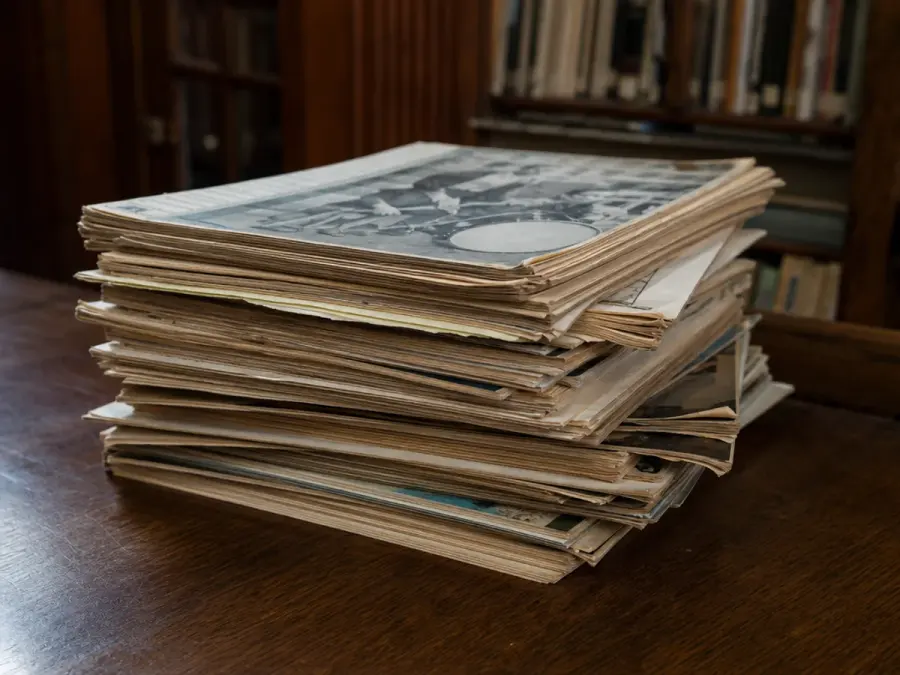
To confirm whether a song's airplay dropped suddenly or gradually, researchers often consult contemporary industry trade publications and historical records. These archives provide real-time reporting on radio playlists and industry trends from the period in question.
Comparing retrospective claims against period documentation helps verify if a track was actively removed or if it simply declined in popularity over time. Specialized libraries and historical sound collections preserve these records to assist researchers in reconstructing accurate broadcast histories.
Review Airplay Data Limits — Review Airplay Data Limits
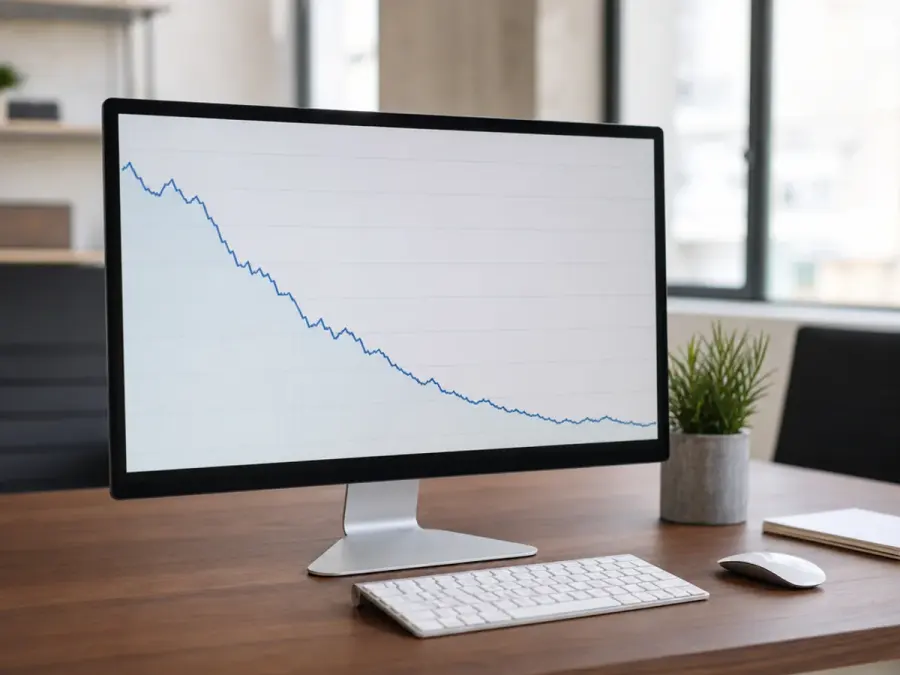
Evaluating claims of a sudden radio ban requires analyzing actual historical airplay and broadcast data where available. A genuine programming restriction typically shows a sudden drop in a song's broadcast frequency, whereas normal chart lifecycles show a gradual decline as listener interest wanes.
Historical charts and broadcast logs can help researchers determine if a song remained in regular rotation despite rumors of a ban. Consulting documented audio collections and historical archives is essential for verifying these quantitative trends.

Evaluate Artist and Label Statements — Evaluate Artist and Label Statements
Claims of a song being banned are sometimes used by artists or record labels as promotional tools to generate publicity and drive interest. A narrative of censorship can build a rebellious image, leading to public statements that may exaggerate actual broadcast resistance.
Verifying these promotional claims against historical station records and actual broadcast logs helps separate marketing hype from documented programming changes. Researchers should compare promotional statements with preserved audio archives and historical data to find objective proof of a ban.
Access Archival Audio and Historical Records — Access Archival Audio and Historical Records
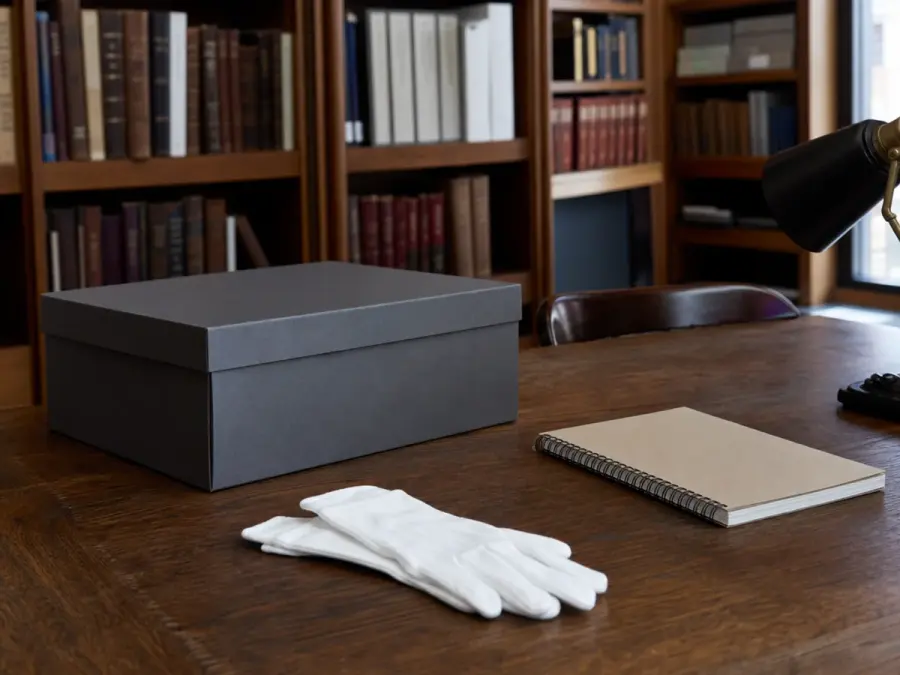
The most direct way to verify what was actually broadcast is to consult preserved audio archives and historical station logs. Research centers and national libraries preserve extensive collections of recorded sound, radio broadcasts, and related documentation for historical study.
Examining surviving airchecks and master recordings allows researchers to reconstruct actual daily broadcast practices. Accessing these primary source collections helps separate persistent radio myths from documented historical facts.
Featured galleries







































































































































































































































































































































































































































































