12 Checks Before Treating a Public-Figure Photo as Authentic

Verify the Original Publisher and Publication Date — Verify the Original Publisher and Publication Date
S. copyright guidelines, a photograph is officially published on the specific date when copies are distributed to the public for the first time. The copyright owner determines when, where, and how a work is published, which can help verify its initial origin.
Tracing the earliest distribution of an image can help confirm if it is being presented out of its original chronological context. Knowing these official publication details is a key first step in establishing a reliable timeline for public-figure media.
Identify the Photographer and Rights Holder — Identify the Photographer and Rights Holder
Copyright protection in a photograph covers the photographer's creative choices, including the camera lens, angle, lighting, and timing. The person who actually takes the photograph is generally recognized as its author and initial copyright owner.
Identifying this registered author or copyright holder helps confirm who is responsible for creating the image. If an image lacks clear authorship information, validating its authenticity and context becomes significantly more difficult.
Analyze Crop and Modification History — Analyze Crop and Modification History
When an image is modified or cropped, the original environmental context surrounding a public figure can be obscured or removed. Digital provenance standards help address this issue by tracking how an asset was created and what specific changes were made.
This framework allows editors to securely document edits, ensuring that modifications do not permanently hide the original state of the media. Relying on these standardized records helps verify whether an image has been altered from its initial capture.
Cross-Reference Caption and Metadata Provenance — Cross-Reference Caption and Metadata Provenance
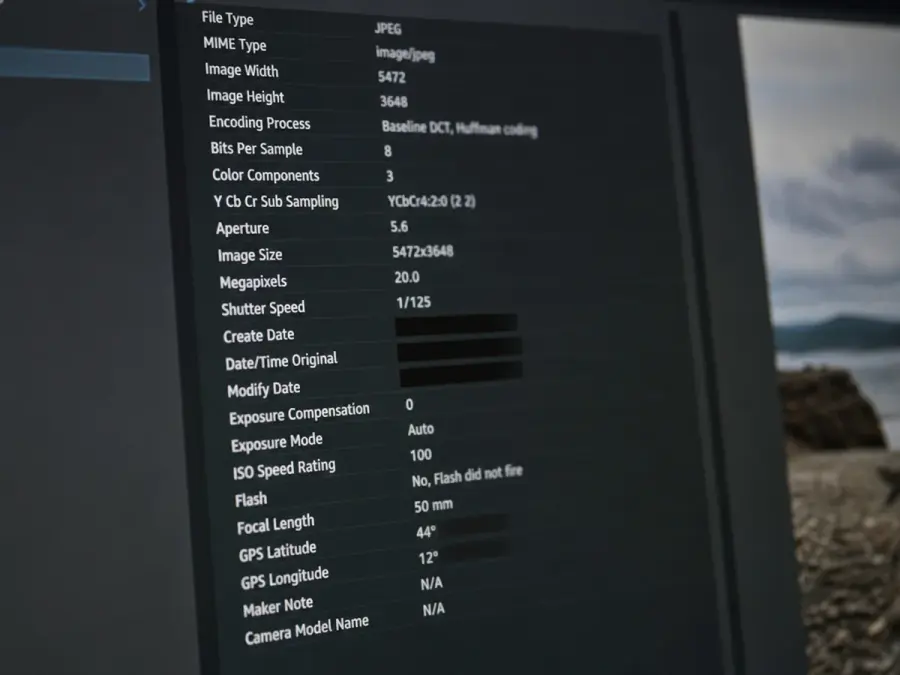
External captions can easily be altered to miscontextualize a photo and mislead the public about a high-profile event. Establishing secure, tamper-evident metadata is essential for providing publishers and consumers with the context needed to evaluate authenticity.
Digital provenance standards enable creators to securely record details about an asset's creation and subsequent changes across platforms. Cross-referencing these secure metadata records with public descriptions helps identify inconsistencies or deliberate miscontextualization.

Look for Content Credentials and C2PA Manifests — Look for Content Credentials and C2PA Manifests
The Coalition for Content Provenance and Authenticity (C2PA) defines a technical specification for secure media provenance. This framework binds assertions about an asset's origin, edits, and capture device into a cryptographically signed entity called a C2PA Manifest.
These manifests represent the asset's Content Credentials, providing a tamper-evident history of how the media was handled. Verifying these digital credentials allows users to make informed decisions about the trustworthiness of a public-figure photo.
Check the Editing and Action History — Check the Editing and Action History
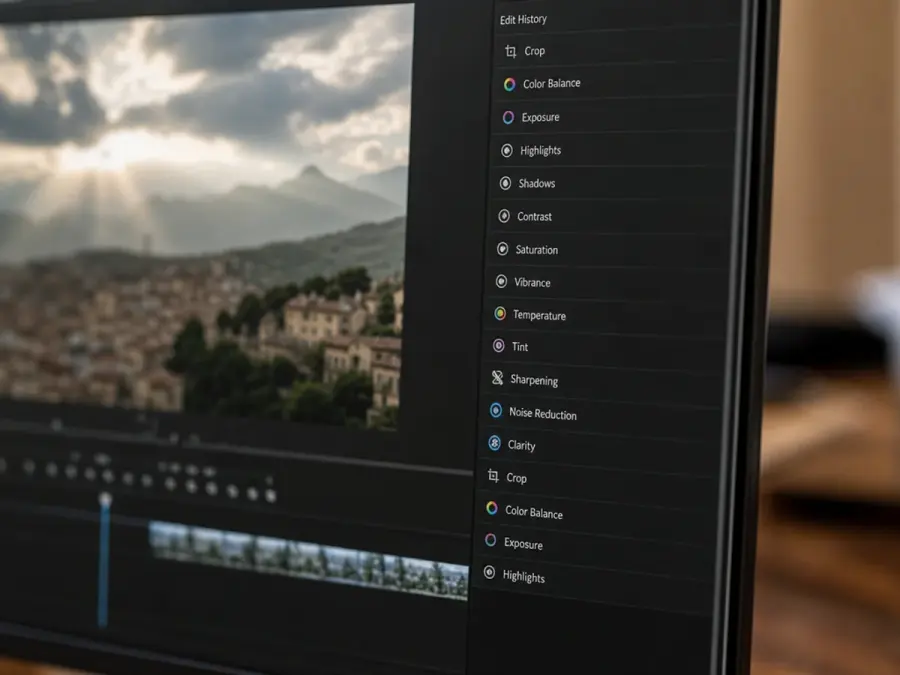
Digital provenance standards allow creators to document edit actions and changes made to an asset over time. Each time an image is modified, the existing provenance is preserved, and new changes are added to the record.
This cumulative history allows publishers to inspect the sequence of edits and identify what has been altered in the media. Reviewing this documented change history helps ensure transparency before a high-profile photo is shared.
Compare Multiple Photos of the Same Setting — Compare Multiple Photos of the Same Setting
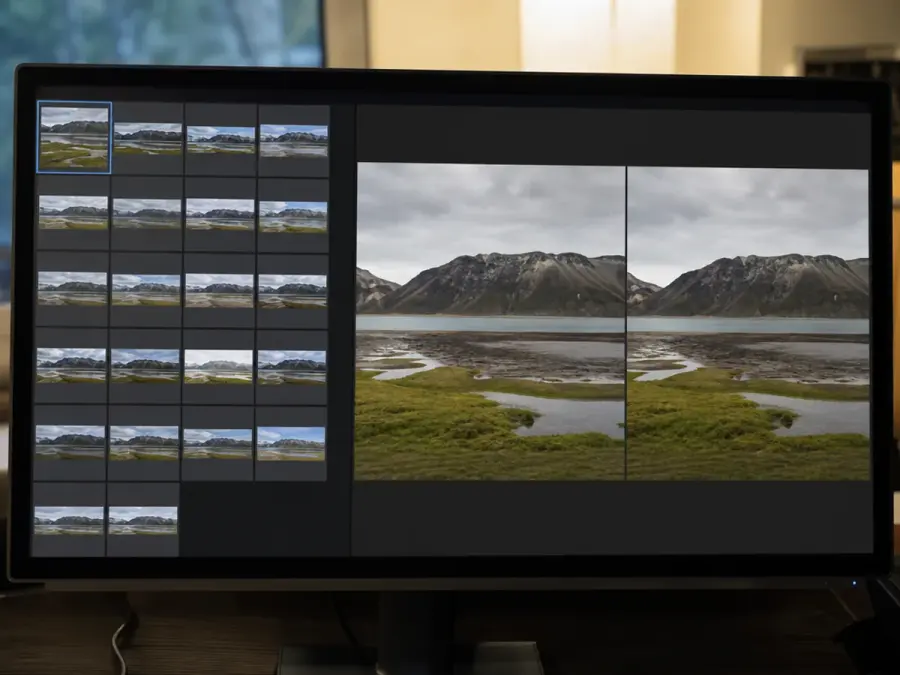
Different photographers capturing the same public event from the same setting may produce highly similar images. S. copyright rules, each photographer has a separate claim to copyright based on their individual creative choices, such as angle or lens selection.
Comparing multiple independent photographs of the same scene helps verify the authenticity of a public figure's actions and surroundings. Analyzing these different perspectives can reveal if a single, suspicious image has been manipulated or mischaracterized.

Evaluate Event and Environmental Context — Evaluate Event and Environmental Context
A photographer's protected artistic choices include the selection of subject matter, positioning, lighting, and the precise timing of the picture. Evaluating these elements, such as the angle of lighting and the timing of the shot, can help determine if the photo matches real-world conditions.
Inconsistencies in lighting or subject placement may indicate that the image has been altered or fabricated. Cross-referencing these physical details with documented event schedules helps verify the authenticity of the captured moment.

Assess Impersonation and Synthetic-Media Risks — Assess Impersonation and Synthetic-Media Risks
The rapid development of powerful creation and editing techniques has made it easier to produce highly realistic, inauthentic media. This rise in misattributed or altered content presents significant challenges to maintaining public trust.
Establishing the secure provenance of an asset is critical to ensuring transparency and understanding. Verifying cryptographically secured media details helps guard against deliberate deception and misinformation involving public figures.
Understand the Right to Control Publication — Understand the Right to Control Publication
S. copyright law, the person or organization that owns the copyright in a photograph has the sole authority to determine whether it should be published. If the owner decides to publish the work, they also determine the specific timing, location, and manner of its first public distribution.
Photos distributed or displayed without the authorization of the copyright owner may constitute copyright infringement. Verifying whether a public-figure photo was officially released by its authorized owner is a key step in evaluating its legitimacy.

Distinguish Between Published and Unpublished Photos — Distinguish Between Published and Unpublished Photos
When evaluating or registering a photograph, it is necessary to determine whether the work is officially published or unpublished. Under copyright rules, this distinction affects both the registration options available and the legal relief for infringement.
A photograph is considered published when copies are distributed to the public, or offered to a group for further distribution or display, for the first time. S. copyright standards.

Verify Signatures or Leave Unresolved — Verify Signatures or Leave Unresolved
Evaluating the trustworthiness of a photo relies heavily on identifying the signer associated with the cryptographic signing key. A validator helps establish trust by verifying the digital signature, checking its associated credentials, and validating individual assertions.
The C2PA specification does not make value judgments on whether provenance data is good or bad, but only whether it is valid and free from tampering. If cryptographic signatures or assertions cannot be validated, the authenticity of the media should remain unverified.
Featured galleries







































































































































































































































































































































































































































































