12 Checks Before Trusting a Celebrity Car-Collection Claim
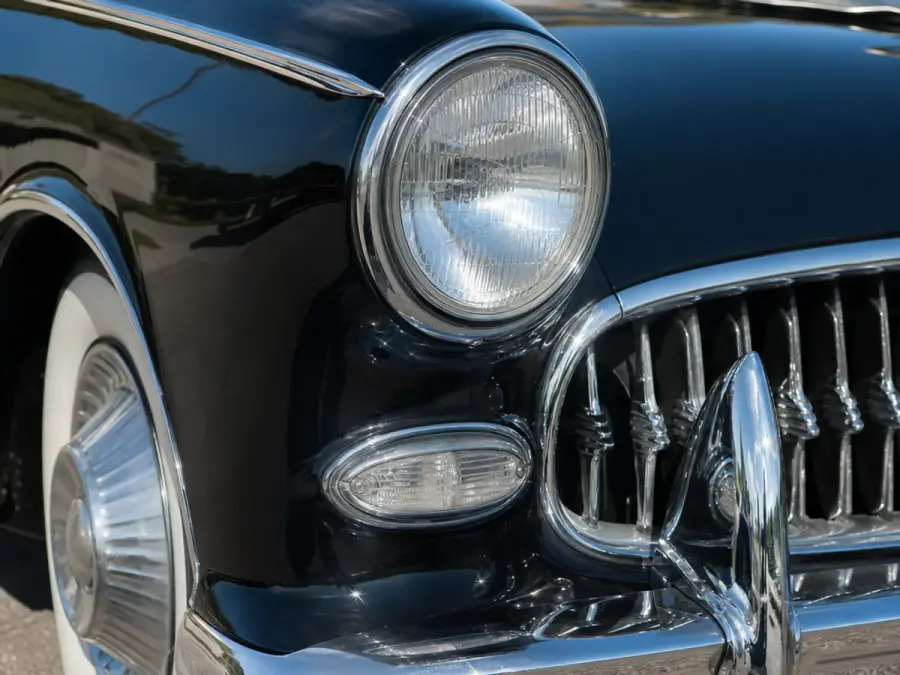
Verify the Model and Year — Verify the Model and Year
Using official resources can help verify details about a vehicle. The National Highway Traffic Safety Administration (NHTSA) mandates that every motor vehicle has a 17-character Vehicle Identification Number (VIN) that encodes specific details.
This number allows researchers to decode the exact characteristics reported by the manufacturer. Checking these details helps confirm whether a vehicle matches the specifications claimed in public posts.

Check Manufacturer Records — Check Manufacturer Records
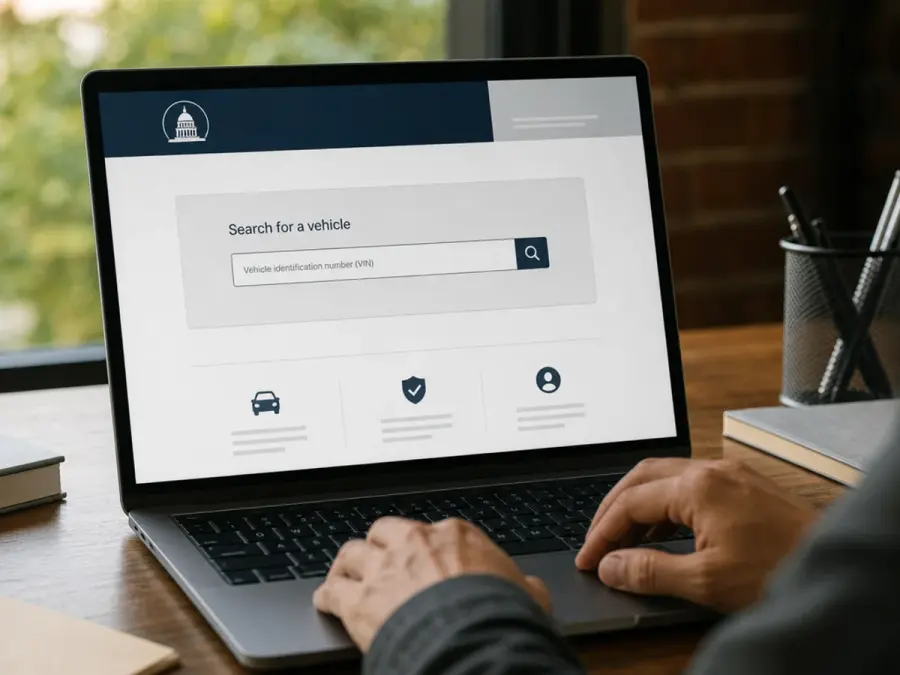
Official manufacturer records are the primary source of truth for a vehicle's build configuration. NHTSA's VIN decoder displays information that is directly reported by the vehicle's manufacturer.
If there are discrepancies or further questions about the build details, researchers should contact the manufacturer directly. This step helps verify if a rare vehicle in a collection is authentic or an aftermarket modification.

Identify Vehicle Origin via Build Plants — Identify Vehicle Origin via Build Plants
A vehicle's plant of manufacture can reveal whether a vehicle was actually built as a rare domestic or import model. NHTSA's public VIN decoder provides a two-step process to identify the build plant and country of origin for a searched vehicle.
This information is displayed at the bottom of the results page. Verifying where a vehicle was built helps debunk false claims about rare import models.

Look for Affixed Vehicle Labels — Look for Affixed Vehicle Labels
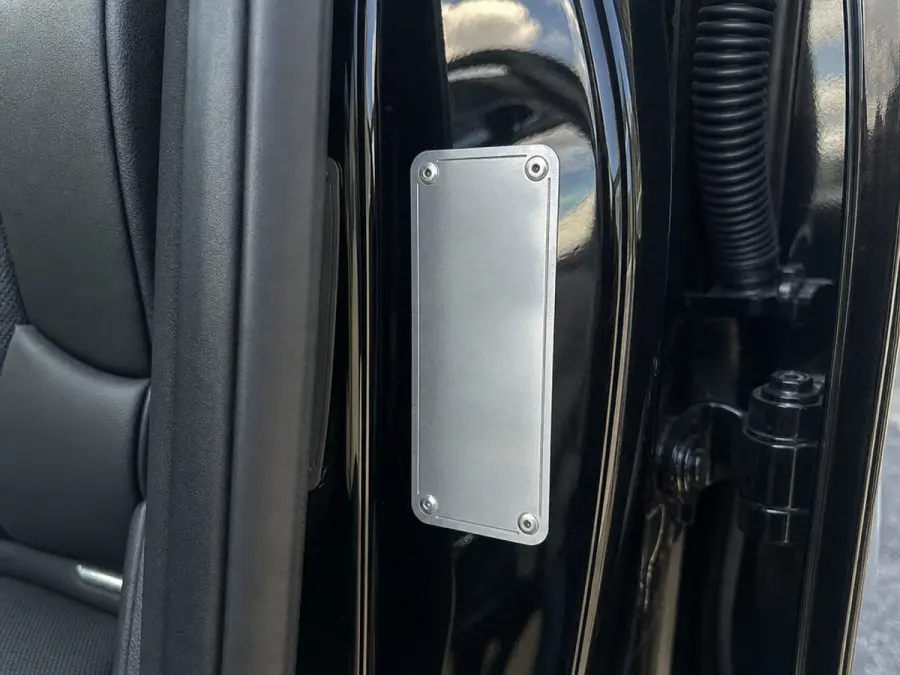
Physical labels permanently attached to a vehicle provide another layer of verification. NHTSA notes that additional manufacturing and parts information may be available on a label affixed to the vehicle under federal regulations.
These labels can help verify a car's identity when online records are incomplete. Checking physical markers is a reliable way to confirm an exotic vehicle's authenticity.

Protect Vehicle Information from Theft — Protect Vehicle Information from Theft
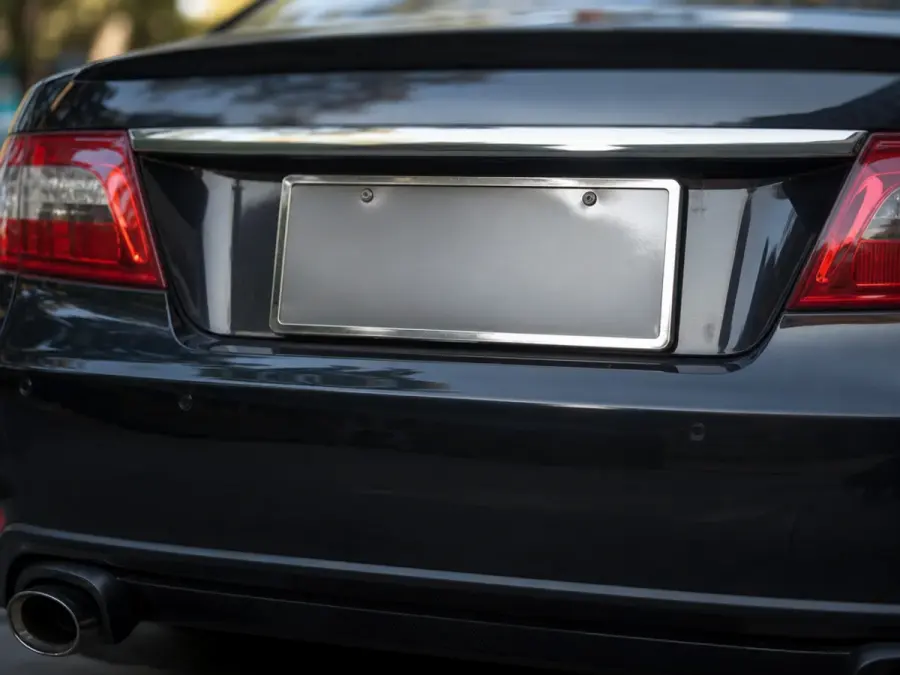
When analyzing and sharing high-profile vehicles, protecting sensitive identifiers is crucial. Sharing full VINs or license plates can expose vehicles to theft risks, which is a major problem with over 650,000 vehicles stolen in the United States in 2025 alone.
If a vehicle is stolen, owners must immediately provide the police with the VIN, license plate number, and vehicle characteristics to file a report. Ethical researchers avoid publicly displaying these sensitive details to help prevent crime.
Understand the Role of Key Security — Understand the Role of Key Security
Celebrity car collections require advanced security measures to prevent theft, which occurs every 48 seconds on average in the United States as of 2025. Common sense prevention includes never leaving the vehicle's key in or on the vehicle.
Many modern vehicles utilize immobilizing devices, such as computer chips in ignition keys, to prevent hot-wiring. For key replacement or lock issues, owners should always rely on manufacturer-approved services or credentialed professionals.
Look for Anti-Theft Features — Look for Anti-Theft Features
Authentic high-value vehicles often feature sophisticated anti-theft systems to protect them from thieves targeting valuable parts. NHTSA highlights that thieves target not only whole vehicles but also valuable parts like airbags, GPS units, and engines.
Standard anti-theft systems include audible alarms, steering-wheel locks, and immobilizing devices that disable the flow of electricity or fuel. Checking for these systems can help verify if a vehicle is equipped with factory-standard safety features.
Trace Major Replacement Parts — Trace Major Replacement Parts
Some high-end vehicle claims involve cars that have been rebuilt or heavily modified. NHTSA regulations require vehicle manufacturers to label major component and replacement parts.
This labeling helps authorities trace and recover stolen parts, such as doors, engines, and transmissions. Verifying these part labels can help reveal whether a vehicle is a factory-original model or has been reconstructed from replacement parts.
Verify Vehicle Recovery Systems — Verify Vehicle Recovery Systems
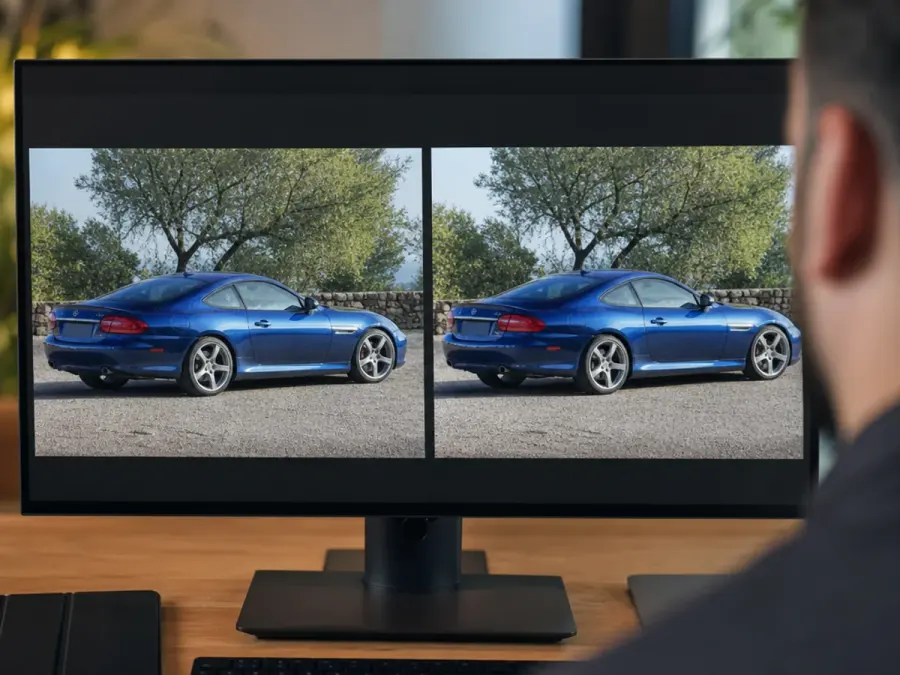
High-profile car collectors often install advanced recovery systems to protect their investments. These recovery systems use electronic transmission technology to help law enforcement locate stolen vehicles.
If a vehicle is stolen, contacting the police and insurance company immediately is crucial. Confirming the presence of active recovery systems can be part of verifying a vehicle's documented history and security status.
Analyze Vehicle Theft Seasonality — Analyze Vehicle Theft Seasonality
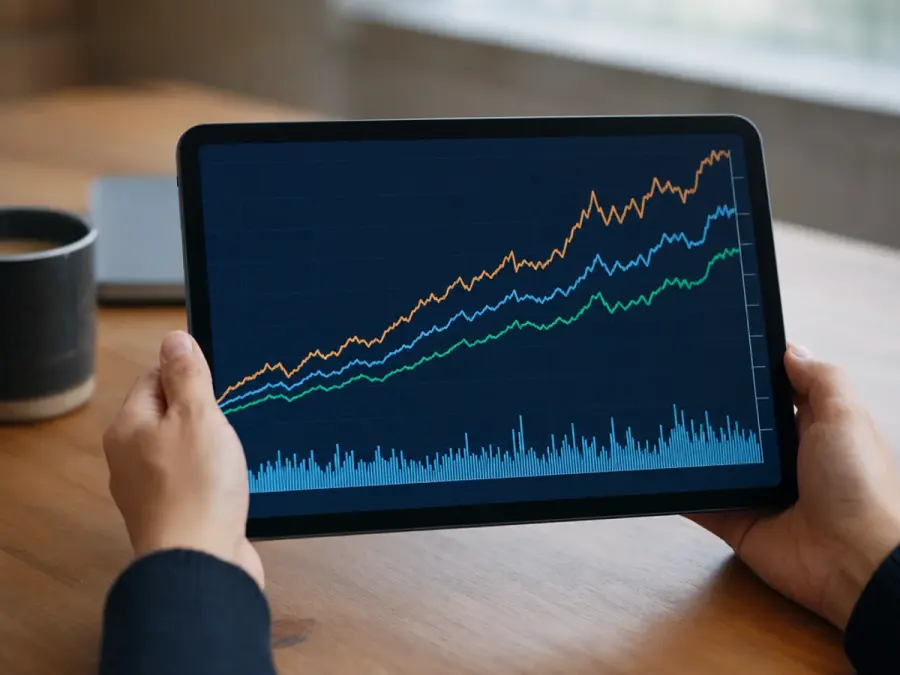
Public displays of rare vehicles can vary throughout the year, but security risks also fluctuate. NHTSA reports that summers, specifically July during National Vehicle Theft Prevention Month, are the worst season for vehicle theft.
Collectors must take extra precautions during these high-risk periods, such as parking in well-lit areas. Understanding these safety trends helps put the storage and transport of rare collections into perspective.
Document Vehicle Identification Basics — Document Vehicle Identification Basics
To verify any car-collection claim, researchers must understand what a standard Vehicle Identification Number represents. A VIN is a unique 17-character number that encodes specific information about the vehicle under NHTSA regulations.
This number can be queried on the official NHTSA website to decode manufacturer-reported details. Understanding how to read and decode these characters is the foundation of any vehicle history investigation.
Identify What Remains Unverified — Identify What Remains Unverified
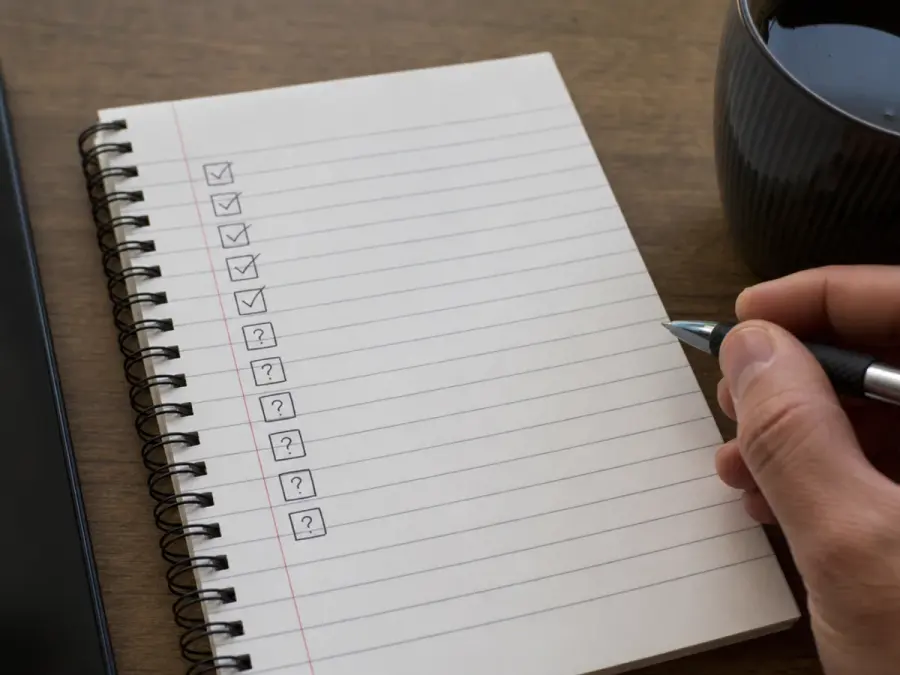
When official records or physical labels cannot be checked, claims about a celebrity's vehicle must remain unverified. NHTSA's VIN decoder relies entirely on information reported by the vehicle's manufacturer.
If the manufacturer has not reported the data, or if the physical vehicle labels are missing, the claim cannot be fully authenticated. Responsible enthusiasts should always mark unverified specifications as unconfirmed until official records are obtained.
Featured galleries







































































































































































































































































































































































































































































