12 Checks for a Public-Figure Visual Story

Verifying Exact Identity and Scope — Verifying Exact Identity and Scope
When reviewing photographs of subjects, editorial teams often verify the exact identity of those depicted. While copyright registration protects creative choices like subject selection, editors must independently confirm whether the visual matches the intended individual.
Distinguishing verified historical subjects from speculative representations helps keep the narrative accurate.

Establishing the As-Of Date — Establishing the "As-Of" Date
Every piece of editorial content has a temporal boundary that dictates its relevance. In copyright registration, establishing when a photograph was completed or published is a key part of the documentation process.
Editorial teams should verify the precise timing of depicted events to prevent outdated information from misleading the audience. Understanding these dates helps ensure that historical and current images are contextually accurate.

Checking First-Party and Official Records — Checking First-Party and Official Records
To confirm official statuses or claims, editors can consult primary administrative records rather than relying on secondary aggregators. For example, official registration offices maintain databases and public records that serve as reliable baselines for verifying claims.
These offices may charge nonrefundable filing fees and have specific requirements for database submissions. Checking primary registration records directly helps eliminate speculative claims or promotional exaggeration.
Seeking Independent Corroboration — Seeking Independent Corroboration
A single source is rarely sufficient to establish a complex narrative about a subject. For instance, multiple photographers taking pictures of the same subject will each make individual creative choices and have separate claims.
Editors look for multiple, mutually independent visual records to corroborate the core assertions of a story. This process helps verify the context of an event through different independent perspectives.
Determining Image Publication Dates — Determining Image Publication Dates
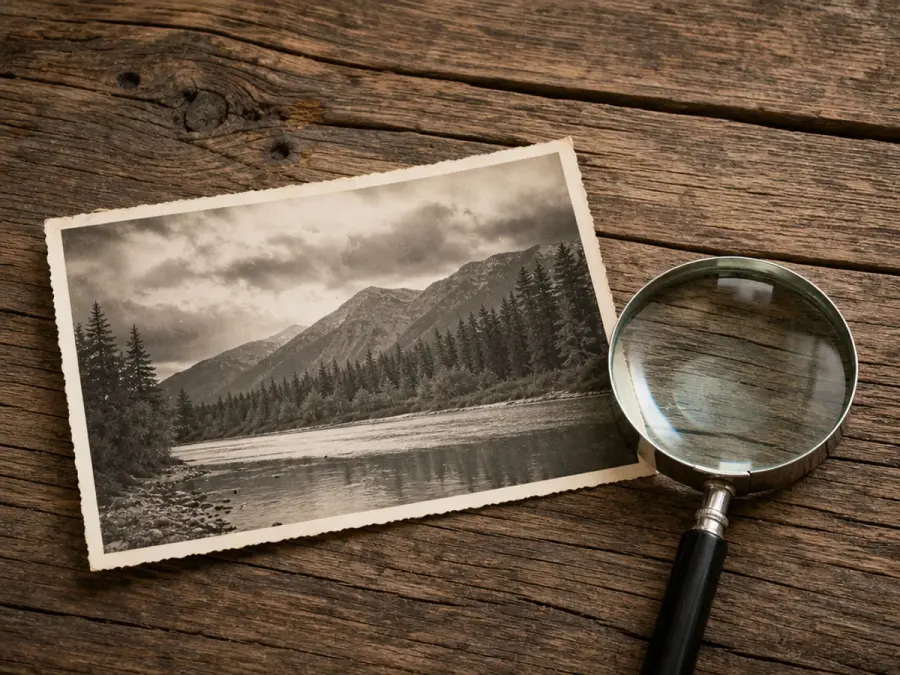
Under copyright guidelines, a photograph is published when copies are distributed to the public for the first time or offered to a group for further distribution or public display. However, the public display of a photograph, in and of itself, does not constitute publication.
Identifying whether an image is published or unpublished is crucial for establishing accurate timelines and determining appropriate registration options. Editors should carefully verify these publication details to ensure images are used in their proper historical context.
Identifying Photographer and Licensing — Identifying Photographer and Licensing
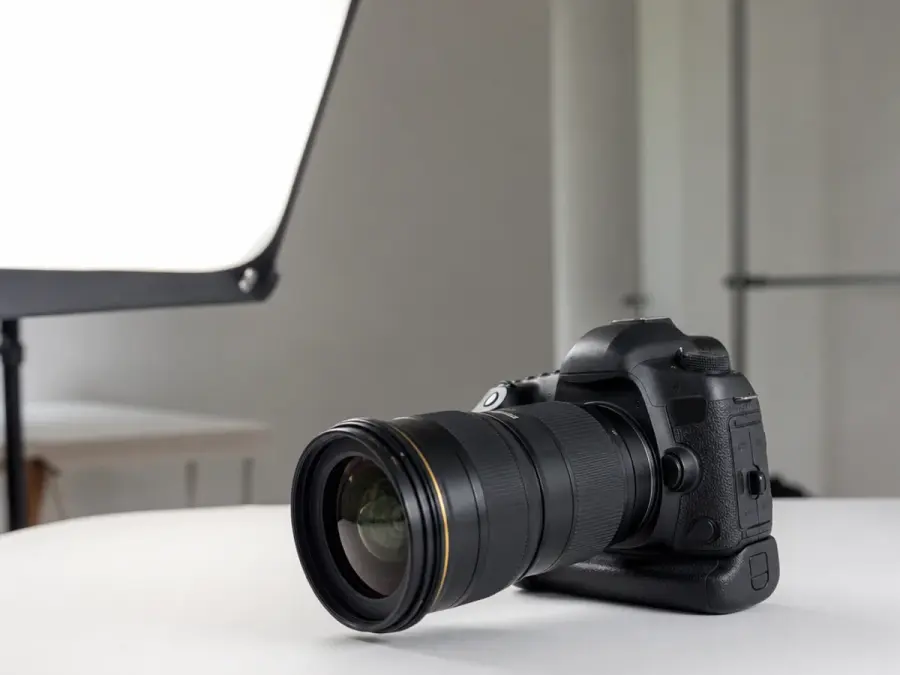
Copyright in a photograph protects the creator's artistic choices, such as lens selection, camera placement, angle, lighting, and timing. Editors should identify the original photographer to respect authorship and understand the creative origin of the visual media.
Generally, the person who takes the photo is the initial copyright owner, unless it is created as a work made for hire. Verifying these ownership details helps editorial teams avoid copyright issues and maintain the integrity of their visual stories.

Analyzing Crop and Edit History — Analyzing Crop and Edit History
Modern digital adjustments can alter the presentation of a photograph, but the underlying copyright still protects the photographer's original artistic choices. To maintain accuracy, editorial teams should scrutinize images to ensure they remain a faithful representation of the actual event.
When registering groups of photos, specific file formats like JPEG, GIF, or TIFF are standard for digital submissions. Understanding both the original creative choices and the file's history helps preserve visual integrity.

Verifying Content Credentials — Verifying Content Credentials
Administrative records and file naming conventions help track the ownership and identity of photographic works. For group registration, applicants must submit a title list matching the file names of the uploaded digital photographs.
Verifying these file names and titles helps editors confirm the identity and origin of each image in a collection. Utilizing organized file structures and clear titles supports secure record-keeping and proper verification of visual assets.

Respecting Privacy and Data Rights — Respecting Privacy and Data Rights
When individuals visit media platforms and archives, websites may store or retrieve information on their browsers, mostly in the form of cookies. These cookies can manage user preferences, measure site performance, or deliver targeted advertising based on browser and device identification.
Editorial platforms must respect these user preferences and data privacy boundaries as they manage online content. Understanding these digital tracking and consent mechanisms helps platforms protect user privacy in accordance with standard policies.

Avoiding Unsupported Inferences — Avoiding Unsupported Inferences
Visual stories can sometimes lead viewers to make assumptions about a subject's private preferences or activities. To ensure accuracy, editorial teams should avoid presenting speculative inferences about an individual's choices as established facts.
Just as digital platforms use functional cookies to remember specific user preferences and actions without directly identifying them, editors should focus on verified information. Keeping reporting grounded in documented actions prevents misleading conclusions.

Evaluating Conflicting Evidence — Evaluating Conflicting Evidence
When official registration records or database entries contain errors, it can lead to confusion or delays in verification. For example, mistakes in copyright applications can delay registration, requiring applicants to carefully verify their submissions.
Editorial teams should document any conflicting information or discrepancies clearly rather than choosing a side. Presenting these administrative contradictions ensures a balanced and objective editorial stance.

Managing Corrections and the Unresolved — Managing Corrections and the Unresolved
When managing online archives and visual content, platforms must maintain clear processes for updating settings and information. For instance, website visitors are typically allowed to change their cookie preferences and settings at any time.
Similarly, editorial teams should have transparent processes for updating information and issuing corrections when new details emerge. Acknowledging limitations and keeping records up to date helps maintain long-term trust with the audience.
Featured galleries







































































































































































































































































































































































































































































