12 Checks for Building a Trustworthy Then-and-Now Photo Story
Pinpointing the Subject — Pinpointing the Subject
When developing a historical photo comparison, confirming the exact identity of the featured person, place, or object is an important first step. Rather than relying on unverified online summaries, researchers can consult official repositories to verify historical figures.
The National Archives Catalog provides online search tools to find detailed descriptions and digital copies of images within their holdings. Utilizing these catalog tools helps ensure that your modern comparison is grounded in verified historical data.
Confirming the Original Date — Confirming the Original Date
Determining the precise year or era of a photograph is essential for establishing an accurate historical timeline. Official archival collections are frequently structured into historical series covering specific date ranges, which helps narrow down when an image was captured.
For example, NARA preserves records from the Bureau of Public Roads spanning 1896 to 1963, alongside unofficial World War I photographs from 1917 and 1918. Referencing these established chronological groupings helps verify the exact timeframe of your selected visuals.
Consult the Catalog Record — Consult the Catalog Record
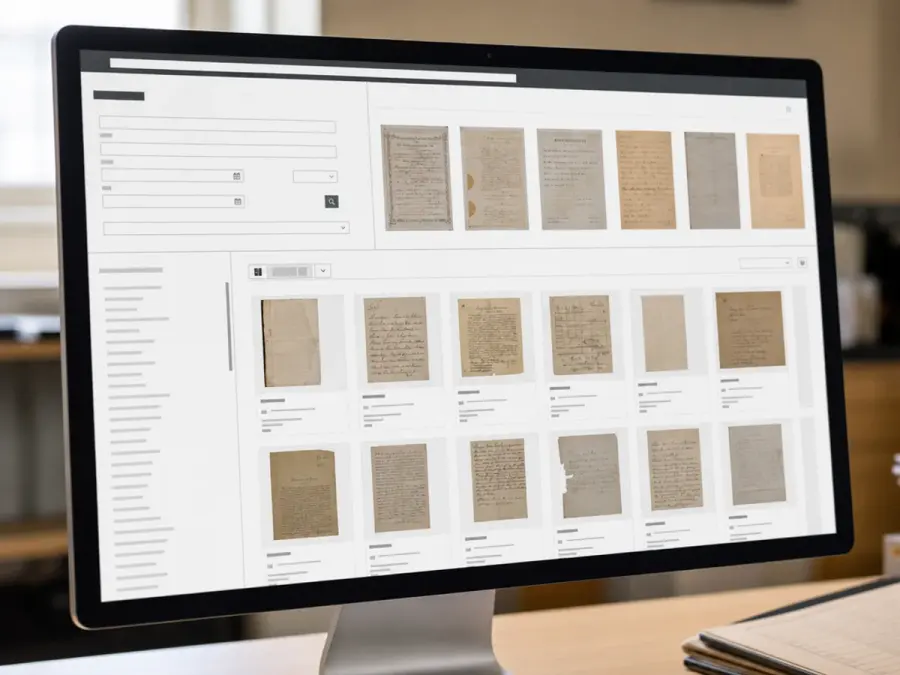
Consulting official repositories is a reliable method for building a verified paper trail for your historical assets. The National Archives Catalog allows researchers to search online for detailed image descriptions and digitized copies.
Each catalog entry is associated with a specific National Archives Identifier, which uniquely indexes the record. Documenting these unique identifiers is highly beneficial for tracking down source materials and checking their specific details later.
Identifying Creator and Collection — Identifying Creator and Collection
Identifying the specific archival collection that holds a photograph can provide valuable context regarding its original purpose. NARA organizes its extensive visual holdings into distinct Record Groups, such as Record Group 26 for photographs documenting activities and facilities from 1939 to 1967.
Another major collection is Record Group 165, which contains unofficial photographs from the War Department dating from 1917 to 1918. Tracking these specific record groups helps researchers better understand the historical perspective and origin of each image.
Uncovering Caption Context — Uncovering Caption Context
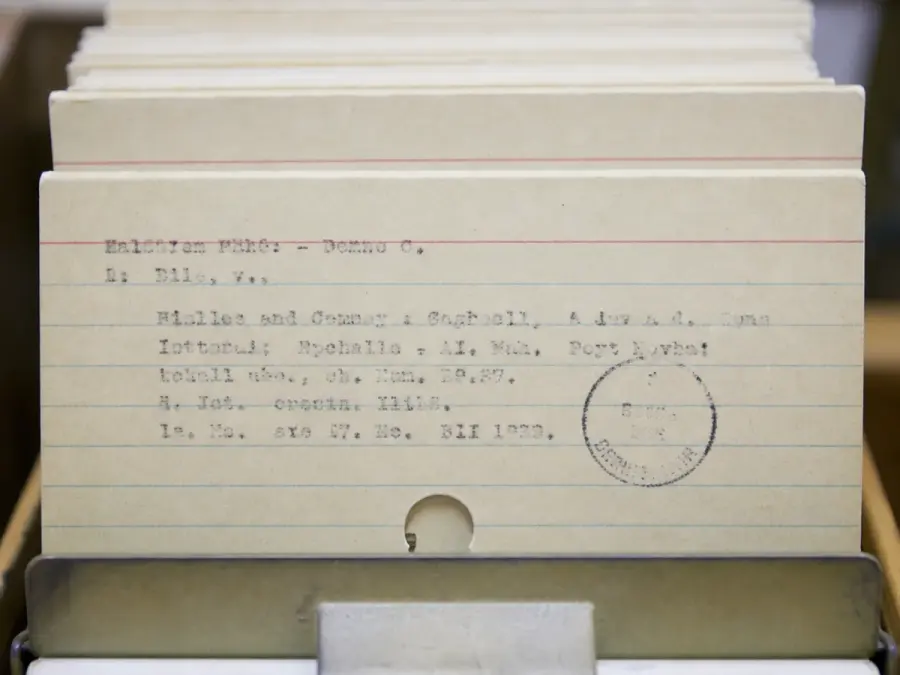
Captions and credits associated with historical photographs provide critical documentation for researchers and the general public. NARA notes that a large number of public inquiries cite the credits and captions that appear in published media.
When compiling a photo story, keeping these original descriptions accurate and properly linked to their sources is highly recommended. Documenting these elements carefully helps preserve the historical context and integrity of your visual assets.
Spotting Historical Formats — Spotting Historical Formats
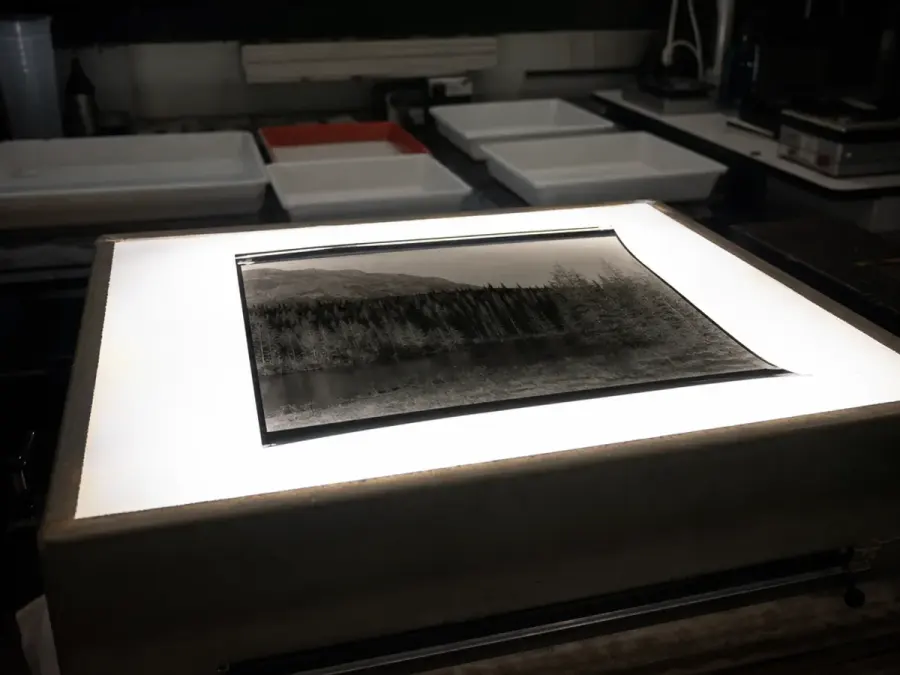
When working with historical imagery, it is helpful to understand the physical format and creation process of your source material. The National Archives Still Picture Branch in College Park, Maryland, maintains a massive collection that includes more than 14 million analog prints and 3 million digital images.
Additionally, their holdings feature 50,000 panoramas, posters, and other large-format graphic works. Identifying whether your source is an analog print, a digital file, or a graphic poster helps you accurately represent its physical history.
Comparing Subjects Across Time — Comparing Subjects Across Time
When building a chronological comparison, researchers often search for images of specific individuals at different points in their lives. For those researching military service members or family histories, NARA offers specialized files and guides to assist in locating specific portraits.
S. Army Signal Corps Photographic Files, which spans from 1940 to 1981. Utilizing these targeted files allows for a more precise and documented visual comparison of historical subjects.
Saving Your Source Links — Saving Your Source Links
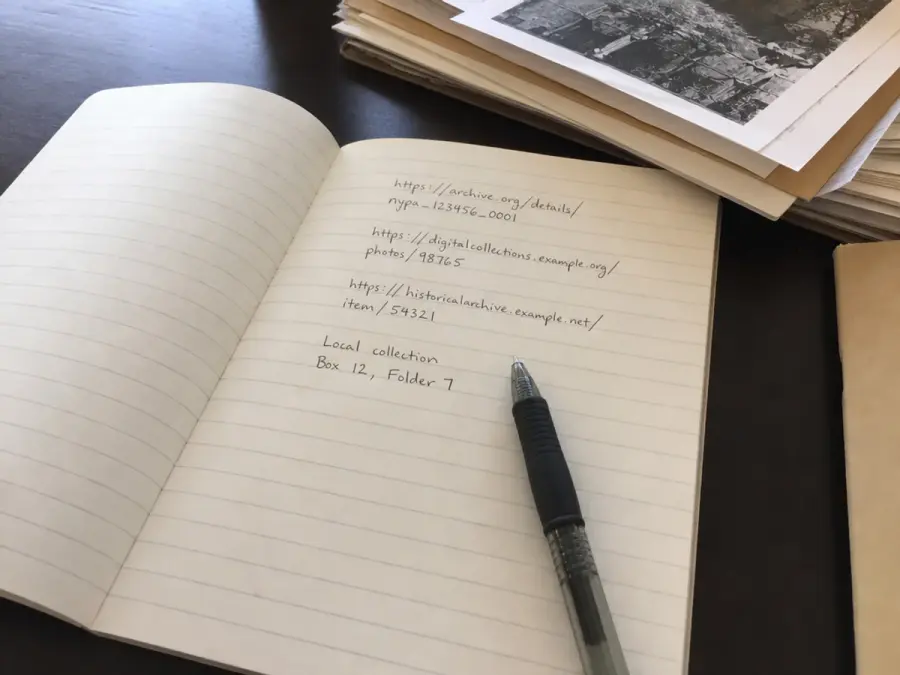
Establishing a clear digital audit trail is vital for proving the authenticity of your historical assets. When gathering materials online, documenting the exact digital location of each image allows editors and readers to verify its origin.
For example, researchers can keep track of direct links to NARA's Still Pictures branch pages and online catalog records. Keeping these reference links organized in a central file ensures that your completed project is highly transparent and verifiable.
Verifying Copyright Status — Verifying Copyright Status
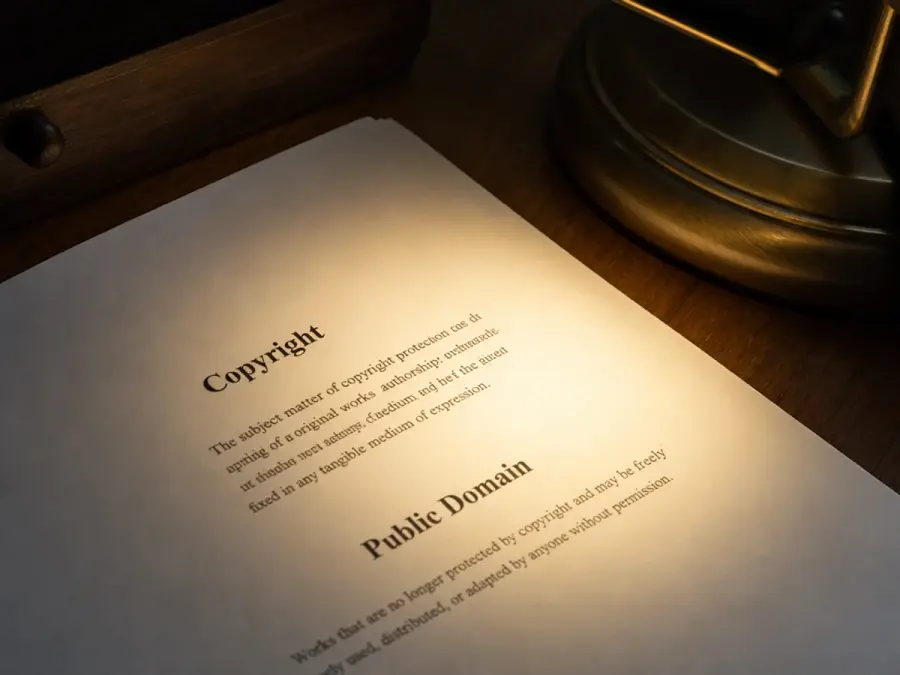
The majority of photographic records in NARA's collection belong to the public domain and can typically be published without fees or special permissions. However, a minor portion of these holdings may be subject to copyright limitations.
While NARA does not officially verify copyright statuses, the agency will share any historical details they have on record. Ultimately, researchers must obtain any necessary clearances and assume all risks associated with publication.

Confirming Required Permissions — Confirming Required Permissions
To investigate potential use restrictions, researchers can enter an image's specific National Archives Identifier into the catalog search tool to review its series description. Under United States copyright law, libraries and archives provide reproductions primarily for private study, scholarship, or research.
Utilizing these copies in a manner that exceeds fair use guidelines can lead to liability for copyright infringement. Researchers are advised to carefully review these catalog descriptions and secure any required clearances beforehand.
Formatting Proper Credit Lines — Formatting Proper Credit Lines
Using proper credit lines helps document sources accurately and informs the public about available government photographic resources. Including the specific photo number in both electronic and print publications is highly useful for both researchers and archival staff.
NARA suggests several preferred formats, such as 'National Archives photo no. 80-G-32500' or 'Courtesy National Archives, photo no. ' Furthermore, the agency appreciates receiving a copy of any publication that makes extensive use of their photographic collection.
Verifying Facts and Contacting Archives — Verifying Facts and Contacting Archives
When assembling a photo story, separating verified historical facts from creative speculation is critical for maintaining credibility. Researchers who have questions about the origin or publication guidelines of specific images can reach out directly to archival staff.
The Still Picture Branch can be contacted via email or by calling (301) 837-0561 to help clarify image usage details. Additionally, visitors can schedule an appointment to conduct hands-on verification at the Still Picture Research Room in College Park, Maryland.
Featured galleries







































































































































































































































































































































































































































































