12 Checks for Researching a Misheard Song-Lyric Claim
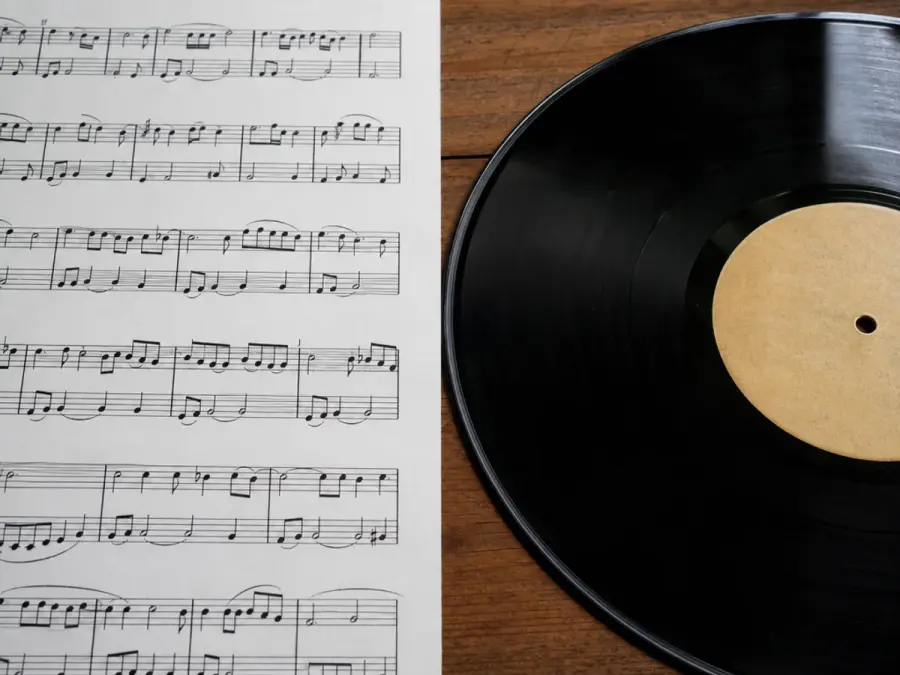
Distinguish Composition from Recording — Distinguish Composition from Recording
Under United States copyright law, a musical composition and a sound recording are treated as two separate works. A registration for a sound recording covers the recorded performance but does not cover the underlying musical composition, which includes the music and lyrics.
Conversely, a registration for a musical composition does not cover a recorded performance of that work. Identifying these distinct registrations is a key step when verifying the authorized text of a song.

Identify Songwriter and Performer Roles — Identify Songwriter and Performer Roles
The author of a musical composition is the person who created the music, lyrics, or both, such as a songwriter or lyricist. In contrast, the author of a sound recording is the performer who performed the work, the producer who captured and edited the sounds, or both.
Because these roles are distinct, the registered lyrics of a composition may differ from what is captured in a specific recorded performance. Checking the registered authorship helps researchers understand who created the official lyrics.
Check Authorized Sheet Music and Liner Notes — Check Authorized Sheet Music and Liner Notes
A musical composition can be fixed in a copy such as printed or digital sheet music. This written format represents the music and accompanying lyrics of the composition itself, separate from any recorded performance.
Researchers can consult these copies to identify the lyrics as documented by the composer or songwriter. However, the lyrics in these copies may not always match the words sung in a subsequently recorded performance.
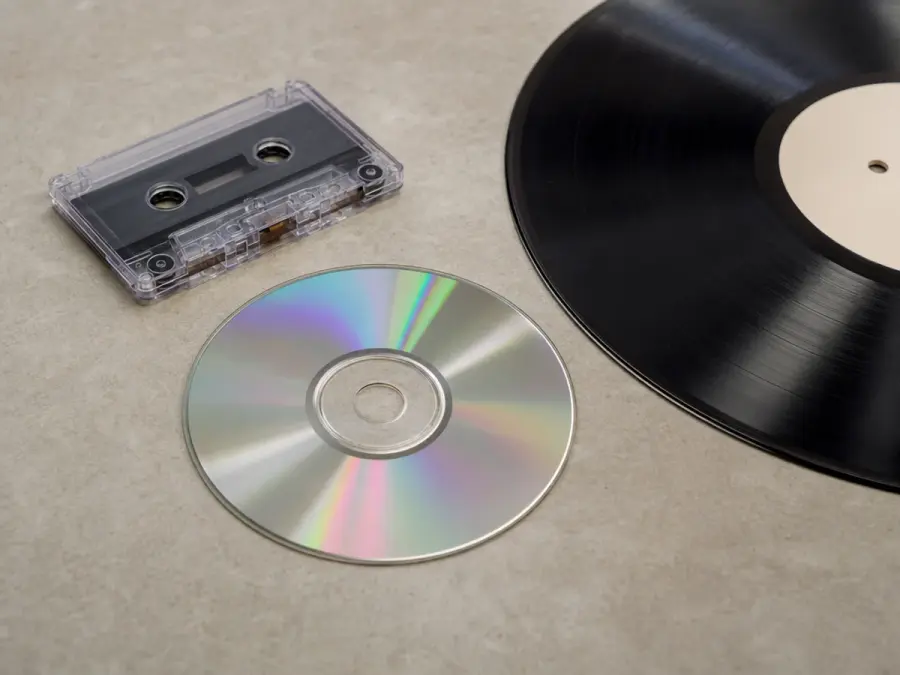
Compare Different Recorded Versions — Compare Different Recorded Versions
A single musical composition can underlie multiple distinct sound recordings, which are typically registered separately. Each recorded performance is fixed in a phonorecord, such as an MP3, CD, or vinyl LP.
Because different recordings capture different performances, the lyrics may vary or be altered between versions. Comparing these separate phonorecords helps researchers identify variations in how the lyrics were performed.
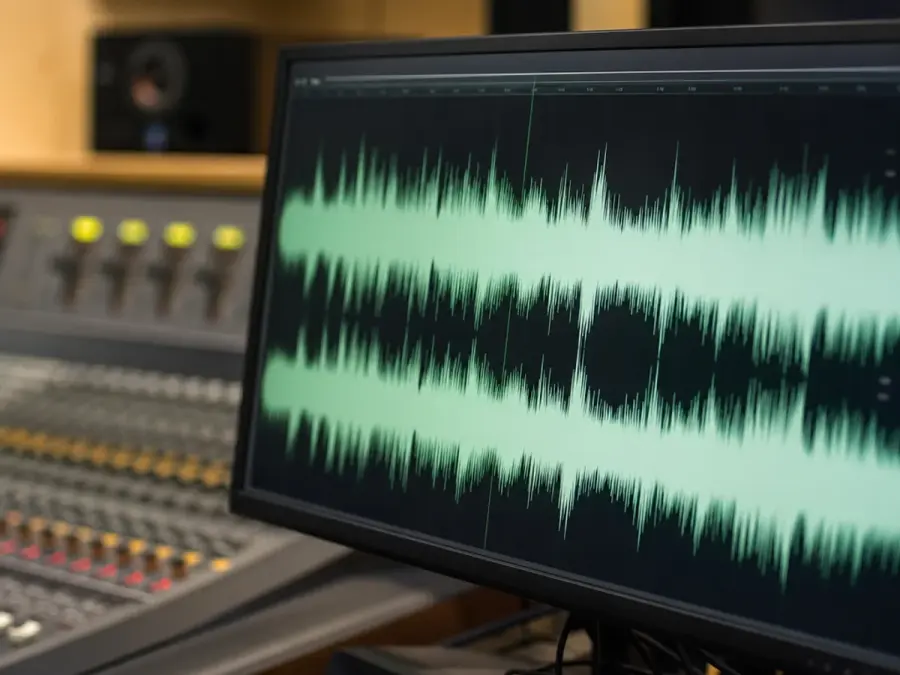
Account for Transcription Uncertainty — Account for Transcription Uncertainty
A sound recording is defined as the fixation of a series of sounds, such as a specific vocal and musical performance. Because these recordings capture a physical performance, acoustic elements can sometimes make the spoken or sung lyrics difficult to transcribe with absolute certainty.
When analyzing these recorded sounds, researchers must distinguish between the acoustic performance and the underlying written composition. This distinction is crucial because the audio recording and the written lyrics are protected under separate copyright rules.

Analyze Regional Pronunciation — Analyze Regional Pronunciation
Under copyright standards, a musical composition consists of the melody, rhythm, or harmony in a notation system, along with the accompanying lyrics. A sound recording, however, is merely the fixation of a specific performance's actual sounds.
Stylistic vocal choices, pronunciation, and performance variations are captured in the sound recording but are not part of the underlying written composition. Therefore, researchers must evaluate the recorded audio separately from the songwriter's registered notation and text.
Investigate Edited Broadcasts — Investigate Edited Broadcasts
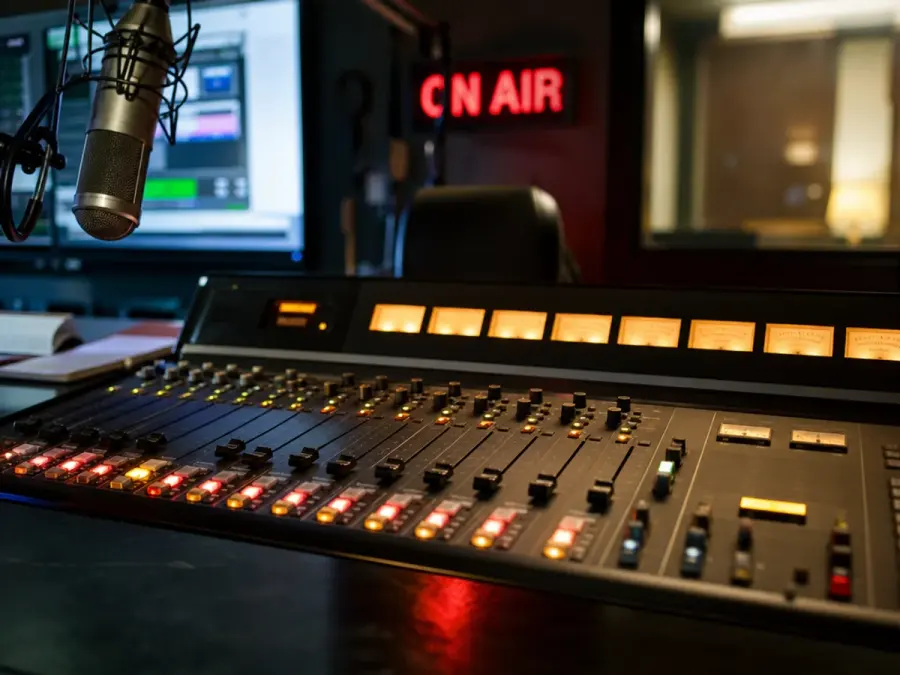
Public performances of a song, such as broadcasts or transmissions, do not automatically constitute a legal publication of the work. For copyright purposes, publication specifically requires the distribution of physical or digital phonorecords to the public.
Broadcasted performances may feature temporary alterations or regional edits that do not reflect the officially registered composition. Researchers should rely on authorized, published phonorecords rather than broadcast performances to verify lyrics.
Verify Original Release Metadata — Verify Original Release Metadata
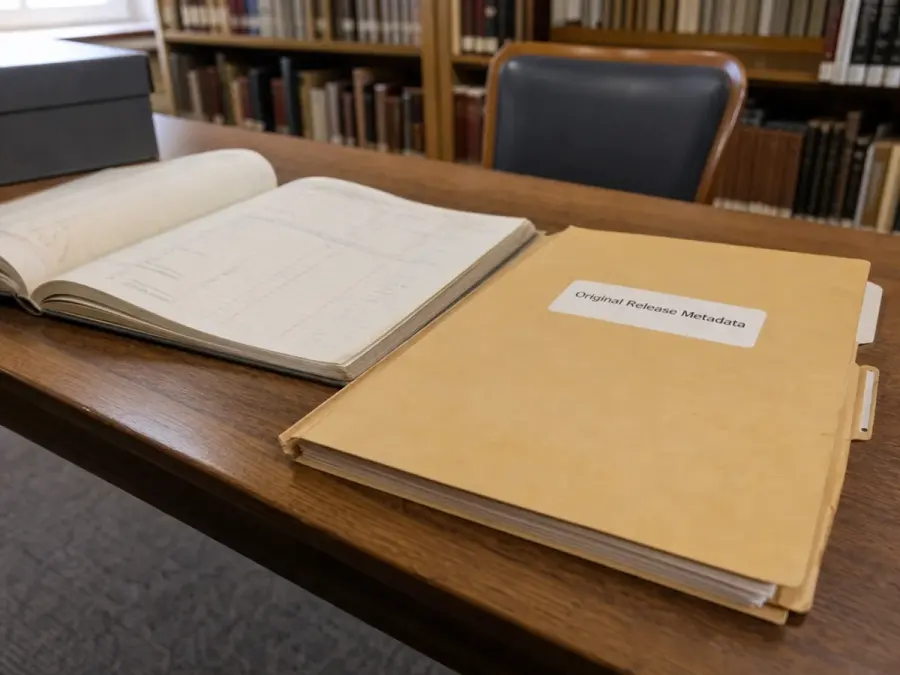
When registering a song, applicants must provide the exact title of the work and identify its year of creation. They must also specify if the work has been published, which legally occurs when phonorecords are distributed to the public by sale, rental, lease, lending, or certain distribution offers.
Verifying this registration metadata helps researchers establish an official timeline for the song's release. This official record can assist in identifying the earliest authorized versions of the lyrics.

Verify Physical Format Specifications — Verify Physical Format Specifications
The Library of Congress maintains specific quality criteria for physical sound recordings submitted for copyright registration. These physical formats include compact discs, vinyl discs, open-reel tapes, cartridge tapes, and cassette tapes, ranked in order of quality.
When researchers study physical releases, understanding these formats helps them identify the highest quality editions available. Accessing these official physical deposits can provide a reliable reference for analyzing disputed audio.
Respect Owner Exclusive Rights — Respect Owner Exclusive Rights
Copyright owners of both musical compositions and sound recordings hold exclusive rights to reproduce and distribute their works. Preparing unauthorized copies or derivative works of protected lyrics or audio can lead to copyright infringement.
Because of these strict legal protections, researchers must be careful when reproducing lyric sheets or audio clips in their studies. Summarizing or describing a lyric dispute is often a safer approach than reproducing copyrighted material without permission.

Evaluate Copyright and Licensing — Evaluate Copyright and Licensing
A copyright registration for a musical composition grants the owner exclusive rights to reproduce, distribute, publicly perform, and publicly display the work. For sound recordings, the owner's public performance right is limited specifically to digital audio transmissions.
Because these rights are separate and often held by different entities, researchers may need separate permissions from both owners to use lyrics and audio. Understanding these distinct licensing requirements is essential before publishing any research containing copyrighted material.

Label Unresolved Wording Clearly — Label Unresolved Wording Clearly
Official copyright registrations provide a legal record of a song's written lyrics and musical composition. When these official deposits are unavailable or differ from the recorded performance, lyric transcriptions can remain highly disputed.
In academic and factual research, it is important to label such ambiguous wording as unresolved rather than presenting a single interpretation as fact. Acknowledging these discrepancies respects the distinct natures of the underlying composition and the recorded performance.
Featured galleries







































































































































































































































































































































































































































































