12 Checks for Researching Public Family Relationships
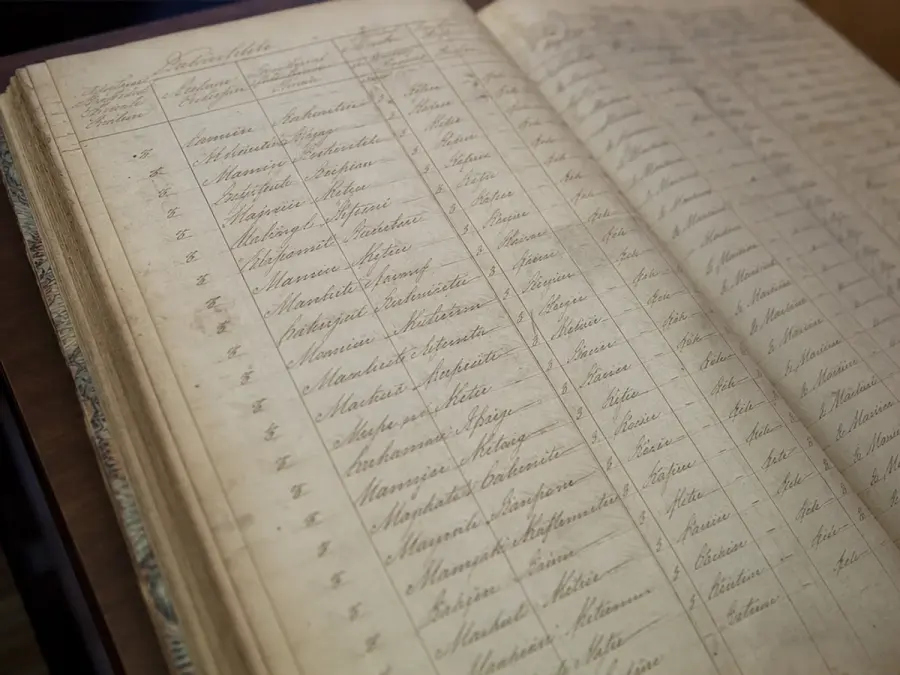
Start with Core National Archives Records — Start with Core National Archives Records
When beginning genealogical research, the National Archives and Records Administration (NARA) recommends starting with their most commonly used records. These include census, military, immigration, naturalization, and land records.
NARA provides introductory videos and a specialized PowerPoint presentation to help researchers learn how to access and navigate these primary historical holdings.

Treat Photographs as Genealogical Records — Treat Photographs as Genealogical Records
According to the Library of Congress, family and local history photographs should be treated as actual historical records in genealogical research. These visual documents provide valuable clues and building blocks for understanding the lives and communities of ancestors.
Researchers can browse the Library of Congress's digital collections to find prints, photographs, and other visual materials that enhance their family history search.
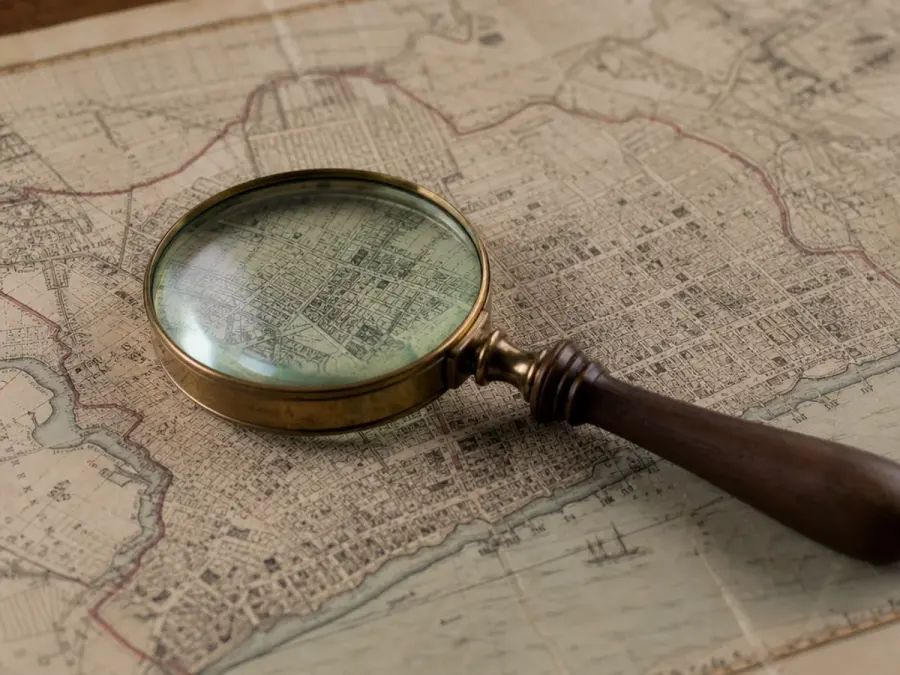
Trace Ancestors Using Land Records — Trace Ancestors Using Land Records
Land records are among the most popular genealogical materials preserved by the National Archives and Records Administration. NARA offers dedicated resources, including a video on the Homestead Act, to help researchers trace ancestral land holdings.
These records provide critical geographical and chronological baselines to help place family units in a specific time and location.
Explore Military and Immigration Records — Explore Military and Immigration Records
The National Archives and Records Administration holds extensive military and immigration files that are highly valuable for genealogists.
Researchers can access ship passenger arrival lists, naturalization records, and military pension files to verify family relationships and histories. NARA provides introductory videos on these topics, including tutorials specifically covering regular and volunteer military service.
Access Professional Research Assistance — Access Professional Research Assistance
When navigating historical image collections, researchers can seek professional guidance directly from reference librarians. The Library of Congress offers an online 'Ask a Librarian' form specifically for local history and genealogy inquiries.
This service helps genealogists find and interpret prints, photographs, and other visual records in the Library's vast collections.
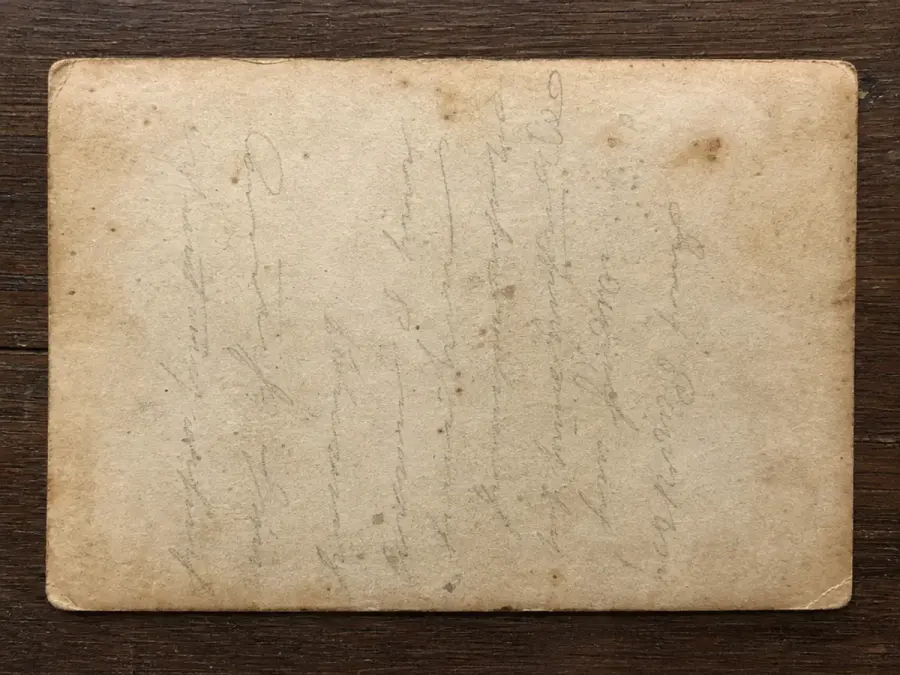
Analyze Family Group Portraits — Analyze Family Group Portraits
Historical photographs in the Library of Congress collections, such as an 1844 group portrait of the Cresson family, provide rich visual evidence of past generations.
These items serve as clues and building blocks to help researchers better understand ancestral communities and family structures. Examining these portraits in archival databases can reveal detailed information about the subjects, their relationships, and the era in which they lived.
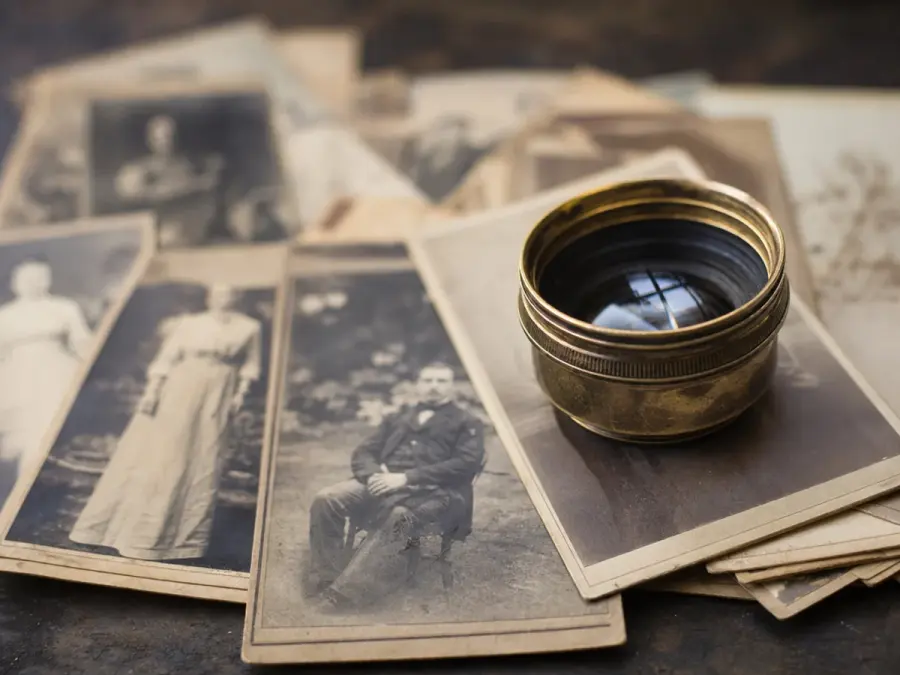
Study Historical Eras Through Images — Study Historical Eras Through Images
The Library of Congress holds prints and photographs spanning several decades, including portraits from the 1840s through the 1870s and beyond.
Examples include an 1844 portrait of the Cresson family, a portrait of an African American man and child from the 1860s, and an 1866 image of two Navajo girls. Genealogists can use these diverse collections to study historical clothing, settings, and photographic formats from specific time periods.
Overcome Genealogy Dead-Ends — Overcome Genealogy Dead-Ends
When research hits a dead-end, learning how other genealogists solved similar problems can reveal new paths forward. The National Archives and Records Administration suggests consulting curated lists of beginner tips, such as those found on Cyndi's List.
Researchers can also explore the Archives Library Information Center (ALIC) or watch specialized videos on breaking through research barriers.

Utilize Online Tutorials and Webinars — Utilize Online Tutorials and Webinars
Beginning researchers have access to numerous free online tutorials and instructional webinars recommended by NARA.
These include the National Genealogical Society's 'Getting Started' resources and webinars from Legacy Family Tree. K. offers a practical online tutorial on reading old handwriting from 1500 to 1800.

Consult Specialized Genealogy Books — Consult Specialized Genealogy Books
Consulting books and articles about available records and research steps is a key practice for beginning genealogists.
' These publications, which are often available in local libraries or bookstores, cover the foundational steps of the genealogical research process.
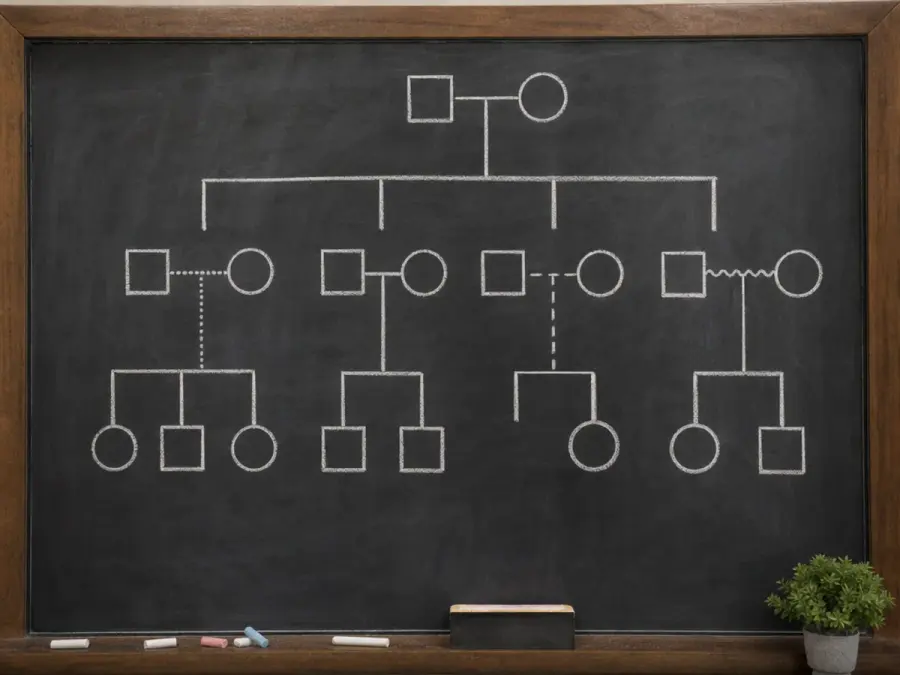
Read Specialized Journal Articles — Read Specialized Journal Articles
To deepen their research, family historians can read articles published in major genealogical journals. NARA recommends publications such as the NGS Quarterly, the New England Historical and Genealogical Register, and the NYG&B Record.
These journals are typically available in libraries with large genealogical collections or directly from the publishing societies.
Join Local and Regional Genealogical Societies — Join Local and Regional Genealogical Societies
Joining genealogical societies is a highly recommended step for obtaining localized assistance and resources. These societies offer workshops, webinars, newsletters, and specialized libraries describing research and services in their specific areas.
Researchers can search by state or province on the National Genealogical Society website to find relevant societies where their ancestors once lived.
Featured galleries







































































































































































































































































































































































































































































