12 Landmark Love Songs and Why They Endure

Soulful Relief and Resolution — Soulful Relief and Resolution
Etta James transformed this former big-band standard into the ultimate anthem of romantic arrival. Released in 1960, her recording pairs a lush, sweeping string arrangement with her rich, blues-infused vocal delivery.
It captures the profound sense of relief that comes when a long search for love finally ends, making it a perennial favorite for weddings and milestone celebrations.

Gentle, Timeless Devotion — Gentle, Timeless Devotion
Based on an 18th-century French melody, this 1961 ballad showcases a softer, more intimate side of the rock-and-roll pioneer. The slow, triplet-based rhythm and gentle steel guitar accompaniment create a soothing, lullaby-like atmosphere.
The performance conveys an inevitable, quiet surrender to affection, offering a comforting perspective on romance that has resonated across generations.
Baroque Pop Perfection — Baroque Pop Perfection
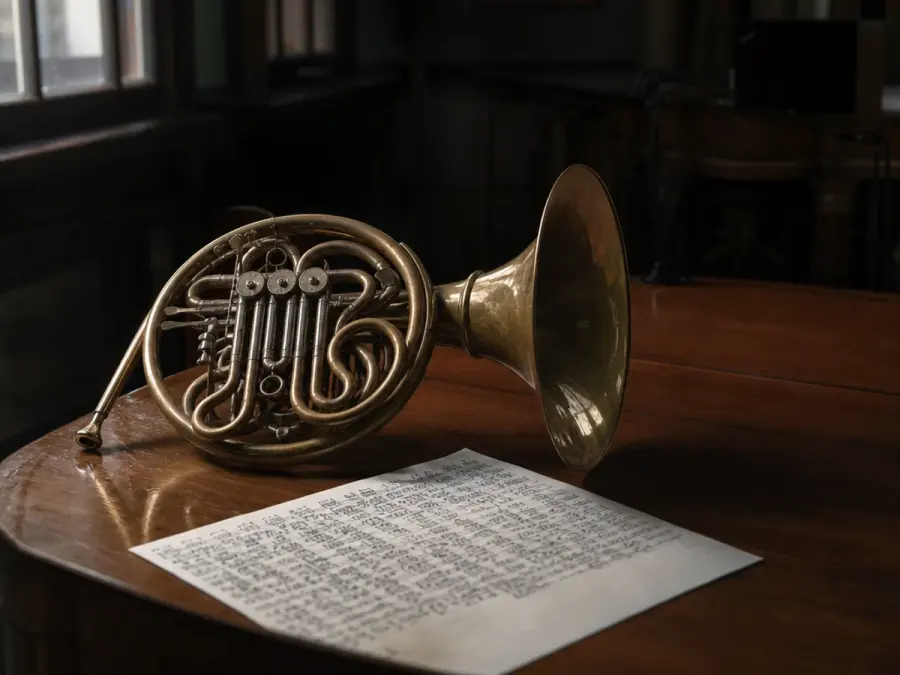
This 1966 masterpiece redefined the musical boundaries of the love song. Utilizing unconventional instruments like French horns, accordion, and sleigh bells, the complex arrangement mirrors the intricate nature of deep devotion.
The soaring vocal harmonies and vulnerable lead performance present a sophisticated, existential look at love, acknowledging a world where life is unimaginable without a partner.

A Masterclass in Understatement — A Masterclass in Understatement
Written by George Harrison, this 1969 track stands as one of the most celebrated love songs of the rock era. The song is anchored by a highly melodic, fluid bassline and a soaring guitar solo that acts as a second vocal.
Its enduring power lies in its honest, realistic portrayal of attraction, celebrating the mysterious, unspoken qualities that draw people together.

Smooth, Optimistic Commitment — Smooth, Optimistic Commitment
Released in 1971, this track defines the smooth, horn-driven sound of Memphis soul. Al Green's effortless falsetto and warm vocal delivery convey an optimistic dedication to enduring love through life's inevitable ups and downs.
The tight, understated rhythm section provides a steady groove that mirrors the steady, reassuring promise of long-term partnership expressed in the performance.

Innocent and Direct Affection — Innocent and Direct Affection
This 1970 ballad stands out for its charming sincerity and lack of pretense. Driven by a simple, elegant piano progression and accented by gentle strings, the arrangement allows the conversational vocal performance to take center stage.
It captures the endearing, slightly clumsy nature of trying to express deep feelings, making it universally relatable to anyone who has struggled to find the right words.

Bitter-Sweet, Selfless Farewell — Bitter-Sweet, Selfless Farewell
Written in 1973, Dolly Parton's original recording offers a poignant, acoustic-driven perspective on love defined by letting go. The gentle acoustic guitar and plaintive vocal delivery emphasize the selfless nature of the departure, wishing the best for a partner despite the pain of separation.
This understated arrangement highlights the emotional maturity and deep respect that can exist even at the end of a relationship.

The Definitive Romantic Duet — The Definitive Romantic Duet
This 1981 collaboration set the standard for dramatic pop duets. The arrangement builds from a quiet piano introduction into a sweeping orchestral climax, mirroring the intensifying emotion of the vocalists.
By trading verses and blending their voices in powerful harmony, the singers create a musical dialogue that symbolizes the complete unity and shared devotion of two equal partners.

Resilient, Unconditional Support — Resilient, Unconditional Support
Emerging from the vibrant 1980s pop scene, this ballad offers a comforting promise of enduring loyalty. Built on a delicate synthesizer foundation and a steady, rhythmic pulse, the song showcases a vulnerable, sincere vocal performance.
The arrangement avoids grand theatricality, focusing instead on the quiet, steady reassurance of being there for someone through every trial, cementing its status as a comforting classic.

A Soothing, Soulful Sanctuary — A Soothing, Soulful Sanctuary
Released in 2000, this track combines elements of soul, lovers rock, and gentle electronica to create a deeply comforting atmosphere. Sade's signature warm, smoky vocals deliver a message of unwavering protection and devotion.
The sparse, organic production and steady, hypnotic rhythm evoke a sense of safety and calm, offering a musical sanctuary for those seeking reassurance in troubled times.

Cinematic, Eternal Devotion — Cinematic, Eternal Devotion
This 2011 piano ballad captures a grand, cinematic sense of destiny. The sweeping string arrangements and slow, waltz-like tempo create a feeling of timeless movement.
The performance expresses a patient, enduring love that transcends time and fear, making it a modern staple for romantic ceremonies where couples pledge their lifelong commitment in front of family and friends.

Vulnerable, All-Encompassing Love — Vulnerable, All-Encompassing Love
Stripped of complex production, this 2013 hit relies entirely on a simple piano accompaniment and a raw, passionate vocal performance. The song explores the realities of a deep relationship, embracing both the flaws and strengths of a partner.
This honest, vulnerable approach to unconditional love struck a powerful chord worldwide, proving that simple, heartfelt delivery remains the most effective romantic tool.
Featured galleries







































































































































































































































































































































































































































































