12 Ways to Research Whether a Fashion Trend Is Actually Outdated
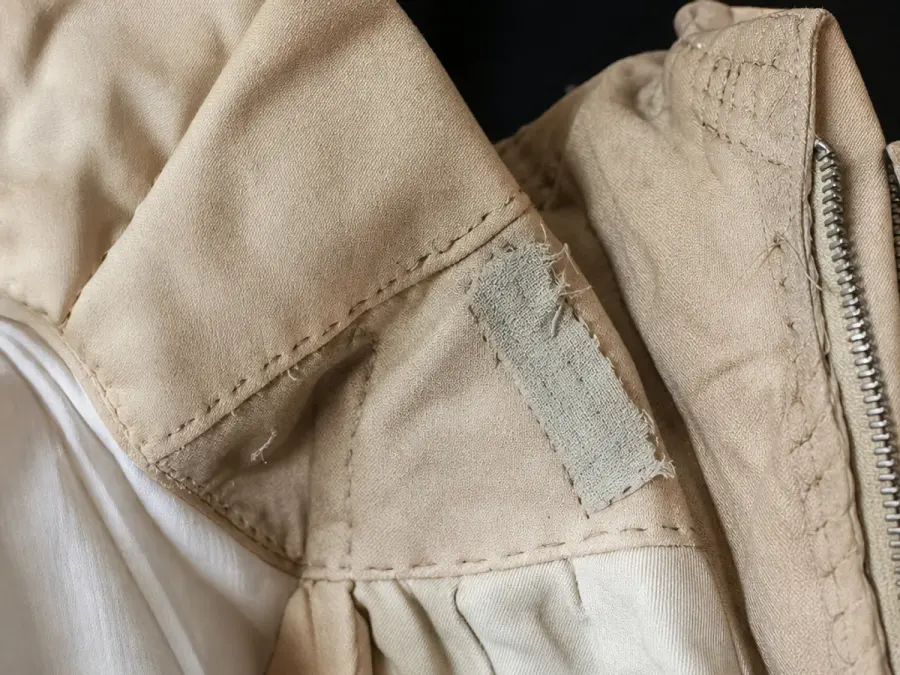
Identify Garment Names and Features — Identify Garment Names and Features
Start with the terms printed in the museum record instead of a broad trend label. Record the object name, maker, materials, and construction details exactly as the catalog presents them.
Then compare those documented features with the garment you are researching. Treat any proposed date as a working conclusion until several details agree.
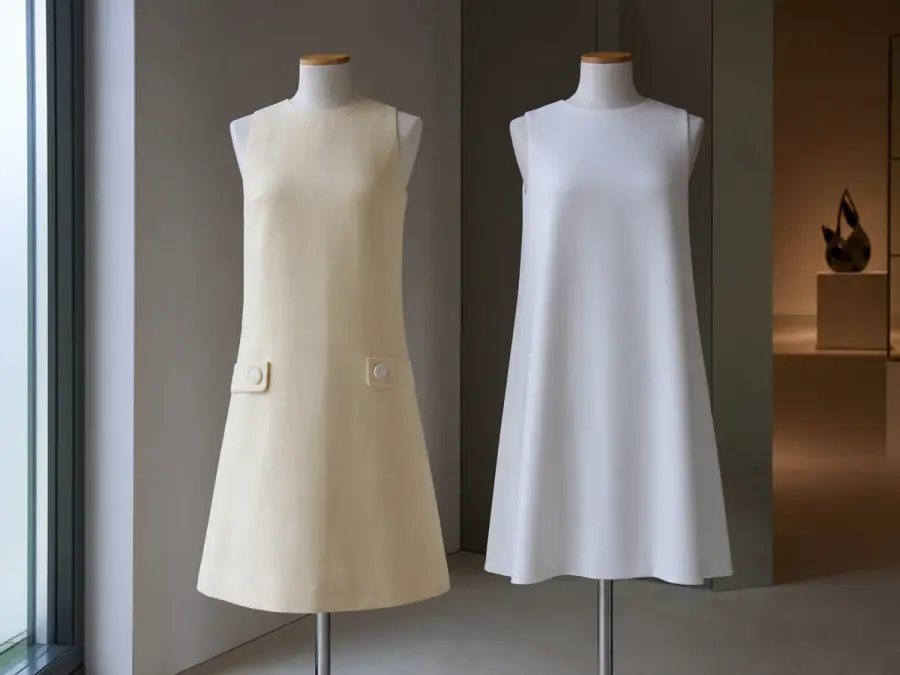
Distinguish Fads From Silhouettes — Distinguish Fads From Silhouettes
Separate a garment's documented design choices from a claim about whether it was a fad. Write down the exact time, place, and audience covered by each source.
Compare multiple dated examples before describing a pattern. If the evidence covers only one object or moment, present it as an example and leave the broader trend question open.
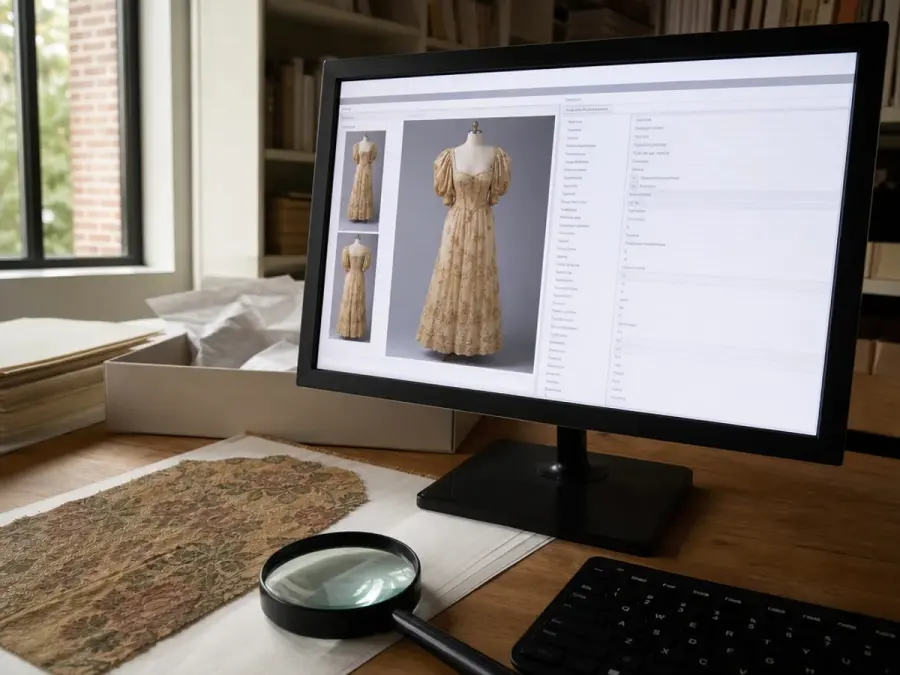
Consult Digital Collection Records — Consult Digital Collection Records
Use a specific catalog entry as an anchor for comparison. Save its title, identifier, descriptive fields, source link, and the date you accessed it.
Match each conclusion to the field that supports it. Do not extend one cataloged object's details to an unverified garment merely because the two look alike.
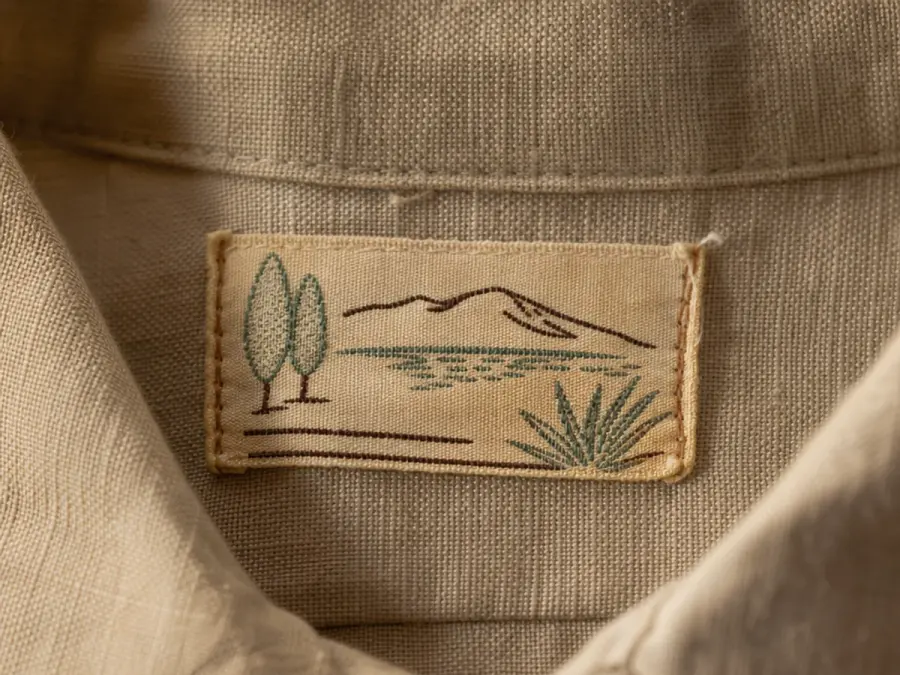
Trace Maker and Brand History — Trace Maker and Brand History
Check whether the record identifies a designer, maker, owner, or donor, because those roles are not interchangeable. Copy the role exactly rather than converting an association into authorship.
A label on another garment can be a useful lead, but it still needs provenance and construction evidence before it supports an attribution.
Analyze Materials and Textiles — Analyze Materials and Textiles
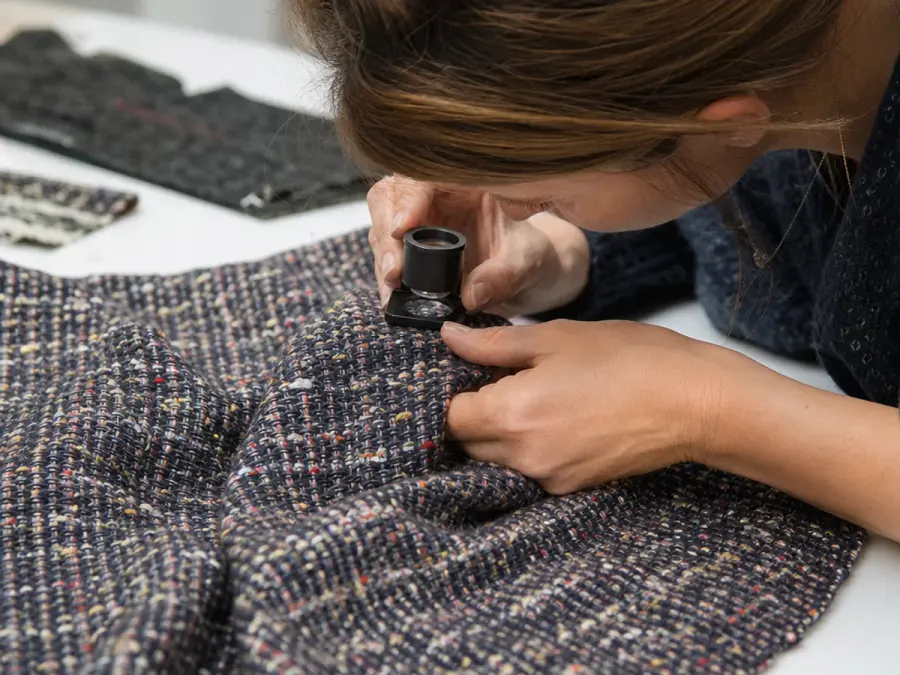
Transcribe materials and construction directly from the record before making comparisons. Note which details were documented by a cataloger and which you observed on the item in front of you.
Those two evidence sets can be compared, but they should not be merged. A similar appearance alone does not establish fiber content, maker, or date.
Compare Runway and Daily Wear — Compare Runway and Daily Wear
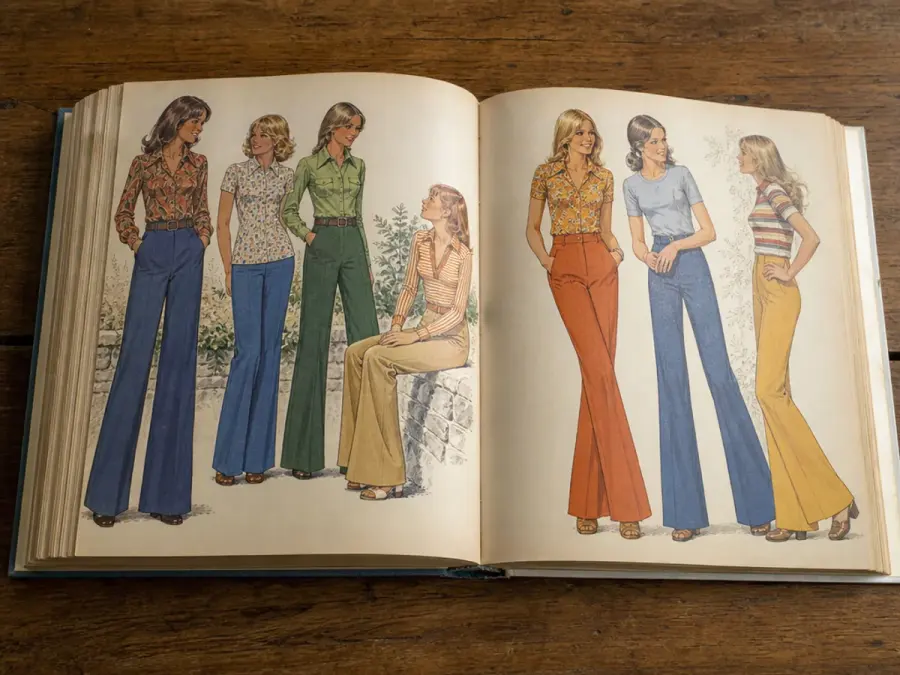
Keep designer history, museum interpretation, and everyday use as separate evidence categories.
A collection record can document a particular object's design and context, while family photos, store records, or oral histories may answer different questions about actual wear. Label each source type clearly rather than using one to stand in for the others.
Examine Regional Style Variations — Examine Regional Style Variations
Do not call a style obsolete everywhere based on one city, age group, or publication. Ask which community, place, and date the available evidence actually describes.
A museum object can anchor a documented example, but it cannot by itself establish current regional popularity. Mark that broader question unresolved unless suitable local evidence is available.
Track Historic Revivals — Track Historic Revivals
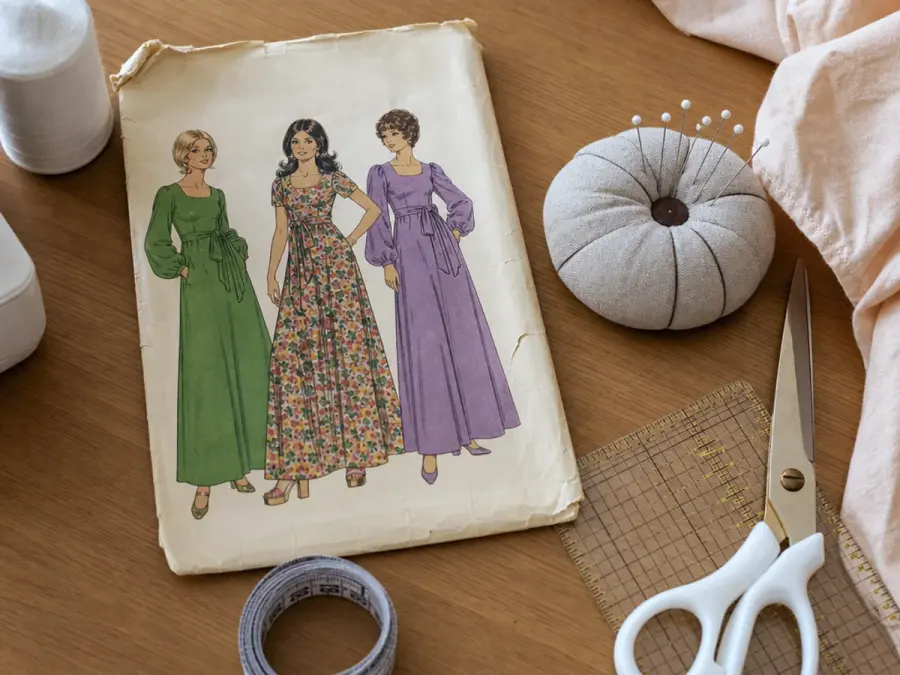
When comparing an older object with a later garment, list the matching and differing features. Use construction, materials, proportions, and maker information rather than visual resemblance alone.
Describe the later piece as a possible reference or reinterpretation unless a designer or reliable record documents the connection. This keeps a revival claim proportional to the evidence.
Inspect Alterations and Repairs — Inspect Alterations and Repairs
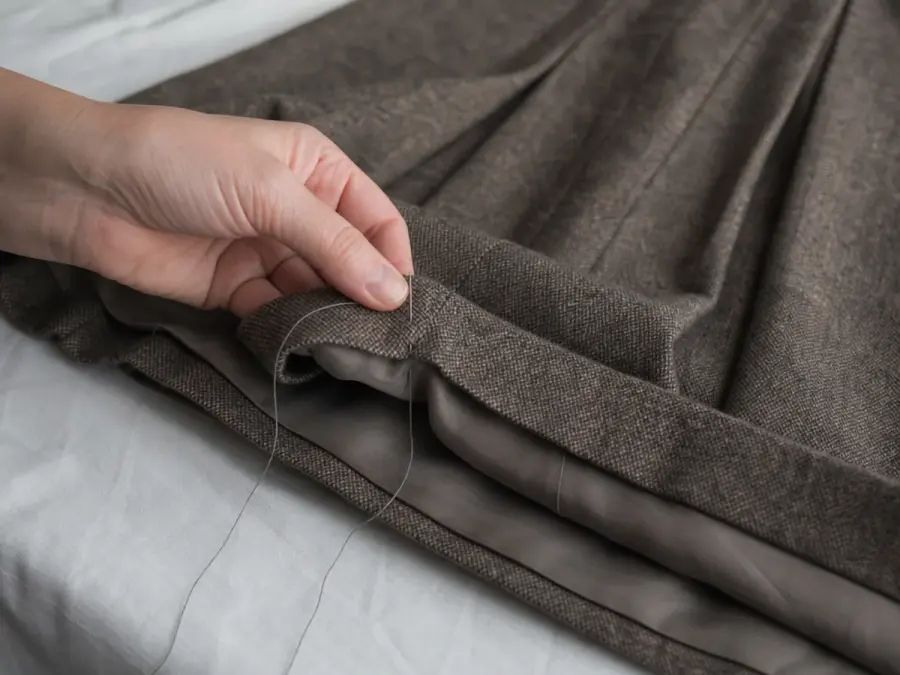
Alterations and wear can be useful evidence when they are observed directly. Photograph and describe seams, hems, repairs, fading, and replacement parts before treatment.
Keep observations separate from your interpretation of why a change was made. Consult a qualified textile conservator before changing a fragile or historically important garment.
Study Provenance and Context — Study Provenance and Context
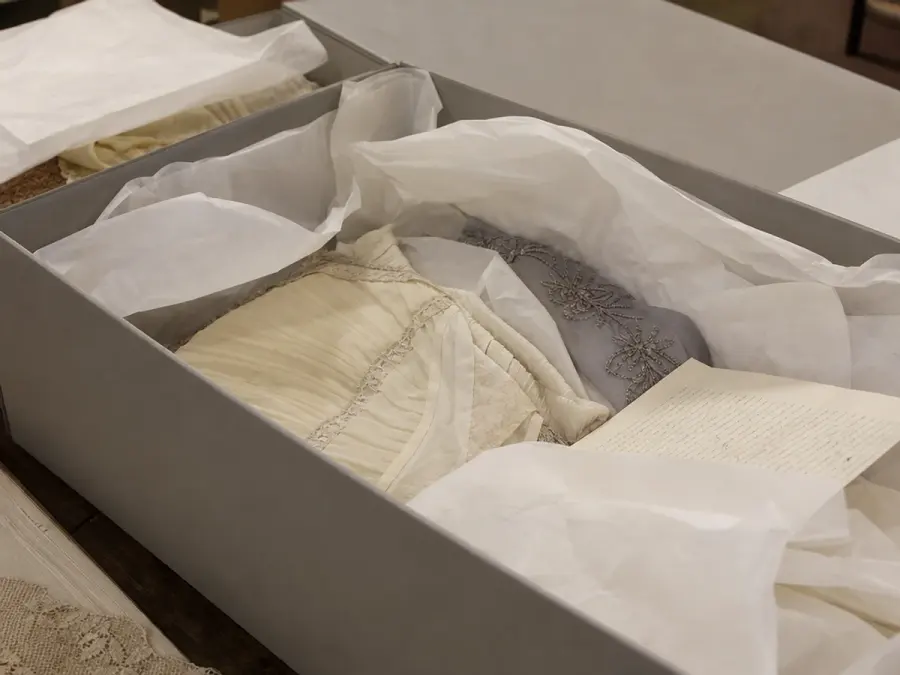
Build provenance from records tied to the particular object. Record the source, date, identifier, and exact relationship each document establishes.
Keep confirmed ownership, possible associations, and unanswered questions in separate notes. That structure prevents a plausible story from quietly becoming a stated fact.

Review Online Usage Conditions — Review Online Usage Conditions
Check the usage notice attached to the exact image or catalog record before republishing it. Record the credit line, rights statement, and any limits that apply to the intended use.
Obtain permission when the stated terms require it. Treat public visibility and permission for advertising as separate questions.
Balance Opinion and Historical Facts — Balance Opinion and Historical Facts
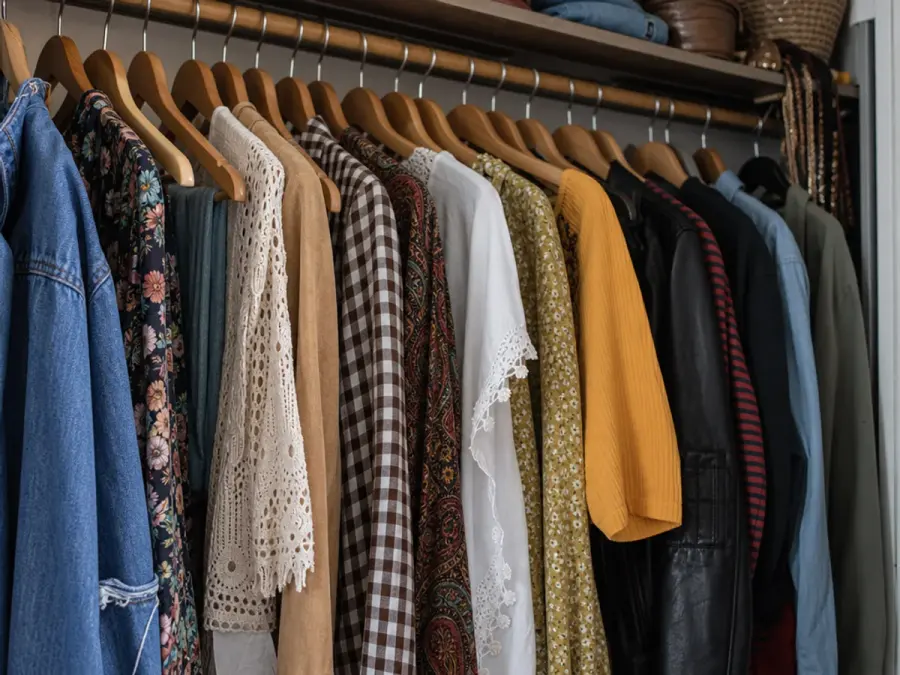
Present 'outdated' as a styling judgment, not a property proved by a museum record. Historical research can document who made an object, how it was constructed, and the context recorded for it.
It cannot decide what a reader should enjoy wearing today. Keep personal suggestions clearly labeled as opinion and preserve the factual record separately.
Featured galleries







































































































































































































































































































































































































































































