15 Documented Andre the Giant Stories Behind the Legend
He Was Born André René Roussimoff in France — He Was Born André René Roussimoff in France
Roussimoff was born in Coulommiers, France, in 1946 and grew up in a rural family. That grounded origin is more useful than claims that he appeared fully formed as a spectacle.
His later international persona was built through years of training, travel and deliberate promotion.
Acromegaly Shaped His Adult Body — Acromegaly Shaped His Adult Body
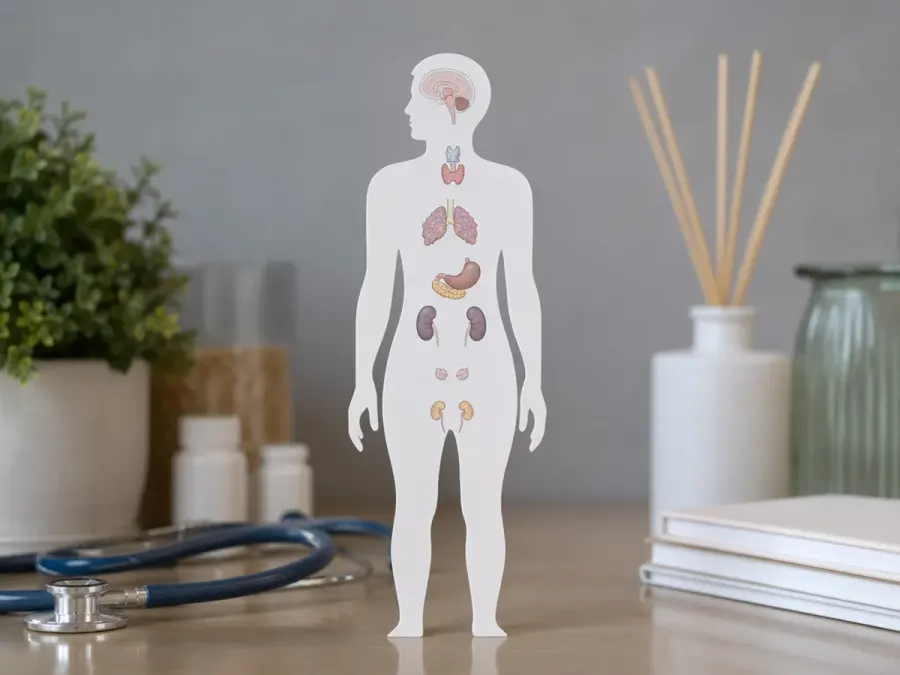
Roussimoff had acromegaly, a hormonal disorder associated with excess growth hormone. It contributed to his unusual size and serious health burdens.
The condition should not be reduced to a visual curiosity; it affected mobility, pain and lifespan. Modern diagnosis cannot be reconstructed from wrestling publicity photographs.

He Trained and Wrestled Before the Giant Name — He Trained and Wrestled Before the Giant Name
Before North American stardom, Roussimoff trained in France and worked under other ring names in European and international promotions.
That apprenticeship matters: extraordinary stature attracted attention, but safe performance with many opponents required timing, stamina and professional trust developed over years.
Japan Was an Important Career Chapter — Japan Was an Important Career Chapter
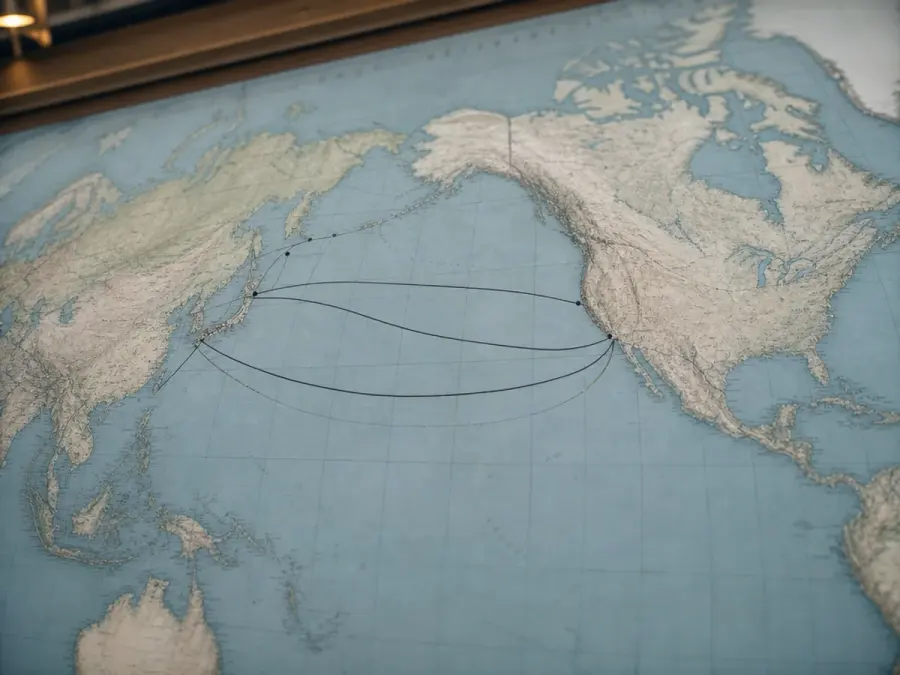
Roussimoff wrestled in Japan from 1970 and returned across his career, broadening his experience beyond one American promotion.
International tours required different opponents, rings and audiences. S. television appearances understate the work behind the attraction.
The Andre the Giant Persona Arrived in North America — The Andre the Giant Persona Arrived in North America
WWE history credits promoter Vincent J. McMahon with presenting Roussimoff as Andre the Giant in the 1970s. Booking him as a traveling special attraction preserved novelty across territories.
The strategy turned geographic movement into storytelling: audiences saw a rare visitor rather than an ordinary weekly roster member.
Billed Measurements Were Part of the Presentation — Billed Measurements Were Part of the Presentation
Wrestling materials famously billed Andre at seven feet four inches and more than 500 pounds at points in his career.
Those figures belong to the promoted character and may not match independent measurements at every date. Labeling them as billed preserves the historical record without pretending promotion was clinical measurement.
The Long Undefeated Story Was Promotional, Not Literal — The Long Undefeated Story Was Promotional, Not Literal
WWE often described Andre as undefeated for roughly 15 years before WrestleMania III. Wrestling historians document losses and non-televised results that complicate a literal reading.
The stronger truth is that promoters protected his aura for years, making any visible defeat feel unusually important.
Big John Studd Made Size the Story — Big John Studd Made Size the Story
Andre's feud with Big John Studd turned bodily scale into a direct contest, culminating in the WrestleMania I body-slam challenge. The match concept was simple enough to read from the back row.
It also shows professional wrestling's craft: a familiar physical action became meaningful because promotion made it seem nearly impossible.
WrestleMania III Created the Defining Image — WrestleMania III Created the Defining Image
Andre challenged Hulk Hogan at WrestleMania III in 1987, and Hogan's late-match body slam became one of wrestling's most replayed moments.
WWE promoted a Silverdome attendance of 93,173; later analyses dispute the paid total. The event's cultural impact does not require pretending attendance debates are settled.
He Did Become WWE Champion—Very Briefly — He Did Become WWE Champion—Very Briefly
Andre defeated Hogan for the WWE Championship on February 5, 1988, in a storyline involving twin referees.
He then attempted to transfer the title to Ted DiBiase, and the championship was declared vacant. WWE records the reign as the shortest in the title's history.

The Princess Bride Expanded His Audience — The Princess Bride Expanded His Audience
Roussimoff played Fezzik in the 1987 film The Princess Bride. The role let his warmth and timing reach viewers who never watched wrestling.
Quoting the movie is unnecessary: his screen legacy can be discussed through performance, cast credits and the contrast between intimidating scale and gentle comic presence.
Travel Was a Constant Physical Problem — Travel Was a Constant Physical Problem
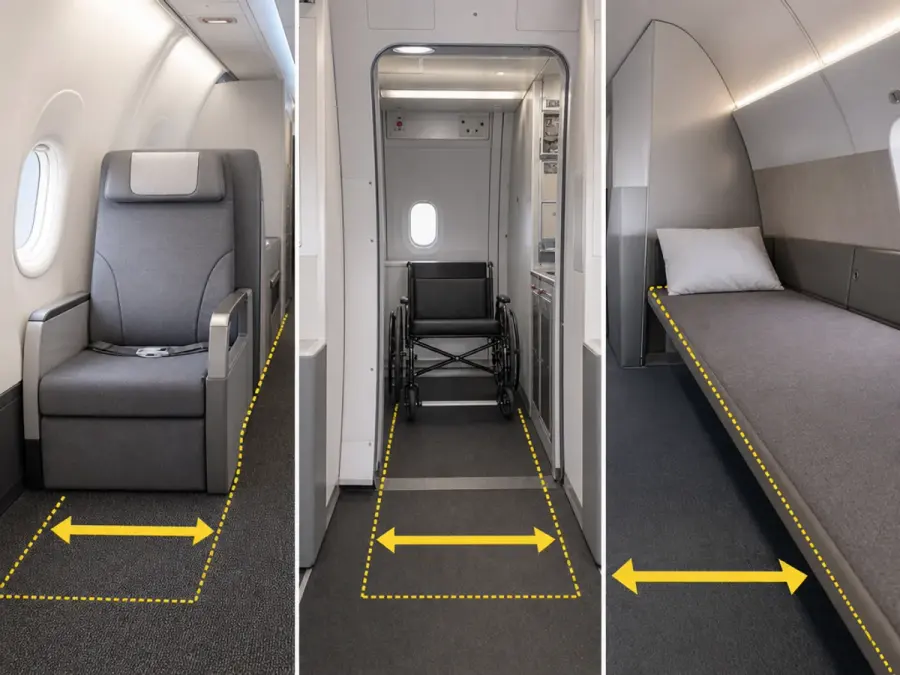
Airplanes, cars, hotel rooms and ordinary furniture were rarely designed for Roussimoff's size.
Colleagues' stories about accommodations vary in detail, but the broad accessibility issue is credible and important. It reframes giantism from audience spectacle to a daily built-environment barrier.

Reported Drinking Tales Need Caution — Reported Drinking Tales Need Caution
Stories about Andre's alcohol consumption have become a genre of their own, often growing through repetition.
Some come from named colleagues, but exact quantities are difficult to verify and can obscure pain, isolation and health. A responsible profile acknowledges the folklore without ranking or celebrating dangerous consumption.
He Died in Paris in 1993 — He Died in Paris in 1993
Roussimoff died in Paris in January 1993 at age 46. Sources report congestive heart failure. The fact belongs in a career account without lurid detail or retrospective diagnosis.
His death also ended a physically demanding career shaped by a condition for which modern treatment now offers more options.
He Was the First WWE Hall of Fame Inductee — He Was the First WWE Hall of Fame Inductee
WWE created its Hall of Fame in 1993 and named Andre its first inductee. The annual Andre the Giant Memorial Battle Royal later extended the institutional tribute.
Those honors confirm his position in company history, while documentary work has helped audiences see the person and labor behind the promoted giant.
Featured galleries







































































































































































































































































































































































































































































