Best Agatha Christie Books
15. The Secret Adversary (1922) — Tommy and Tuppence — 15. The Secret Adversary (1922) — Tommy and Tuppence
Start here when you want velocity rather than a sealed-room puzzle. Christie's second novel introduces Tommy and Tuppence through youthful improvisation and postwar intrigue.
The tone is lighter and more adventurous than the classic country-house cases, which makes it a useful reminder of how wide her range already was.
14. The Hollow (1946) — Hercule Poirot — 14. The Hollow (1946) — Hercule Poirot
This country-house novel is especially rewarding for readers who prefer emotional entanglements to mechanical fireworks. Poirot arrives amid a tightly connected circle whose relationships matter as much as physical evidence.
Its slower social observation earns a lower entry-friendliness score, but the atmosphere becomes richer with patient reading.
13. The Pale Horse (1961) — Standalone featuring Ariadne Oliver — 13. The Pale Horse (1961) — Standalone featuring Ariadne Oliver
Choose this for a later-period standalone that initially appears to flirt with the supernatural. Mark Easterbrook drives the inquiry, while Ariadne Oliver appears without serving as the lead investigator.
The pleasure comes from watching ordinary inquiry test an atmosphere designed to feel uncanny. Its distance from the standard Poirot or Marple formula makes it a strong change of pace.
12. After the Funeral (1953) — Hercule Poirot — 12. After the Funeral (1953) — Hercule Poirot
An inheritance, a family gathering, and one destabilizing remark give this novel an efficient classic setup. The case rewards attention to how relatives speak and perform grief around one another.
It is an approachable mid-career Poirot, though its measured opening makes it better for readers who enjoy suspicion spreading gradually.
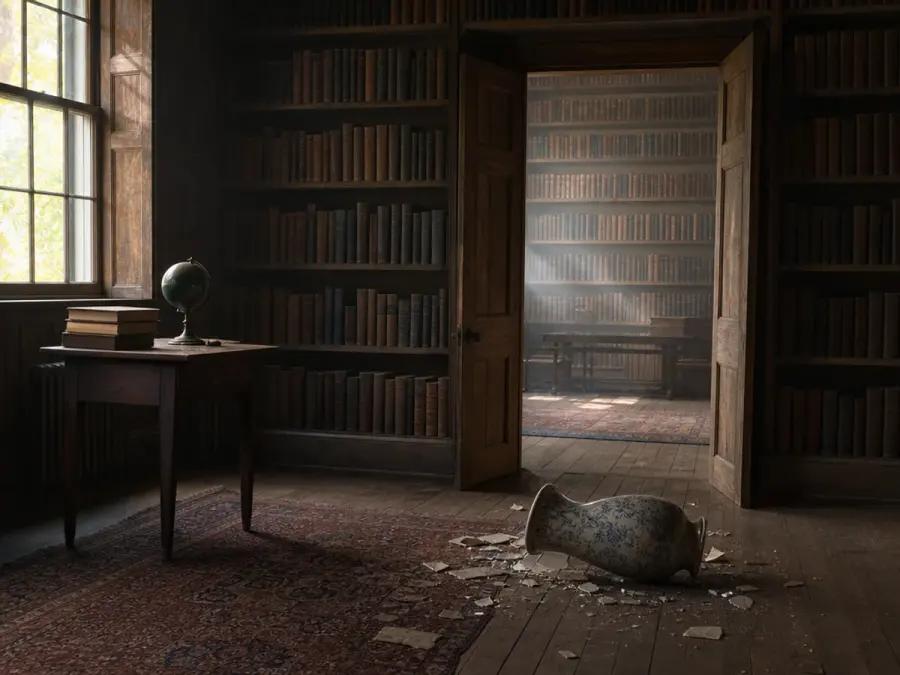
11. The Body in the Library (1942) — Miss Marple — 11. The Body in the Library (1942) — Miss Marple
The deliberately sensational opening lets Christie examine what happens when scandal invades a respectable household.
Miss Marple's strength is social pattern recognition, and this case shows it clearly without requiring prior series knowledge. It ranks just outside the top ten because later Marple novels give the village network more room.

10. Peril at End House (1932) — Hercule Poirot — 10. Peril at End House (1932) — Hercule Poirot
Repeated narrow escapes pull Poirot into a coastal case that moves with unusual urgency.
The premise is easy to grasp, the suspect circle stays manageable, and the physical setting helps readers hold the clues in place. It is an excellent early Poirot after one of the better-known masterpieces.

9. Endless Night (1967) — Standalone — 9. Endless Night (1967) — Standalone
This late standalone trades the familiar detective framework for an intimate, uneasy voice and a dream of building a perfect home.
Readers who like psychological suspense may place it much higher. It lands ninth here because its deliberate mood and perspective are less typical as a first Christie experience.
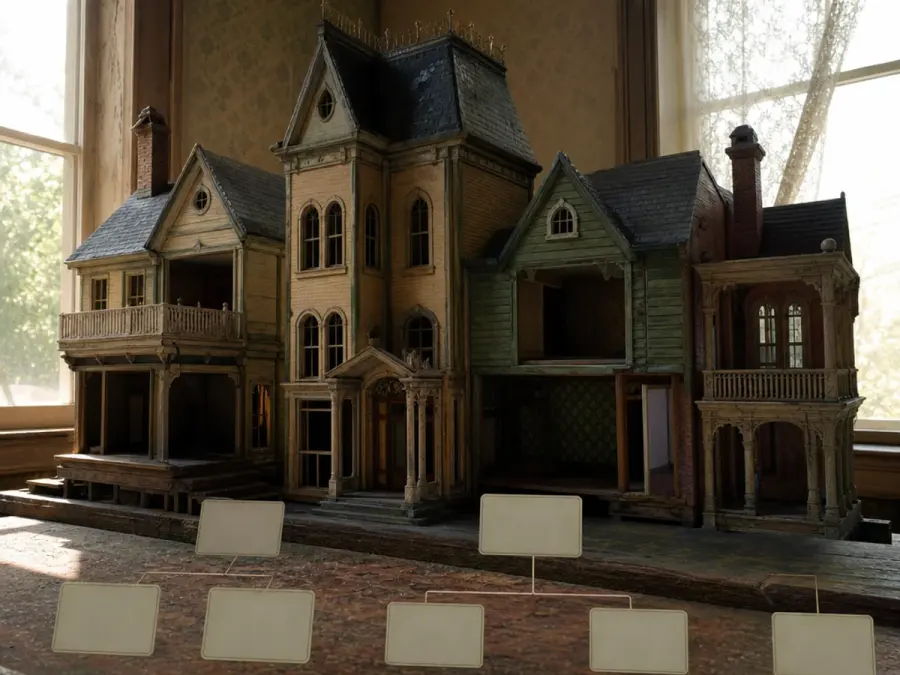
8. Crooked House (1949) — Standalone — 8. Crooked House (1949) — Standalone
A sprawling household turns the family itself into the puzzle. With no famous series detective to steady the investigation, the novel feels more exposed and unpredictable.
Its strength is the pressure created by generations living together; the safest reading advice is simply to avoid spoilers and watch how loyalties shift.
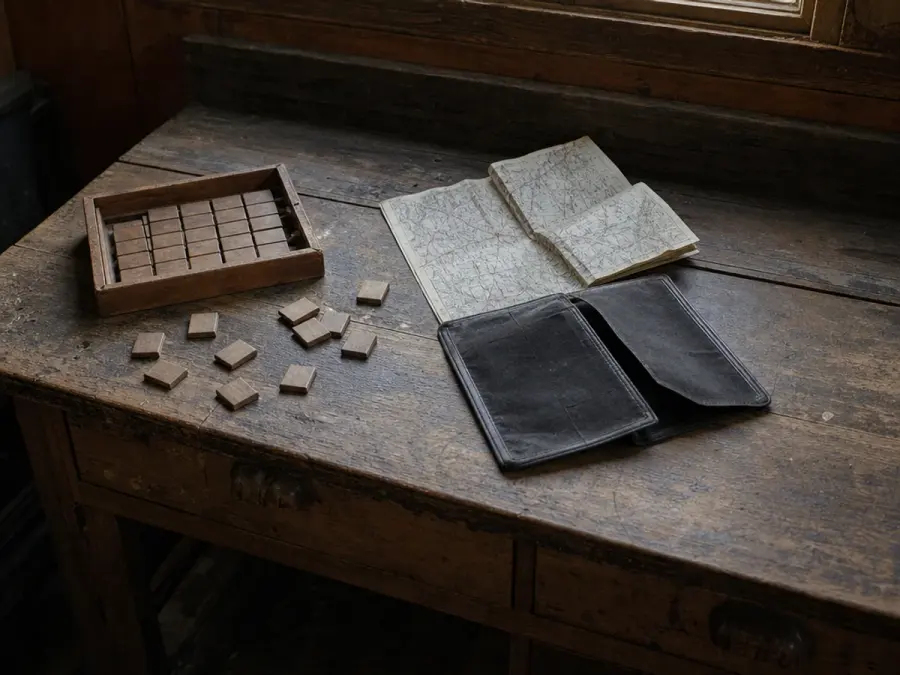
7. The ABC Murders (1936) — Hercule Poirot — 7. The ABC Murders (1936) — Hercule Poirot
The apparent nationwide pattern gives this Poirot novel a larger canvas and sharper forward drive than many drawing-room mysteries.
Christie alternates perspectives while asking whether a neat sequence can distract from human detail. It is highly accessible, though the premise is darker than the most comfortable entry points.
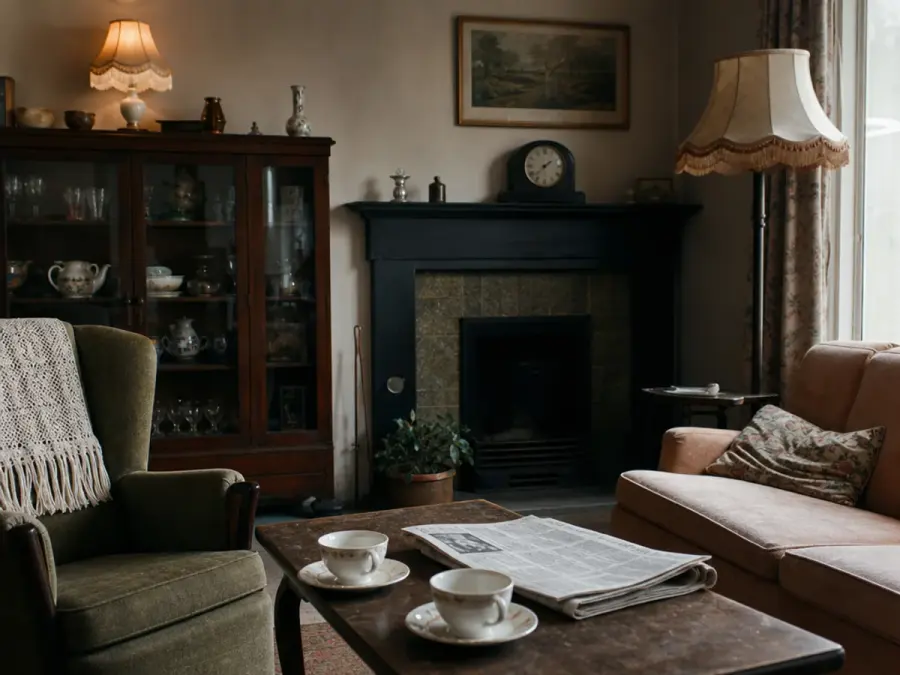
6. A Murder Is Announced (1950) — Miss Marple — 6. A Murder Is Announced (1950) — Miss Marple
A village newspaper notice turns curiosity into a social trap, making this one of the cleanest Marple setups.
The book rewards close attention to names, memory, and the unsettled life of a postwar community. It balances a playful invitation with genuine unease, making it a strong first Marple.

5. Death on the Nile (1937) — Hercule Poirot — 5. Death on the Nile (1937) — Hercule Poirot
A confined journey, shifting alliances, and a vivid travel setting give this Poirot case unusual scale. The river cruise is never merely scenery; it narrows movement while keeping relationships in constant view.
Readers who enjoy motive and emotional pressure may prefer it even to the train-bound classic above it.

4. Five Little Pigs (1942) — Hercule Poirot — 4. Five Little Pigs (1942) — Hercule Poirot
Poirot investigates a case long after the original events, relying on memories that overlap without matching perfectly. That retrospective structure makes the novel especially satisfying on reread.
It ranks high for puzzle craft and character perspective, though the reflective pace asks more patience than the top three.
3. The Murder of Roger Ackroyd (1926) — Hercule Poirot — 3. The Murder of Roger Ackroyd (1926) — Hercule Poirot
This village case is best approached with as little advance knowledge as possible. Its apparent calm allows Christie to control attention with remarkable precision, while Poirot's temporary retirement gives the familiar detective a slightly altered setting.
It is foundational, clever, and unusually rewarding to revisit after the solution is known.

2. Murder on the Orient Express (1934) — Hercule Poirot — 2. Murder on the Orient Express (1934) — Hercule Poirot
A snowbound train creates one of mystery fiction's most efficient closed worlds. Distinct passengers, limited movement, and Poirot's orderly interviews make the investigation easy to follow without making it simple.
It is arguably the best first Christie, missing the top spot only because its fame can make spoiler avoidance difficult.

1. And Then There Were None (1939) — Standalone — 1. And Then There Were None (1939) — Standalone
Ten strangers isolated from the mainland create a pressure chamber that requires no series background. The premise is immediate, the structure relentless, and the atmosphere distinct from both Poirot and Marple.
It tops this reading guide for combining accessibility with formidable construction, provided the reader can begin completely unspoiled.
Featured galleries







































































































































































































































































































































































































































































