14 Essential Eighties Songs, Ranked as a Listening Map
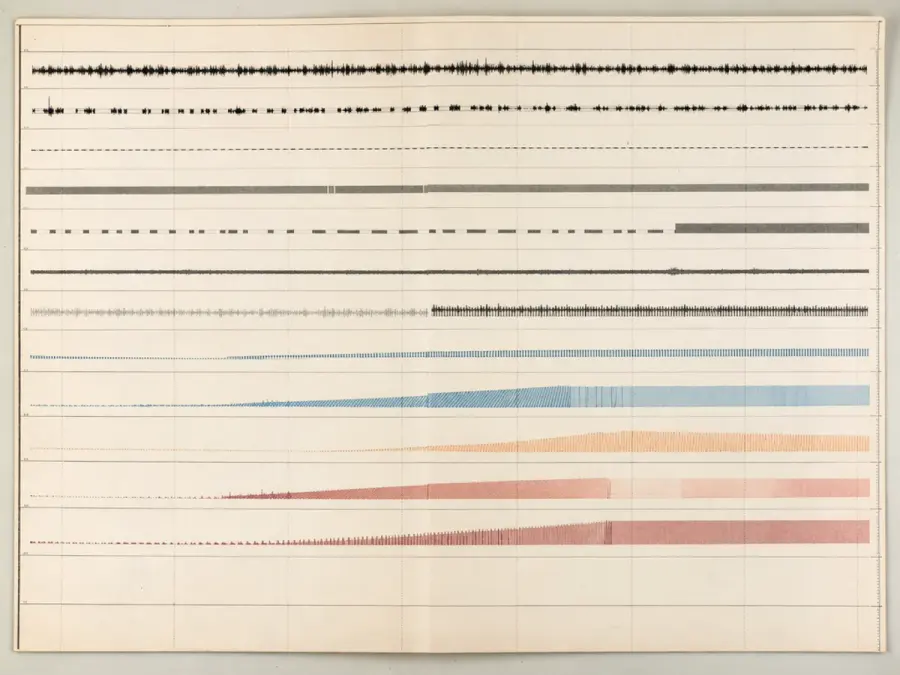
The Eighties Were Not One Sound — The Eighties Were Not One Sound
Gated drums and synthesizers mattered, but so did rap's recorded expansion, post-punk texture, metal precision, country storytelling, and studio-built pop.
Our list favors songs that open different doors into 1980s music. The sequence is editorial, not a sales chart or fan poll.
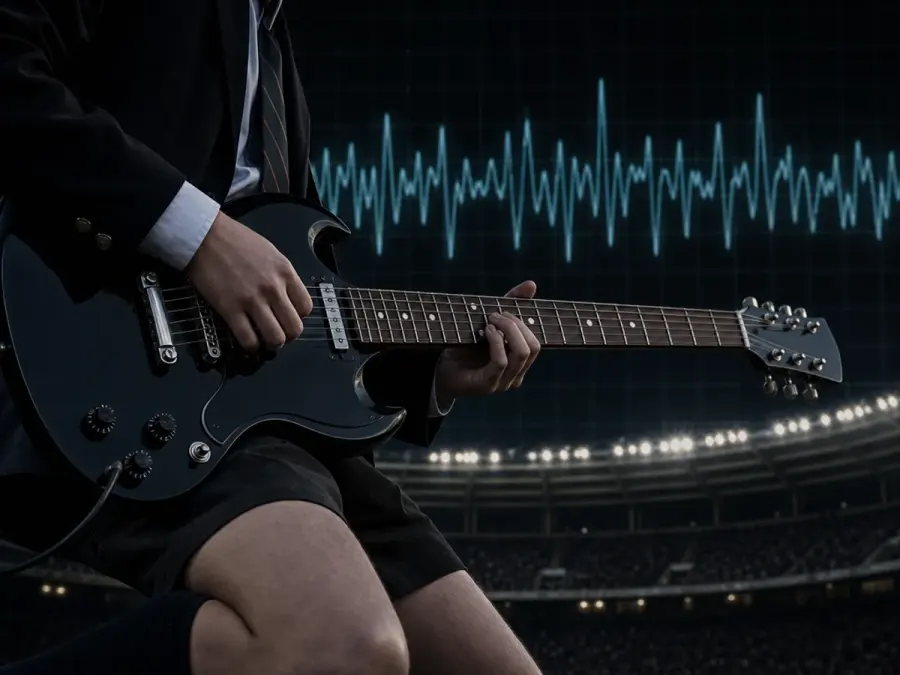
14. You Shook Me All Night Long — AC/DC — 14. You Shook Me All Night Long — AC/DC
A lean guitar riff, steady backbeat, and economical arrangement make this an efficient doorway into 1980s hard rock.
It starts the ranking because the style is narrower than entries ahead, but its clarity demonstrates how little ornament a durable arena record needs.
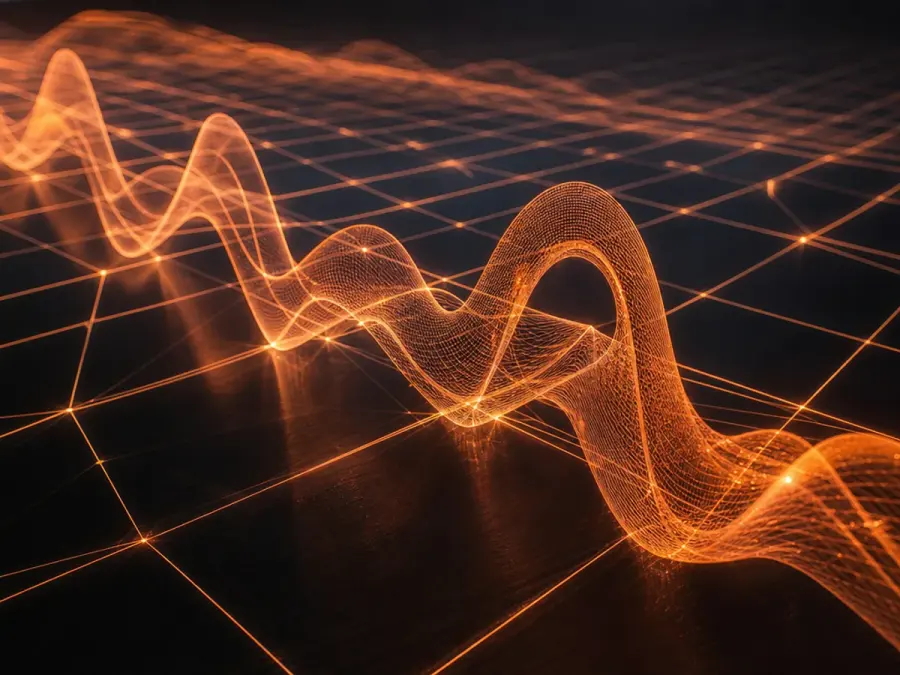
13. Sweet Dreams (Are Made of This) — Eurythmics — 13. Sweet Dreams (Are Made of This) — Eurythmics
A repeating synth figure and cool vocal performance create an entire world from limited materials. Thirteenth rewards electronic identity and durability.
The visual brief avoids the duo's famous video costumes and imagery, proving the recording can inspire a fresh abstract treatment.

12. With or Without You — U2 — 12. With or Without You — U2
A slowly accumulating bass, guitar texture, and vocal rise turn restraint into arena scale. It ranks twelfth for dynamic architecture.
We separate the public recording from the band's larger image and avoid copying concert staging, album photography, or protected lines.

11. Fast Car — Tracy Chapman — 11. Fast Car — Tracy Chapman
Acoustic motion and precise narrative pacing give “Fast Car” extraordinary forward pull without dense production. Eleventh recognizes songwriting and performance that endured beyond its decade.
The visual uses an abstract road waveform rather than illustrating characters or treating the song as autobiography.
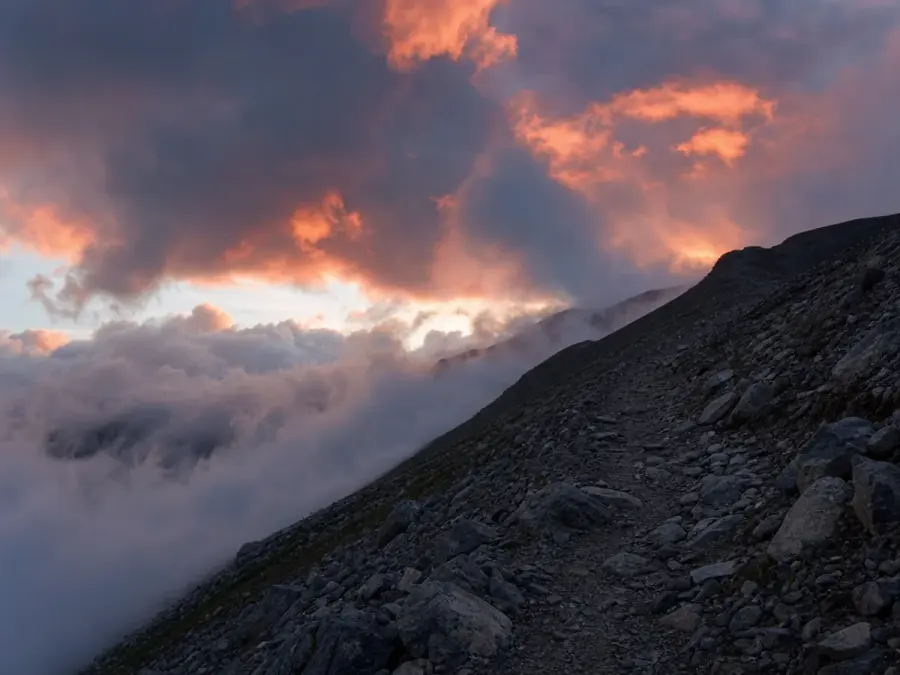
10. Running Up That Hill — Kate Bush — 10. Running Up That Hill — Kate Bush
The driving drum pattern, layered synths, and unusual melodic shape made this a singular 1985 recording before later discovery cycles expanded its audience.
It enters the top ten for sonic identity and durability. We avoid recreating its dance-focused video.
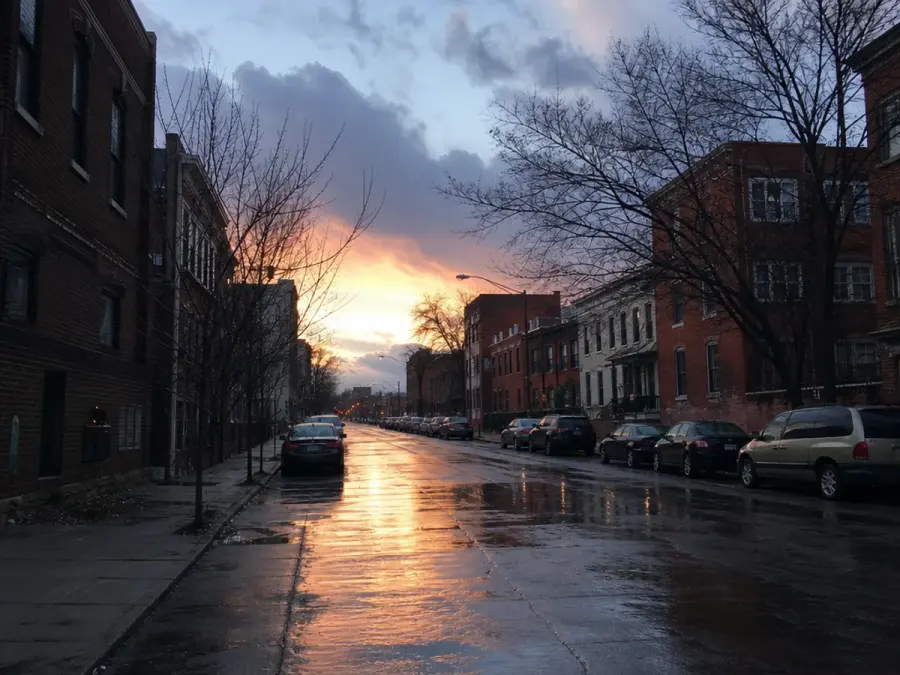
9. The Message — Grandmaster Flash and the Furious Five — 9. The Message — Grandmaster Flash and the Furious Five
A stark groove and social reporting expanded what a widely heard rap single could address. Ninth reflects foundational influence and recording economy.
Library of Congress preservation recognizes historical significance; our rank adds cross-genre comparison without reproducing any lines.
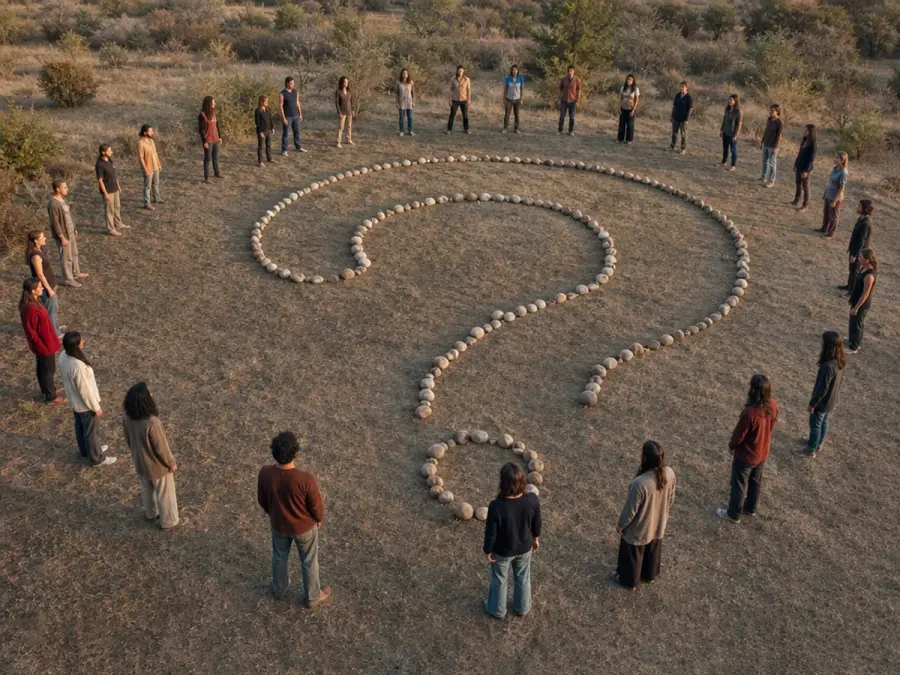
8. Once in a Lifetime — Talking Heads — 8. Once in a Lifetime — Talking Heads
Interlocking rhythms, spoken-sung performance, and a circular arrangement make repetition feel like discovery.
Eighth rewards musical construction and a uniquely questioning tone. The visual stays far from David Byrne's recognizable suit, gestures, and the official video's choreography.
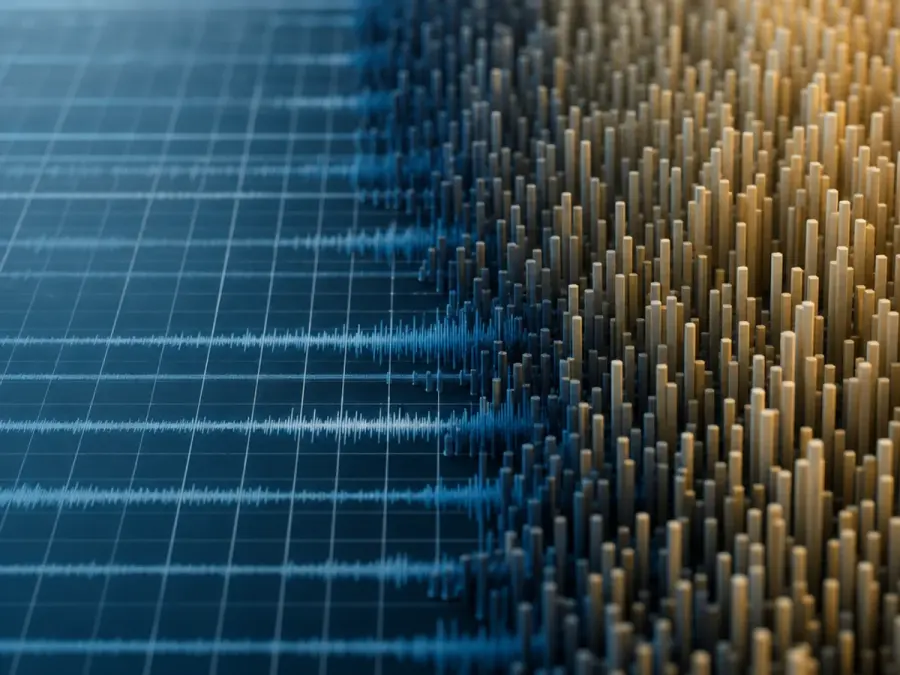
7. Fight the Power — Public Enemy — 7. Fight the Power — Public Enemy
Dense production, forceful group energy, and direct political argument make this a defining late-1980s rap recording.
Seventh recognizes sound and public function. We do not quote the song or reuse protest, film, neighborhood, or group imagery in the proposed card.
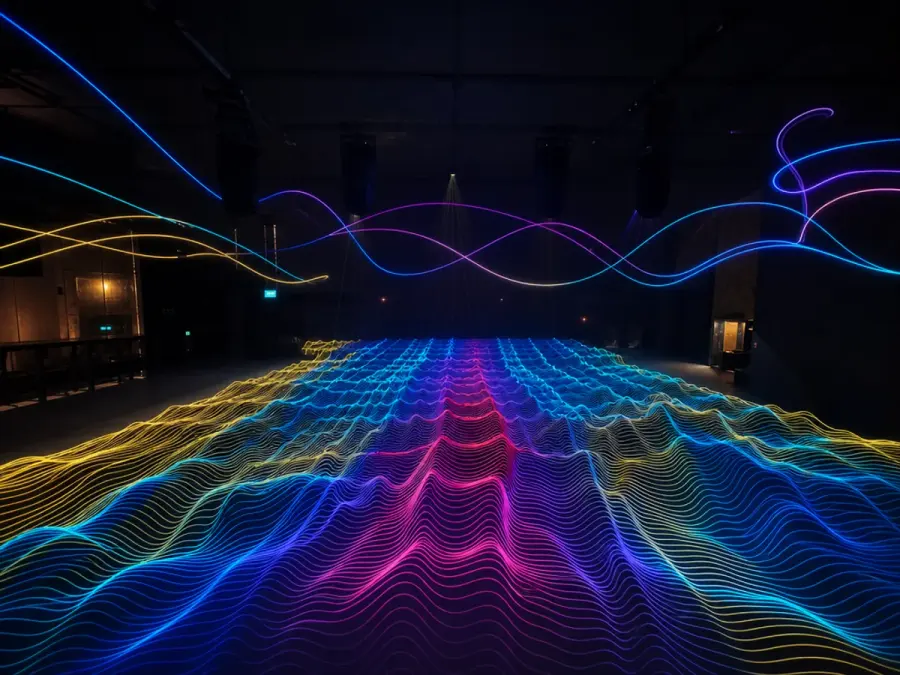
6. I Wanna Dance with Somebody — Whitney Houston — 6. I Wanna Dance with Somebody — Whitney Houston
A brilliant vocal, bright synth arrangement, and unstoppable rhythmic lift turn a straightforward invitation into precision pop.
Sixth rewards performance and arrangement working in perfect alignment. The visual avoids Houston's likeness, wardrobe, and the familiar music-video color palette.
5. Every Breath You Take — The Police — 5. Every Breath You Take — The Police
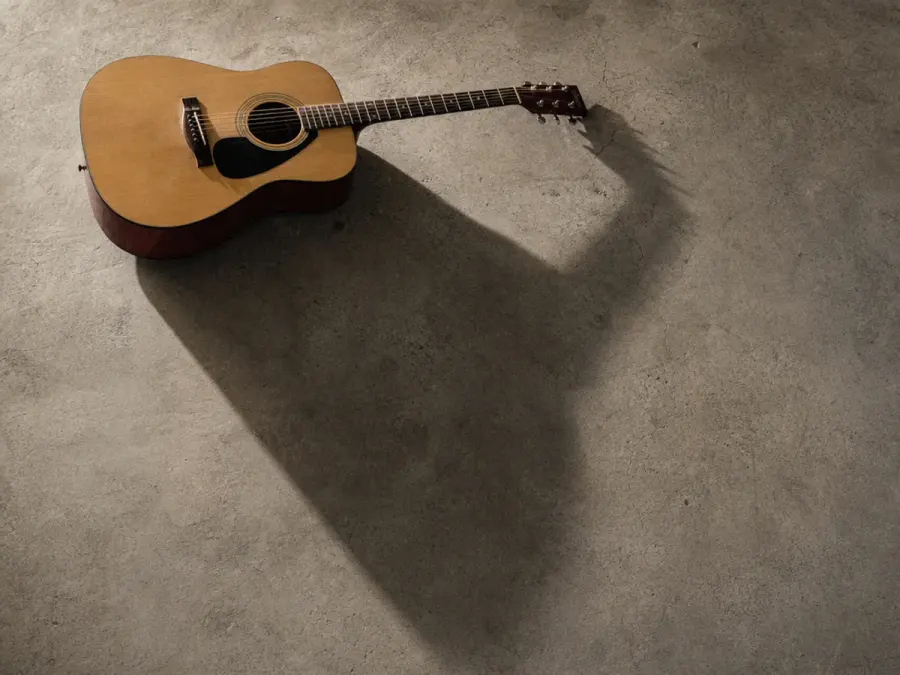
A deceptively smooth guitar pattern supports a perspective far more uneasy than the production initially suggests.
Fifth rewards tension between sound and narrative stance. The gallery does not romanticize surveillance, quote lyrics, or recreate the monochrome video.
4. Like a Prayer — Madonna — 4. Like a Prayer — Madonna
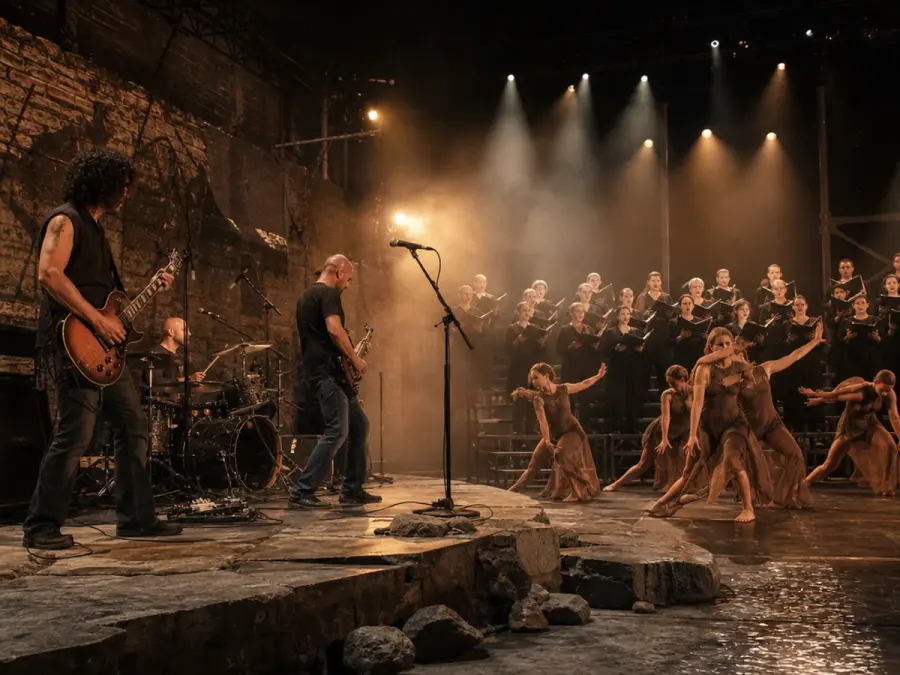
Rock guitar, gospel choir, dance-pop structure, and a dramatic vocal create one of the decade's boldest mainstream fusions.
Fourth rewards musical architecture and public impact. The image uses abstract sound layers, not religious tableaux or the controversial video.
3. When Doves Cry — Prince — 3. When Doves Cry — Prince
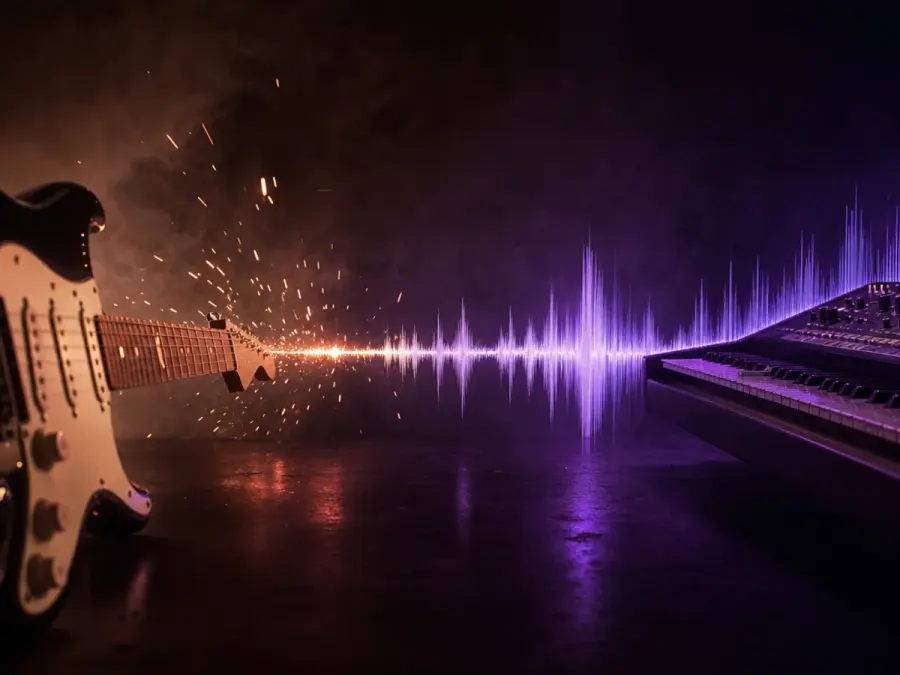
A famously spare low end, sharp guitar, synthesizer, and emotionally exposed vocal make this record sound unlike its pop peers.
Third reflects radical arrangement choices inside a blockbuster song. The visual omits doves, Prince's likeness, film imagery, symbol, and cover art.
2. Billie Jean — Michael Jackson — 2. Billie Jean — Michael Jackson
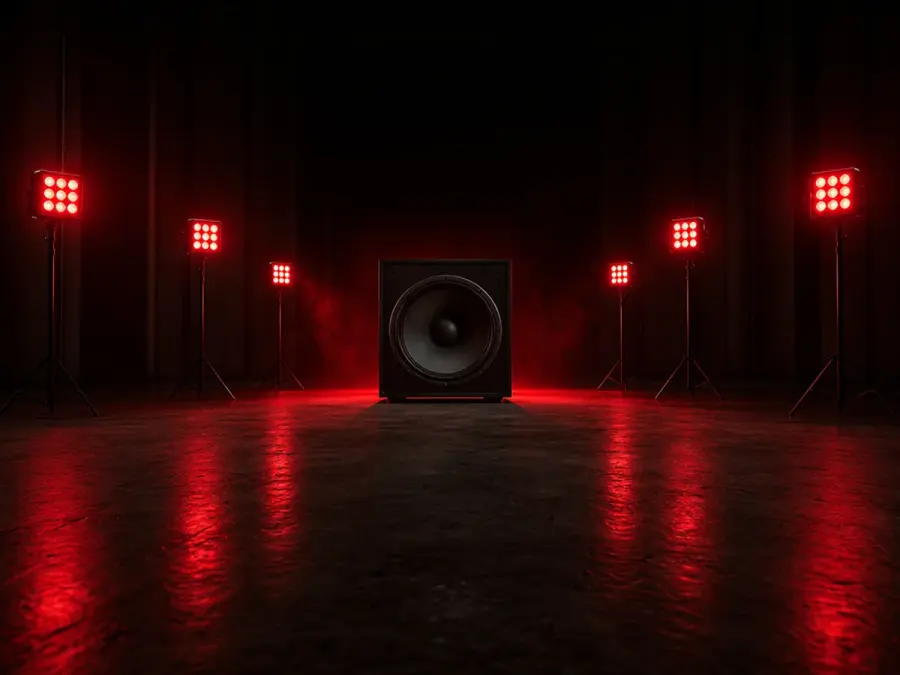
Bass line, drum precision, vocal detail, and studio space give “Billie Jean” an instantly legible identity. Second rewards recording craft and global durability.
Our image deliberately avoids Jackson's likeness, glove, hat, illuminated pavement, choreography, album art, and video frames.
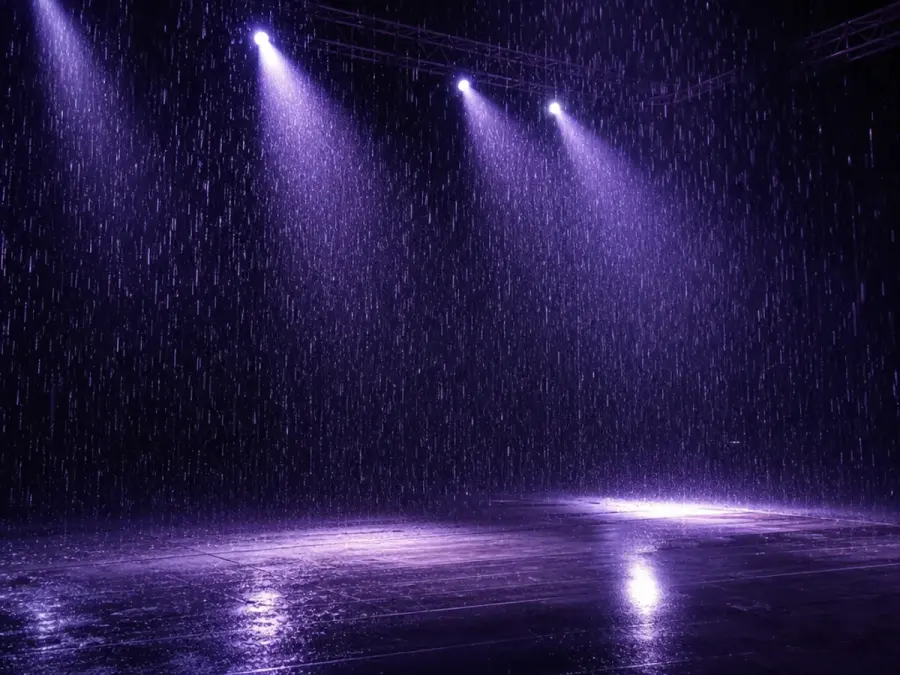
1. Purple Rain — Prince and the Revolution — 1. Purple Rain — Prince and the Revolution
Our top choice joins rock, soul, gospel-scale release, live-band drama, and pop accessibility in one gradually expanding performance.
It best summarizes the decade's appetite for genre fusion and spectacle while remaining musically complete. First place is editorial, not a sales claim.
Featured galleries







































































































































































































































































































































































































































































