Best Free Android Games

Genshin Impact — Expansive Exploration on Capable Phones — Genshin Impact — Expansive Exploration on Capable Phones
Genshin offers an unusually large exploration world and action party system for a free installation, but it asks a great deal from storage, battery, and hardware.
Its character acquisition includes optional randomized purchases, so it works best when a player sets a budget before entering. Check the current device requirements and download size first.
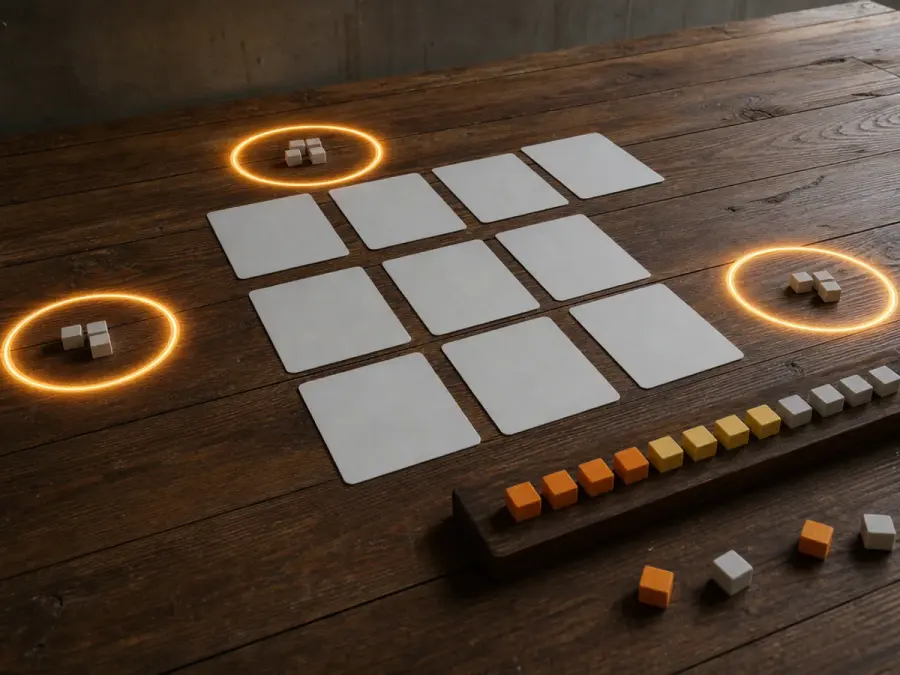
Marvel Snap — Deep Decisions in Short Matches — Marvel Snap — Deep Decisions in Short Matches
Marvel Snap compresses deck strategy into brief rounds with a wager-like snap mechanic that makes retreating as meaningful as pressing an advantage.
The small deck size helps new players learn quickly, though collection progression and paid offers deserve attention. It is the strongest fit here for competitive thinkers who want a complete match during a short break.
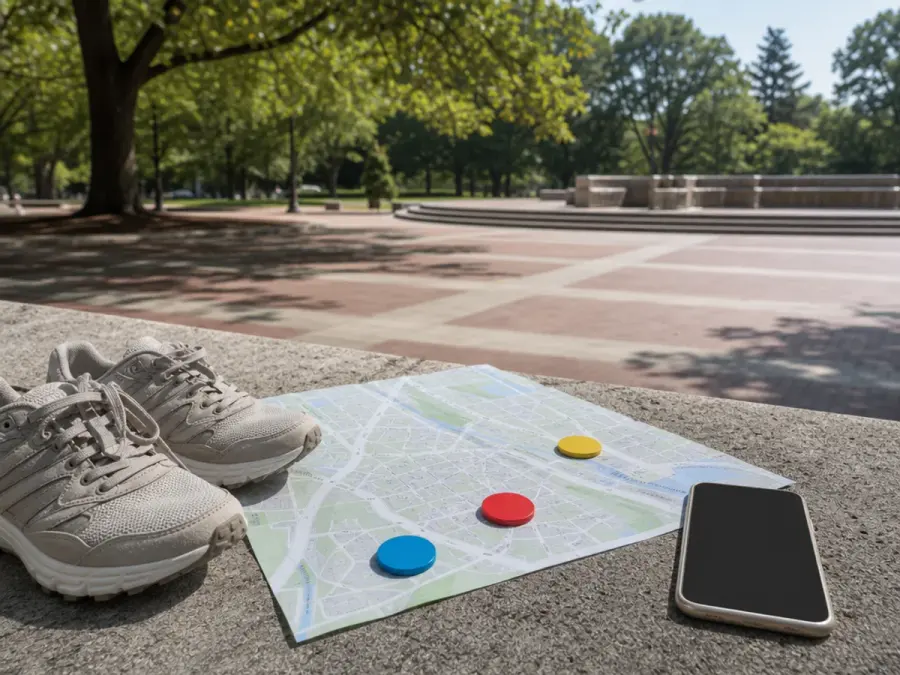
Pokémon GO — Walking as the Core Input — Pokémon GO — Walking as the Core Input
Pokémon GO makes physical movement, place, and recurring community events part of the play loop.
That creates a social experience a stationary game cannot reproduce, but it also raises practical concerns: remain aware of traffic and surroundings, respect private property, and review location permissions. Features and event availability vary, so the official live listing matters.

Roblox — A Platform, Not One Game — Roblox — A Platform, Not One Game
Roblox belongs here because the Android app opens a vast catalog of user-created experiences rather than one fixed campaign. That breadth can support social play, building, role-play, or obstacle courses, but quality and monetization differ sharply between experiences.
Families should use official parental controls, age guidance, communication settings, and spending restrictions before play.
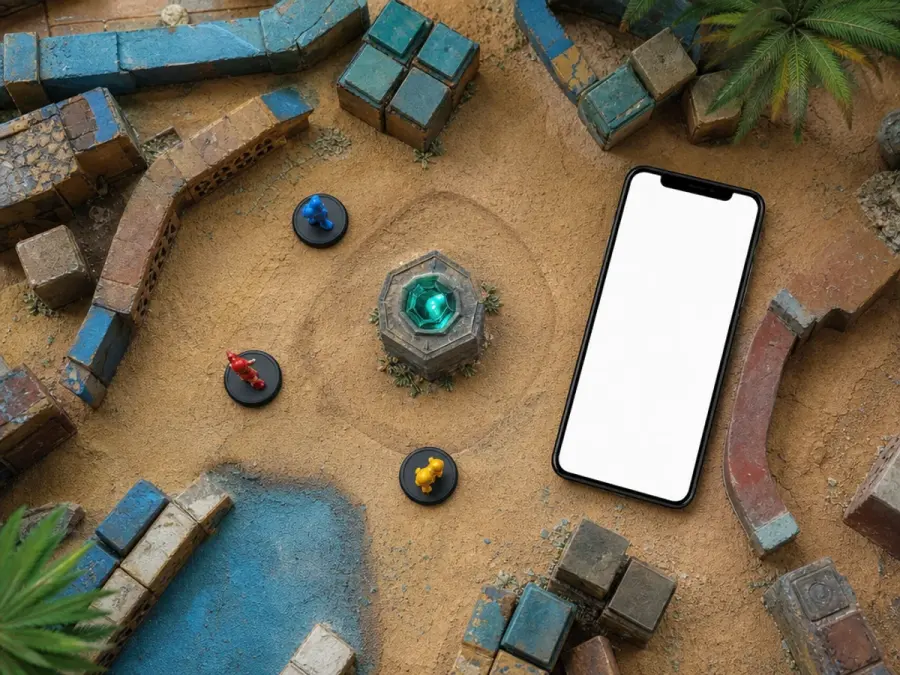
Brawl Stars — Compact Team Action — Brawl Stars — Compact Team Action
Brawl Stars fits touch screens through short matches, readable arenas, and distinct roles that can be understood without a long tutorial.
Its rotating modes keep sessions varied, while progression and paid cosmetics can encourage frequent return. The game is best for players who enjoy quick competitive loops and can treat unlocks as optional rather than obligations.
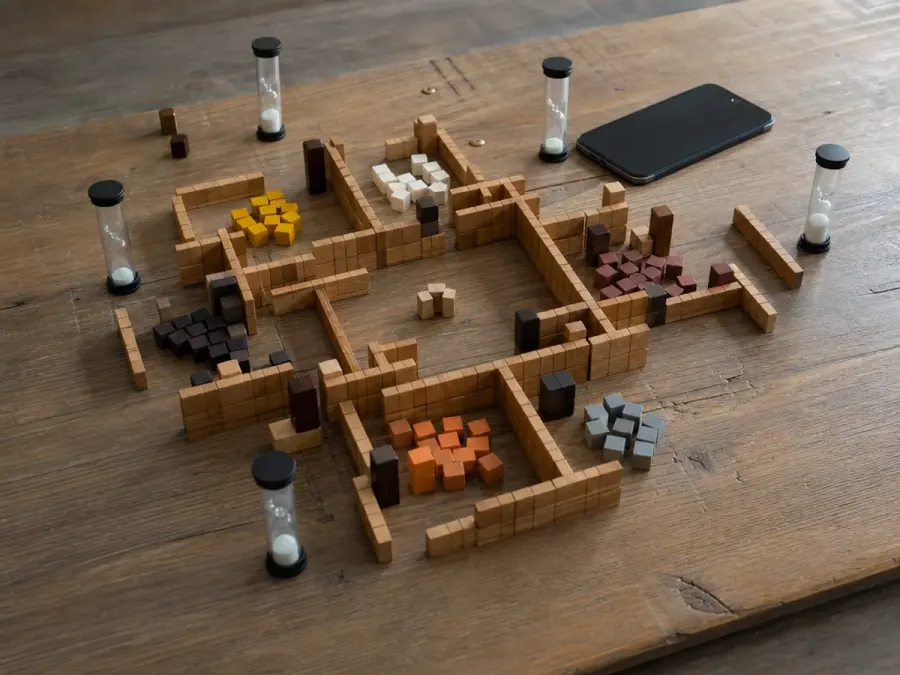
Clash of Clans — Long-Term Planning in Small Visits — Clash of Clans — Long-Term Planning in Small Visits
Clash of Clans turns base layout, upgrade timing, and group coordination into a routine of short check-ins. Its longevity comes from overlapping goals rather than one endpoint.
The same timers that make it easy to leave can also invite spending to accelerate progress, so patient play and purchase controls are more important than racing every upgrade.

Sky: Children of the Light — Cooperative Calm — Sky: Children of the Light — Cooperative Calm
Sky emphasizes movement, shared gestures, and wordless cooperation more than competition. Its open spaces and seasonal structure encourage repeated visits, yet the emotional center is helping strangers navigate or discover something together.
It is a good fit for players seeking gentler online interaction, provided they still review account, chat, and purchase settings.

Vampire Survivors — One-Thumb Escalation — Vampire Survivors — One-Thumb Escalation
Vampire Survivors reduces movement to a simple input while automated attacks, item combinations, and growing enemy density create the decisions.
That makes it unusually comfortable on a phone without making it passive. Runs can stretch longer than expected, so it is better for a settled commute or couch session than a two-minute line.
Call of Duty: Mobile — Full-Scale Shooter Controls — Call of Duty: Mobile — Full-Scale Shooter Controls
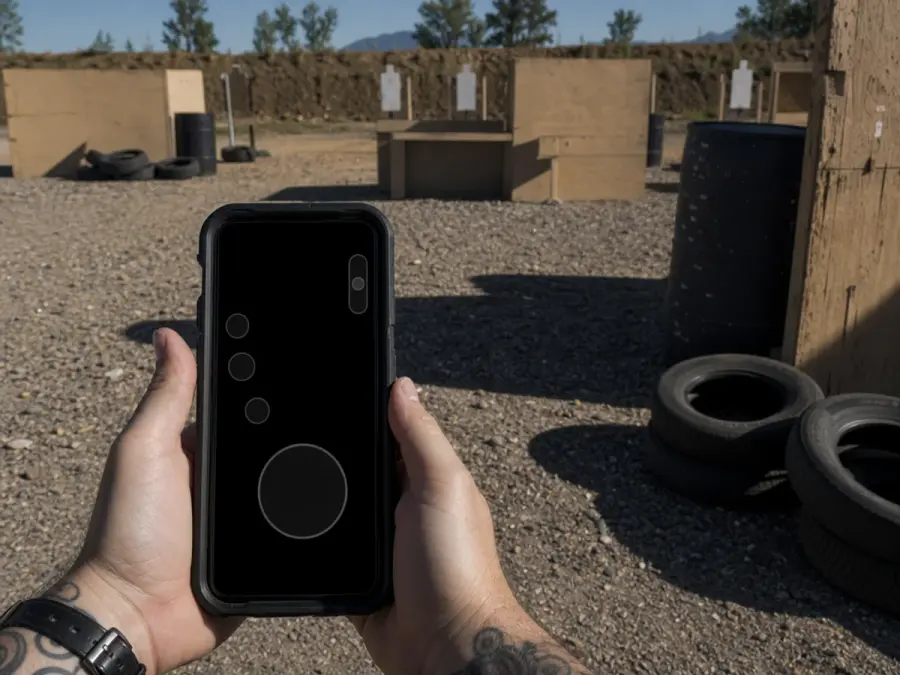
Call of Duty: Mobile is notable for fitting familiar multiplayer shooter modes onto touch controls with extensive sensitivity and layout options.
It also carries a dense live-service shell, large downloads, and optional purchases. Choose it when competitive action matters more than simplicity, and budget time for updates plus control tuning before judging the first match.
Pokémon TCG Pocket — Collecting With a Lighter Match Rhythm — Pokémon TCG Pocket — Collecting With a Lighter Match Rhythm
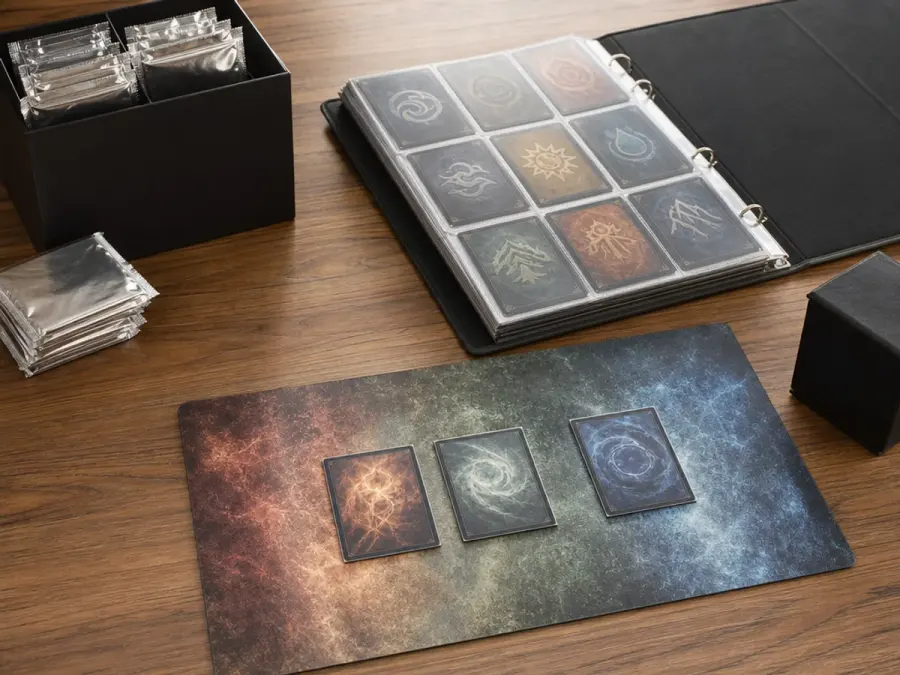
Pokémon TCG Pocket focuses on opening digital packs, arranging a collection, and playing a streamlined card format.
The pleasure can lean as much toward collecting and presentation as competition, which makes spending boundaries essential around randomized pack access. Treat the free daily flow as the baseline and verify current offer mechanics in the official listing.
Honkai: Star Rail — Turn-Based Spectacle — Honkai: Star Rail — Turn-Based Spectacle
Honkai: Star Rail pairs turn-based team combat with large story chapters and polished presentation, making it friendlier to touch play than action systems requiring constant camera control.
The tradeoffs are storage, online dependence, and randomized character acquisition. It suits players who enjoy planning team synergies and can separate story progress from collection pressure.

Rocket League Sideswipe — Soccer Rebuilt for a Small Screen — Rocket League Sideswipe — Soccer Rebuilt for a Small Screen
Sideswipe translates car soccer into a side-on format that keeps aerial timing and positional judgment while reducing camera complexity. Matches are short and the controls communicate quickly, but mastery still has room to grow.
It is a strong free option for players who want mechanical competition without the larger download and viewpoint demands of full console play.

Subway Surfers — The Reliable Endless Sprint — Subway Surfers — The Reliable Endless Sprint
Subway Surfers remains easy to understand because swipes map directly to dodging, changing lanes, and jumping.
Its endless structure is ideal for very short sessions, though ads, events, and upgrade currencies can make the surrounding interface busier than the run itself. It works best when the player values immediate motion over narrative progression.

The Battle Cats — Silly Surface, Serious Timing — The Battle Cats — Silly Surface, Serious Timing
The Battle Cats uses an intentionally simple side view and absurd unit ideas to hide a gradually demanding economy-and-timing game. Early stages are approachable, while later progression asks for planning and repeated collection.
Its humor makes repetition easier to accept, but players should still review ads and in-app offers rather than assuming the cartoon presentation means friction-free play.

DATA WING — A Focused Free Campaign — DATA WING — A Focused Free Campaign
DATA WING is the outlier here: a compact neon racing game built around momentum, wall-riding, and an authored story rather than a perpetual content calendar.
Its clean touch controls make the phone feel native to the design. It is a useful recommendation for anyone tired of daily tasks and looking for a finite experience.
Featured galleries







































































































































































































































































































































































































































































