Best Selling Books of All Time

Don Quixote — The Problem of Counting a Classic — Don Quixote — The Problem of Counting a Classic
Don Quixote appears in nearly every best-seller conversation, but centuries of editions and public-domain printing make a modern audited unit total impossible.
Its inclusion is more defensible as a statement of unmatched circulation and adaptation than a precise rank. The novel's enduring appeal lies in the friction between imagined heroism and stubborn material reality.

A Tale of Two Cities — Public-Domain Reach Beyond Retail — A Tale of Two Cities — Public-Domain Reach Beyond Retail
Dickens's historical novel is often assigned enormous sales estimates, yet public-domain reprints, school editions, and territorial reporting prevent one clean ledger.
Treat it as an exceptionally circulated classic, not a provable chart winner. Its paired cities and repeated sacrifices create forward momentum even when the book pauses for panoramic social judgment.

The Little Prince — Small Form, Global Passage — The Little Prince — Small Form, Global Passage
The Little Prince travels easily across ages and languages because its fable-like episodes can be read simply while its questions about care, loss, and attention deepen with age.
Rights-holder and publisher claims establish immense global reach, but translation and edition totals change. This gallery values that continuing passage between children's and adult shelves.

The Lord of the Rings — One Work, Many Sales Conventions — The Lord of the Rings — One Work, Many Sales Conventions
The Lord of the Rings can be sold as three volumes, one volume, boxed sets, or part of wider Tolkien packages, making unit comparisons especially unstable.
Its reach is nevertheless documented across generations. The work earns continued readers through linguistic depth, moral seriousness, fellowship, and a landscape where history feels older than the plot.

Harry Potter and the Philosopher's Stone — A Series Begins — Harry Potter and the Philosopher's Stone — A Series Begins
The first Harry Potter novel has both its own vast sales history and the amplified reach of a seven-book series, films, translations, and later editions.
Those categories should remain separate. As an opening volume, its craft is invitation: an ordinary viewpoint discovers rules, rooms, friendships, and dangers at the same pace as the reader.
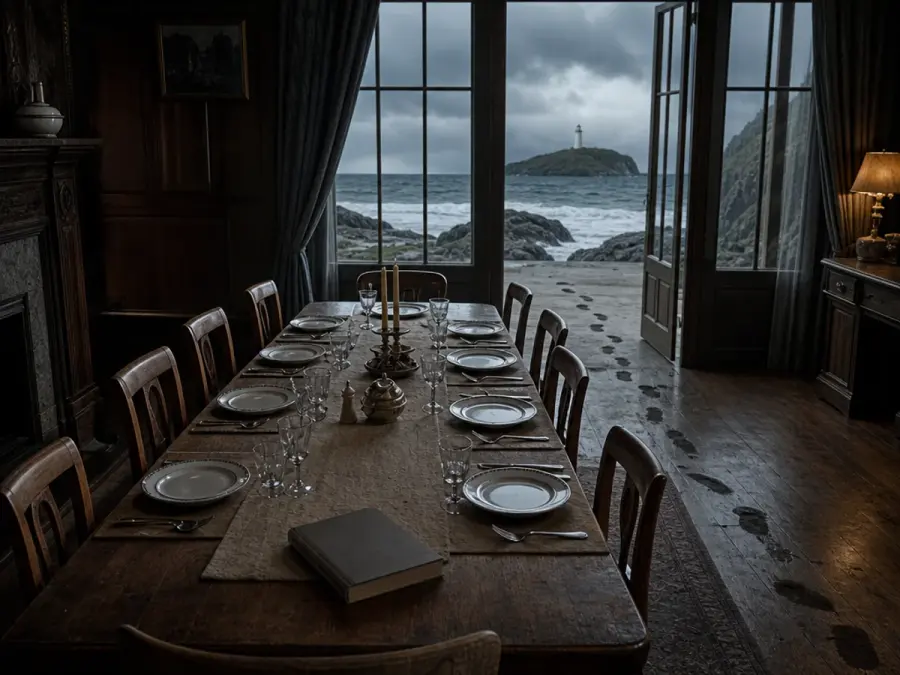
And Then There Were None — Mystery at Exceptional Scale — And Then There Were None — Mystery at Exceptional Scale
Agatha Christie Limited identifies And Then There Were None as the best-selling crime novel and has published a dated worldwide sales claim, making its evidence unusually direct for this topic.
The book's closed setting, diminishing cast, and clockwork suspicion create a structure that later mysteries and thrillers continue to revisit.

Dream of the Red Chamber — Reach Across Editions and Traditions — Dream of the Red Chamber — Reach Across Editions and Traditions
Dream of the Red Chamber belongs in a global discussion even though Anglophone sales lists often omit it. Manuscript history, multiple textual traditions, translations, and long publication history make lifetime units hard to standardize.
Its lasting power comes from the detailed social world of an elite household and the emotional lives constrained within it.

The Hobbit — A Compact Door Into a Larger World — The Hobbit — A Compact Door Into a Larger World
The Hobbit has circulated as a standalone children's adventure, a prelude to The Lord of the Rings, illustrated editions, and innumerable translations.
Any sales claim needs its date and format boundaries. Its compact quest endures because domestic comfort, riddles, danger, and reluctant courage are balanced with a storyteller's inviting pace.

The Lion, the Witch and the Wardrobe — A Portal With Staying Power — The Lion, the Witch and the Wardrobe — A Portal With Staying Power
This first-published Narnia novel is sold alone, inside omnibus editions, and within boxed series, so title and series units are easily confused.
Its continuing reach is clear without forcing one number. The wardrobe works as an enduring narrative device because ordinary texture gives way instantly to winter, danger, and moral choice.
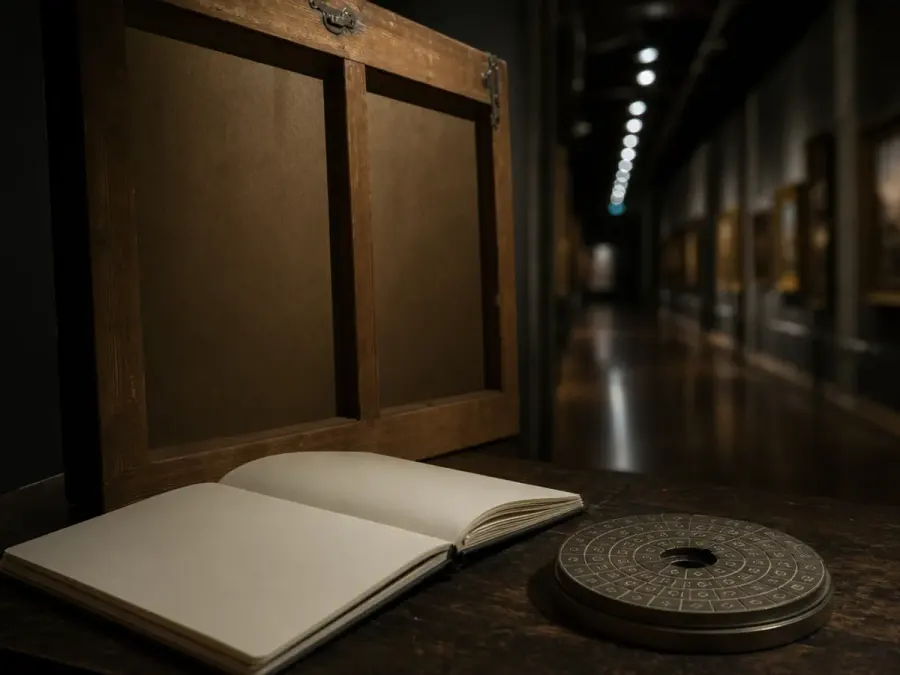
The Da Vinci Code — A Modern Global Thriller Event — The Da Vinci Code — A Modern Global Thriller Event
The Da Vinci Code is easier to count than a public-domain classic because its publishing life is recent, though publisher figures still require a date and edition scope.
Its appeal is propulsive: brief chapters, coded clues, art-history premises, and a chase structure keep the reader moving even when the historical claims invite skepticism.

The Catcher in the Rye — School Reading and Private Identification — The Catcher in the Rye — School Reading and Private Identification
The Catcher in the Rye has accumulated sales through trade reading, classroom adoption, censorship debates, and continuing backlist publication. Those channels make lifetime totals dependent on the reporting date.
The novel's reach rests on a voice that can feel intimate, evasive, funny, and frustrating at once, producing strong identification and equally strong rejection.

Anne of Green Gables — A Character Larger Than Her Setting — Anne of Green Gables — A Character Larger Than Her Setting
Anne of Green Gables has moved through editions, translations, adaptations, and educational reading for more than a century, so no single retailer can represent its circulation.
The book remains welcoming because Anne's imagination changes how ordinary rooms, roads, and mistakes are perceived. Place matters, but personality makes the place unforgettable.
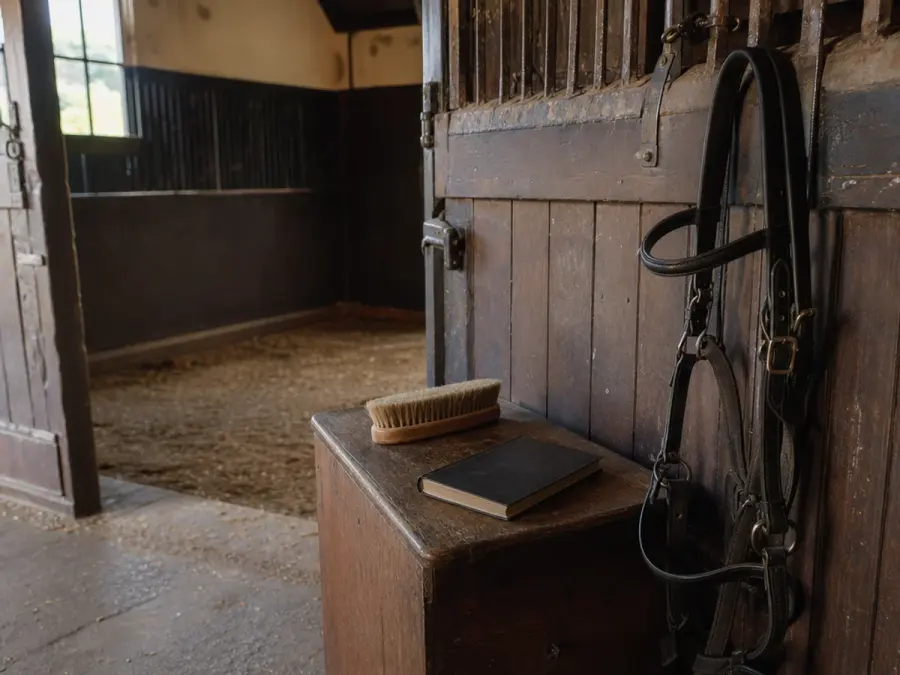
Black Beauty — Animal Perspective With Reforming Purpose — Black Beauty — Animal Perspective With Reforming Purpose
Black Beauty spread through inexpensive editions, school reading, public-domain reprints, and animal-welfare history, which makes lifetime unit estimates inherently porous.
Its first-person horse narration converts systems of care and cruelty into lived experience. Modern readers should expect period assumptions, but the ethical strategy remains direct and influential.

One Hundred Years of Solitude — A Family History Gone Global — One Hundred Years of Solitude — A Family History Gone Global
Publisher and estate sources document the novel's international importance, but translations, editions, and market dates make a single live total provisional.
Its lasting reach comes from treating the extraordinary as part of family routine while time loops, names recur, and private choices accumulate into history. Readers benefit from a simple family tree, not a plot summary.

The Alchemist — A Short Fable With Wide Translation — The Alchemist — A Short Fable With Wide Translation
The Alchemist's publisher and author channels describe exceptional international translation and sales reach, though every milestone remains dated.
The book's concise quest and direct symbolism make it easy to recommend, gift, and translate. That simplicity inspires some readers and frustrates others; its enormous circulation does not require claiming that its philosophy is universal.
Featured galleries







































































































































































































































































































































































































































































