Beyond the Magic Wand: The Untold Story of Elizabeth Montgomery
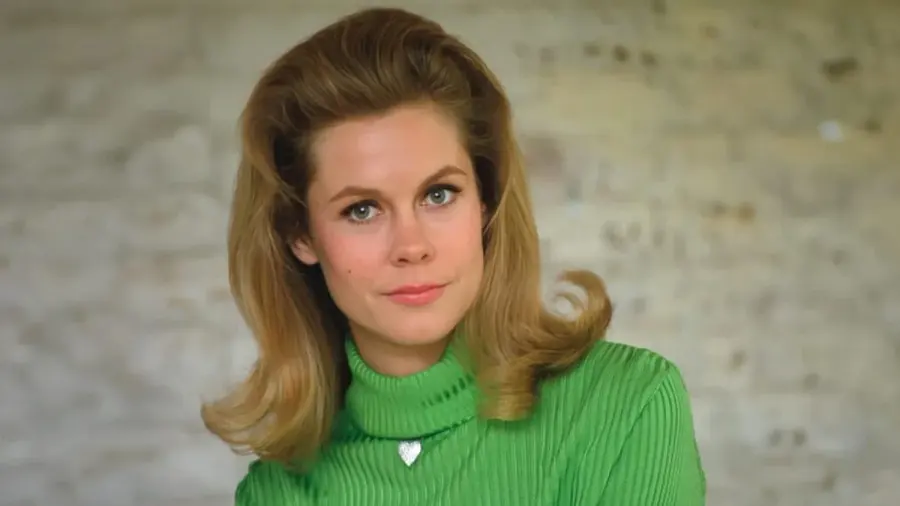
Born Into Hollywood Royalty — Born Into Hollywood Royalty
Elizabeth Montgomery was born in Los Angeles in 1933 to the acclaimed actor and director Robert Montgomery and Broadway actress Elizabeth Daniel Bryan Allen.
Growing up surrounded by the industry's elite, she was exposed to the world of performing arts from a very young age. This privileged yet demanding upbringing laid the foundation for her future pursuit of an acting career.

Under Her Father's Wing — Under Her Father's Wing
Elizabeth made her television debut in 1951 on her father's popular anthology series, Robert Montgomery Presents.
While her father offered her valuable opportunities, he was also a strict mentor who set exceptionally high standards for her work. Navigating this complex professional and personal relationship shaped her early work ethic and determination.
Early Broadway and TV Success — Early Broadway and TV Success
Eager to establish an identity separate from her famous father, Elizabeth moved to New York to study at the American Academy of Dramatic Arts.
She quickly landed roles on Broadway and made guest appearances on numerous live television dramas during the 1950s. Her talent and striking screen presence earned her a nomination for an Emmy Award long before she ever picked up a magic wand.
The Spell of Samantha Stephens — The Spell of Samantha Stephens
In 1964, Elizabeth took on the role that would define her career: Samantha Stephens, the sweet-natured witch trying to live a normal suburban life in Bewitched.
The show became an instant ratings sensation, showcasing her impeccable comedic timing and famous nose twitch. Over its eight-season run, the series earned her five Emmy nominations and transformed her into a household name.
A Powerful Creative Partnership — A Powerful Creative Partnership
Elizabeth's third husband, William Asher, served as the primary director and producer of Bewitched. Together, they formed a formidable creative partnership that kept the show fresh and popular throughout the 1960s.
However, the immense pressure of working and living together eventually took a toll on their marriage, leading to their divorce shortly after the show ended.
Escaping the Witch's Shadow — Escaping the Witch's Shadow
After Bewitched wrapped in 1972, Elizabeth was determined to distance herself from the wholesome image of Samantha Stephens.
She actively sought out dark, challenging dramatic roles that would shock audiences and showcase her versatility. This transition marked a bold new chapter in her career, proving she was far more than a one-character actress.
Groundbreaking Dramatic Roles — Groundbreaking Dramatic Roles
Elizabeth delivered a chilling, critically acclaimed performance as the notorious accused ax-murderer in the 1975 television movie The Legend of Lizzie Borden.
She also starred in the groundbreaking 1974 drama A Case of Rape, which drew massive ratings and helped change public perceptions and laws regarding sexual assault. These roles cemented her status as a powerhouse dramatic actress.

Finding True Love and Peace — Finding True Love and Peace
Following three divorces, Elizabeth found lasting happiness with actor Robert Foxworth, whom she met in 1973. The couple lived together for nearly two decades before officially marrying in 1993.
They shared a quiet, private life away from the Hollywood spotlight, enjoying their shared love of nature and acting.
A Passionate Activist — A Passionate Activist
Beyond her acting career, Elizabeth was a fierce advocate for social justice, civil rights, and peace. She was one of the earliest Hollywood stars to actively support the LGBTQ+ community and raise awareness during the AIDS crisis.
In 1992, she served as the Grand Marshal of the Los Angeles Gay Pride Parade alongside her former Bewitched co-star Dick Sargent.
A Quiet, Courageous Battle — A Quiet, Courageous Battle
In early 1995, Elizabeth was diagnosed with colon cancer, a battle she chose to keep largely private. She faced her illness with immense courage and dignity, surrounded by her family and loved ones in her Beverly Hills home.
Sadly, she passed away on May 18, 1995, leaving behind a grieving entertainment community and millions of fans.

Suburban Magic and Set Design — Suburban Magic and Set Design
The iconic Stephens household at 1164 Morning Glory Circle became one of the most recognizable homes on television.
Behind the scenes, the show utilized innovative special effects of the era, requiring Elizabeth to hold perfectly still while props were moved around her to simulate magic. This meticulous technical work added to the charm of the beloved sitcom.
An Enduring Pop Culture Legacy — An Enduring Pop Culture Legacy
Decades after her passing, Elizabeth Montgomery remains a beloved icon of television's golden age.
Her performances continue to entertain new generations of viewers through syndication, while her pioneering activism continues to inspire. Her unique blend of charm, talent, and social conscience ensures her place in Hollywood history.
Featured galleries







































































































































































































































































































































































































































































