Beyond the Pyramids: What Daily Life Was Really Like for the Ancient Maya
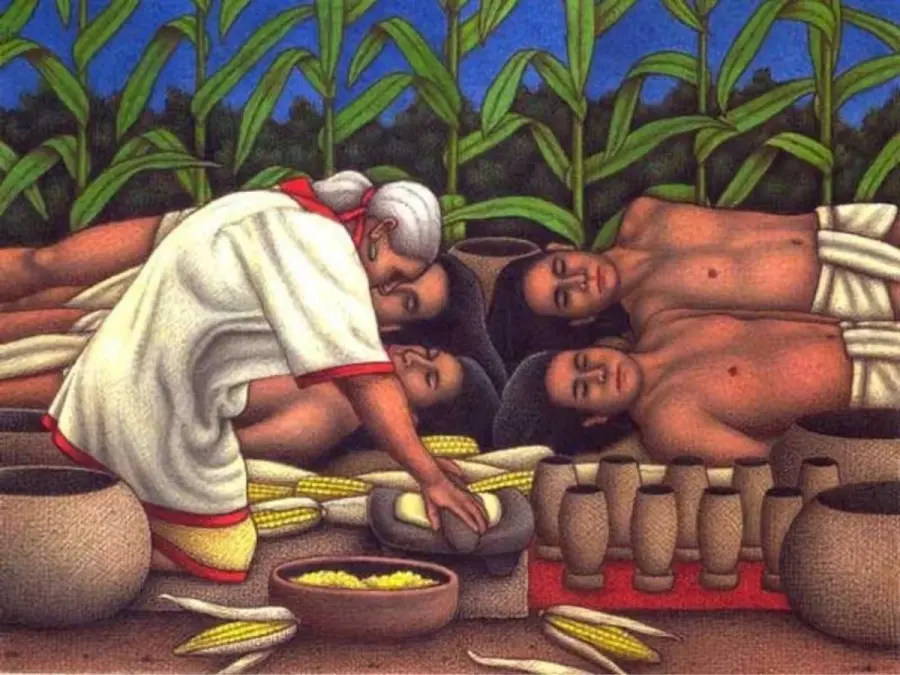
The Sacred Crop of Maize — The Sacred Crop of Maize
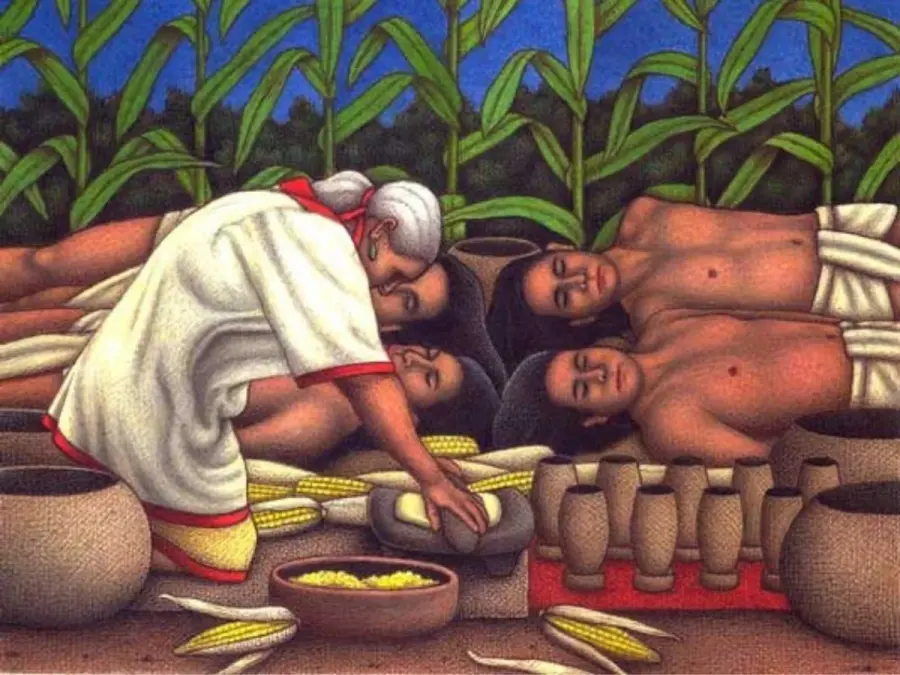
Maize was far more than just a food source for the ancient Maya; it was deeply woven into their creation mythology and daily existence.
Families spent hours grinding corn on stone metates to prepare tortillas, tamales, and warm gruel. This vital crop sustained entire cities and dictated the agricultural calendar.
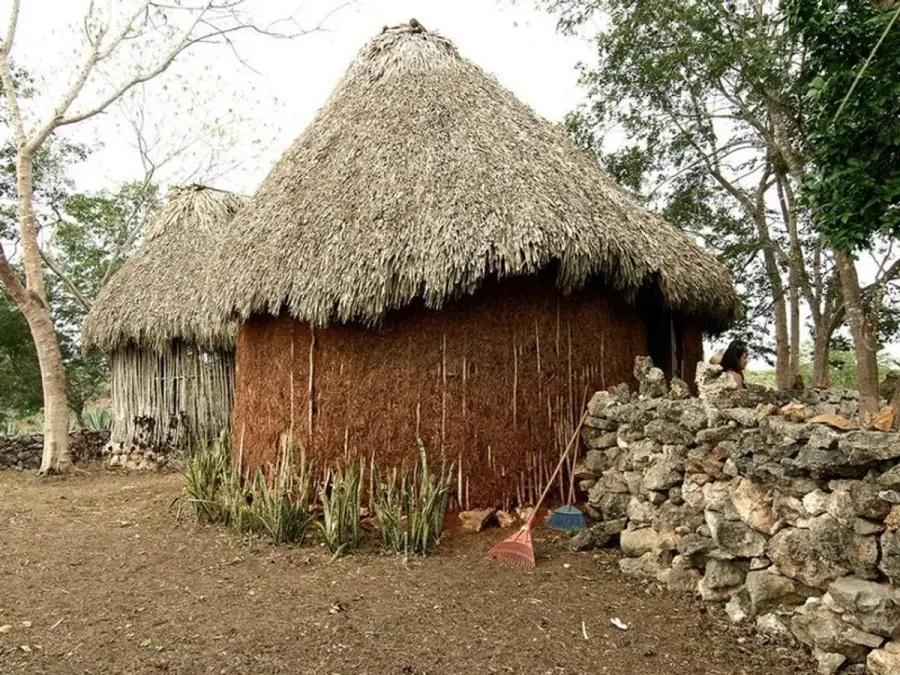
Inside a Maya Home — Inside a Maya Home
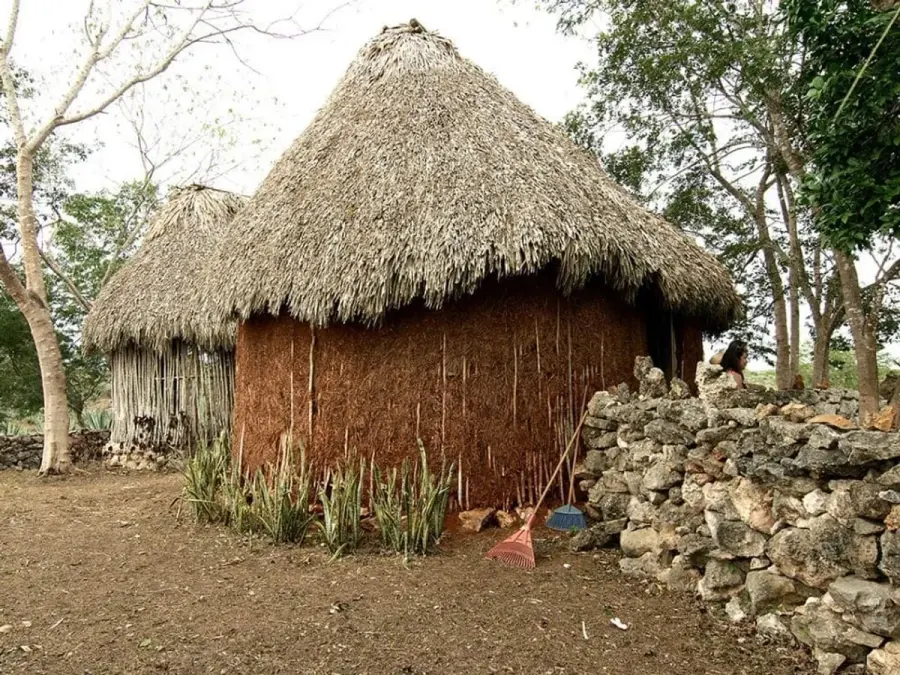
Common Maya households were bustling hubs of activity built from perishable materials like wood, clay, and thatch.
These residential compounds featured separate structures for sleeping, cooking, and storing precious harvests. Courtyards served as central gathering spaces where families crafted tools and socialized.
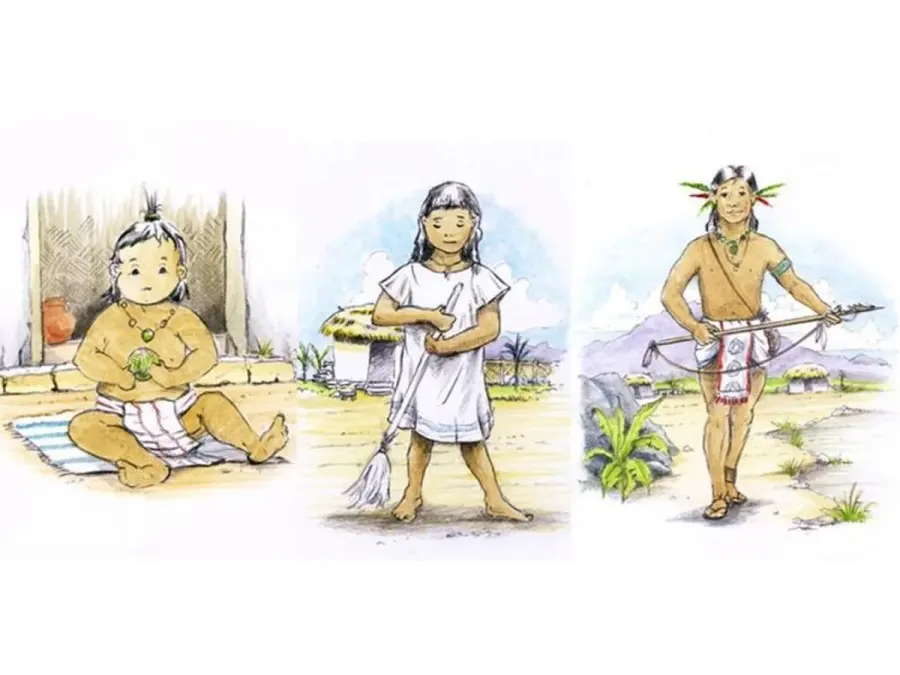
Growing Up Maya — Growing Up Maya
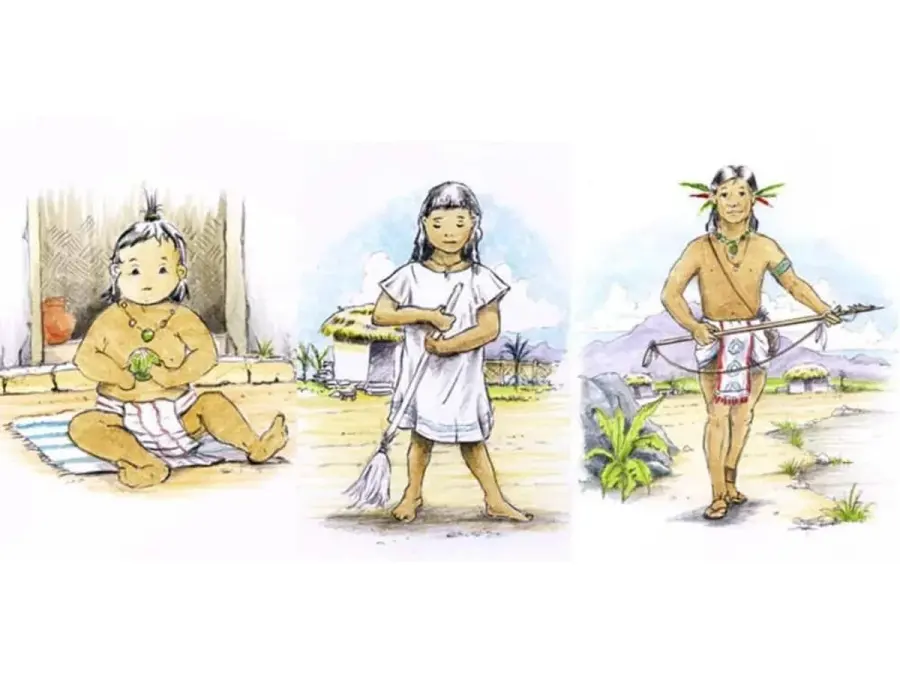
Maya children took on adult responsibilities at a very young age to help support their households.
Girls learned the complex arts of weaving and food preparation from their mothers, while boys accompanied their fathers to the fields. These early lessons ensured that essential survival skills were passed down through generations.
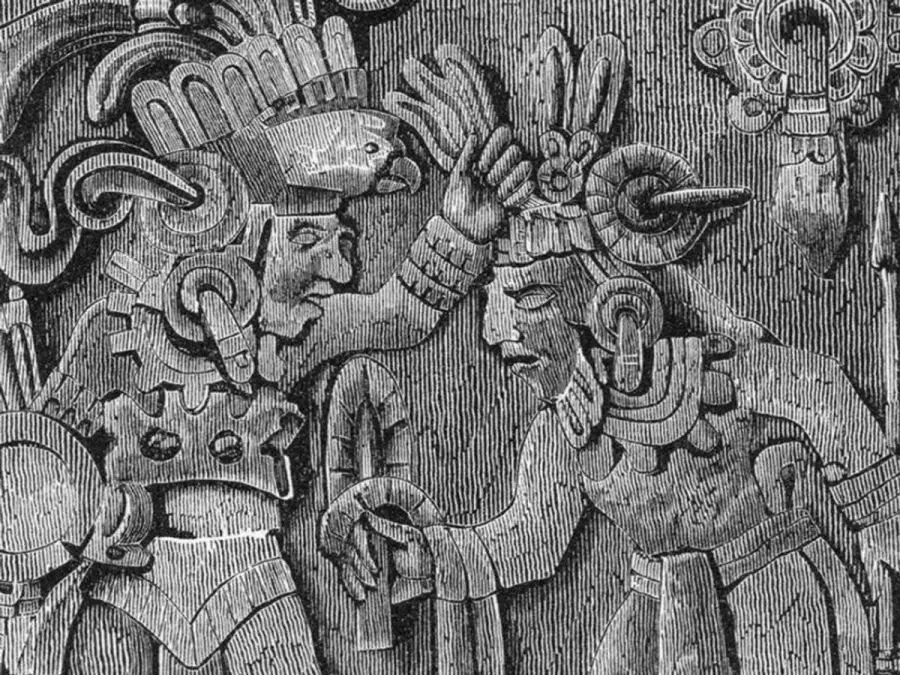
Power and Blood Sacrifice — Power and Blood Sacrifice
Royal Maya women held significant political and spiritual power, often participating in sacred bloodletting ceremonies.
By piercing their tongues or ears, queens communed with ancestors and gods to secure prosperity for their kingdoms. These painful rituals were viewed as essential acts of devotion that legitimized royal authority.
Bustling Marketplace Trade — Bustling Marketplace Trade
Maya cities thrived on complex trade networks where merchants exchanged goods like cacao beans, jade, obsidian, and woven textiles.
Markets were vibrant social centers where people from different social classes interacted and bartered for daily necessities. Cacao beans were so highly valued that they were frequently used as a form of currency.
Masters of Water Engineering — Masters of Water Engineering
To survive the harsh dry seasons, the Maya engineered sophisticated reservoirs, canals, and filtration systems to store rainwater.
These impressive public works projects required immense coordination and physical labor from local communities. Proper water management was crucial for sustaining large urban populations and irrigating extensive agricultural fields.
Weaving Wealth into Cloth — Weaving Wealth into Cloth
Weaving was a highly respected skill practiced by Maya women across all social classes, from commoners to royalty.
Using backstrap looms, they created intricate textiles decorated with sacred symbols and geometric patterns. These fabrics served as clothing, valuable trade items, and symbols of social status within the community.
Intrigue in the Royal Court — Intrigue in the Royal Court
The royal courts of Maya city-states were centers of intense political maneuvering, artistic patronage, and religious ceremony.
Kings and queens surrounded themselves with scribes, artists, musicians, and noble advisors who helped maintain their grip on power. Captives from rival cities were often displayed at court to showcase the ruler's military dominance.
Crafting Tools for Survival — Crafting Tools for Survival
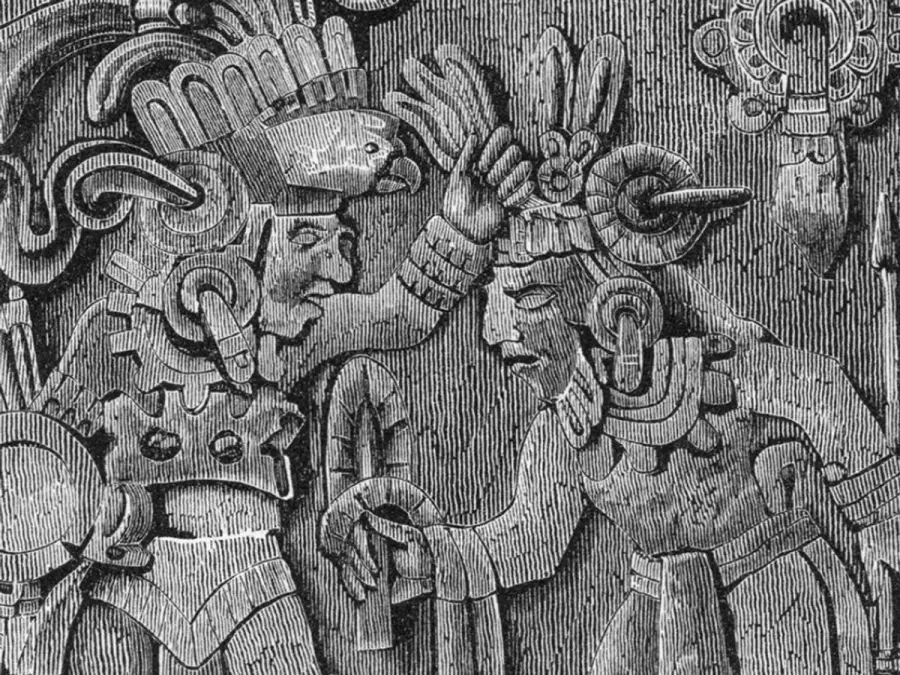
Everyday survival in a Maya household relied on a wide variety of specialized tools crafted from stone, bone, and wood.
Obsidian, a volcanic glass imported from volcanic regions, was prized for its razor-sharp edges and used to make knives and scrapers. Skilled artisans worked within their homes to produce these essential items for farming, cooking, and construction.
Masterpieces in Color — Masterpieces in Color
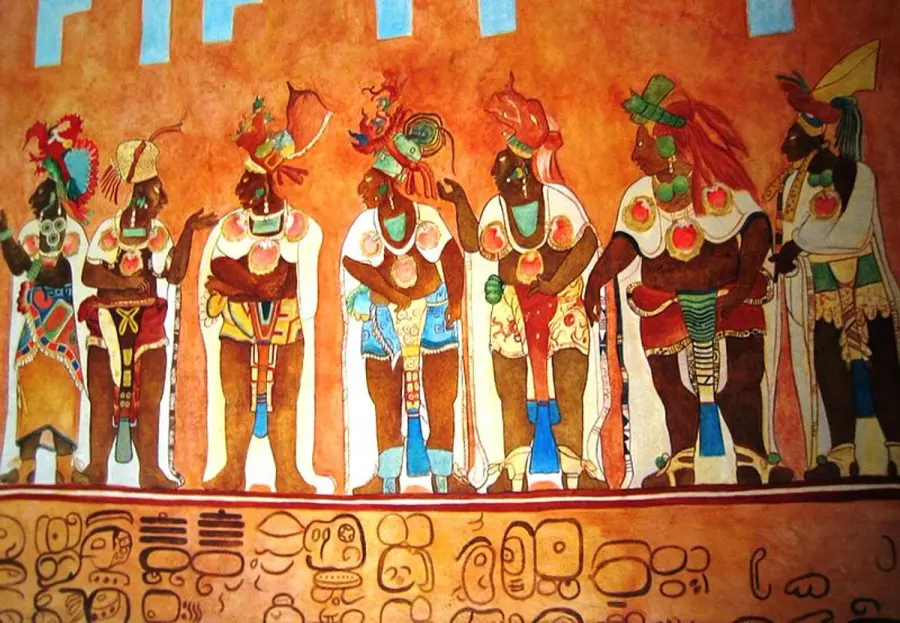
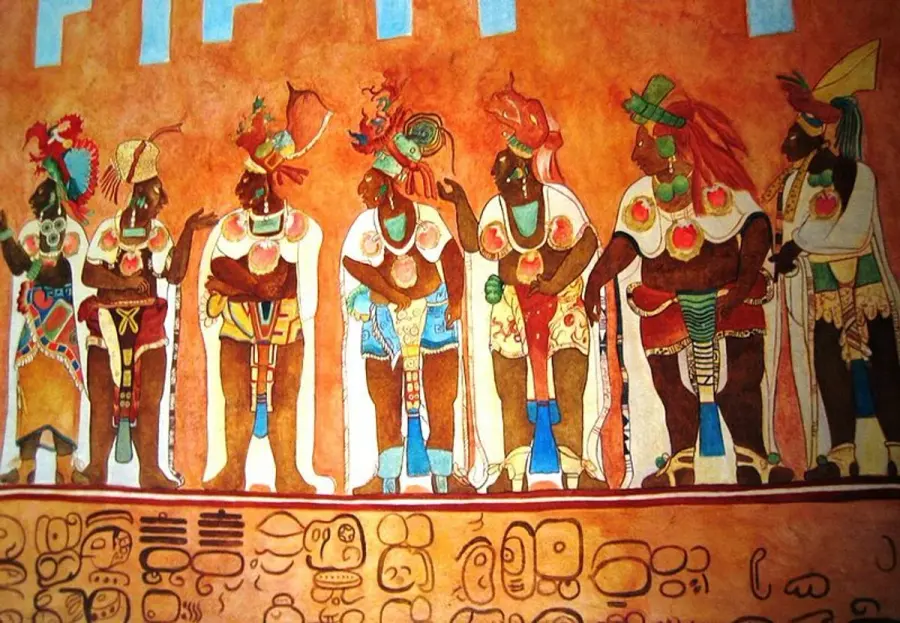
The Maya decorated their grand palaces and temples with vivid, colorful murals that depicted historical events, battles, and courtly celebrations.
The famous murals of Bonampak offer an incredibly detailed look at royal garments, musical instruments, and ritual practices. These stunning artworks prove that the ancient Maya world was filled with brilliant color rather than stark stone.
Rituals of the Sweat Bath — Rituals of the Sweat Bath
Sweat baths, known as pib'naah, were popular structures used by the Maya for both hygiene and spiritual purification.
Heated stones and water created therapeutic steam designed to heal the sick, soothe mothers after childbirth, and cleanse priests before rituals. These stone steam rooms were essential components of civic-ceremonial centers.
Tracking Cosmic Time — Tracking Cosmic Time
The Maya developed highly accurate calendar systems that tracked solar years, lunar cycles, and planetary movements.
These calendars were not just scientific achievements but also spiritual guides used to plan agricultural cycles, religious festivals, and royal coronations. Their deep understanding of astronomy allowed them to predict eclipses with remarkable precision.
Featured galleries







































































































































































































































































































































































































































































