Board Games
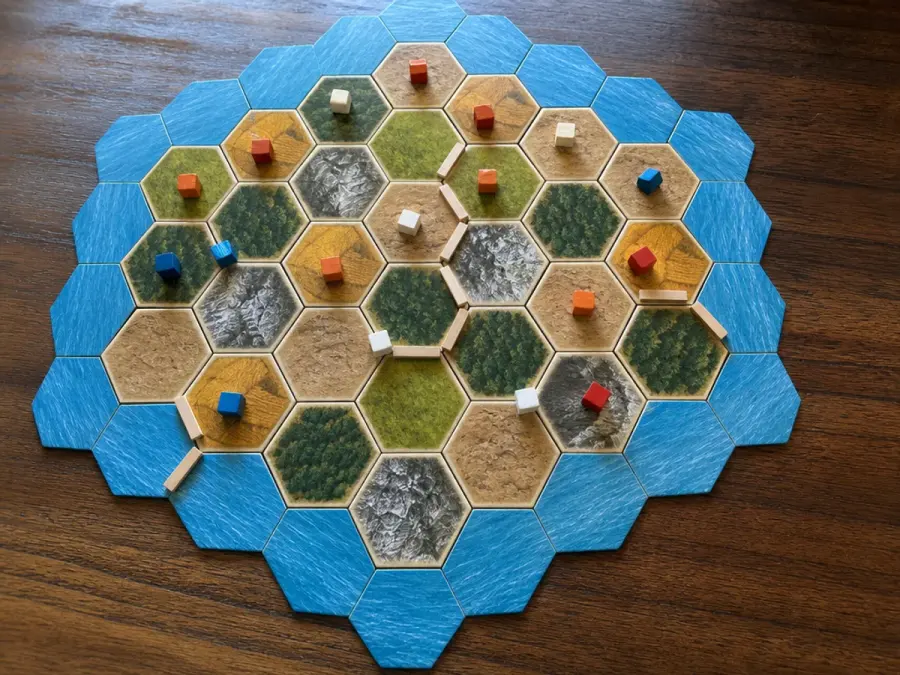
Catan — Catan
Catan remains a practical gateway because every turn creates public information: roads reveal plans, settlements compete for intersections, and trades expose what players need.
Dice add volatility, so good play is about improving odds and negotiating around uncertainty rather than controlling everything. It suits groups comfortable with direct bargaining and occasional blocked routes. Buy the base edition first; player-count extensions and scenarios are separate products.

Ticket to Ride — Ticket to Ride
Collect colored sets, claim rail connections, and complete hidden routes: the rules are simple enough to teach quickly, but shared geography produces meaningful interference. New players can pursue visible connections before mastering ticket risk.
It works well for mixed-experience groups because turns are short and plans remain legible. Editions use different maps and sometimes altered rules, so start by confirming the exact country or region on the box.
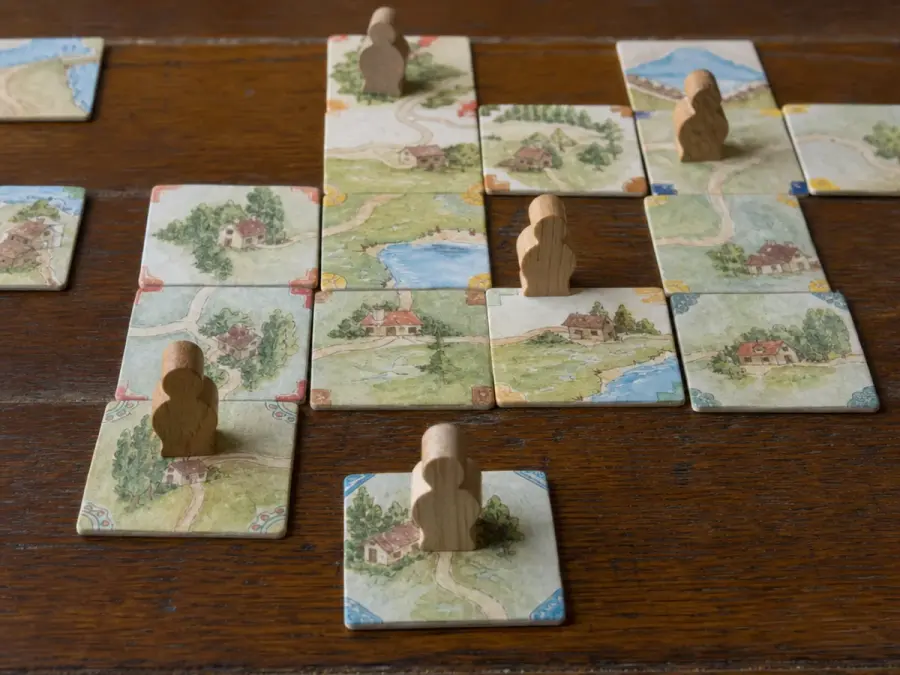
Carcassonne — Carcassonne
Each tile extends a shared landscape, while limited followers create the real strategic pressure. A player must decide whether to score a quick road, contest a city, commit to a long farm, or keep pieces available.
The board grows organically, so spatial reasoning matters more than memorizing openings. Expansion modules can substantially change pacing; learn the core tile-and-follower system before adding several at once.

Pandemic — Pandemic
Pandemic makes cooperation concrete: players share a world map, exchange information openly, and combine specialized roles to contain outbreaks while researching cures. The challenge is coordination under an accelerating deck, not hidden betrayal.
One forceful player can dominate discussion, so groups should actively invite each person to propose a plan. The theme is abstract entertainment and should never be treated as public-health education or real emergency guidance.
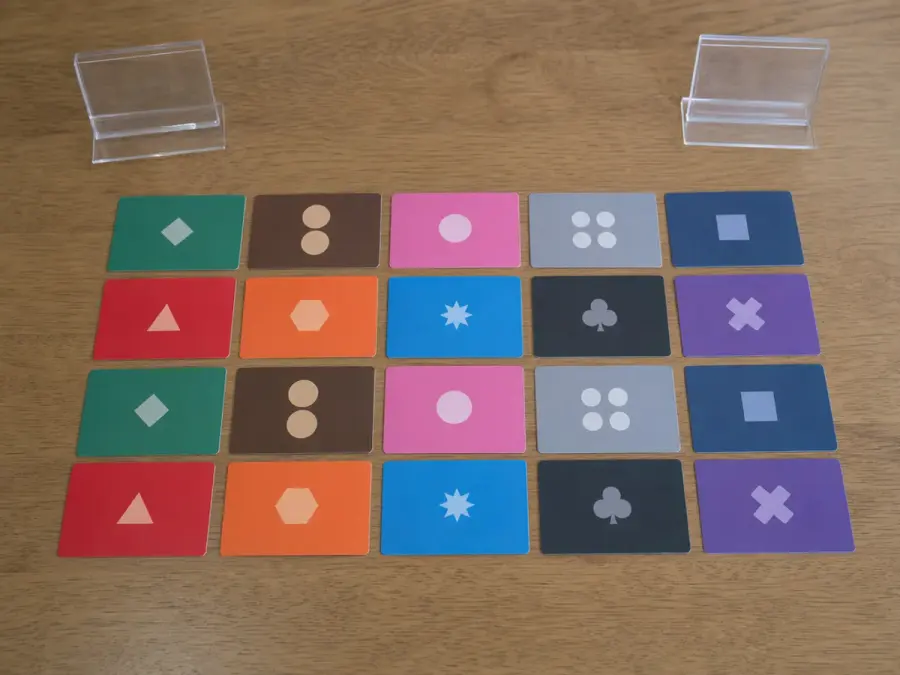
Codenames — Codenames
Two clue-givers connect words through a single hint and number, while teammates decide which associations are intended. The design turns ordinary vocabulary into a social map of how people think.
It is best with clue-givers who respect the current edition's rule constraints and teams that can tolerate ambiguous guesses. Different versions change the word pool or cooperative structure, so confirm which format fits the group.

Azul — Azul
Azul combines an inviting drafting action with sharp consequences. Taking a color can complete a pattern line, strand excess tiles on the floor, or leave an opponent an awkward factory.
The tactile presentation attracts newcomers, while scoring adjacency and timing support repeated play. Because its visual design is distinctive and protected, editorial imagery should never imitate the commercial tile patterns; show only generic color-drafting concepts.
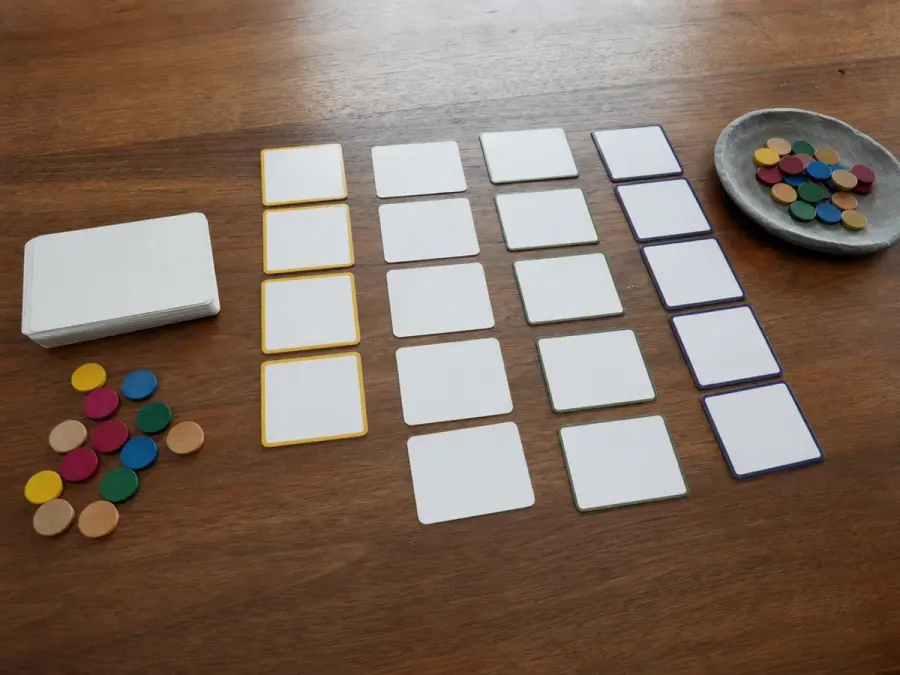
Dominion — Dominion
Dominion gives every player a small starting deck and turns card acquisition into the central engine. The tension is timing: build purchasing power and actions, but pivot toward victory cards before the game ends.
A shared market makes strategies visible, and randomized card sets change the puzzle. Begin with a recommended introductory kingdom; unrestricted combinations can overwhelm first-time players and create rules questions before the core loop clicks.
7 Wonders — 7 Wonders
Simultaneous card drafting keeps a larger group engaged because everyone chooses at once, then passes the remaining hand. Players develop resources, science, civic structures, commerce, military strength, and a wonder across three ages.
The icon system becomes efficient after one learning game, but a guided first round helps. Edition changes can revise cards and balance, so use rules and references matching the specific box at the table.

Wingspan — Wingspan
Wingspan is an engine-building game where actions become more productive as birds populate habitat rows. Its appeal combines approachable natural-history flavor, satisfying card combinations, and strategic decisions about food, eggs, cards, and round goals.
The game is not a field guide, so wildlife facts should be checked independently. Players sensitive to small text or detailed cards should examine accessibility before purchasing.

Spirit Island — Spirit Island
In Spirit Island, players embody spirits defending an island from invading colonizers, reversing a familiar colonial board-game premise. Powers interact with local presence, fear, invader timing, and the Dahan, creating deep cooperative planning.
Complexity is substantial, so the low-complexity spirits and scripted first game are useful. The anticolonial theme deserves thoughtful engagement rather than being reduced to interchangeable fantasy decoration.

The Crew: Mission Deep Sea — The Crew: Mission Deep Sea
This cooperative trick-taking game asks players to complete changing tasks while communication remains restricted. Familiar card-game skills help, but success depends on reading what teammates cannot say and managing the order in which goals resolve.
Missions scale from introductory to devious without requiring a campaign commitment. It works best when the table treats failed attempts as information, not as a reason to blame the player who held an inconvenient hand.
Cascadia — Cascadia
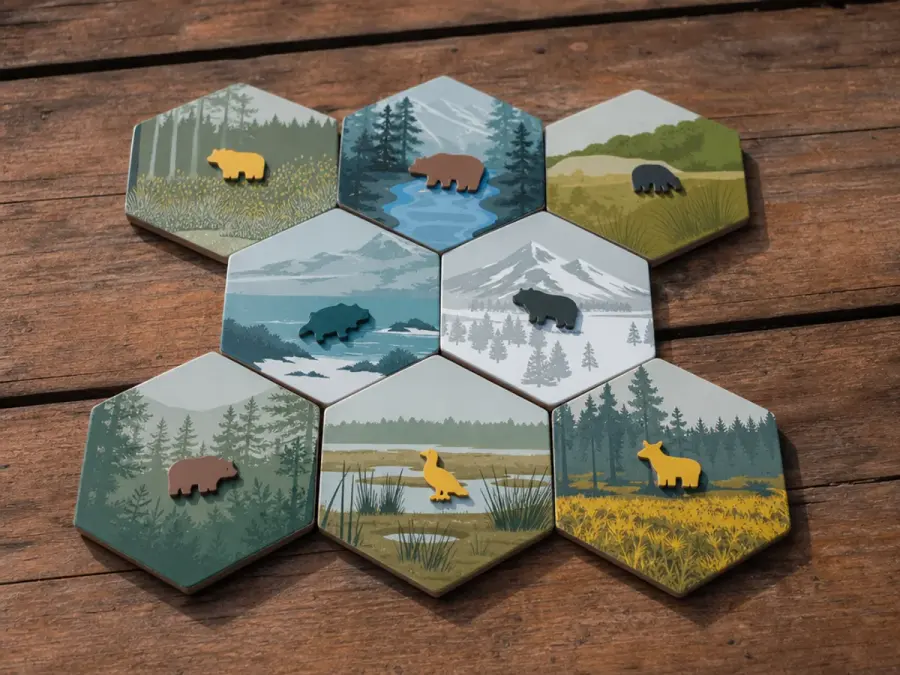
Each turn pairs a habitat tile with a wildlife token, forcing players to balance landscape connections against animal scoring patterns. The puzzle feels calm because turns are short and destructive interaction is limited, yet the draft can still redirect plans.
Variable wildlife cards improve replay value. It is a strong choice for households that want spatial strategy without negotiation, hidden betrayal, or a long rules explanation.

Heat: Pedal to the Metal — Heat: Pedal to the Metal
Heat models racing through a hand-management system: speed cards move the car, stress creates uncertainty, and heat cards represent pushing the engine beyond its comfortable range. Corners reward planning more than raw acceleration.
Simultaneous choice keeps the field moving, while optional modules add weather and upgrades. It creates dramatic races without requiring miniature-simulation rules, though the full table footprint deserves checking.
Root — Root
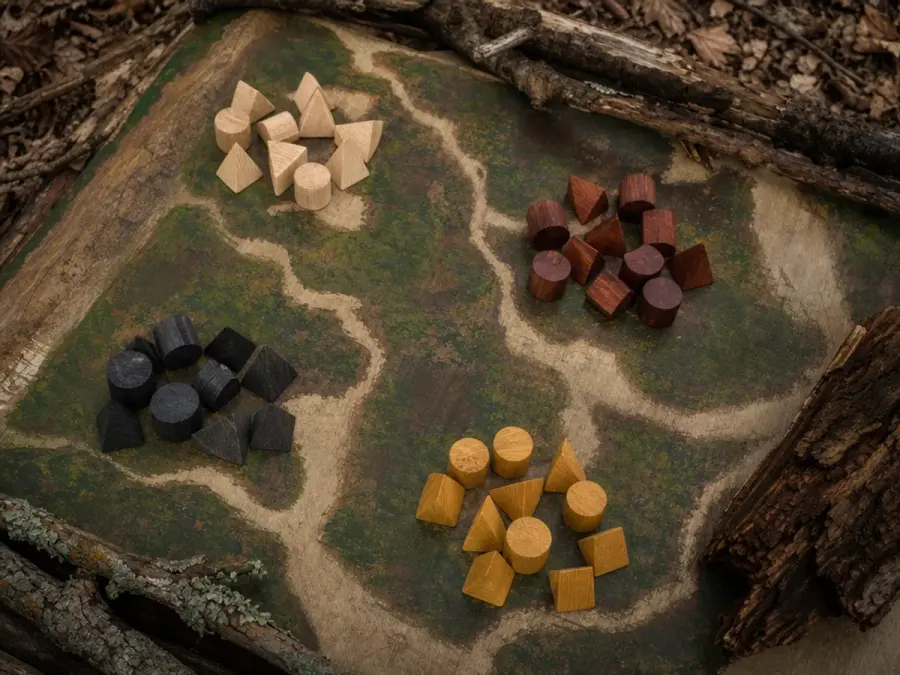
Root gives each faction a different rules engine inside one shared woodland conflict. One builds infrastructure, another programs actions, a third spreads sympathy, and the Vagabond pursues a distinct personal economy.
That asymmetry creates memorable stories but also raises the teaching burden; everyone must understand opponents well enough to recognize a runaway leader. It fits groups willing to learn through repeated plays rather than one isolated evening.
Gloomhaven: Jaws of the Lion — Gloomhaven: Jaws of the Lion
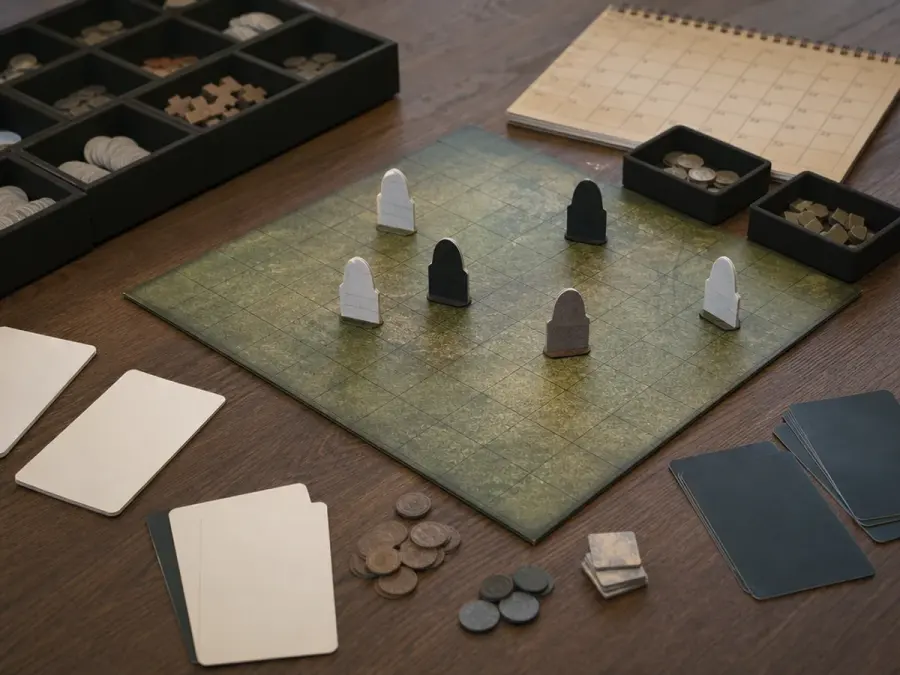
Jaws of the Lion compresses a tactical campaign into a guided introduction with scenario books and a staged rules ramp. Card-driven combat asks players to choose not only what to do but which abilities they are willing to lose for the rest of a scenario.
The box still requires storage, setup, and a recurring group. Choose it when the table wants a continuing campaign, not a casual drop-in dungeon game.
Featured galleries







































































































































































































































































































































































































































































