Books to Read
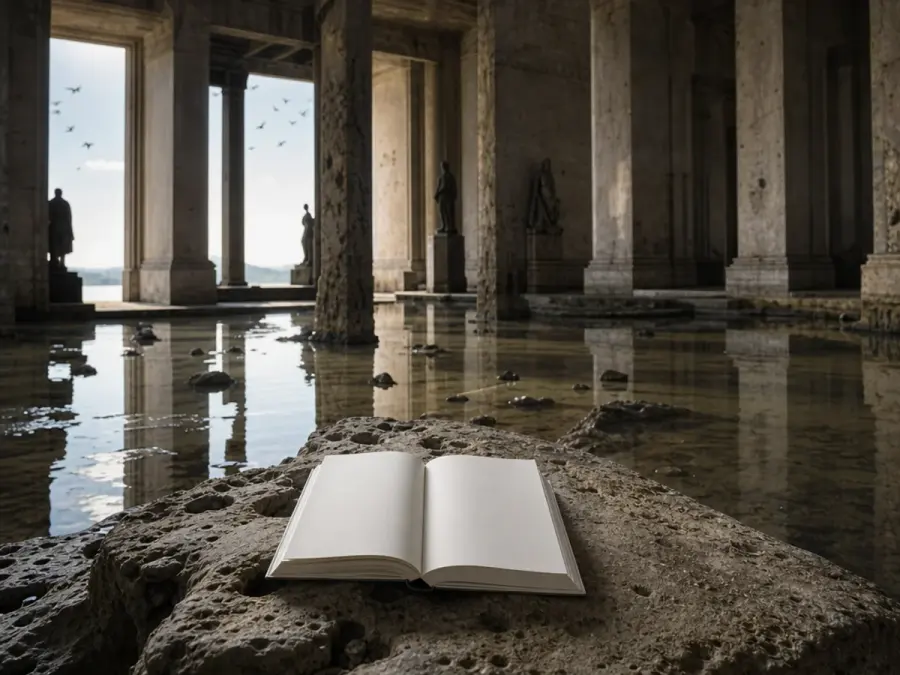
Piranesi — For a Beautiful, Solvable Mystery — Piranesi — For a Beautiful, Solvable Mystery
Susanna Clarke's compact novel begins inside a seemingly endless House of halls, tides, and statues. The reader learns its rules through a narrator whose careful records create both trust and unease.
Choose it when you want atmosphere and mystery without a doorstop length; avoid advance plot summaries, because recognition is part of the pleasure.
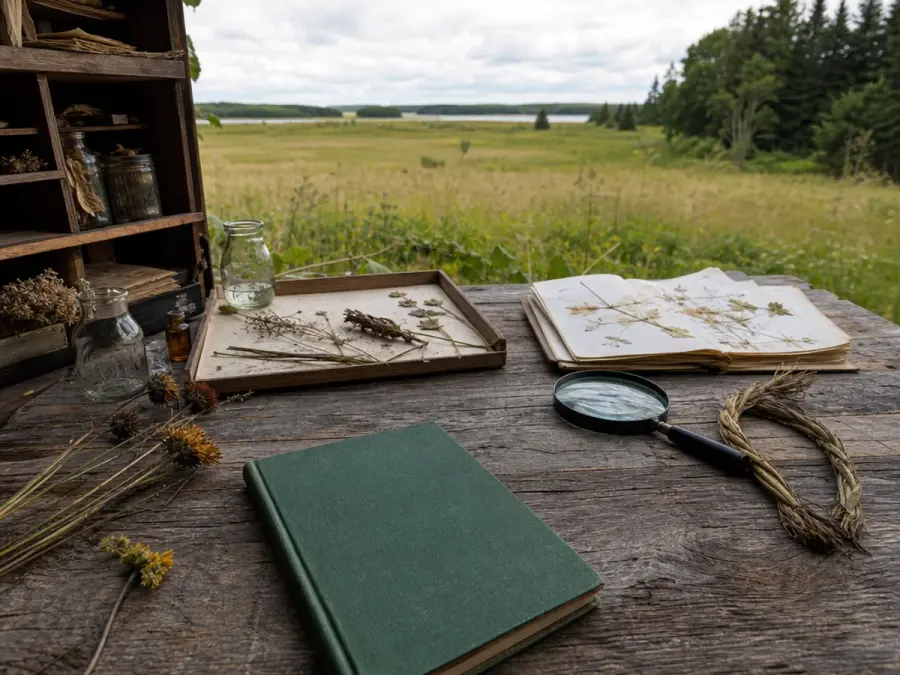
Braiding Sweetgrass — For Science Joined With Reciprocity — Braiding Sweetgrass — For Science Joined With Reciprocity
Robin Wall Kimmerer brings botany, teaching, Indigenous knowledge, and personal experience into essays about how people attend to the living world.
The book is strongest read slowly rather than consumed as a list of lessons. Choose it for reflective nonfiction that asks what responsibility might follow from knowing a plant, place, or gift more fully.

A Gentleman in Moscow — For a Long Stay in One Place — A Gentleman in Moscow — For a Long Stay in One Place
Amor Towles confines his protagonist to a grand hotel and then uses rooms, rituals, friendships, and historical change to keep the setting expansive.
The novel is leisurely but purposeful, ideal for readers who enjoy charm with an undercurrent of loss. Its central pleasure is watching limitation become a different form of attention.
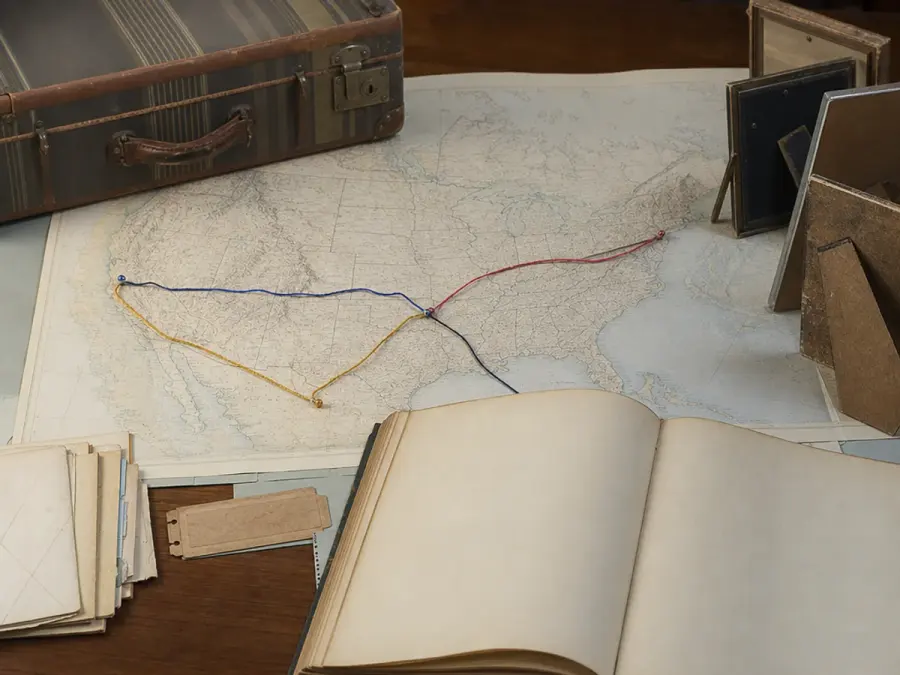
The Warmth of Other Suns — For History Through Lives — The Warmth of Other Suns — For History Through Lives
Isabel Wilkerson traces the Great Migration through three individual journeys, connecting private decisions to housing, labor, family, and regional change.
The narrative scale is large, but recurring lives keep the history legible. Choose it when you can give a substantial work time and want social history carried by carefully reported human experience.

Sea of Tranquility — For a Short Speculative Echo — Sea of Tranquility — For a Short Speculative Echo
Emily St. John Mandel connects lives across centuries through art, travel, pandemics, and a strange shared moment.
The structure rewards readers who enjoy seeing separate threads gradually align, but the book stays concise and emotionally grounded. It is a good choice when you want time travel used to examine connection rather than explain machinery.

The Thursday Murder Club — For Sociable Mystery Comfort — The Thursday Murder Club — For Sociable Mystery Comfort
Richard Osman's mystery centers older amateur sleuths whose skills, histories, and friendships matter as much as the case.
The humor is warm without making age itself the joke, and darker developments keep the puzzle from becoming weightless. Pick it for a conversational page-turner that can lead naturally into a continuing series.

Tomorrow, and Tomorrow, and Tomorrow — For Creative Partnership — Tomorrow, and Tomorrow, and Tomorrow — For Creative Partnership
Gabrielle Zevin follows a game-making partnership through ambition, collaboration, injury, affection, and resentment.
It does not require gaming expertise; development becomes a language for how people build together and fail to communicate. Choose it for a long friendship story whose central relationship resists a neat romantic category.

Say Nothing — For Investigative Narrative History — Say Nothing — For Investigative Narrative History
Patrick Radden Keefe uses one disappearance to examine secrecy, loyalty, violence, memory, and the Troubles in Northern Ireland. The book moves with investigative momentum while keeping the human cost visible.
Choose it when you want deeply reported history shaped as a narrative, and consult content notes if accounts of political violence require preparation.

The Fifth Season — For World-Building With Structural Force — The Fifth Season — For World-Building With Structural Force
N. K. Jemisin builds a world shaped by recurring geological catastrophe and by institutions that control people with earth-moving power. Narrative perspective is part of the design, so spoilers can flatten the experience.
Choose it for rigorous speculative fiction willing to connect family, oppression, survival, and planetary instability without offering easy comfort.

Project Hail Mary — For Problem-Solving Momentum — Project Hail Mary — For Problem-Solving Momentum
Andy Weir's science-fiction novel builds suspense from a chain of observable problems, experiments, revisions, and an unexpected partnership.
The explanatory style is a feature for readers who enjoy watching reasoning happen step by step. Go in with minimal plot knowledge and choose it when competence, humor, and high stakes sound more appealing than meditative ambiguity.

Pachinko — For a Family Epic Across Borders — Pachinko — For a Family Epic Across Borders
Min Jin Lee follows several generations of a Korean family in Japan, tracing migration, work, discrimination, ambition, and sacrifice.
The novel's broad time span remains intimate because material choices—housing, food, schooling, money—shape every era. Choose it when you want history understood through family continuity rather than a single heroic life.

The Vanishing Half — For Identity and Diverging Lives — The Vanishing Half — For Identity and Diverging Lives
Brit Bennett begins with twin sisters whose lives separate, then follows the consequences through family, race, secrecy, and chosen identity.
The mirrored structure creates momentum without reducing either path to a simple lesson. Choose it for an accessible multigenerational novel that invites discussion about what reinvention protects and what it costs.

The Wager — For Survival History That Keeps Changing Shape — The Wager — For Survival History That Keeps Changing Shape
David Grann reconstructs shipwreck, survival, competing testimony, and naval authority from records that refuse to align neatly.
The story repeatedly changes genre—from expedition to castaway ordeal to courtroom argument—because each new account alters the stakes. Choose it for meticulously sourced nonfiction with the pace of an adventure and the uncertainty of evidence.

North Woods — For a House Across Centuries — North Woods — For a House Across Centuries
Daniel Mason follows one New England place through many occupants, forms, and eras, allowing the land and house to become the long-lived protagonists.
The shifts in voice include humor, grief, natural observation, and surprise. Choose it if linked stories and formal variety sound more inviting than following one cast from beginning to end.

The Heaven & Earth Grocery Store — For a Community-Centered Story — The Heaven & Earth Grocery Store — For a Community-Centered Story
James McBride builds a mystery around a neighborhood whose Black and Jewish residents navigate prejudice, disability, commerce, care, and local power.
The novel's warmth comes from community action rather than sentiment alone. Choose it for a large cast and energetic storytelling where apparently minor neighbors become essential to how the whole place survives.
Featured galleries







































































































































































































































































































































































































































































