14 Chicago Songs, Ranked as a Band Career Guide
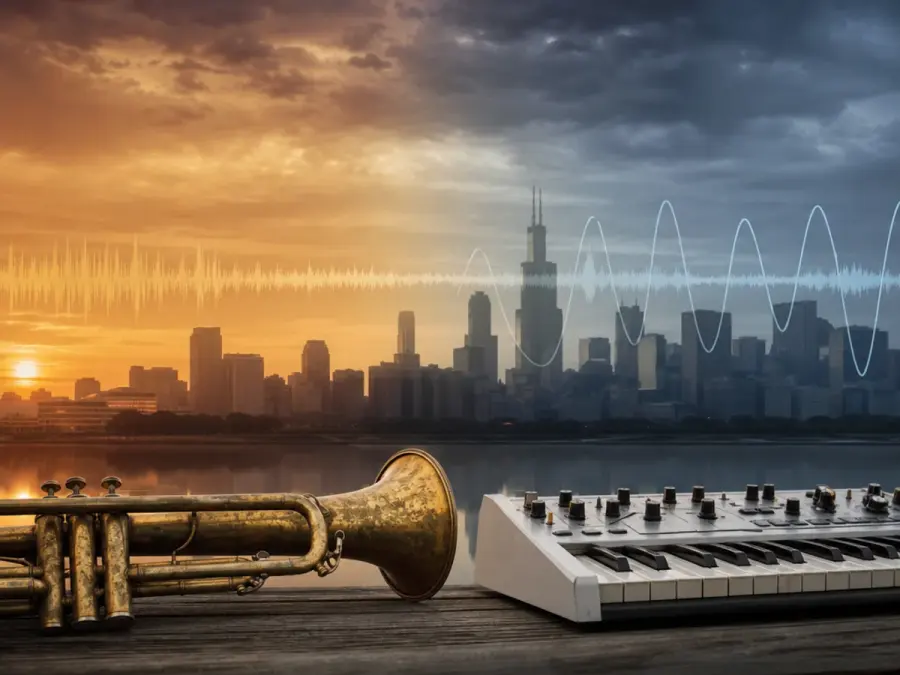
Two Major Chicago Eras, One Band — Two Major Chicago Eras, One Band
Early Chicago stretched rock songs with horns, jazz harmony, political observation, and suites; later Chicago became a precision ballad and pop institution.
A useful guide must hear both without pretending they are identical. These fourteen tracks rank complete-band discovery value.
14. Stay the Night — 14. Stay the Night
A muscular rhythm track and bright eighties production show Chicago adapting to the video-driven rock-pop moment.
It opens the guide because the horn identity is less central than in earlier work, yet the energy proves the band was not limited to slow ballads.
13. Look Away — 13. Look Away
A strong outside-written power ballad and Bill Champlin's lead vocal carried Chicago into another late-eighties chapter.
Thirteenth reflects its effectiveness and career reach while recognizing that the track sounds less like the ensemble's original horn-centered composing identity.
12. You're the Inspiration — 12. You're the Inspiration
Warm keyboard production and carefully blended vocals make this one of Chicago's clearest adult-contemporary ballads.
It ranks twelfth because the arrangement is polished but less adventurous than the band's best work. Familiarity and wedding use do not determine the placement.

11. Hard Habit to Break — 11. Hard Habit to Break
Two lead voices and a carefully escalating arrangement give this ballad more dramatic shape than a standard soft-rock single.
Grammy's archive lists Record and pop-group nominations. Eleventh rewards vocal structure, while the horn-driven experiments ahead define the band more distinctly.

10. Old Days — 10. Old Days
Bright horns and nostalgic pop writing create a compact mid-seventies single with a bittersweet edge.
It enters the top ten because the arrangement sounds unmistakably like Chicago while remaining concise. We avoid illustrating specific brands or entertainment references named in the lyrics.

9. Wishing You Were Here — 9. Wishing You Were Here
Layered harmonies, soft guitar, and the band's horn color create a spacious track that bridges rock and California studio polish.
Ninth rewards atmosphere and ensemble blend. The title is treated as a public song perspective, not evidence about any member's private relationship.
8. Just You 'n' Me — 8. Just You 'n' Me
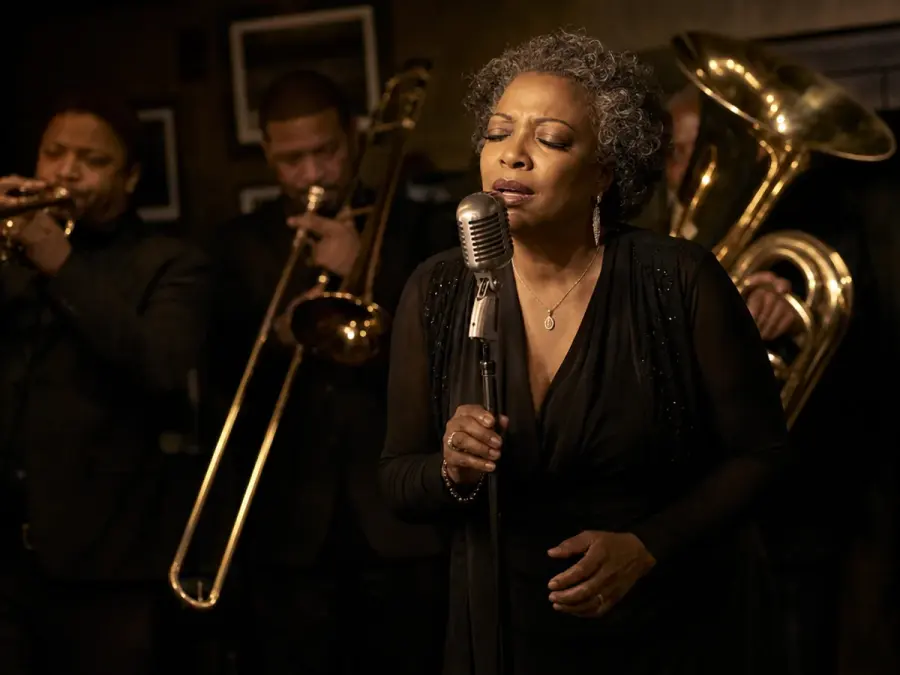
A warm lead vocal, active horn arrangement, and melodic bridge let this love song remain distinctly band-centered.
Eighth reflects the successful balance of intimacy and ensemble detail. The image avoids couples and keeps attention on the conversation among instruments.
7. Feelin' Stronger Every Day — 7. Feelin' Stronger Every Day
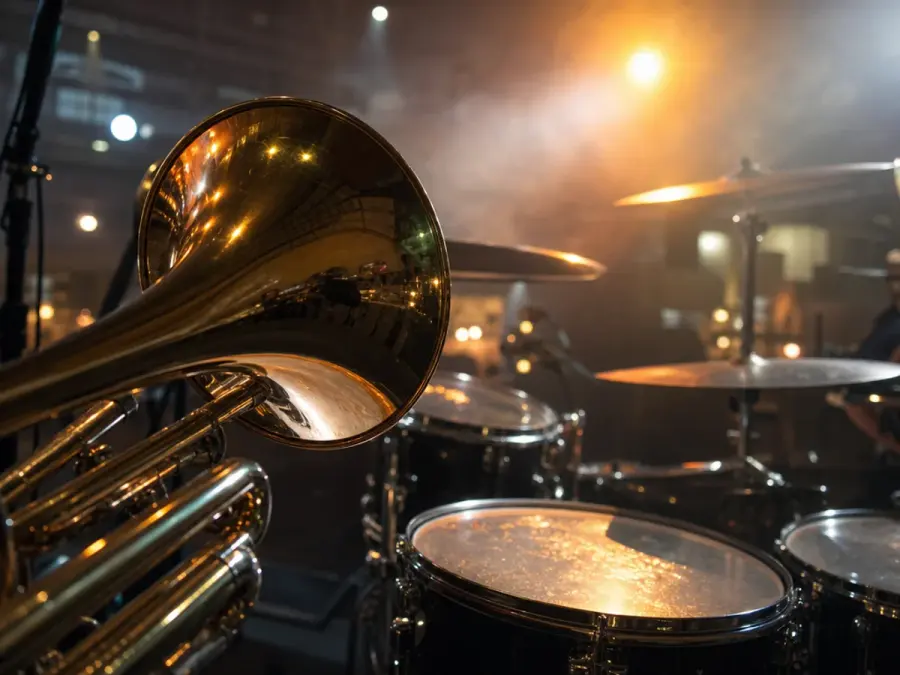
A melodic opening grows into a faster, horn-powered closing section, turning recovery into musical acceleration.
Seventh rewards arrangement architecture and group energy. We describe the public emotional arc without quoting lyrics or linking it to private band relationships.

6. Hard to Say I'm Sorry / Get Away — 6. Hard to Say I'm Sorry / Get Away
A restrained ballad blooms into the horn-charged “Get Away,” allowing two Chicago identities to coexist in one sequence.
Grammy's profile lists a pop-group nomination. Sixth rewards that dramatic pivot rather than treating only the radio-length first section as the whole work.
5. Saturday in the Park — 5. Saturday in the Park
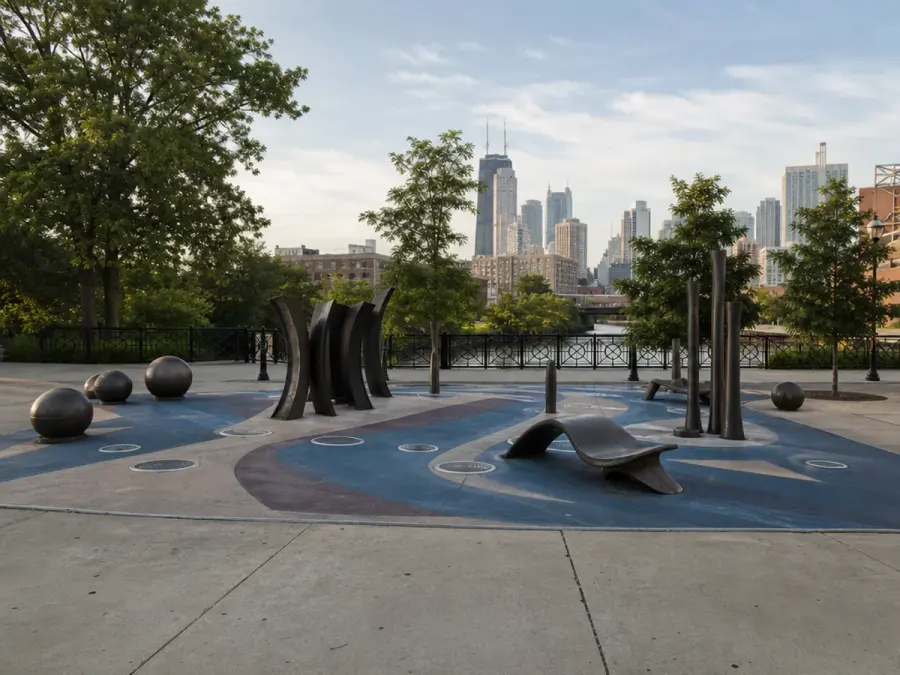
Piano, horns, shifting street-level scenes, and an easy ensemble groove make this one of Chicago's most welcoming records.
Fifth rewards vivid public observation without depending on a specific city landmark. The visual uses a generic community park, not identifiable people.
4. If You Leave Me Now — 4. If You Leave Me Now
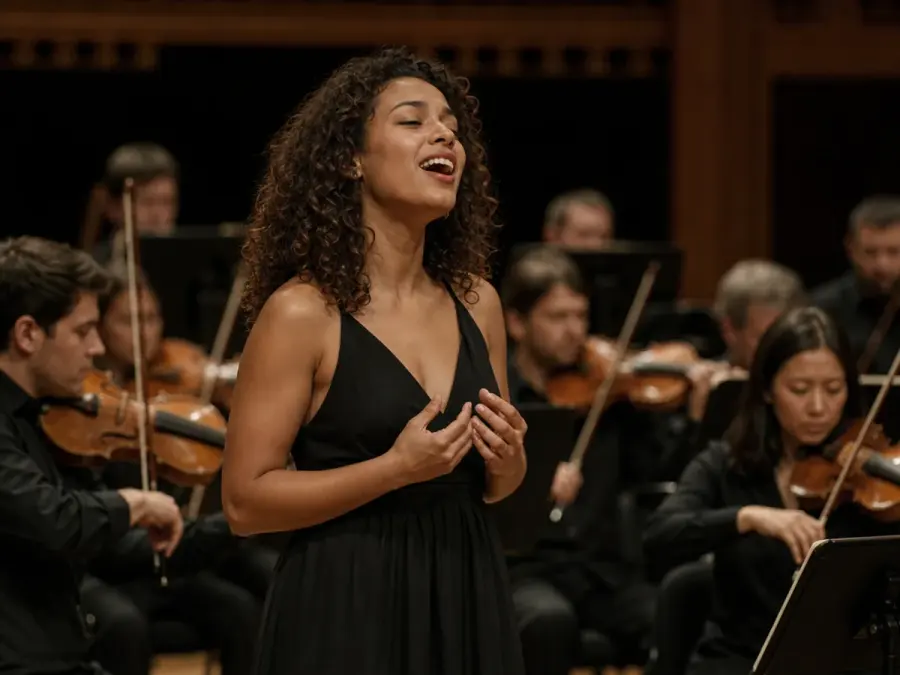
A delicate vocal, acoustic texture, and orchestral arrangement gave Chicago its Grammy-winning pop-group performance.
Fourth recognizes control and a career-changing ballad identity. The gallery avoids romantic portraits and evaluates the recording rather than any real relationship narrative.

3. Beginnings — 3. Beginnings
An extended groove, layered percussion, conversational vocal, and gradually intensifying horns make “Beginnings” a blueprint for early Chicago.
Third rewards ensemble development across a long runtime. Its improvisational feel never loses the song's inviting melodic center.
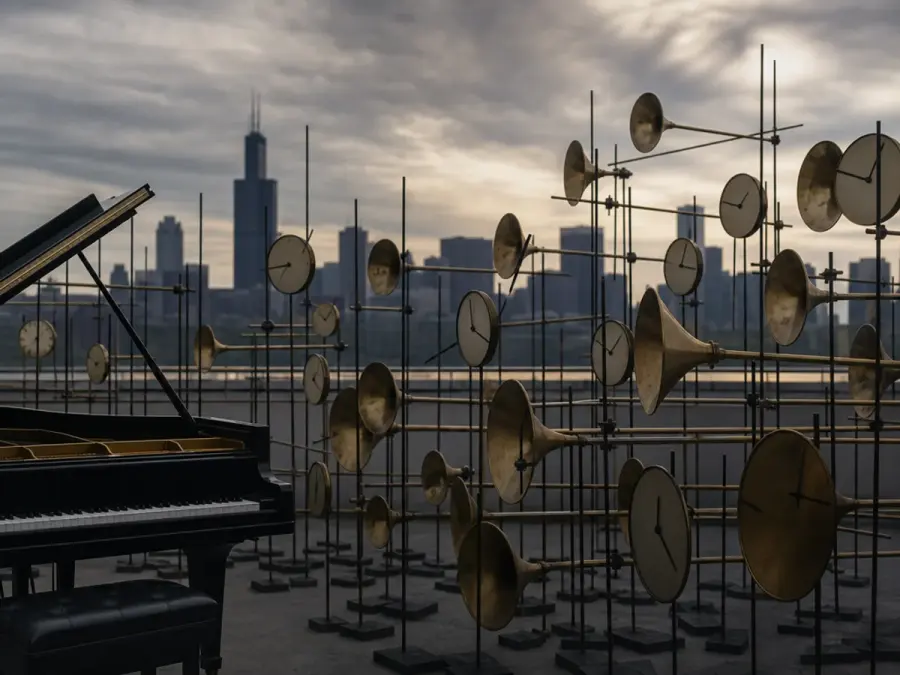
2. Does Anybody Really Know What Time It Is? — 2. Does Anybody Really Know What Time It Is?
A free piano opening, rhythmic shifts, bright horns, and a philosophical pop center condense Chicago's early ambition into one accessible track.
Second reflects composition and identity. The image avoids clocks tied to brands and does not reproduce the title's lyrical questions.
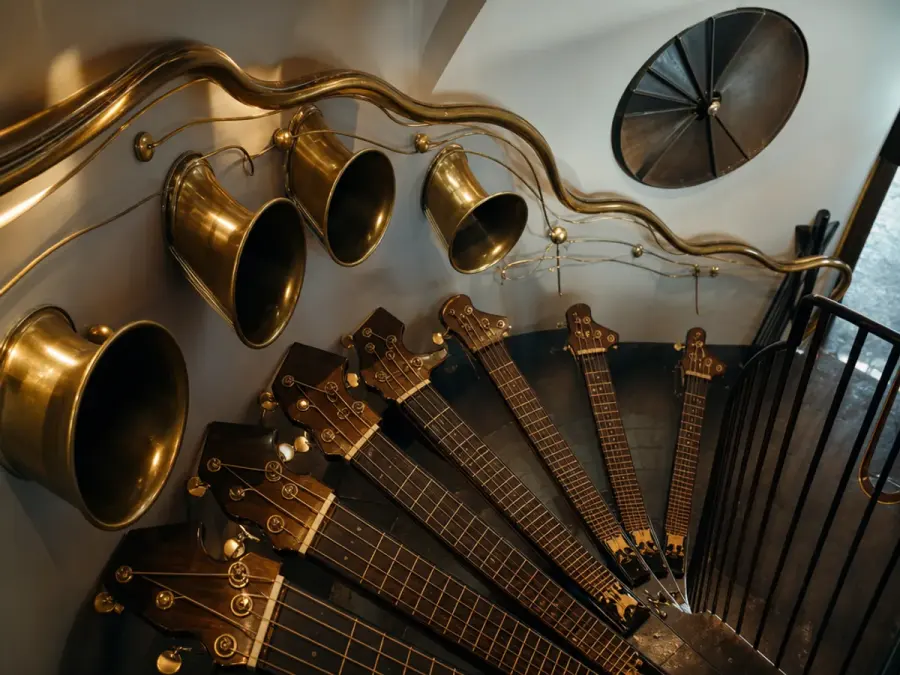
1. 25 or 6 to 4 — 1. 25 or 6 to 4
Our top gateway joins an unmistakable descending guitar figure, forceful horns, shifting dynamics, and a title mysterious enough to invite attention.
It best demonstrates Chicago as a rock band with a genuine brass section, not a rock act using horns as decoration.
Featured galleries







































































































































































































































































































































































































































































