14 Christian Songs, Ranked as a Cross-Tradition Listening Guide
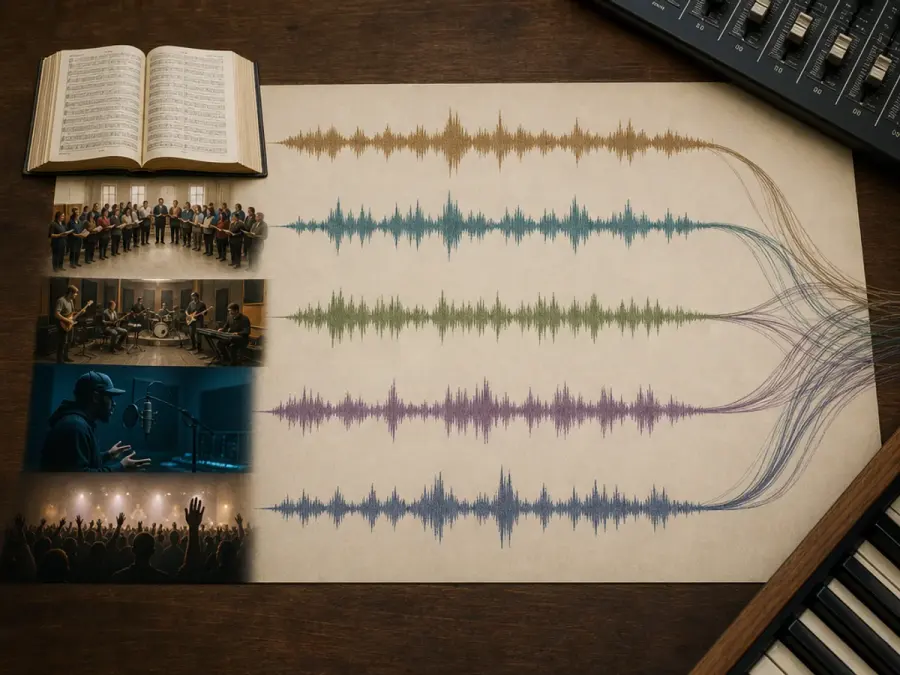
A Music Guide, Not a Theology Scorecard — A Music Guide, Not a Theology Scorecard
Christian music includes spirituals, hymns, gospel, worship, rock, country, rap, and pop shaped by different communities. One list cannot represent every tradition.
These selections open listening paths and are ranked by musical and historical gateway value, not the truth of their beliefs.

14. Oceans (Where Feet May Fail) — Hillsong UNITED — 14. Oceans (Where Feet May Fail) — Hillsong UNITED
A patient build and spacious live arrangement made “Oceans” a major modern worship gateway.
It opens our list because its long-form congregational structure serves a specific setting, while the songs ahead broaden historical or genre coverage. No church endorsement is implied.

13. Reckless Love — Cory Asbury — 13. Reckless Love — Cory Asbury
A clear melodic rise and accessible central phrase made this a widely heard contemporary worship recording.
Thirteenth recognizes congregational reach while noting that listeners and theologians may interpret the title differently. This gallery evaluates the music, not that doctrinal discussion.

12. Way Maker — Sinach — 12. Way Maker — Sinach
Written and first recorded by Nigerian artist Sinach, “Way Maker” traveled through churches and cover versions around the world.
Twelfth rewards global reach and adaptability. S. worship success from erasing its Nigerian authorship.
11. Jireh — Elevation Worship and Maverick City Music — 11. Jireh — Elevation Worship and Maverick City Music
Two worship collectives share a spacious live performance that values repeated musical development over radio brevity.
Eleventh reflects collaboration and congregational use. The title comes from a biblical name, but the image avoids depicting God or making claims about provision outcomes.
10. Your Power — Lecrae and Tasha Cobbs Leonard — 10. Your Power — Lecrae and Tasha Cobbs Leonard
Rap testimony and gospel vocal force meet in a collaboration recognized in the Recording Academy's 2024 contemporary Christian performance/song field.
It enters the top ten for genre bridge and complementary voices. The slide does not quote personal testimony or infer private experience.

9. I Can Only Imagine — MercyMe — 9. I Can Only Imagine — MercyMe
A reflective premise, direct melody, and gradual pop-rock lift helped this recording reach far beyond its initial Christian-radio setting.
Ninth rewards accessibility and durability. The gallery presents the song's public theme without depicting heaven or asserting what an afterlife looks like.

8. Graves Into Gardens — Elevation Worship featuring Brandon Lake — 8. Graves Into Gardens — Elevation Worship featuring Brandon Lake
A dramatic live build and transformation-centered refrain made this a major modern worship crossover. Eighth reflects performance architecture and gateway value.
The image keeps transformation symbolic, avoiding graves, miracles, artist likenesses, church branding, and official stage design.
7. That's My King — CeCe Winans — 7. That's My King — CeCe Winans
The Recording Academy named “That's My King” the 2025 Best Contemporary Christian Music Performance/Song winner.
Winans' gospel-rooted vocal authority and the song's accessible structure give it seventh. Recognition supports the case but does not turn an award list into our ranking.

6. Hard Fought Hallelujah — Brandon Lake with Jelly Roll — 6. Hard Fought Hallelujah — Brandon Lake with Jelly Roll
Two contrasting voices move from struggle toward release in the 2026 Grammy winner for contemporary Christian performance/song.
Sixth rewards crossover reach and dramatic structure. We name public themes without treating the singers' private lives as evidence or quoting lyrics.

5. You Say — Lauren Daigle — 5. You Say — Lauren Daigle
A low-register vocal, steady pulse, and identity-centered theme gave “You Say” uncommon reach between Christian and mainstream adult-pop audiences.
Fifth reflects that crossover without treating popularity as proof of doctrine. The visual avoids Daigle's likeness and official performance styling.
4. Stomp — God's Property featuring Kirk Franklin — 4. Stomp — God's Property featuring Kirk Franklin
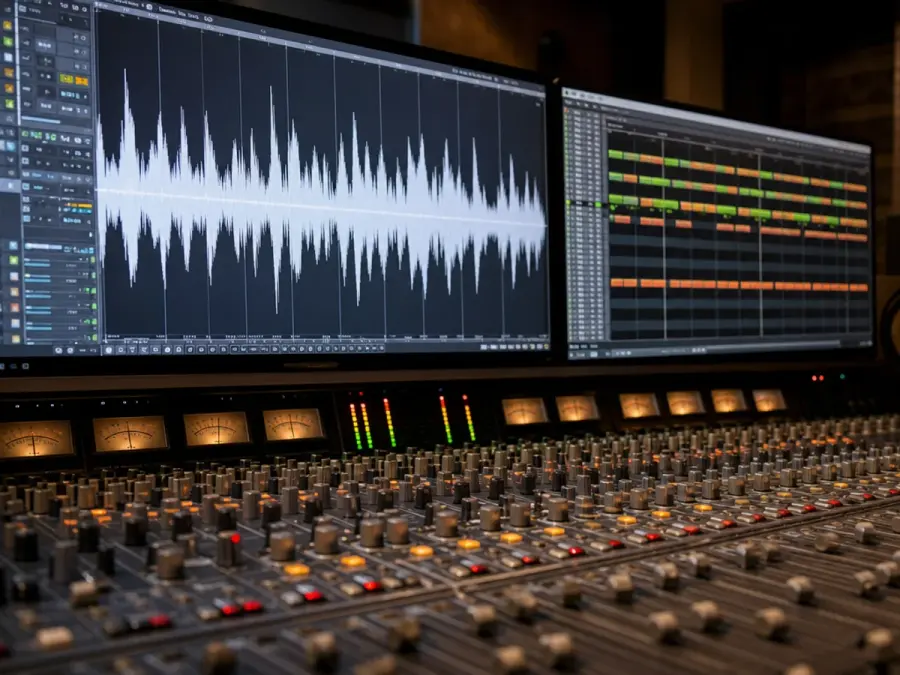
Choir power, funk rhythm, and contemporary production make “Stomp” a decisive bridge between gospel tradition and late-1990s popular sound.
Fourth rewards innovation, community energy, and genre expansion. The proposed image uses abstract ensemble rhythm rather than copied choreography.

3. Oh Happy Day — Edwin Hawkins Singers — 3. Oh Happy Day — Edwin Hawkins Singers
A gospel arrangement of a traditional hymn became a major crossover recording and reshaped expectations for choir music in popular markets.
Third reflects historical influence and ensemble performance. We do not quote the refrain or recreate period portraits of the singers.

2. Amazing Grace — Traditional, Newton text — 2. Amazing Grace — Traditional, Newton text
The hymn's long life across congregations, folk performance, gospel, memorials, and public ceremonies gives it unmatched adaptability.
Second place refers to the song tradition rather than one definitive recording. Historical authorship and later melodic development should be credited, not treated as anonymous content.
1. Take My Hand, Precious Lord — Thomas A. Dorsey — 1. Take My Hand, Precious Lord — Thomas A. Dorsey
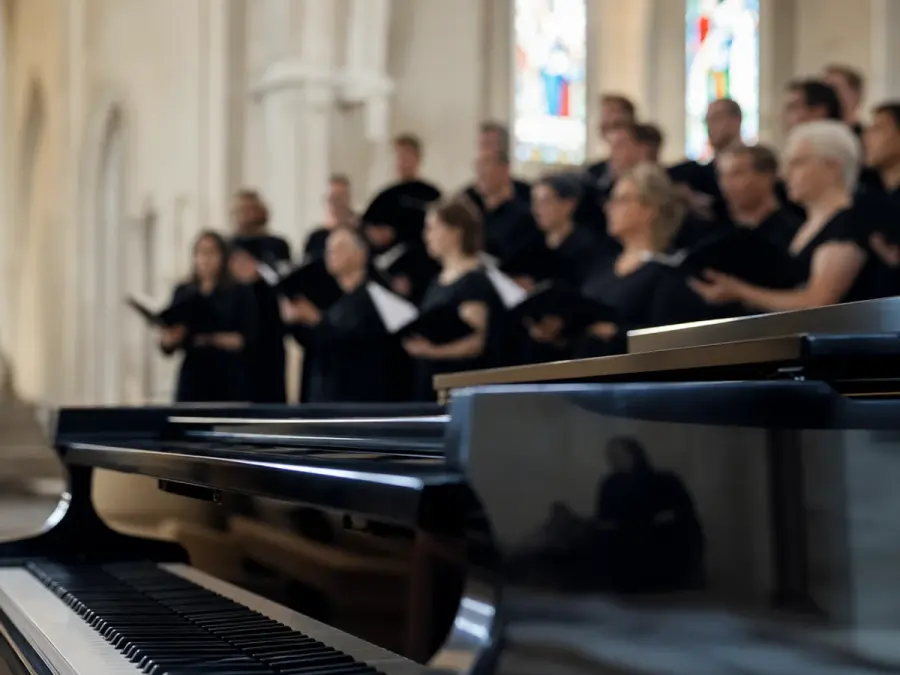
Our top gateway connects gospel composition, personal lament, congregational singing, and generations of interpretation.
It is historically foundational while still emotionally immediate. First place rewards musical and cultural reach, not a judgment that one Christian tradition is superior to another.
Featured galleries







































































































































































































































































































































































































































































