15 College Football Programs That Explain the Sport's Landscape

Alabama Crimson Tide — Alabama Crimson Tide
Alabama represents sustained Southeastern Conference power across multiple coaching eras, with a long record of national championships and NFL development.
The program's prominence also shows how resources, recruiting, expectations, and institutional history can compound over decades rather than one season.
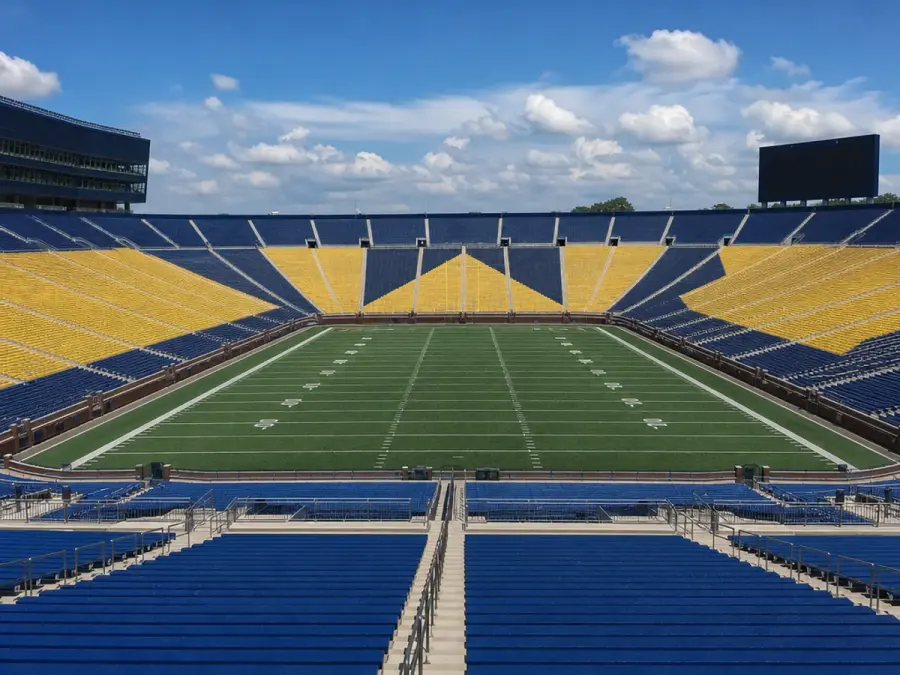
Michigan Wolverines — Michigan Wolverines
Michigan connects Big Ten history, a massive home stadium, a national alumni base, and a long rivalry with Ohio State.
Its eras of success and reinvention illustrate how tradition can be both recruiting asset and pressure. Current results remain date-sensitive.

Ohio State Buckeyes — Ohio State Buckeyes
Ohio State's recruiting reach, Big Ten position, consistent win totals, and rivalry with Michigan make it a central Midwestern program.
It demonstrates how a major public university can combine statewide support, national expectations, and frequent postseason relevance.
Notre Dame Fighting Irish — Notre Dame Fighting Irish
Notre Dame's football independence, national schedule, private-university identity, and broadcast reach give it a structure unlike most major programs.
Conference affiliation in other sports complicates simple labels. Its history shows how institutional brand can shape scheduling and postseason access.

USC Trojans — USC Trojans
USC links West Coast recruiting, Los Angeles media, Heisman history, and major-conference realignment.
The program's move into the Big Ten illustrates how geography no longer strictly defines conferences. Travel, rivalries, and athlete workload now sit inside the competitive story.
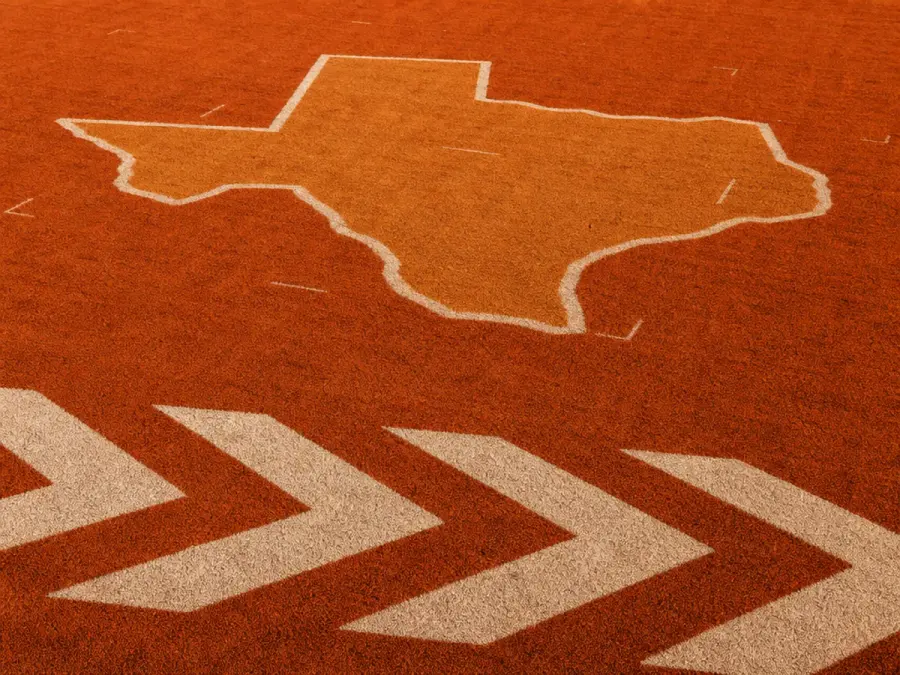
Texas Longhorns — Texas Longhorns
Texas brings enormous statewide attention, recruiting territory, resources, and a distinctive rivalry history. Its move to the SEC changed scheduling and competitive context.
The program illustrates how conference realignment can transform familiar regional matchups while restoring others.

Oklahoma Sooners — Oklahoma Sooners
Oklahoma combines a long national-title history, prolific offenses, and rivalry ties across the southern plains.
Moving from the Big 12 to SEC changes its weekly environment. The program helps explain how historic power travels into a new conference without guaranteed results.
Georgia Bulldogs — Georgia Bulldogs
Georgia's recent championship era rests on recruiting, defense, development, and deep resources within the SEC.
Its trajectory shows how a historically prominent program can move into a period of sustained modern dominance. Each new season still requires a fresh, dated evaluation.
LSU Tigers — LSU Tigers
LSU connects Louisiana recruiting, distinctive game-day culture, and championships achieved under different coaches and offensive identities.
That variation shows a program can win through multiple systems. It also highlights how coaching transitions can quickly alter roster and strategy.
Penn State Nittany Lions — Penn State Nittany Lions
Penn State represents a large Big Ten public university with broad regional support, a recognizable stadium environment, and annual pressure to convert strong seasons into elite postseason results.
Responsible coverage must separate current teams from serious institutional history and accountability.

Oregon Ducks — Oregon Ducks
Oregon's rise illustrates the influence of branding, facilities, donor resources, creative uniforms, and national recruiting on a program outside the older eastern power centers.
Its Big Ten membership now pairs Pacific identity with extensive travel and new recurring opponents.

Florida State Seminoles — Florida State Seminoles
Florida State's history includes national championships, elite recruiting, and a rapid rise under Bobby Bowden, followed by later cycles of decline and recovery.
The university's relationship with the Seminole Tribe of Florida requires specific context, not generic mascot commentary.

Clemson Tigers — Clemson Tigers
Clemson's 2010s championship run showed how stable coaching, quarterback development, recruiting, and facilities could turn an ACC program into a national power.
Later seasons demonstrate that competitive windows change, making historical résumé and current strength separate questions.

Nebraska Cornhuskers — Nebraska Cornhuskers
Nebraska's championship history, walk-on tradition, and national fan base contrast with recent rebuilding challenges.
The program helps explain how conference change, recruiting geography, facilities, and modern roster movement can complicate efforts to recreate an earlier era.

Army Black Knights — Army Black Knights
Army represents service-academy football, where military obligations, admissions, roster size, and option-based strategy create a distinctive model.
The annual Army–Navy game carries sporting and institutional meaning. Athletes remain cadets with commitments beyond football, not only entertainment figures.
Featured galleries







































































































































































































































































































































































































































































