15 Computer Games That Expanded the Medium
The Computer as a Flexible Playground — The Computer as a Flexible Playground
Keyboards, mice, networks, and modifiable files gave computer designers unusual freedom.
The medium grew whenever a game turned one of those capabilities into a clear, inviting form of play.
DOOM — Doom
Doom made fast first-person movement immediately legible and encouraged players to share levels and modifications.
Its technical energy helped turn a single game into a broader culture of creation.
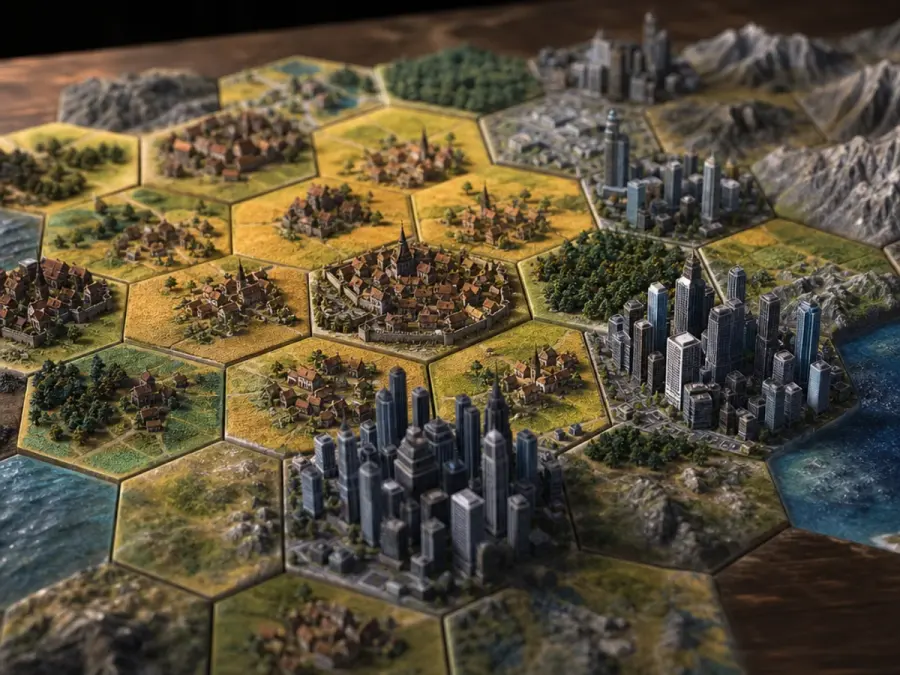
Civilization IV — Civilization IV
Civilization IV translated centuries of choices into one more compelling turn.
Clear feedback connected cities, research, diplomacy, and expansion, making a vast simulation feel understandable without making it simple.

StarCraft — StarCraft
StarCraft built competitive strategy around sharply different factions with readable strengths and weaknesses.
Its precise pacing made scouting, production, positioning, and adaptation matter in every match.

Half-Life 2 — Half-Life 2
Half-Life 2 integrated physics, environmental storytelling, and continuous first-person direction.
Ordinary objects became tools, while spaces delivered narrative without repeatedly removing control from the player.

The Sims — The Sims
The Sims turned domestic routines into an open-ended storytelling system.
Building rooms, guiding relationships, and watching unexpected behavior invited players to define their own goals and comedy.
Deus Ex — Deus Ex
Deus Ex made levels feel like problems with many valid solutions.
Conversation, stealth, exploration, and combat could overlap, allowing a player's chosen abilities to shape both route and meaning.
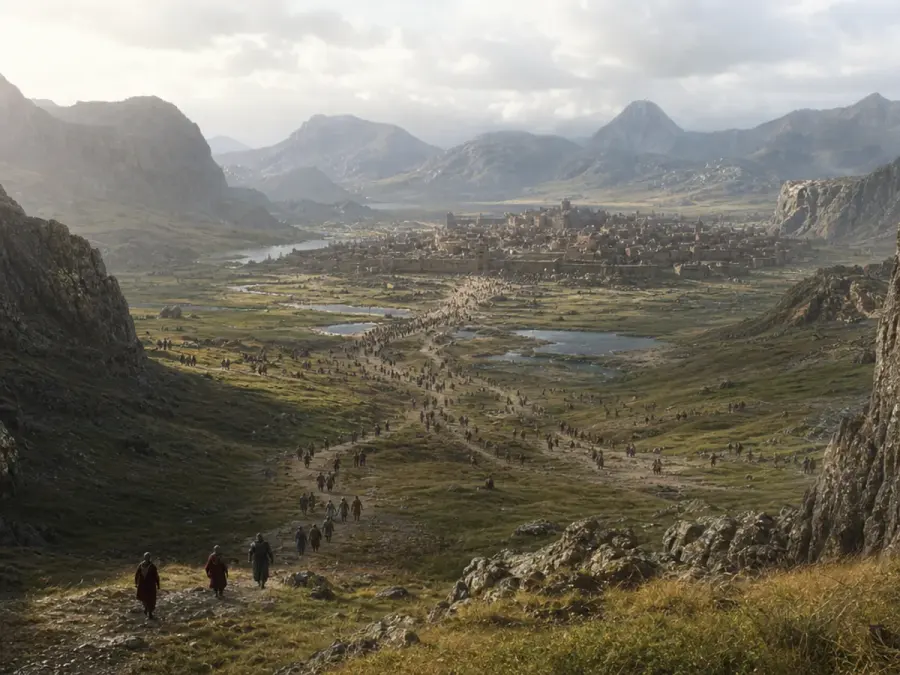
World of Warcraft — World of Warcraft
World of Warcraft made a huge online world approachable through clear quests, social gathering places, and steady progression.
Shared journeys turned geography into a setting for long-term community.
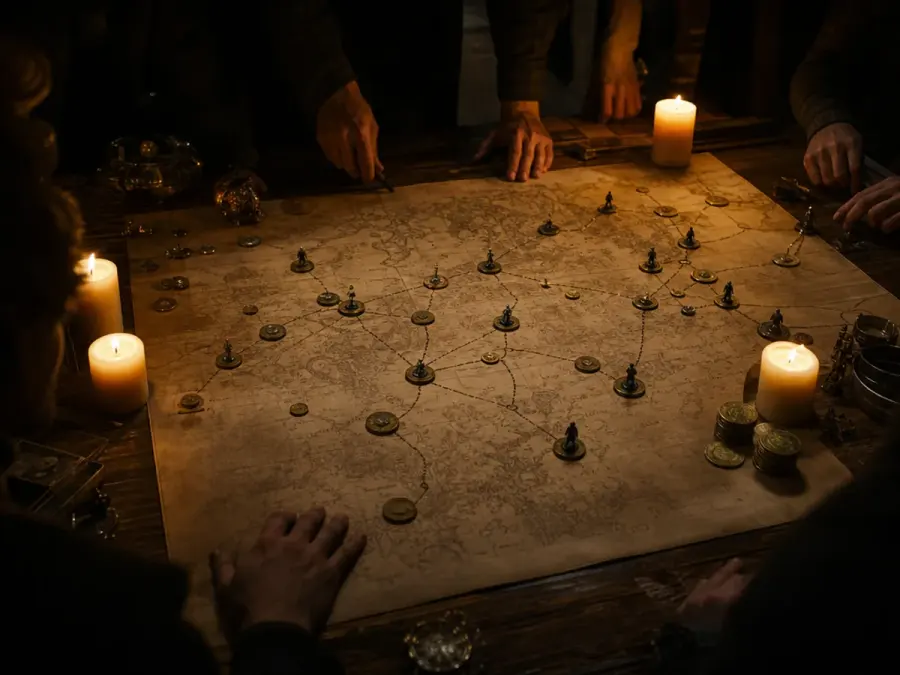
Baldur's Gate II — Baldur's Gate II
Baldur's Gate II connected tactical party combat to expansive character writing and consequential quests.
Companions felt like participants with their own priorities rather than equipment carried between battles.
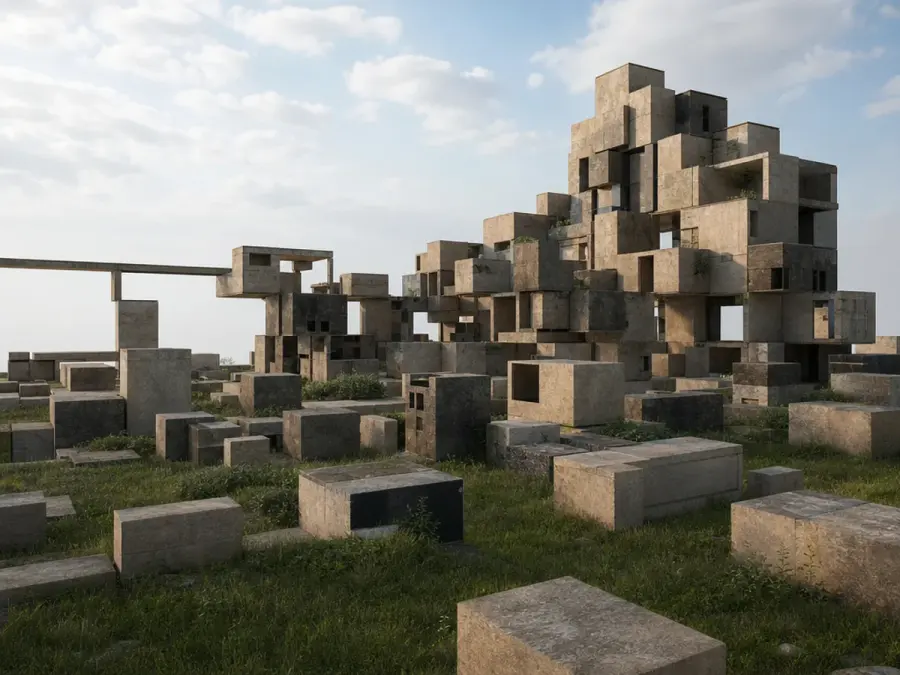
Minecraft — Minecraft
Minecraft made building, survival, exploration, and experimentation emerge from a consistent block language.
Its approachable rules supported everything from quiet homes to enormous collaborative machines.

Portal 2 — Portal 2
Portal 2 developed spatial puzzles through careful teaching, comic timing, and cooperative variations.
Each new rule arrived through play, letting increasingly strange rooms remain understandable.

Disco Elysium — Disco Elysium
Disco Elysium treated thoughts, doubts, and personality traits as active role-playing systems.
Investigation became a conversation with the protagonist's own competing instincts as much as the surrounding city.
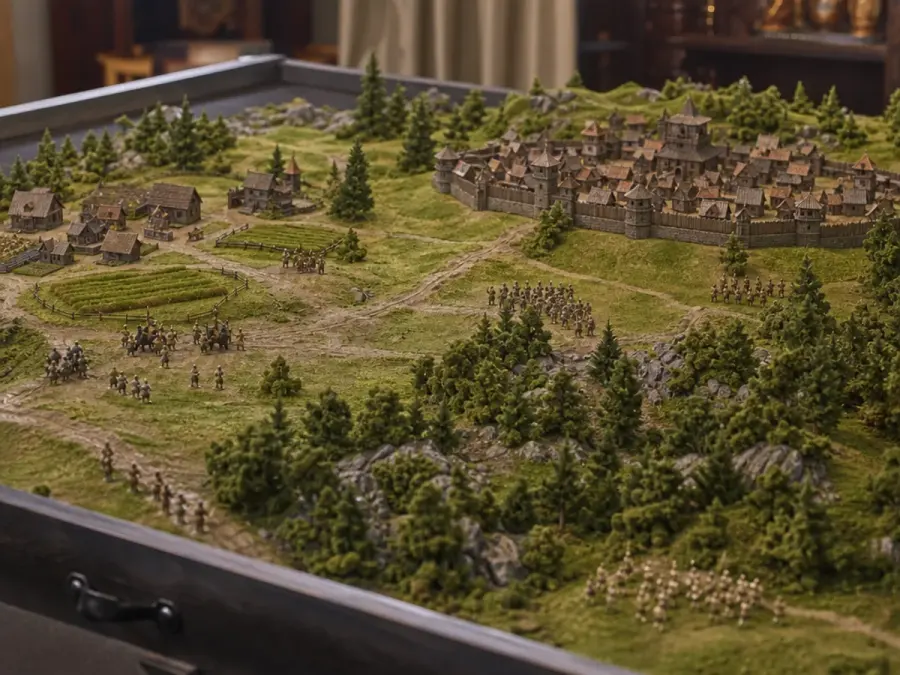
Age of Empires II — Age of Empires II
Age of Empires II balanced economy, expansion, and battlefield control in a rhythm that remained readable across many strategies.
Its durable structure made learning and mastery equally satisfying.
SimCity 2000 — SimCity 2000
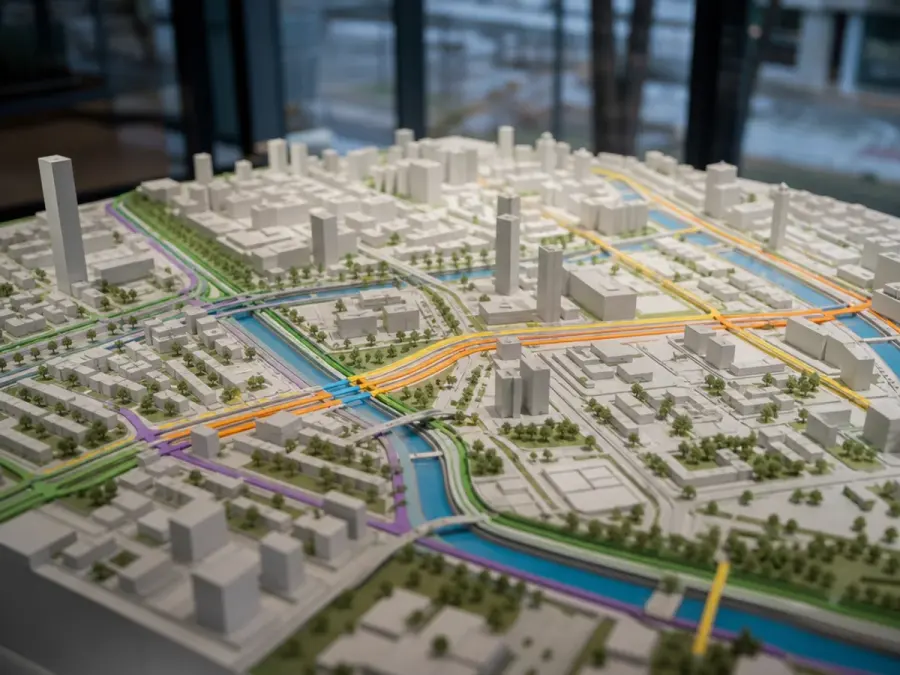
SimCity 2000 made a city feel like an interconnected machine rather than a decorative map.
Zoning, transport, utilities, and public needs revealed how one local decision could reshape everything nearby.
X-COM: UFO Defense — X-COM: UFO Defense
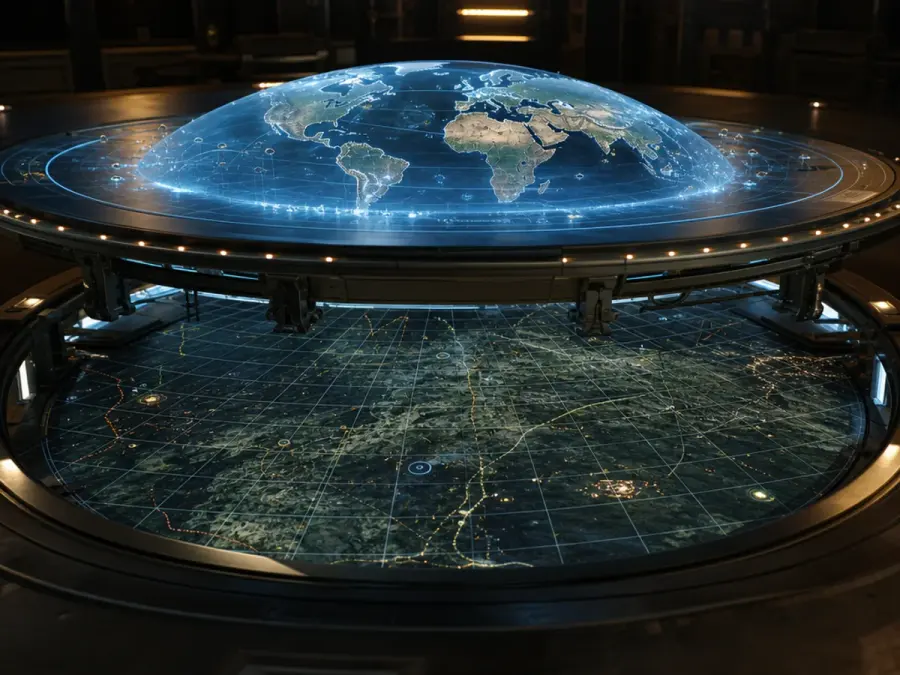
X-COM joined global planning to fragile tactical missions where every recruit mattered.
Limited information and permanent consequences made small choices feel tense across both layers of play.
Featured galleries







































































































































































































































































































































































































































































