15 Exceptionally Tall Players in NBA History
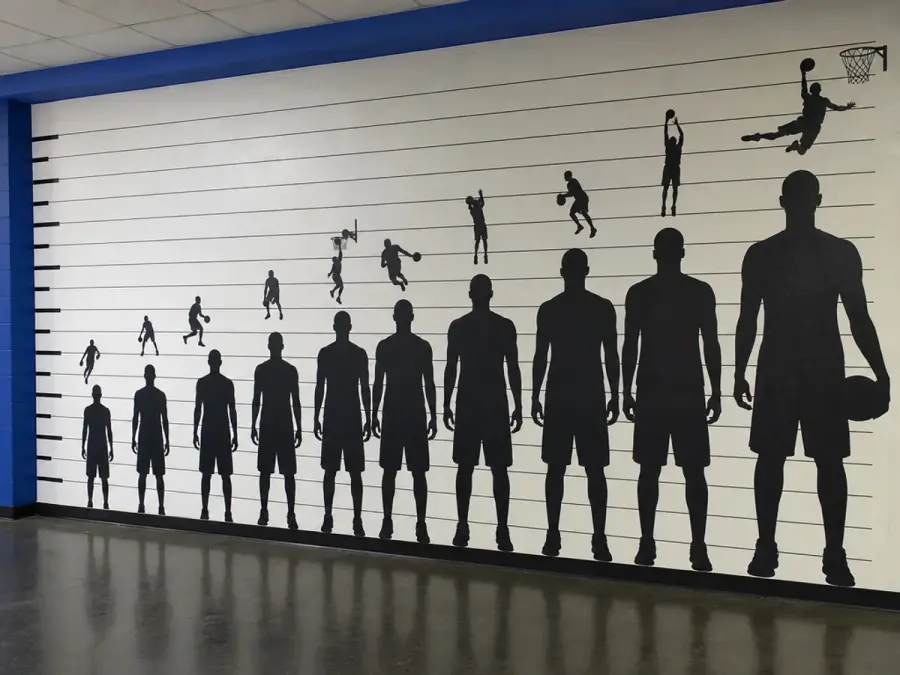
What a Listed Height Can—and Cannot—Explain — What a Listed Height Can—and Cannot—Explain
Extraordinary height changes sight lines, release points, rebounding reach, and the space a defender can cover.
It does not guarantee mobility, durability, touch, timing, or a role suited to the era.
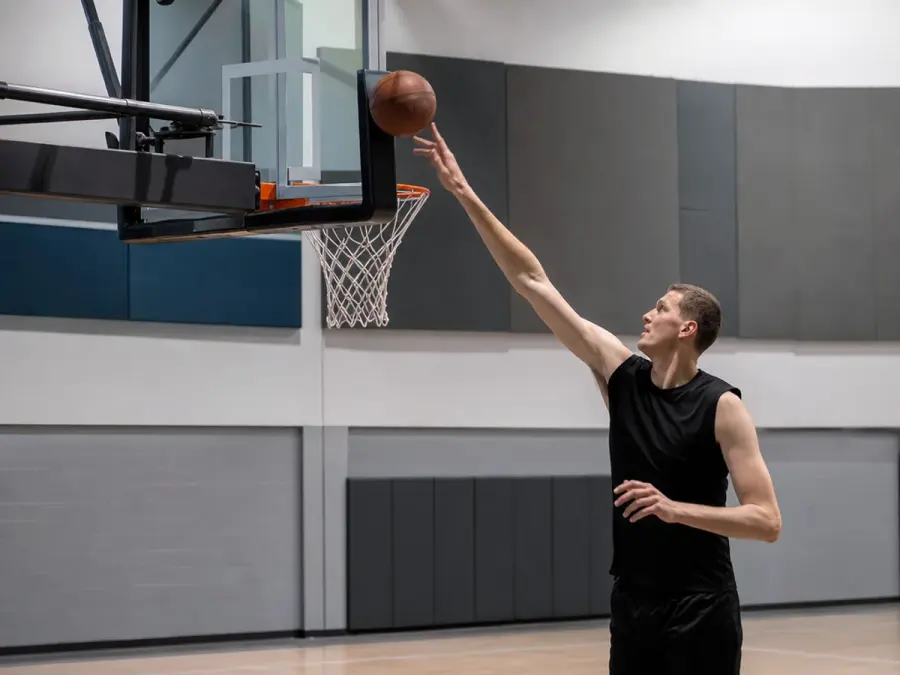
Gheorghe Mureșan — Touch at 7-Foot-7 — Gheorghe Mureșan — Touch at 7-Foot-7
Mureșan is commonly listed at 7-foot-7 and shared the NBA's tallest-player distinction.
His productive seasons showed that size was most useful when paired with soft finishing, positioning, and patience around the basket.
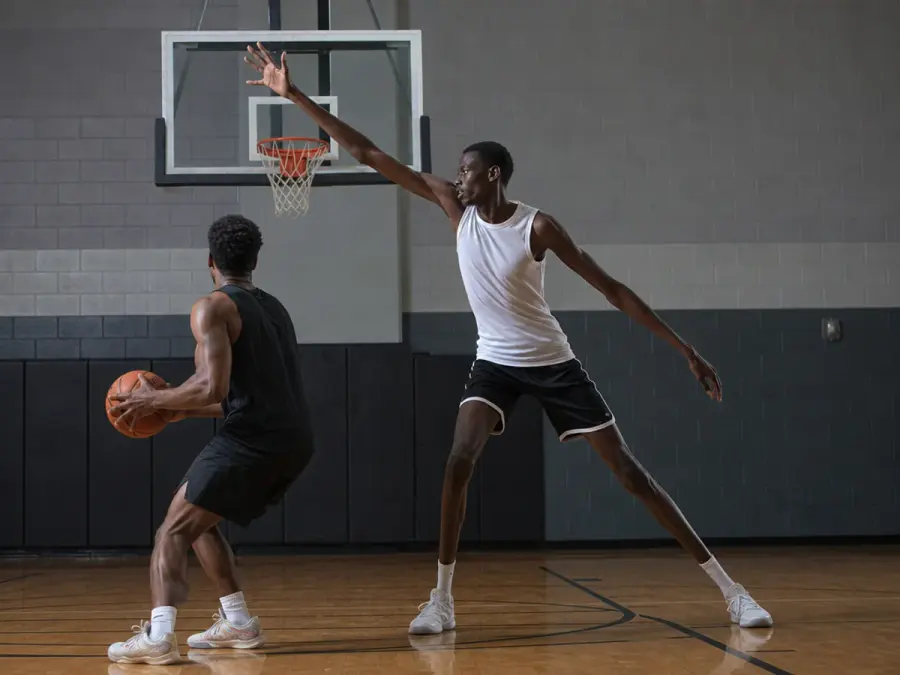
Manute Bol — Reach as a Defensive Event — Manute Bol — Reach as a Defensive Event
Bol, also commonly listed at 7-foot-7, made shot blocking his defining NBA skill.
His narrow frame and unusual range created a player unlike the conventional power center, with defensive reach opponents had to consider early.
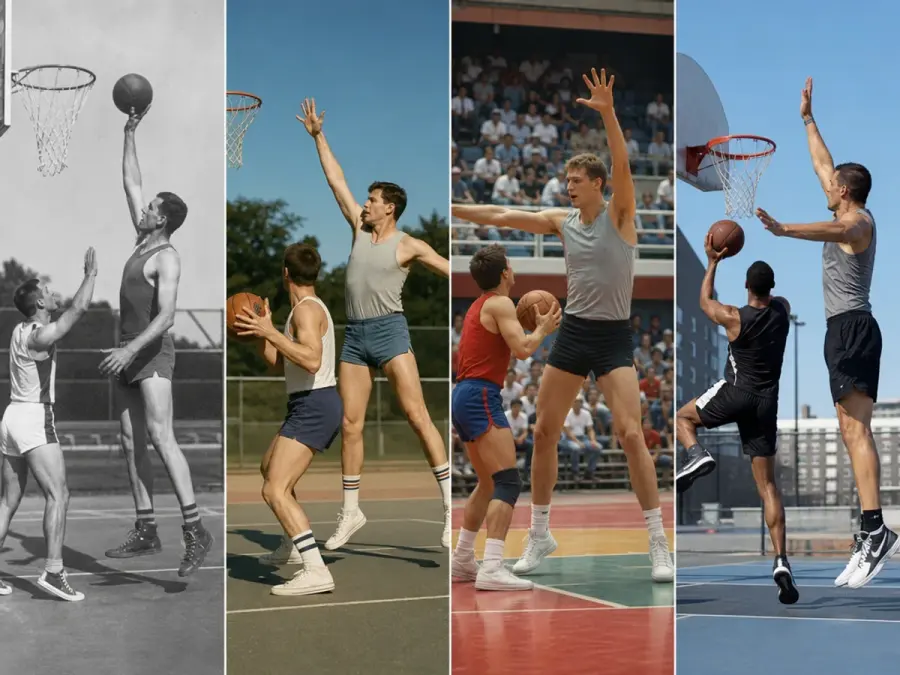
Shawn Bradley — Length Across a Long Career — Shawn Bradley — Length Across a Long Career
Bradley's 7-foot-6 listing made him an obvious rim protector, but longevity required more than standing near the basket.
He navigated changing matchups and expectations across more than a decade of NBA basketball.
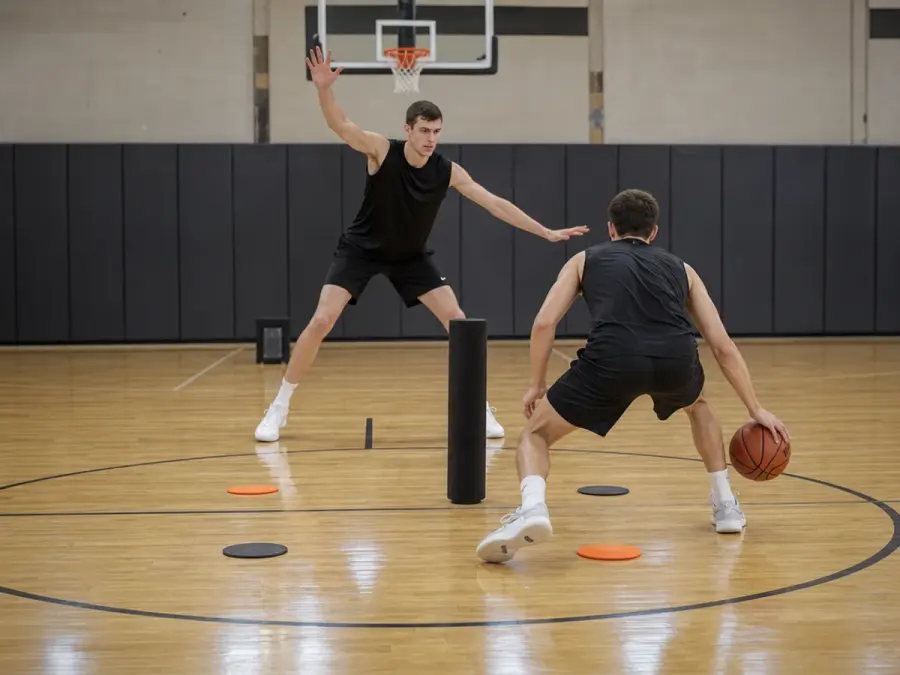
Yao Ming — Size Joined With Refinement — Yao Ming — Size Joined With Refinement
Yao was commonly listed at 7-foot-6, yet his appeal came from polished footwork, shooting touch, passing awareness, and balance.
His game made extraordinary height look coordinated rather than merely imposing.
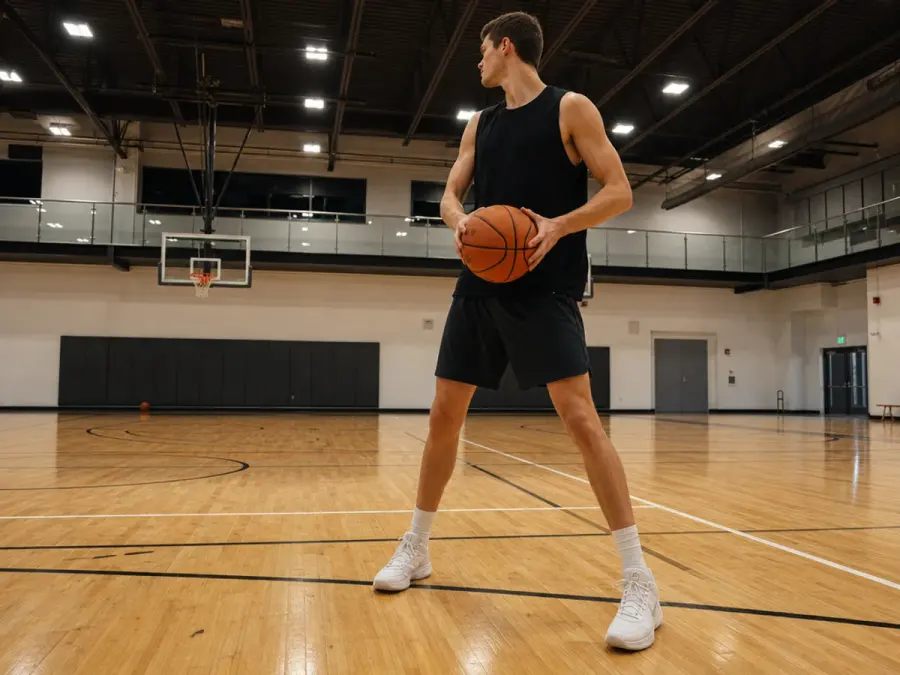
Tacko Fall — Presence in Limited Minutes — Tacko Fall — Presence in Limited Minutes
Fall's 7-foot-6 listing made every appearance visually striking.
His NBA role was limited, illustrating the modern challenge for enormous centers: teams also ask them to defend space, change direction, and fit faster lineups.
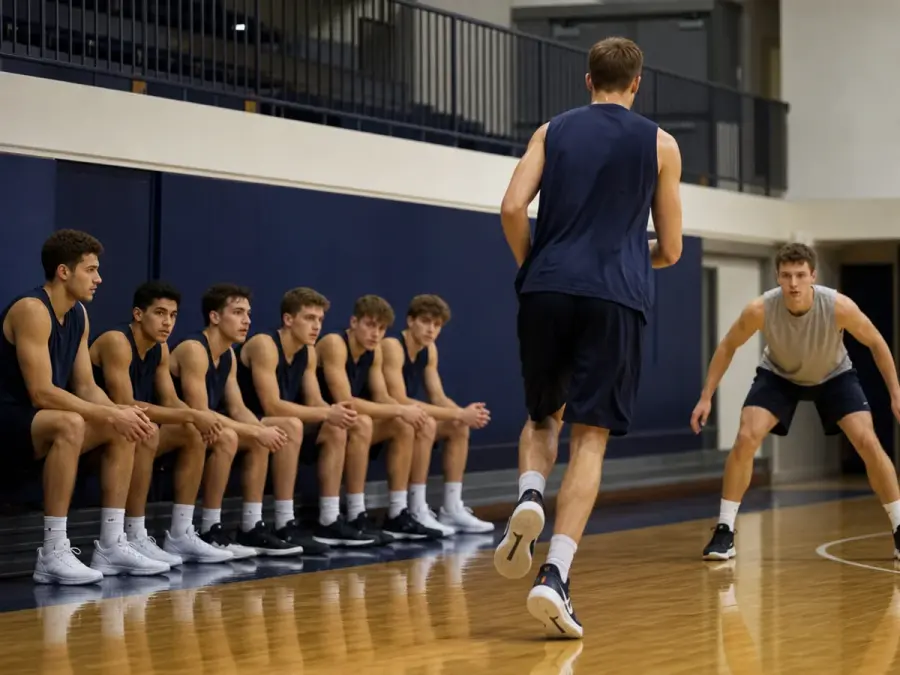
Chuck Nevitt — The Specialist's Path — Chuck Nevitt — The Specialist's Path
Nevitt, commonly listed at 7-foot-5, built a long professional path largely in reserve roles.
His career reflects how teams valued situational size even when a player was not expected to anchor the rotation.
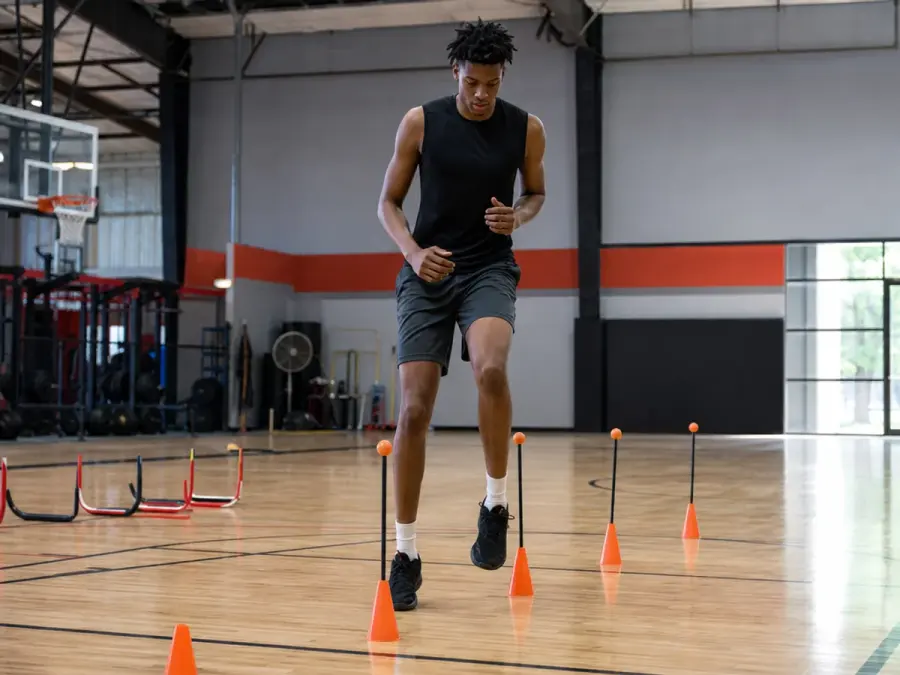
Pavel Podkolzin — Projection Meets Opportunity — Pavel Podkolzin — Projection Meets Opportunity
Podkolzin's 7-foot-5 frame made him an intriguing prospect, but his NBA appearances were brief.
Height can create draft interest; development, health, timing, and roster opportunity determine whether that interest becomes a stable role.
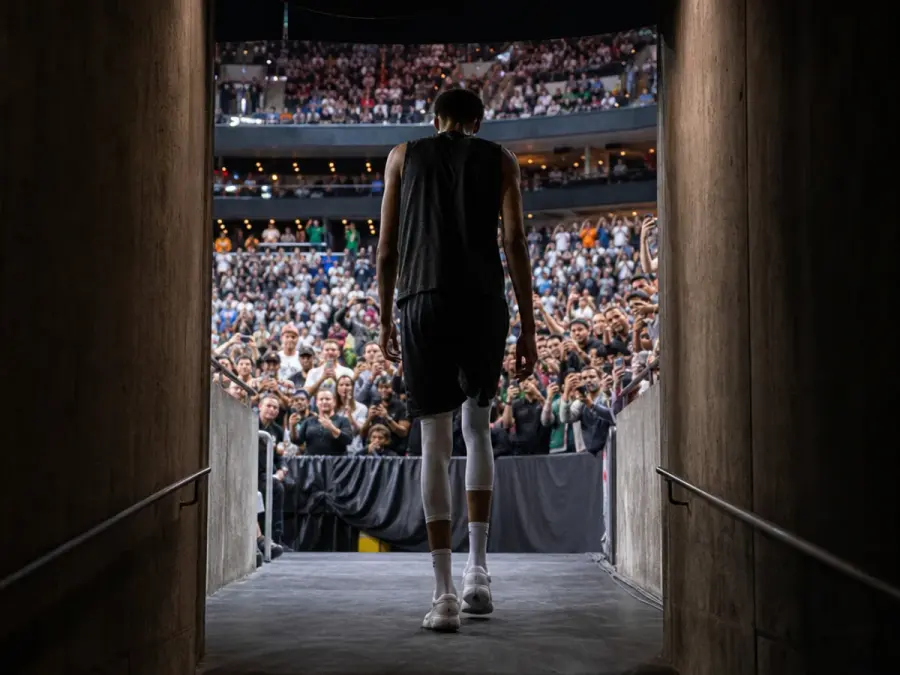
Sim Bhullar — A Barrier-Breaking Appearance — Sim Bhullar — A Barrier-Breaking Appearance
Bhullar, commonly listed at 7-foot-5, became the first player of Indian descent to appear in an NBA game.
His brief tenure still carried cultural significance beyond the number of minutes played.

Slavko Vraneš — One Game, Lasting Curiosity — Slavko Vraneš — One Game, Lasting Curiosity
Vraneš was commonly listed at 7-foot-5 and made a single NBA appearance.
His story is a reminder that record lists include very different careers, from stars and long-term specialists to the briefest possible opportunity.
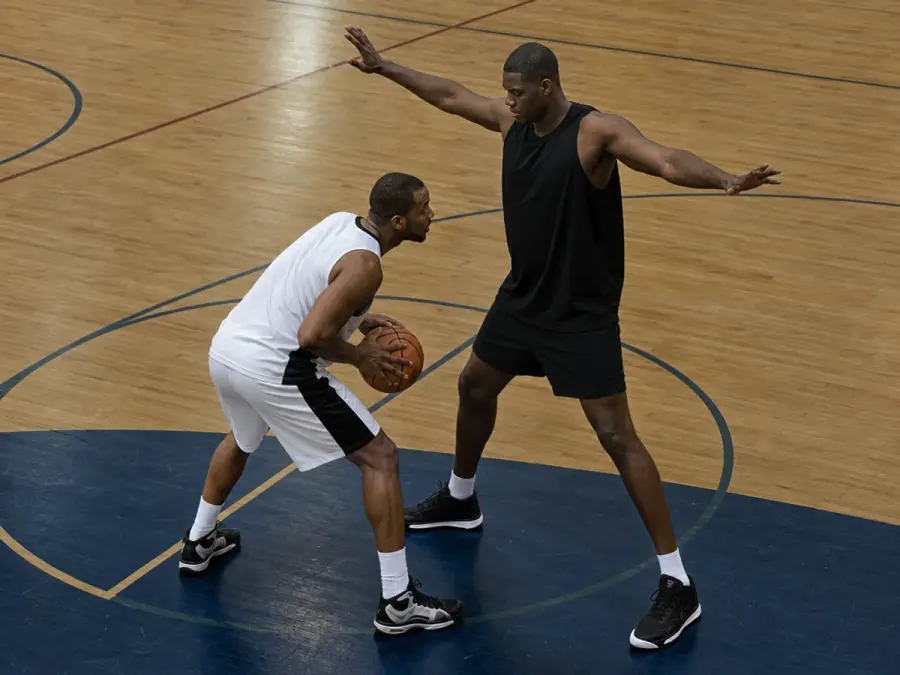
Mark Eaton — Positioning Behind the Blocks — Mark Eaton — Positioning Behind the Blocks
Eaton's 7-foot-4 listing supported elite rim protection, but his impact depended on discipline and placement.
He turned the paint into a controlled area by arriving on time rather than chasing every possible block.
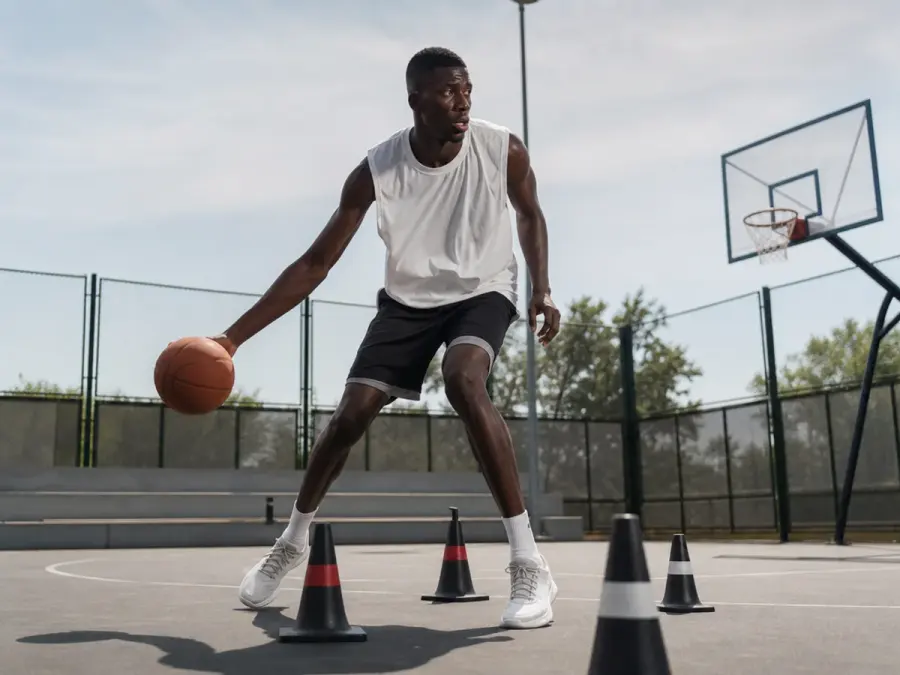
Ralph Sampson — A Big Player With Forward Skills — Ralph Sampson — A Big Player With Forward Skills
Sampson was listed at 7-foot-4 and entered professional basketball with unusual mobility and skill for his size.
His game anticipated the fascination with tall players who can operate beyond traditional center spaces.

Rik Smits — Reliable Half-Court Craft — Rik Smits — Reliable Half-Court Craft
Smits, commonly listed at 7-foot-4, became a durable scoring center through touch, footwork, and an effective midrange game.
His value came from repeatable half-court offense more than novelty about his height.

Boban Marjanović — Efficiency and Personality — Boban Marjanović — Efficiency and Personality
Marjanović's 7-foot-4 listing makes him difficult to match near the rim.
He combined efficient interior scoring with a widely recognized public warmth, showing how a reserve can become memorable beyond a conventional star role.
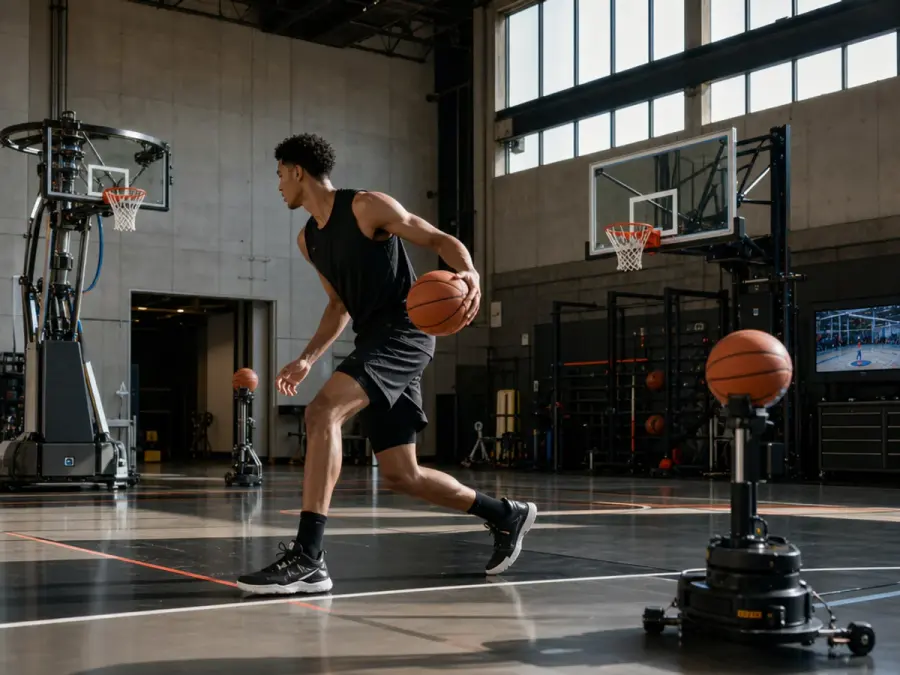
Victor Wembanyama — Height Reimagined for Today — Victor Wembanyama — Height Reimagined for Today
Wembanyama is commonly listed at 7-foot-4, but his modern significance comes from combining reach with perimeter movement, ball skills, and shooting ambition.
He represents a new question: how many traditional size limits still apply?
Featured galleries







































































































































































































































































































































































































































































