From Marion Morrison to The Duke: The Making of John Wayne
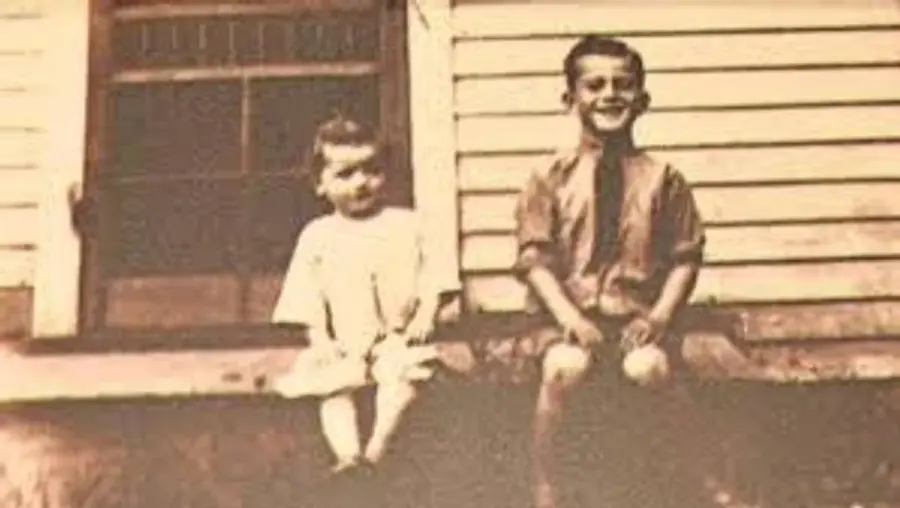
An Iowa Beginning — An Iowa Beginning
Long before he was a Hollywood legend, the future star was born Marion Robert Morrison in Winterset, Iowa, on May 26, 1907.
His modest childhood in the Midwest laid the groundwork for his strong work ethic. It was here that his family instilled the values that would later define his iconic on-screen persona.
Heading West — Heading West
In 1911, the Morrison family relocated to Southern California after his father's health required a warmer climate.
They settled in Glendale, where young Marion quickly adapted to his new surroundings. He worked various odd jobs as a boy, including delivering newspapers and helping out at local businesses.
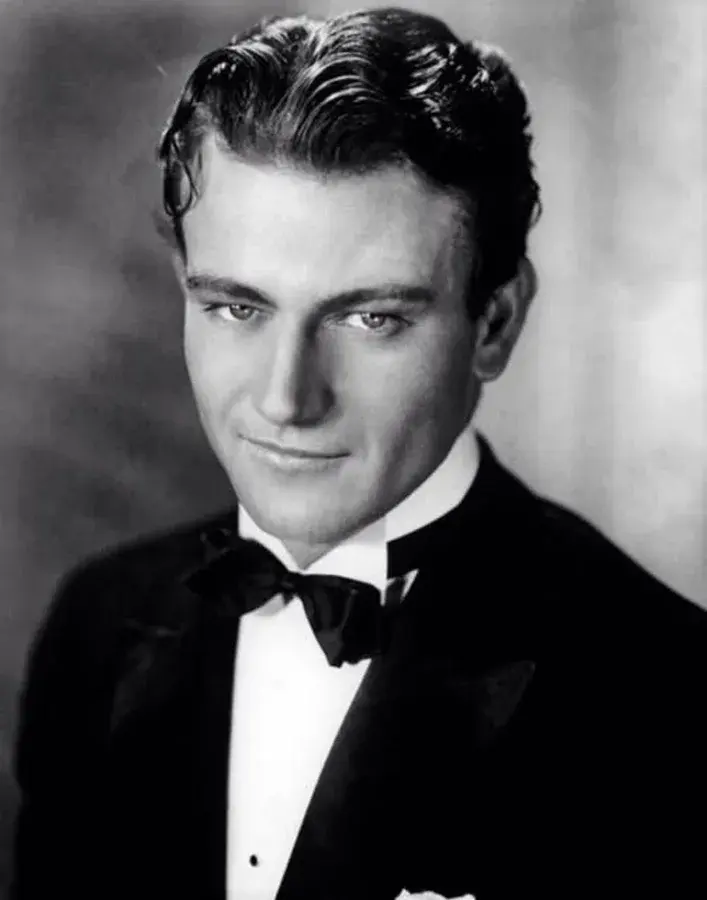
The Origin of 'Duke' — The Origin of 'Duke'
During his youth in Glendale, Marion acquired his famous nickname, 'Duke,' after his family's Airedale terrier.
Local firefighters began calling him 'Little Duke' when they saw him walking with the large dog. The moniker stuck with him for the rest of his life, far outlasting his birth name in the public eye.
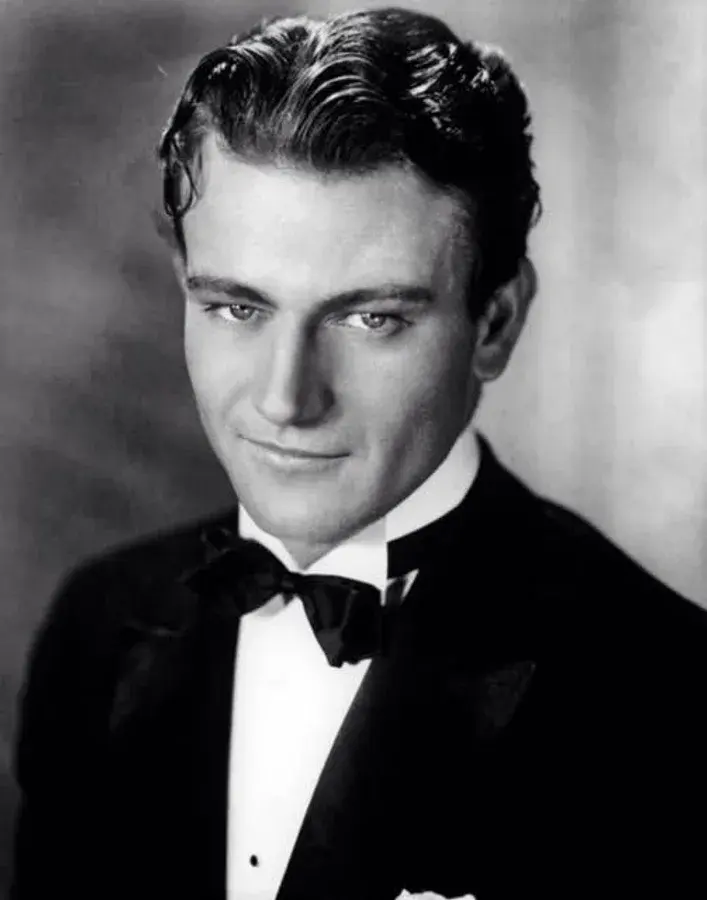
USC Gridiron Dreams — USC Gridiron Dreams
As a teenager, Marion excelled in both academics and sports, eventually earning a football scholarship to the University of Southern California.
Playing under legendary coach Howard Jones, he showed immense promise as an offensive tackle. His athletic prowess seemed to guarantee a bright future in collegiate sports.
A Fateful Wave — A Fateful Wave
In 1926, Marion's athletic career came to an abrupt halt when he suffered a severe shoulder injury while bodysurfing at Balboa Peninsula.
The injury cost him his spot on the USC football team and his crucial scholarship. Unable to afford tuition, he had to leave the university and look for alternative employment.
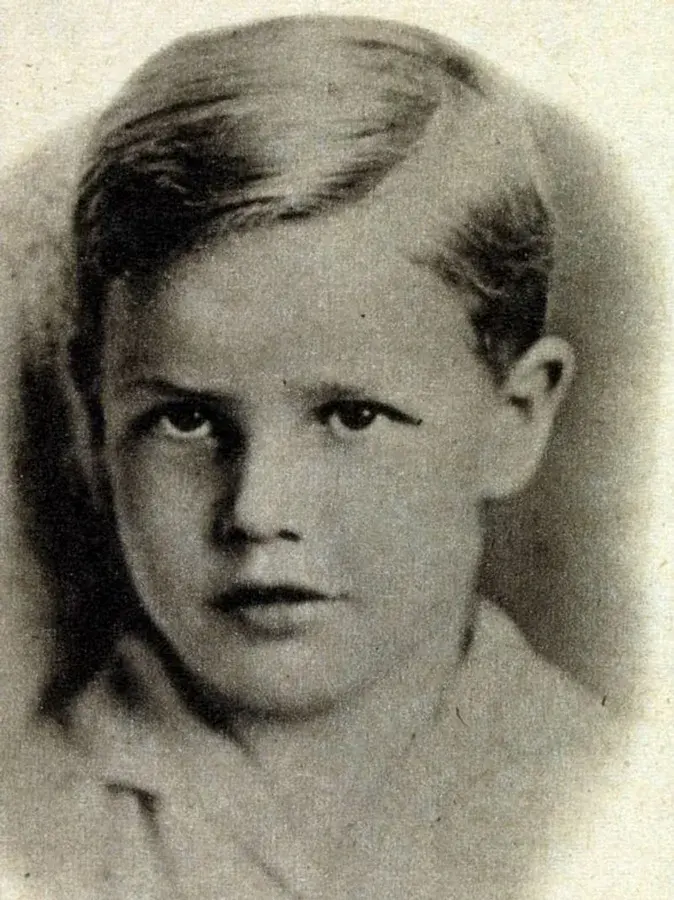
Starting from the Bottom — Starting from the Bottom
With his college days behind him, Marion found work at Fox Studios in 1927 as a prop boy and extra.
He moved heavy equipment and set up scenes, learning the mechanics of filmmaking from the ground up. This grueling physical labor helped him build connections with influential directors.
Meeting John Ford — Meeting John Ford
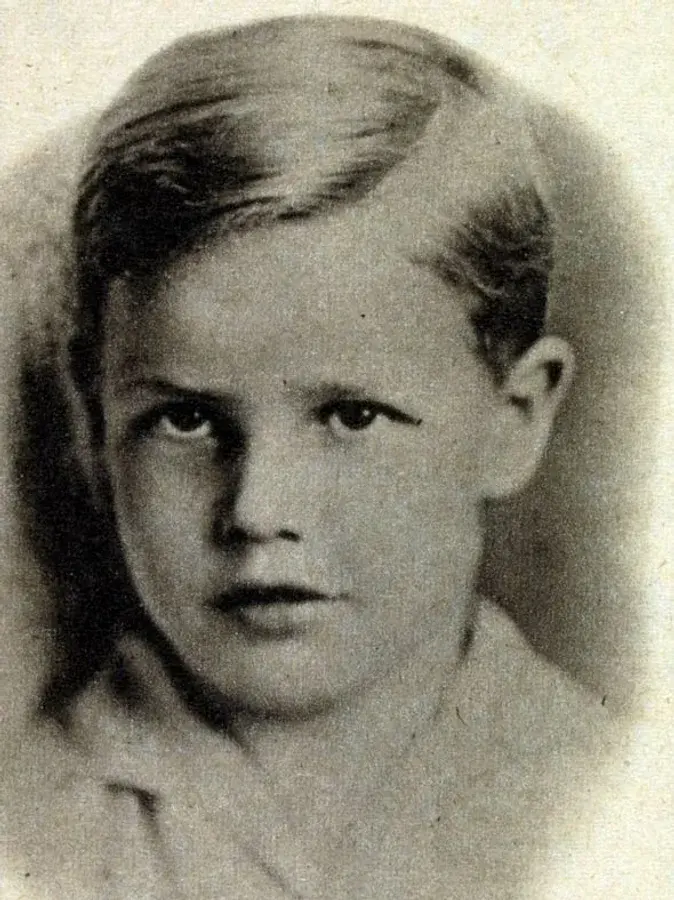
While working as a prop man, Marion caught the eye of director John Ford, marking the start of a legendary cinematic partnership.
Ford began casting him in small, uncredited roles and mentored the young man in the art of screen presence. This relationship would eventually shape the course of Western film history.
Becoming John Wayne — Becoming John Wayne
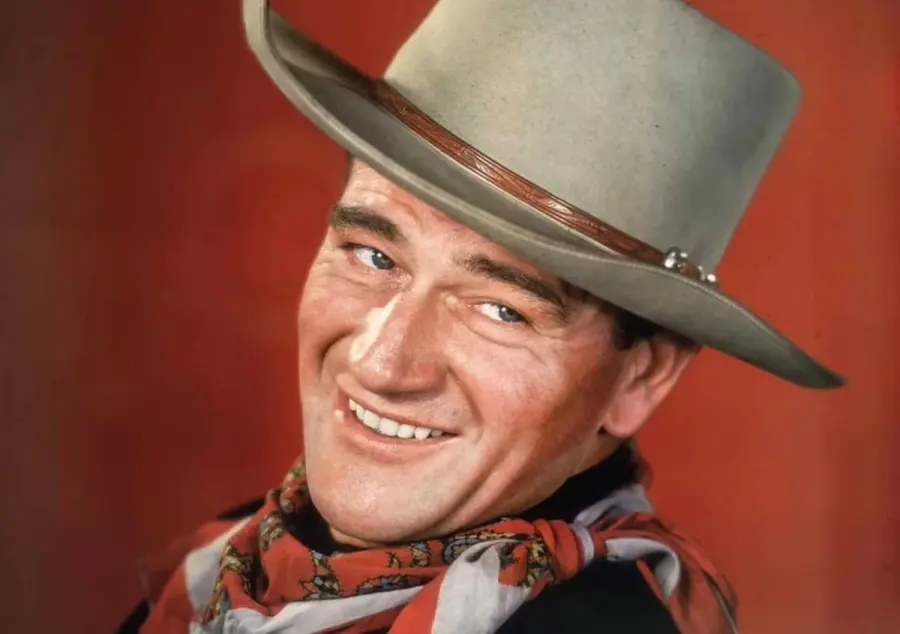
In 1930, director Raoul Walsh cast Marion in his first leading role in the epic Western The Big Trail.
' Although the film was a commercial failure, the name and the persona were officially born.
The B-Movie Grind — The B-Movie Grind
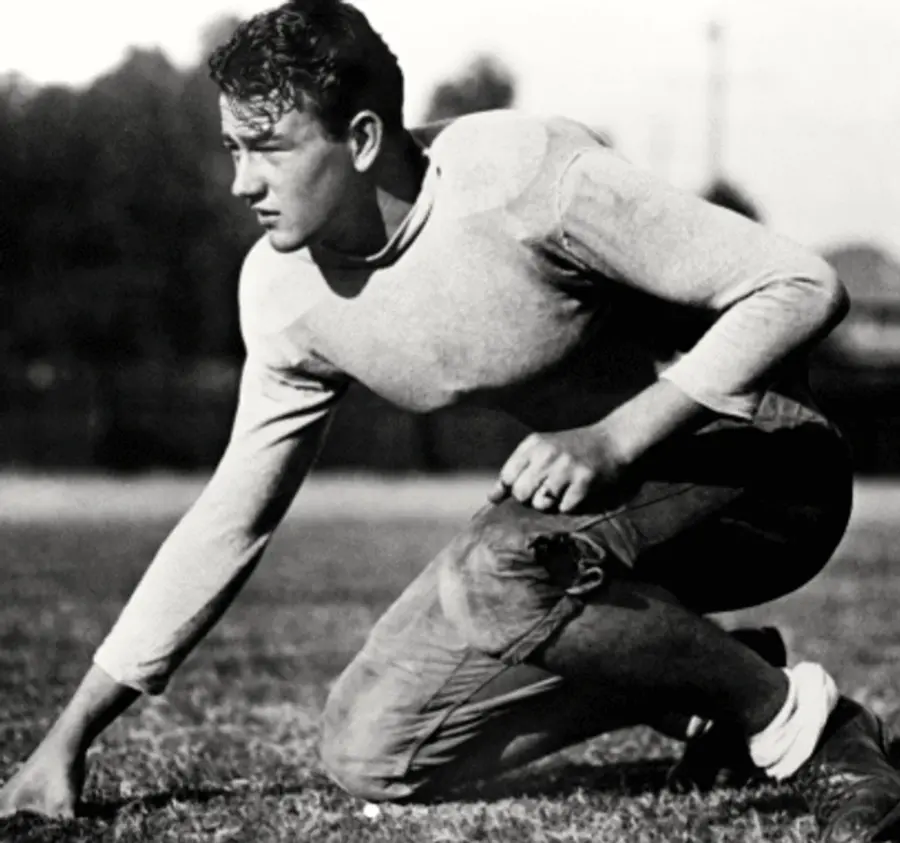
Throughout the 1930s, Wayne worked tirelessly in low-budget Westerns, honing his craft in dozens of quickly produced films.
This period allowed him to perfect his trademark walk, voice, and riding style under the radar. It was a decade of hard work that prepared him for the massive stardom that lay ahead.
The Stagecoach Breakthrough — The Stagecoach Breakthrough
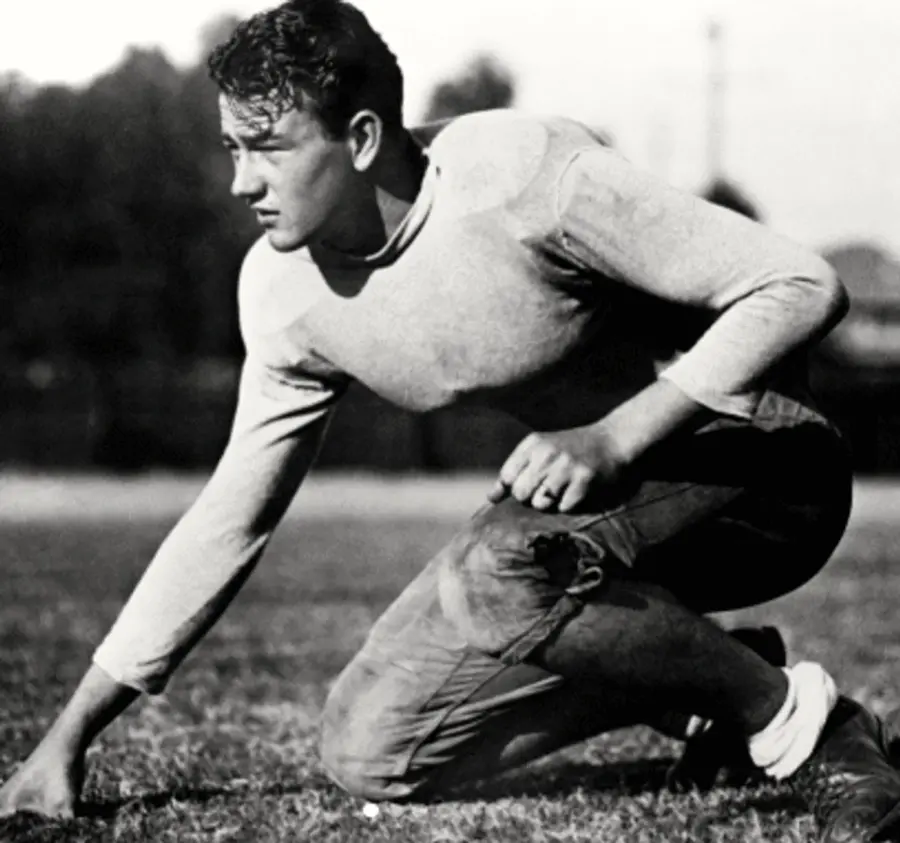
Wayne's definitive breakthrough came in 1939 when John Ford cast him as the Ringo Kid in the masterpiece Stagecoach.
His dramatic entrance, twirling a Winchester rifle, instantly captivated audiences and critics alike. The film elevated him from a B-movie actor to an A-list Hollywood superstar.
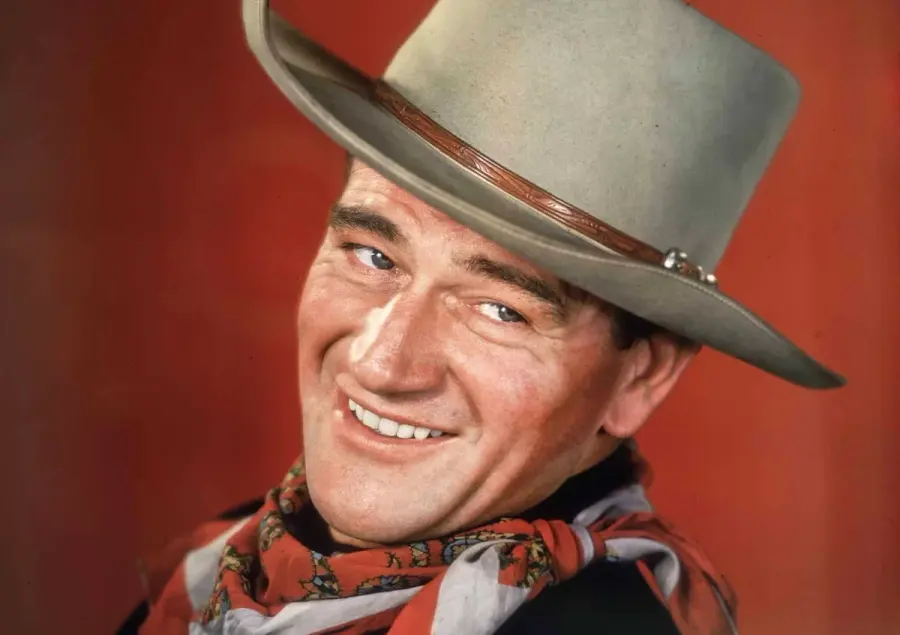
An American Icon — An American Icon
Over the next four decades, Wayne became the ultimate symbol of rugged individualism and traditional American values.
He starred in dozens of classics, from The Searchers to True Grit, for which he won an Academy Award. His characters represented a steadfast moral certainty that resonated deeply with the public.
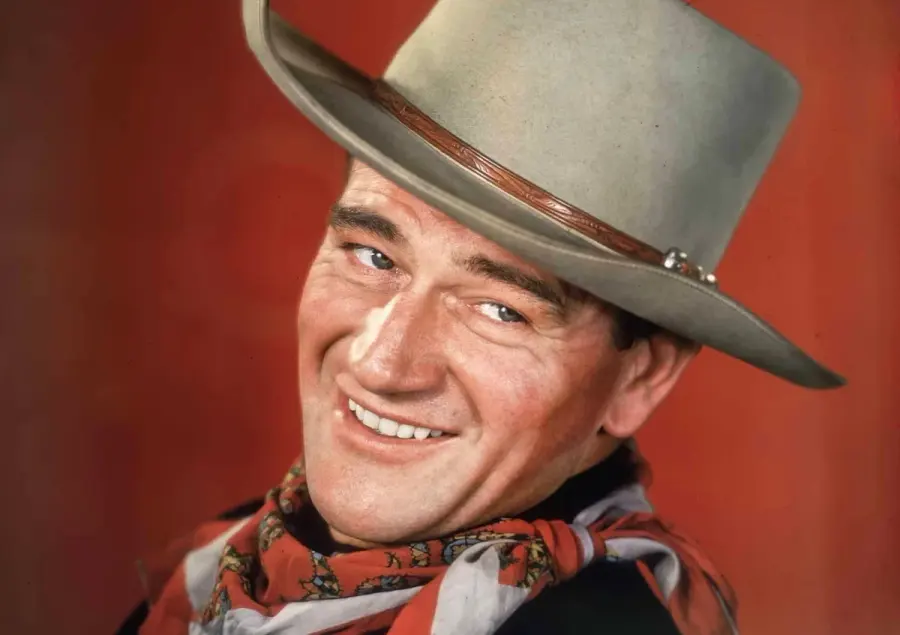
The Legacy Remains — The Legacy Remains
John Wayne's influence extended far beyond the silver screen, cementing him as a cultural touchstone of the 20th century.
Despite controversies and personal health battles, he remained a beloved figure until his passing in 1979. Today, he stands as one of the most enduring legends in the history of global cinema.
Featured galleries







































































































































































































































































































































































































































































