15 GameCube Games That Rewarded Creative Play
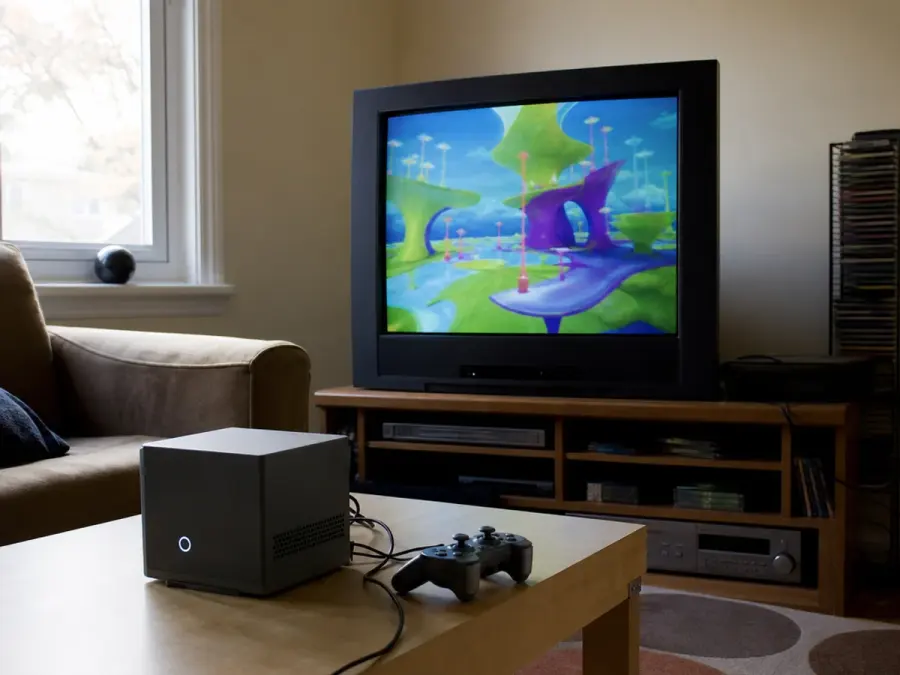
A Small Console With Unusually Broad Ideas — A Small Console With Unusually Broad Ideas
GameCube games often feel eager to test a strong premise. The library moves from polished sequels to strange experiments, using distinctive controls, bold art direction, and compact multiplayer setups to make each idea immediately recognizable.
A Small Console With Unusually Broad Ideas is one of the hj featured in this gallery.

Super Mario Sunshine — Water Changes the Route — Super Mario Sunshine — Water Changes the Route
A water-powered tool turns cleanup, hovering, aiming, and movement into connected ideas.
The island setting gives those mechanics a bright identity, while obstacle courses periodically strip them away to test pure platforming.

The Wind Waker — Navigation With Character — The Wind Waker — Navigation With Character
Sailing gives the world time and distance, while expressive animation keeps small interactions lively.
Wind, charts, islands, and changing horizons make travel part of the adventure instead of a blank pause between destinations.
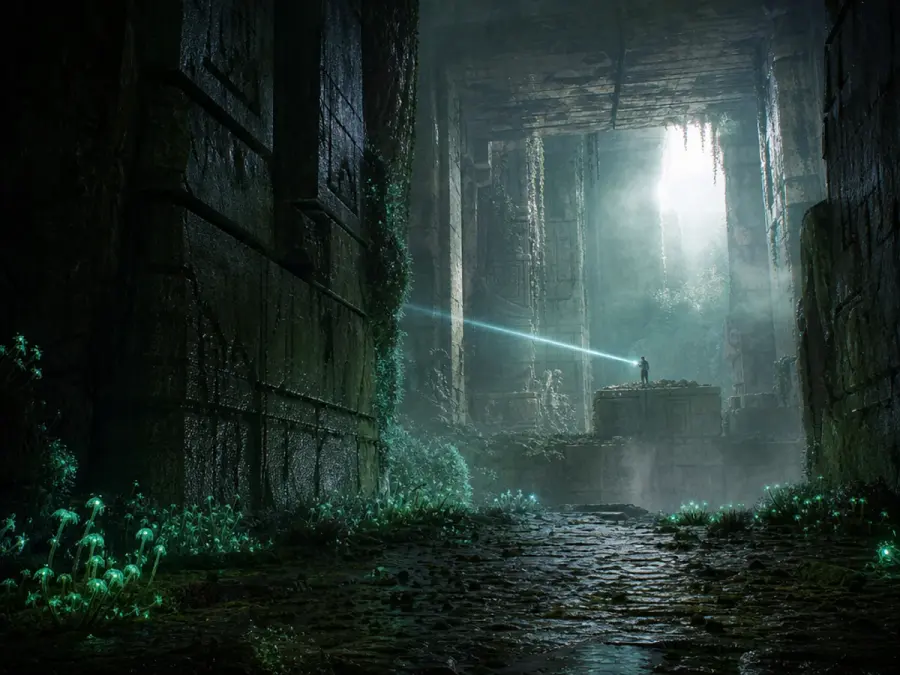
Metroid Prime — Reading an Alien Place — Metroid Prime — Reading an Alien Place
Scanning, environmental clues, interconnected rooms, and first-person movement turn exploration into close observation.
New abilities alter familiar paths, but the atmosphere makes revisiting them feel like deeper understanding rather than repetition.
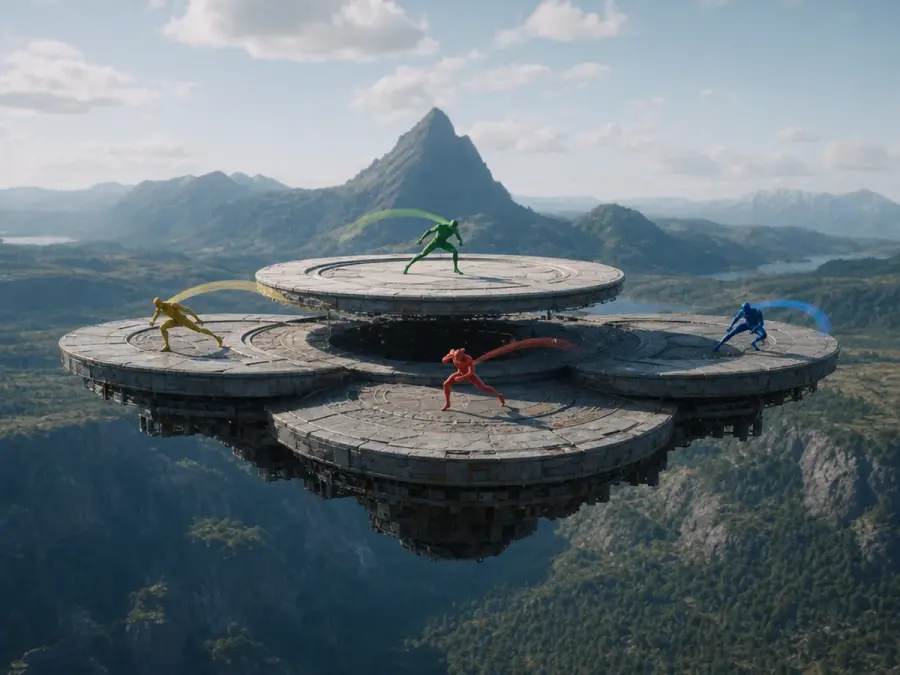
Super Smash Bros. Melee — Speed and Shared Space — Super Smash Bros. Melee — Speed and Shared Space
Fast movement, layered stages, broad character roles, and immediate four-player chaos create many levels of competition.
Newcomers can enjoy the collisions while experienced players find precise timing inside the same rules.

Luigi's Mansion — Comedy Through Hesitation — Luigi's Mansion — Comedy Through Hesitation
Dark hallways, a probing flashlight, and a stubborn vacuum turn every room into a cautious performance.
The humor comes from fear made visible, while searching furniture and capturing ghosts give the compact house dense detail.

Pikmin — Leadership at Garden Scale — Pikmin — Leadership at Garden Scale
Tiny helpers transform leaves, puddles, boxes, and household debris into strategic terrain.
Time limits and different abilities make every route a planning problem, but the garden setting keeps the stakes tactile and understandable.

Mario Kart: Double Dash!! — Two Roles Per Kart — Mario Kart: Double Dash!! — Two Roles Per Kart
Pairing two riders lets players swap drivers, carry different items, and cooperate around one vehicle.
The structure changes familiar racing decisions without losing the readable chaos that makes local competition welcoming.

Animal Crossing — A Place That Waits — Animal Crossing — A Place That Waits
The village continues according to a real-world clock, making routine itself the main mechanic.
Small errands, changing seasons, decorating, and neighbor conversations create attachment through accumulation rather than a final victory.
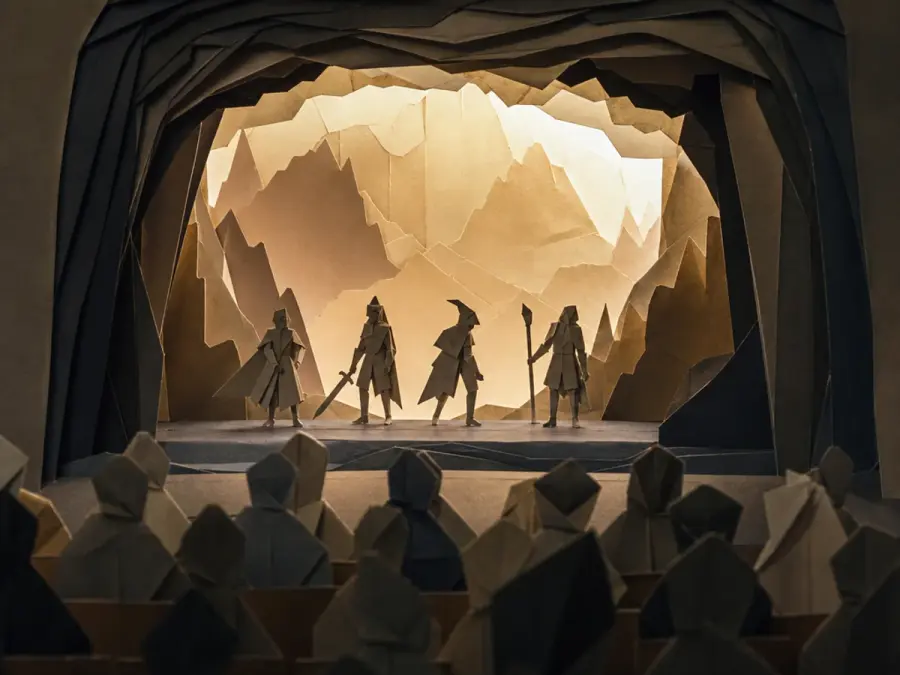
The Thousand-Year Door — Comedy With Stagecraft — The Thousand-Year Door — Comedy With Stagecraft
Paper transformations, audience reactions, timed inputs, and theatrical battles let presentation and mechanics reinforce each other.
The writing stays playful while the chapter structure gives each location its own compact genre.

F-Zero GX — Precision at Impossible Speed — F-Zero GX — Precision at Impossible Speed
Banked tracks, sudden drops, and aggressive rivals demand commitment without sacrificing readability.
The sensation of speed comes from strong geometry and immediate control, making each clean line feel deliberately earned.

Eternal Darkness — Doubting the Interface — Eternal Darkness — Doubting the Interface
The game turns psychological pressure into a design tool, sometimes making the player question what is happening beyond the character.
That uncertainty supports a story spanning different people, places, and historical moments.
Viewtiful Joe — Editing an Action Scene — Viewtiful Joe — Editing an Action Scene
Slowing, speeding, and reframing action makes cinematic language part of combat and puzzle solving.
The bold presentation communicates timing clearly, turning visual style into a practical system rather than surface decoration.
Resident Evil 4 — Pressure Through Positioning — Resident Evil 4 — Pressure Through Positioning
Limited movement while aiming forces players to commit, turning distance, doorways, crowds, and ammunition into constant decisions.
The over-the-shoulder view makes threats readable while keeping every encounter physically tense.

Ikaruga — One Rule Organizes Everything — Ikaruga — One Rule Organizes Everything
Switching between two polarities changes which projectiles harm, which recharge, and how scoring routes unfold.
A single binary idea connects defense, offense, rhythm, and mastery with exceptional clarity.
Featured galleries







































































































































































































































































































































































































































































