Games in the World
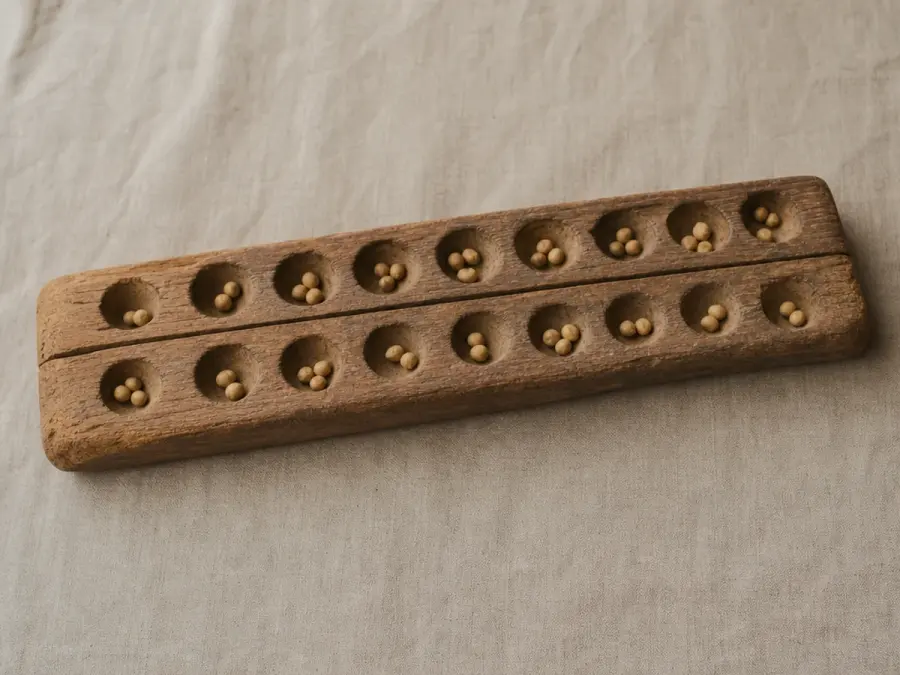
Oware — West Africa and the Diaspora — Oware — West Africa and the Diaspora
Oware is a prominent member of the mancala family, played by sowing counters through rows of pits and capturing under specific conditions. It is strongly associated with Ghana and is played under related names and variants elsewhere.
The attraction is transparent calculation: every move redistributes the position. Learn one named ruleset from a credible source rather than blending all mancala games into a fictional universal version.
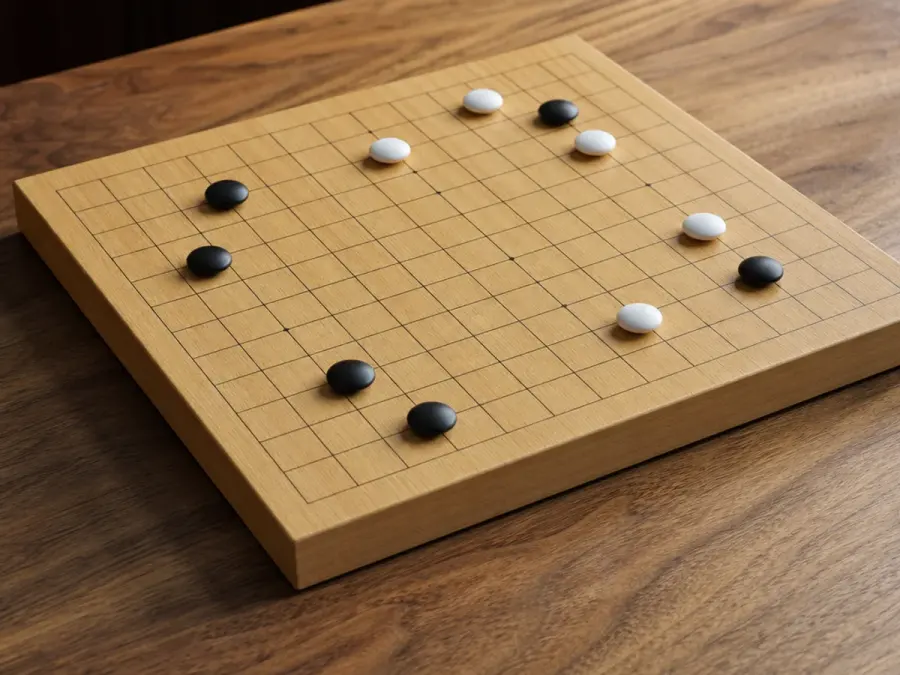
Go — East Asia — Go — East Asia
Go developed in China and has deep, distinct traditions in China, Korea, and Japan, with different names and institutional histories. Players alternate stones on a grid to surround territory and manage groups whose liberties can disappear.
The rules are compact, but local scoring conventions differ. Begin with a small board and use the terminology of the tradition or organization teaching the game instead of treating East Asia as culturally interchangeable.
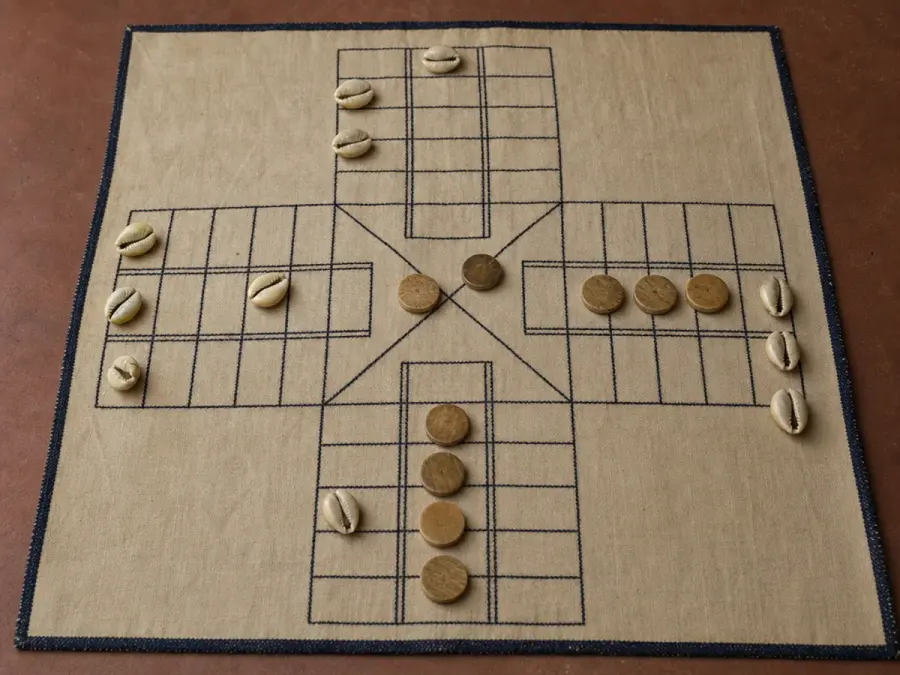
Pachisi — India — Pachisi — India
Pachisi is a South Asian cross-and-circle race game in which pieces travel according to throws traditionally made with cowrie shells. Historical boards and courtly accounts show a rich Indian lineage, while household versions can differ.
Modern commercial descendants should not replace the original name in cultural discussion. A responsible introduction explains the specific rules source, uses generic equipment, and avoids claiming one surviving variant is the sole authentic form.
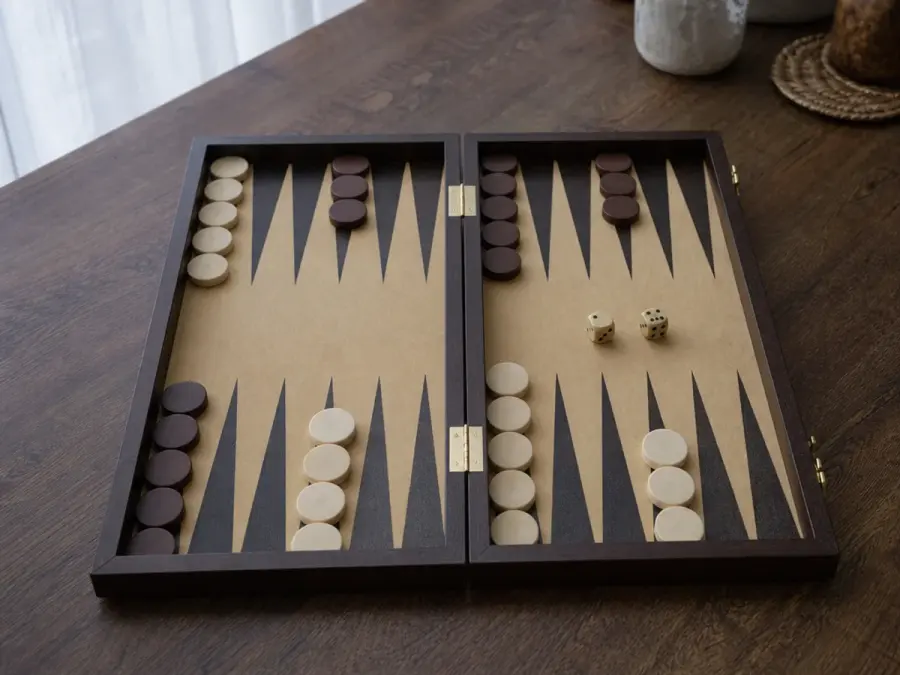
Backgammon — A West Asian Game Family — Backgammon — A West Asian Game Family
Backgammon belongs to a long family of tables games with deep West Asian histories, though the exact modern rule lineage should not be projected unchanged into antiquity. Players race checkers while using points to block, hit, and re-enter opposing pieces.
Dice create uncertainty, but probability and timing dominate repeated play. Regional relatives and names deserve separate attention rather than being treated as decorative variations of one Western standard.
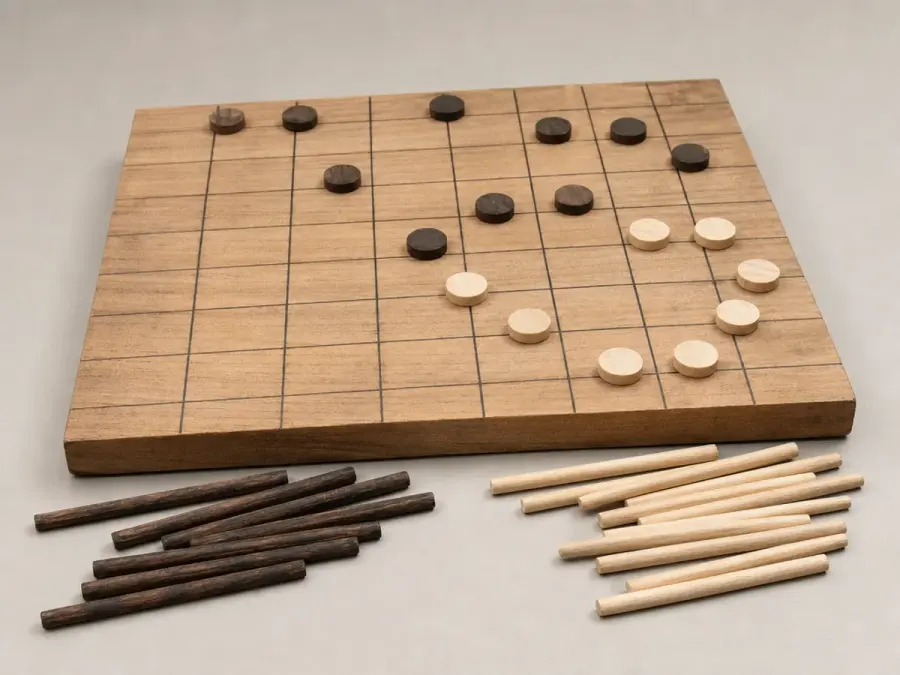
Senet — Ancient Egypt — Senet — Ancient Egypt
Senet is known from ancient Egyptian boards, tomb imagery, and textual evidence, but no complete surviving rulebook settles exactly how every period played. Modern reconstructions are scholarly proposals, not a continuous household rules tradition.
That uncertainty is the most interesting point. Present Senet as evidence that games carried social and symbolic meaning in ancient Egypt, and label any playable rule set as a reconstruction rather than recovered fact.
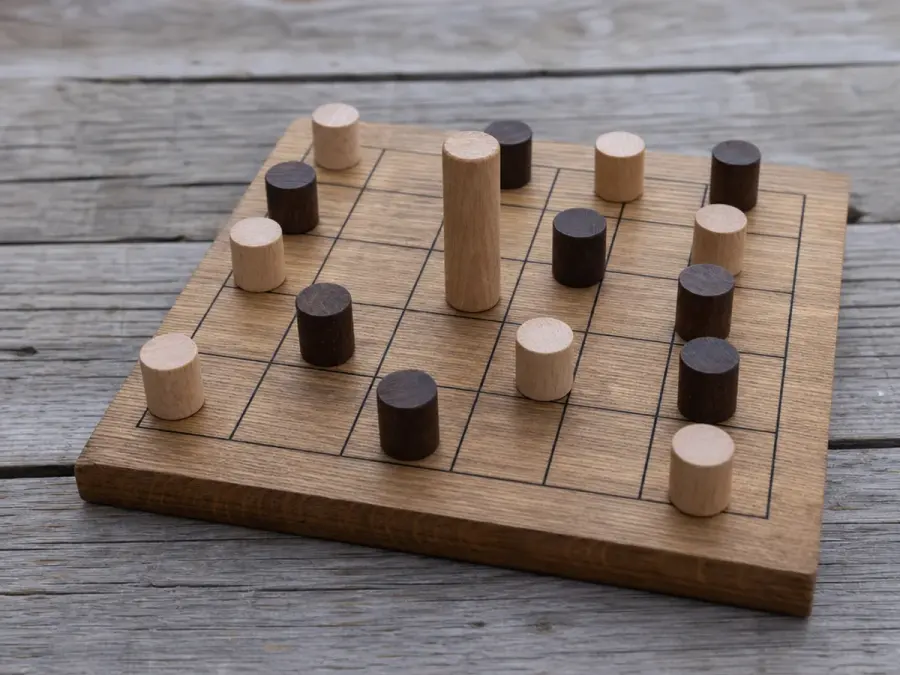
Hnefatafl — Northern Europe — Hnefatafl — Northern Europe
Tafl games set unequal forces against one another: a central king and defenders attempt escape while a larger attacking force closes routes. Archaeology and written references document the family in northern Europe, but modern hnefatafl rules are reconstructed from uneven evidence and later accounts.
Choose a clearly named variant, state its board size and capture rules, and avoid presenting modern Viking-themed merchandise as direct historical proof.
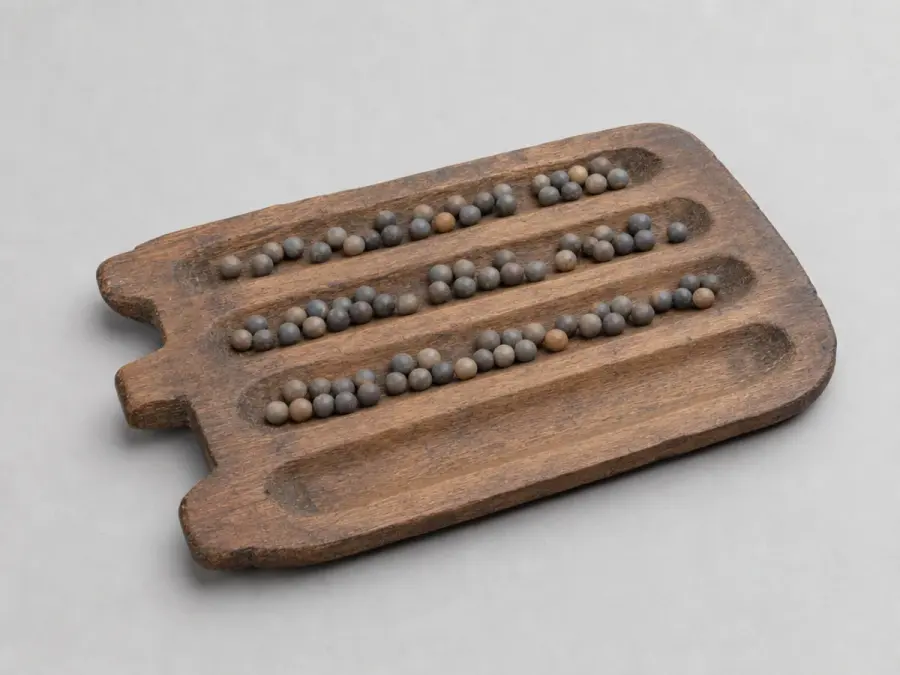
Bao — East Africa — Bao — East Africa
Bao is a sophisticated mancala tradition associated especially with coastal East Africa, including Tanzania and Zanzibar. Its four-row board, staged openings, and intricate capture patterns distinguish it from two-row sowing games.
Learning requires patience and a source grounded in Bao practice; substituting generic mancala rules erases the very complexity that makes it notable. Equipment imagery should remain plain unless a specific carved board is licensed and contextualized.
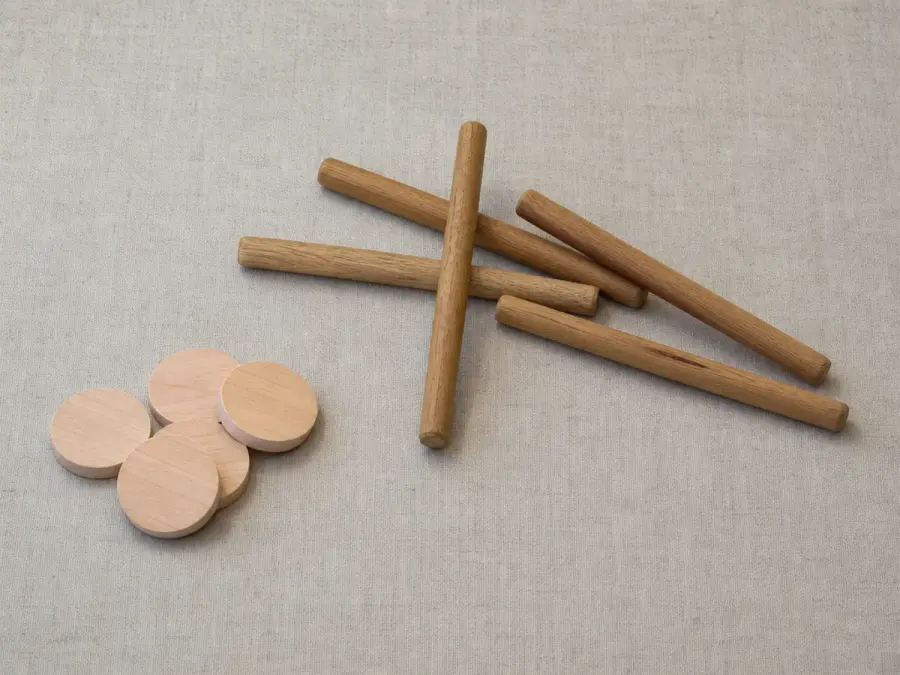
Yut Nori — Korea — Yut Nori — Korea
Yut Nori is a Korean race game traditionally associated with Lunar New Year gatherings. Four marked throwing sticks determine movement, producing outcomes that mix chance with decisions about joining or splitting pieces and choosing routes.
Family rules can vary, which is part of living play rather than an error to correct. Learn through Korean cultural sources, pronounce the name carefully, and do not reduce the game to a generic holiday craft.
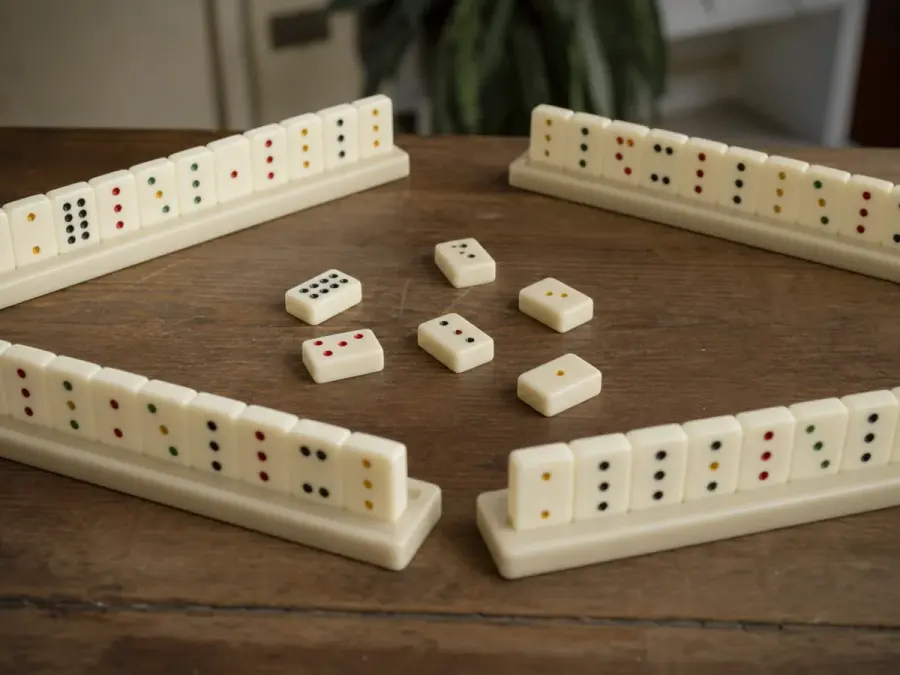
Mahjong — China and Global Communities — Mahjong — China and Global Communities
Mahjong emerged in China and now supports many regional and diasporic rules traditions, from Chinese official competition to Hong Kong, Taiwanese, Japanese riichi, and American forms.
Players build sets from tiles, but scoring and special hands vary greatly. Ask which version a table uses before sitting down. Avoid mixing rulebooks mid-game or presenting one decorative tile set as a complete account of the tradition.
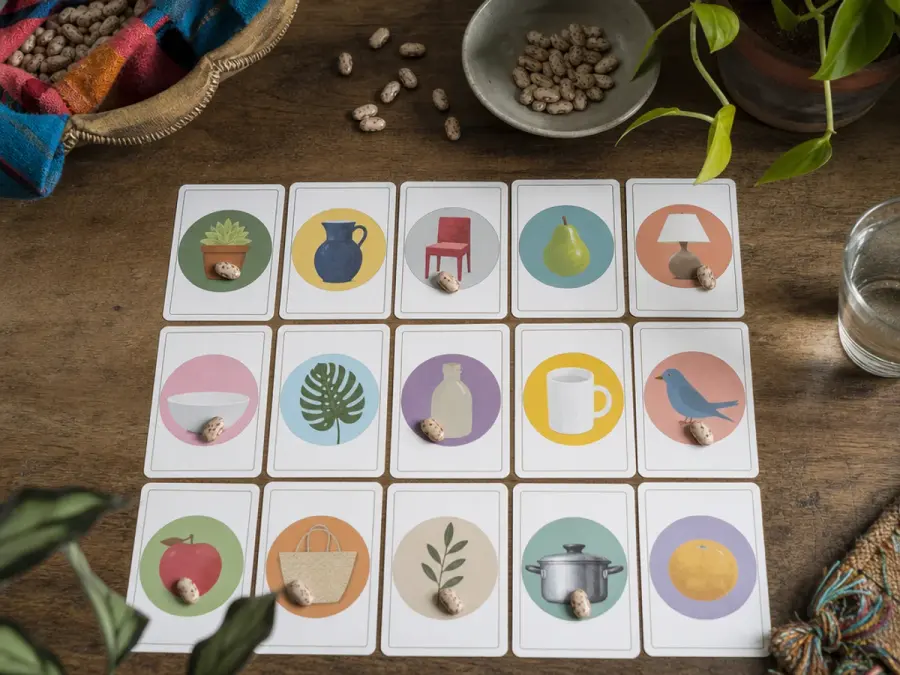
Lotería — Mexico — Lotería — Mexico
Mexican Lotería is a picture-based game of chance in which a caller announces cards and players mark matching images on their boards. Historic commercial decks have become culturally recognizable, but their artwork and exact card designs are not free visual material.
The social performance of the caller matters as much as the matching mechanism. Use a legitimately purchased set and follow its rules rather than downloading copied card sheets.
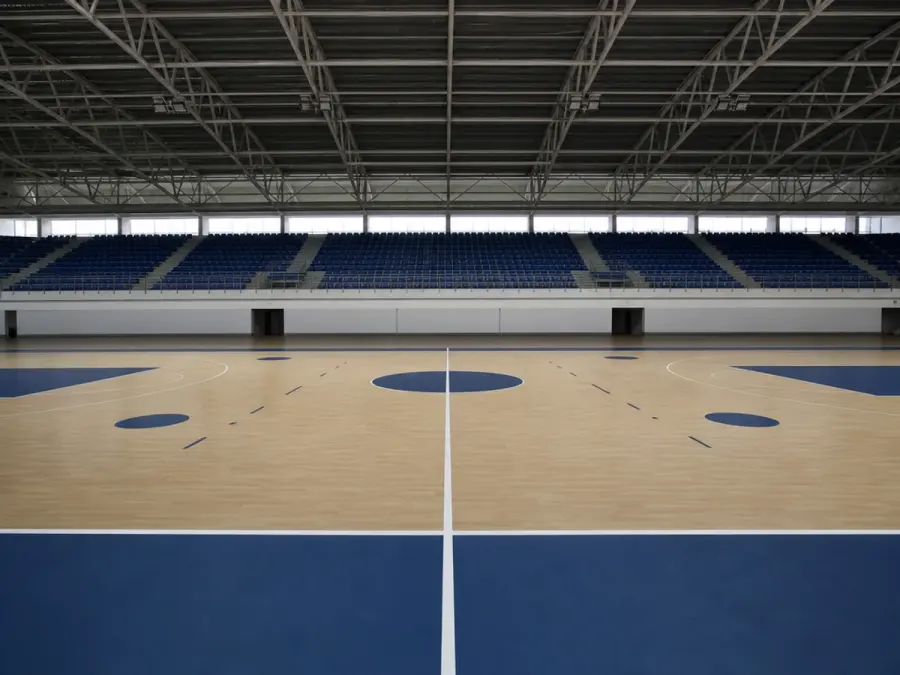
Kabaddi — South Asia — Kabaddi — South Asia
Kabaddi is a contact team sport with strong South Asian roots and multiple formats. A raider enters the opposing half to score and return while defenders coordinate a legal stop, producing rapid shifts between individual risk and group structure.
Modern international competition uses codified rules, but community play may differ. New participants need qualified instruction, safe surfaces, conditioning, and respect for contact protocols—not an improvised backyard summary.
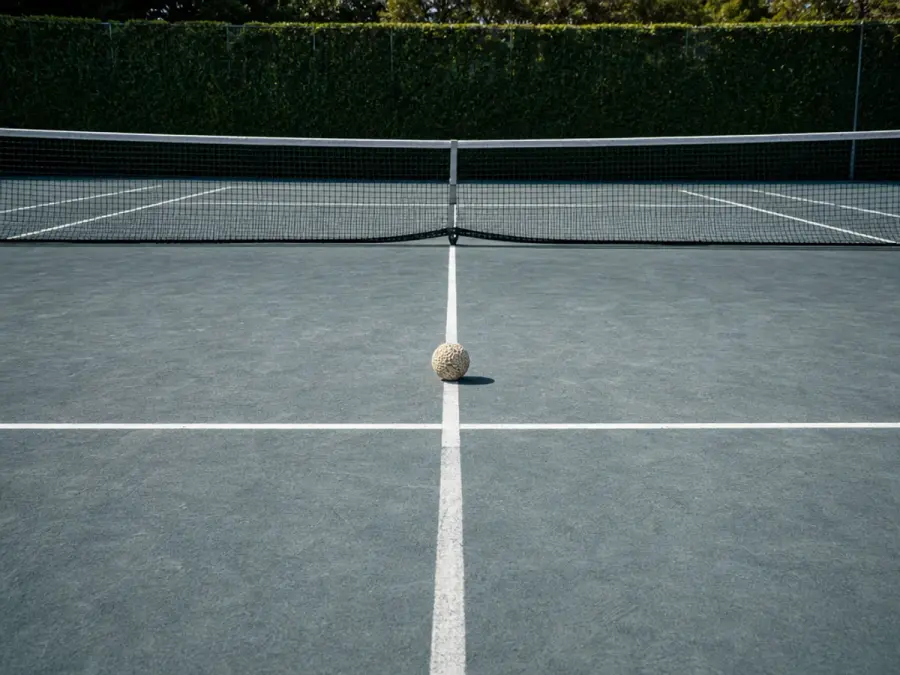
Sepak Takraw — Southeast Asia — Sepak Takraw — Southeast Asia
Sepak takraw is a Southeast Asian net sport played primarily with the feet, knees, head, and torso. Its aerial techniques demand flexibility, timing, and trained landing mechanics; highlight videos are not beginner instruction.
Names and historical narratives cross several national traditions, so no single country should be casually declared the sole owner. Learn through recognized federations and coaches, beginning with controlled touches before acrobatic attacks.
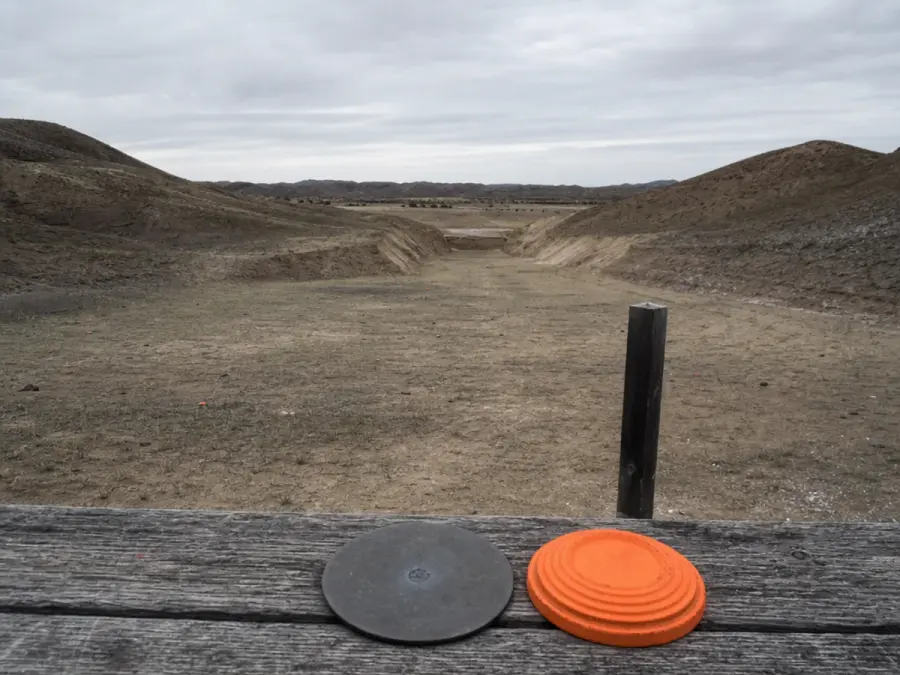
Tejo — Colombia — Tejo — Colombia
Tejo is a Colombian throwing sport in which players aim weighted discs at a clay target area; formal play can include small explosive targets that signal a hit. That feature makes casual imitation unsafe and inappropriate.
The game has community, sporting, and social contexts that cannot be conveyed by novelty alone. Experience it at a regulated venue with trained staff, approved equipment, eye and hearing protection guidance, and local rules.
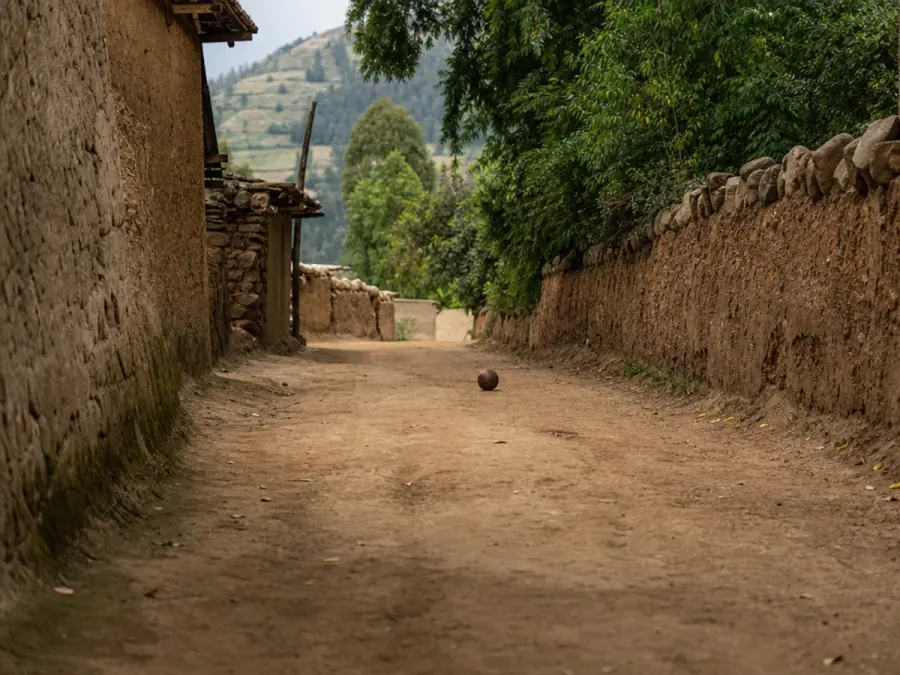
Ulama — Mexico — Ulama — Mexico
Ulama is a living Indigenous Mexican ballgame tradition connected to, but not identical with, the diverse ballgames documented across ancient Mesoamerica. Modern variants survive through particular communities and practitioners.
It should not be reconstructed from archaeological imagery as a party game. Responsible coverage centers community knowledge, distinguishes living rules from ancient evidence, and seeks consent before photographing players, equipment, or culturally significant settings.
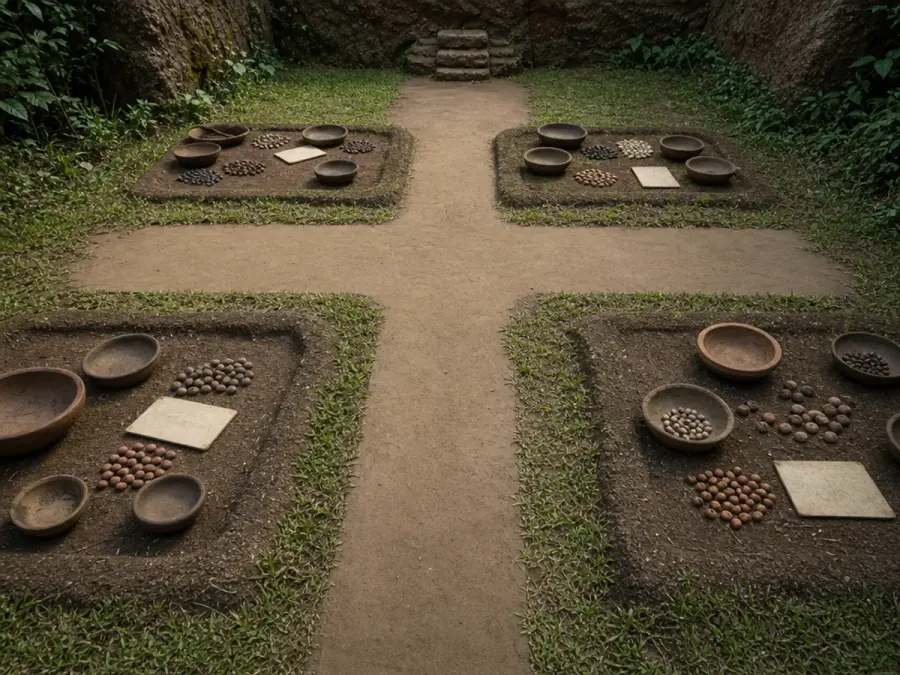
Patolli — Mesoamerican History — Patolli — Mesoamerican History
Patolli appears in early colonial descriptions and Indigenous pictorial sources as a Mesoamerican race-and-wagering game, but conquest disrupted the practice and surviving evidence does not authorize a single definitive modern ruleset.
It belongs here as historical game culture, not as a claim of unchanged continuity. Museum interpretation can explain evidence; commercial reconstructions should clearly identify speculation and avoid copying codex imagery as decoration.
Featured galleries







































































































































































































































































































































































































































































