14 Albums With the Strongest All-Time Cases, Ranked as a Listening Syllabus

How to Compare Albums That Do Different Jobs — How to Compare Albums That Do Different Jobs
A jazz improvisation record, a concept-heavy rap album, and a studio-built rock sequence cannot share one objective scoreboard.
We ask whether each works as a whole, changed musical possibilities, endured, and sends listeners toward more music. Registry recognition is evidence of significance, not our ranking.
14. Discovery — Daft Punk — 14. Discovery — Daft Punk
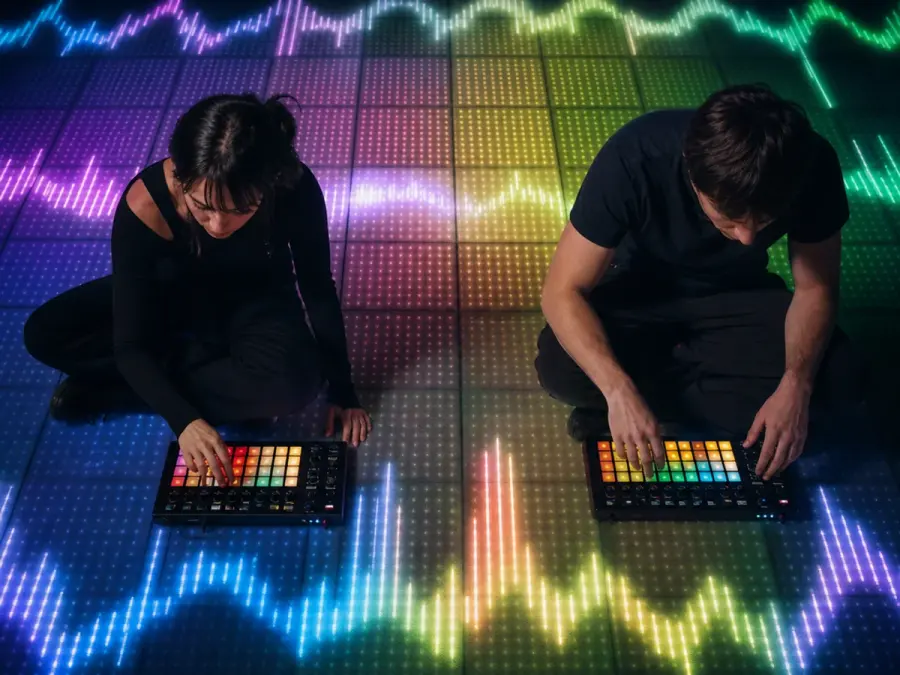
“Discovery” turns house music, pop melody, sampling, and synthetic character into a bright continuous world.
It opens the syllabus because its craft is immediately accessible while pointing toward club history and electronic production. We avoid the protected cover and duo's recognizable helmet designs.
13. Buena Vista Social Club — Buena Vista Social Club — 13. Buena Vista Social Club — Buena Vista Social Club
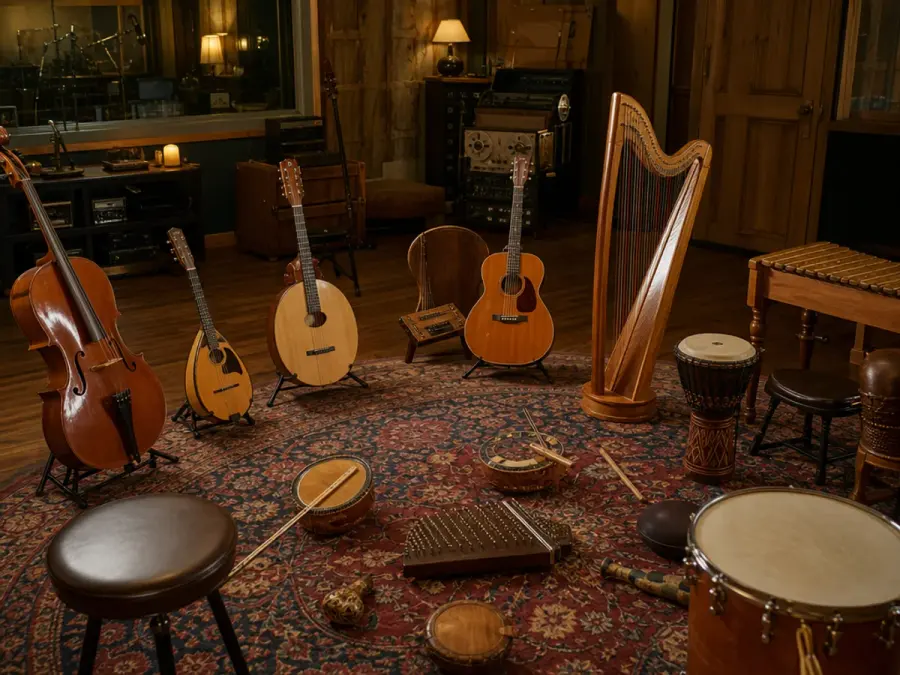
This ensemble album brought veteran Cuban musicians and interconnected traditions to an enormous international audience.
Thirteenth reflects its value as both a complete listening experience and a doorway into deeper regional histories. The slide avoids reducing Cuban music to tourist imagery.
12. The Blueprint — Jay-Z — 12. The Blueprint — Jay-Z
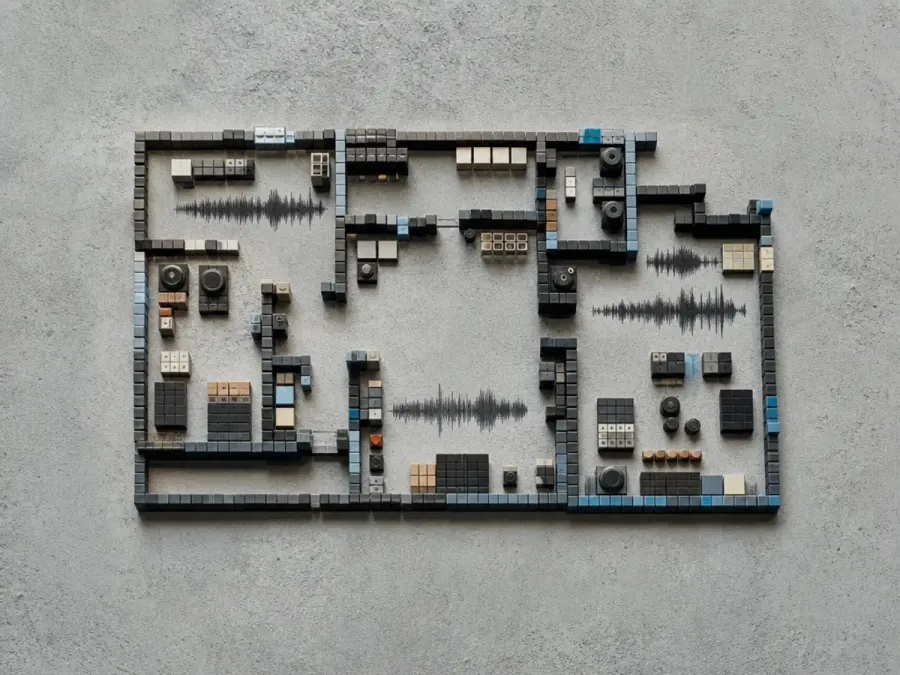
Soul-sample production, sharply organized sequencing, and authoritative rap performance make “The Blueprint” a model for early-2000s mainstream hip-hop albums.
It ranks twelfth because its influence is genre-deep, while albums ahead reshape a wider range of recording or songwriting practice.
11. OK Computer — Radiohead — 11. OK Computer — Radiohead
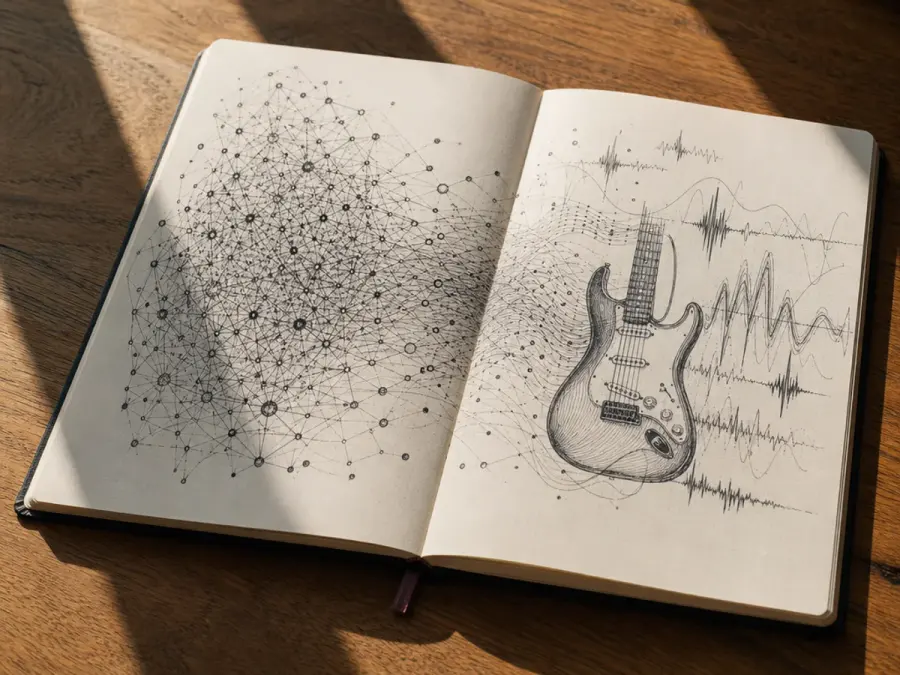
The album's guitars, electronics, fractured narratives, and carefully controlled unease form a world larger than any single track.
Eleventh rewards cohesion and prophetic-feeling atmosphere without treating it as a literal forecast. Its Registry recognition supports preservation significance, not our exact slot.
10. The Miseducation of Lauryn Hill — Lauryn Hill — 10. The Miseducation of Lauryn Hill — Lauryn Hill
A singular blend of hip-hop, soul, reggae, intimate writing, and classroom framing gives this album unusual breadth without losing a personal center.
It enters the top ten for voice and integration. The visual avoids recreating the carved portrait on its cover.
9. Nevermind — Nirvana — 9. Nevermind — Nirvana
“Nevermind” joined abrasive guitar texture, pop-shaped songwriting, and dynamic contrast in a record that shifted mainstream rock's center.
Ninth recognizes reach and sonic identity. Our treatment separates the music from protected cover imagery and from unsupported claims about the members' private lives.
8. Blue — Joni Mitchell — 8. Blue — Joni Mitchell
Sparse arrangements and precise songwriting make “Blue” feel close without requiring the listener to know private biography.
Eighth rewards emotional architecture, melodic detail, and influence on singer-songwriters. The album demonstrates that sonic scale is not necessary for a complete, durable world.
7. A Love Supreme — John Coltrane — 7. A Love Supreme — John Coltrane
A four-part spiritual suite turns recurring musical ideas into a sustained journey for quartet. Seventh reflects compositional unity and improvisational depth.
Listeners can follow motif, intensity, and ensemble response without any technical prerequisite or claim about their own religious experience.

6. Purple Rain — Prince and the Revolution — 6. Purple Rain — Prince and the Revolution
Rock, pop, R&B, funk, gospel color, and film-scale drama meet in an album whose sequencing still feels purposeful. Sixth rewards stylistic synthesis and performance.
The image uses abstract purple sound and weather rather than Prince's likeness, symbol, motorcycle, typography, or cover composition.
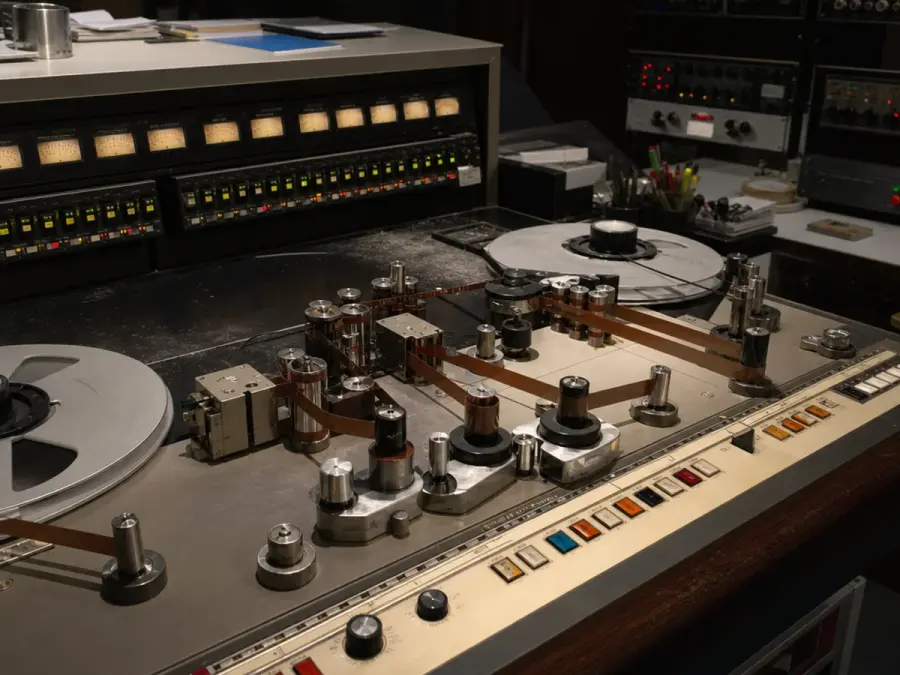
5. Abbey Road — The Beatles — 5. Abbey Road — The Beatles
“Abbey Road” pairs precise studio craft with a side-long sequence that turns fragments into a coherent final movement.
Fifth recognizes arrangement, recording, and group chemistry. Our visual avoids the famous crosswalk, member likenesses, Apple marks, and every identifiable cover element.
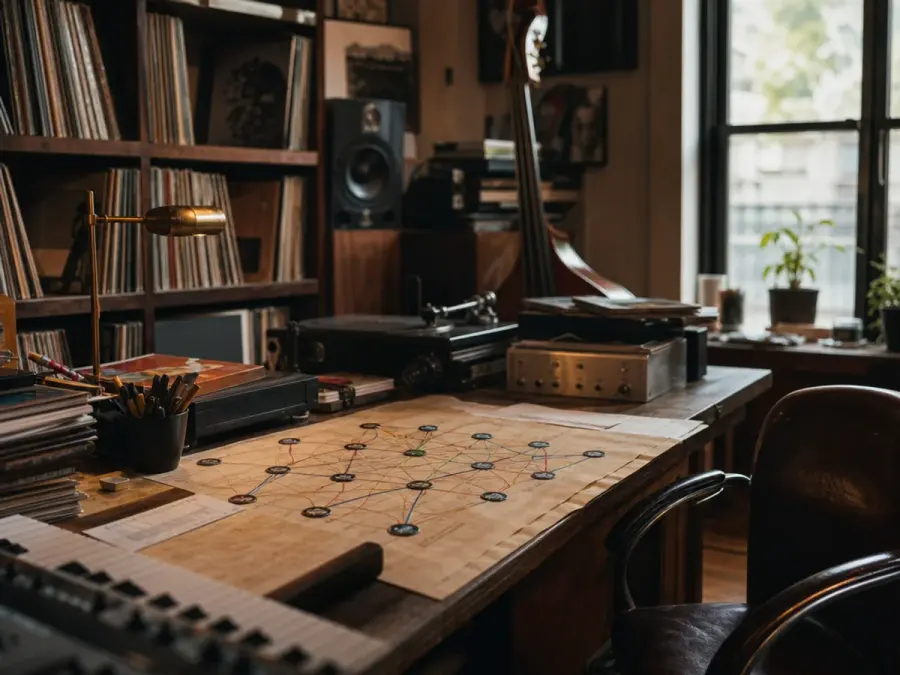
4. To Pimp a Butterfly — Kendrick Lamar — 4. To Pimp a Butterfly — Kendrick Lamar
Jazz, funk, spoken connective tissue, multiple character voices, and political argument make this album a deliberately demanding whole.
Fourth rewards architecture and the way individual songs change meaning in sequence. Grammy history supports its recognized rap achievement, not our cross-genre placement.
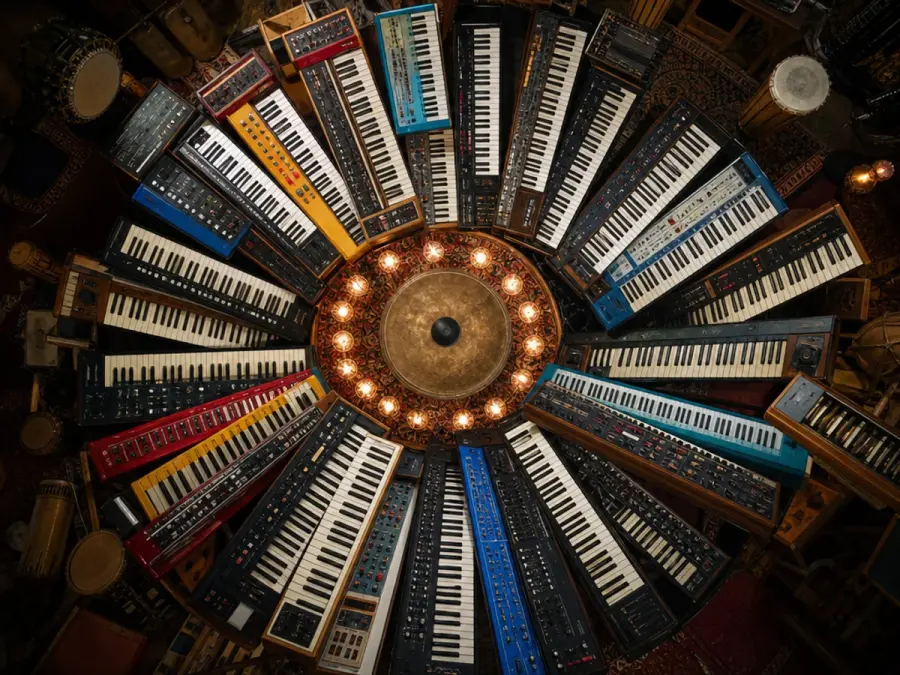
3. Songs in the Key of Life — Stevie Wonder — 3. Songs in the Key of Life — Stevie Wonder
The album earns its scale through stylistic variety, social observation, intimate writing, and exceptionally rich arrangements.
Third reflects breadth without fragmentation: the songs explore many parts of life while sounding authored by one musical imagination. No cover motifs or lyrics are reproduced.

2. What's Going On — Marvin Gaye — 2. What's Going On — Marvin Gaye
A continuous flow of voices, orchestration, rhythm, and social concern turns “What's Going On” into an album-length conversation rather than a collection of singles.
Second rewards cohesion and humane reach. Historical significance is documented by preservation sources; the rank remains ours.
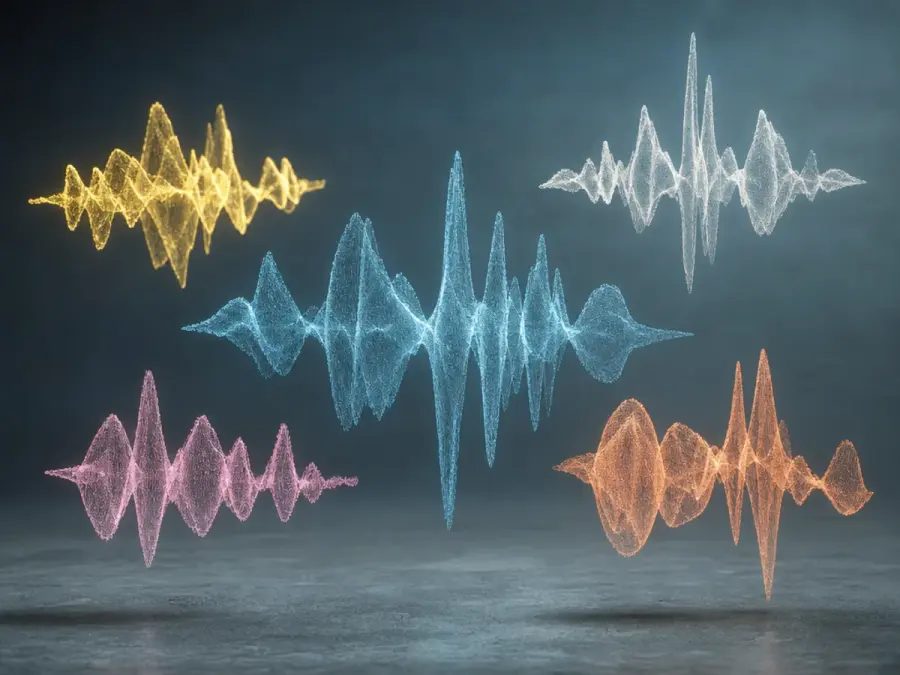
1. Kind of Blue — Miles Davis — 1. Kind of Blue — Miles Davis
Our top syllabus album makes sophisticated ensemble improvisation feel open, spacious, and immediately inviting. Its modal framework created room for each musician's voice while preserving a unified atmosphere.
First place reflects gateway value, influence, cohesion, and endless relistening—not a claim that jazz is objectively superior.
Featured galleries







































































































































































































































































































































































































































































