14 Greatest NFL Players of All Time, Using a Cross-Position Rubric

The Cross-Position Problem — The Cross-Position Problem
Quarterbacks touch the ball constantly; linemen can dominate without a box-score line.
Our rubric therefore asks how far a player separated from peers at the same position before comparing across positions. It favors complete careers but leaves room for a truly transformative peak.
14. Anthony Muñoz — 14. Anthony Muñoz
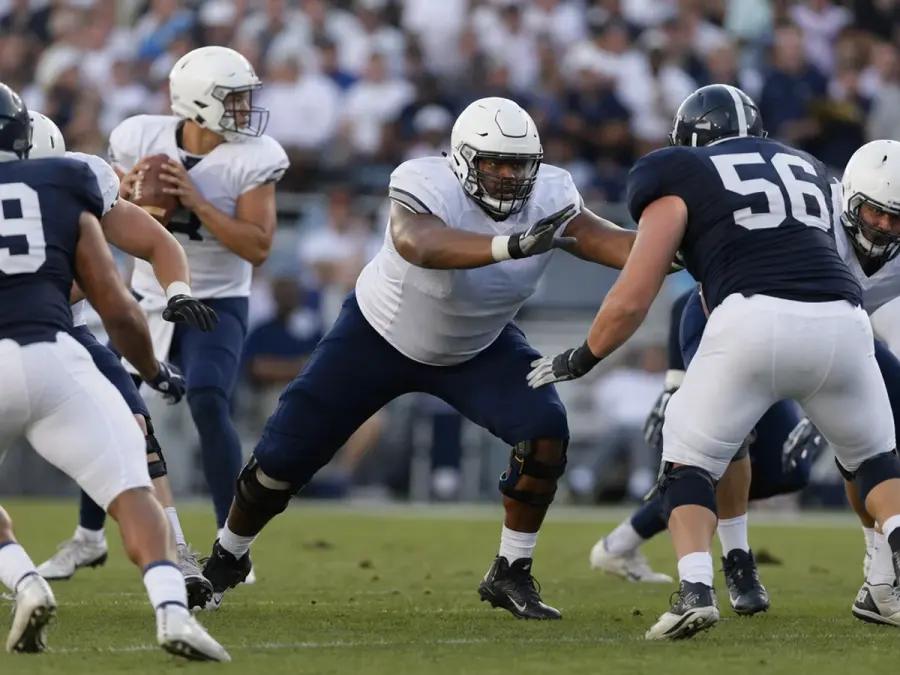
Muñoz represents the essential work of offensive linemen: protecting structure, winning repeatedly at the point of attack, and sustaining elite play without highlight-friendly statistics.
He opens the ranking because positional invisibility should not erase dominance, though uncertainty makes exact placement difficult.
13. Aaron Donald — 13. Aaron Donald
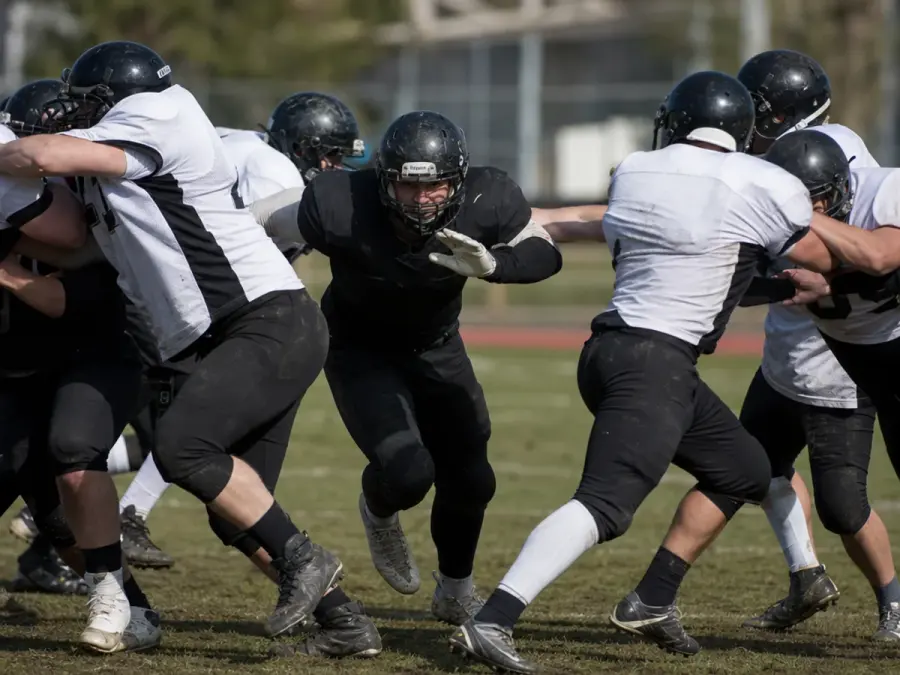
Donald compressed a Hall-of-Fame-caliber résumé into a career of relentless interior disruption. His speed, leverage, and production changed how offenses allocated protection.
Thirteenth may look conservative, but our rubric gives longevity weight; his peak still compares favorably with any defensive tackle's.

12. Ray Lewis — 12. Ray Lewis
Lewis combined range, anticipation, physicality, and long-term leadership at middle linebacker. His postseason résumé strengthens the case, while the ranking avoids turning team defense into an individual statistic.
He sits twelfth in a crowded group where positional value and era adjustment decide small gaps.
11. Barry Sanders — 11. Barry Sanders
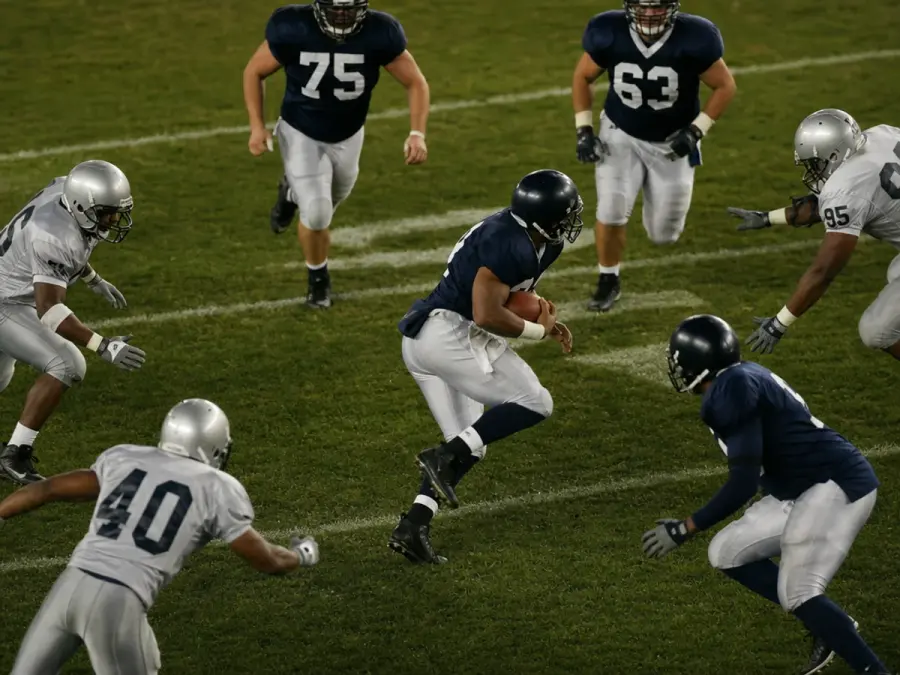
Sanders produced extraordinary rushing value behind constantly changing game situations, with balance and open-field invention that remain instantly recognizable.
Early retirement limits the longevity component, yet his peak separation is too large to ignore. He ranks just outside the top ten on career breadth.

10. Deion Sanders — 10. Deion Sanders
Few players altered an opponent's usable field like Sanders at cornerback, and his return ability added another form of leverage.
Tenth reflects elite peak and tactical impact. The two-way novelty matters, but our evaluation remains centered on his sustained NFL defensive value.

9. Johnny Unitas — 9. Johnny Unitas
Unitas helped define the modern field-general quarterback, pairing downfield aggression with late-game command during the NFL's growth into a national spectacle.
Era-adjusted influence pushes him into the top ten. Modern passing totals should not be placed beside his numbers without context.

8. Walter Payton — 8. Walter Payton
Payton's case rests on completeness: rushing, receiving, blocking, durability, and competitive consistency. He could create beyond the blocking while still serving every-down team needs.
Eighth reflects a deep résumé at a punishing position, with only the most era-defining careers placed ahead.
7. Joe Montana — 7. Joe Montana
Montana's precision and postseason composure made him the standard for championship quarterback play before the modern passing explosion.
He ranks seventh because shorter volume than later quarterbacks matters, but his efficiency relative to era and performance in defining games keep the case elite.
6. Reggie White — 6. Reggie White
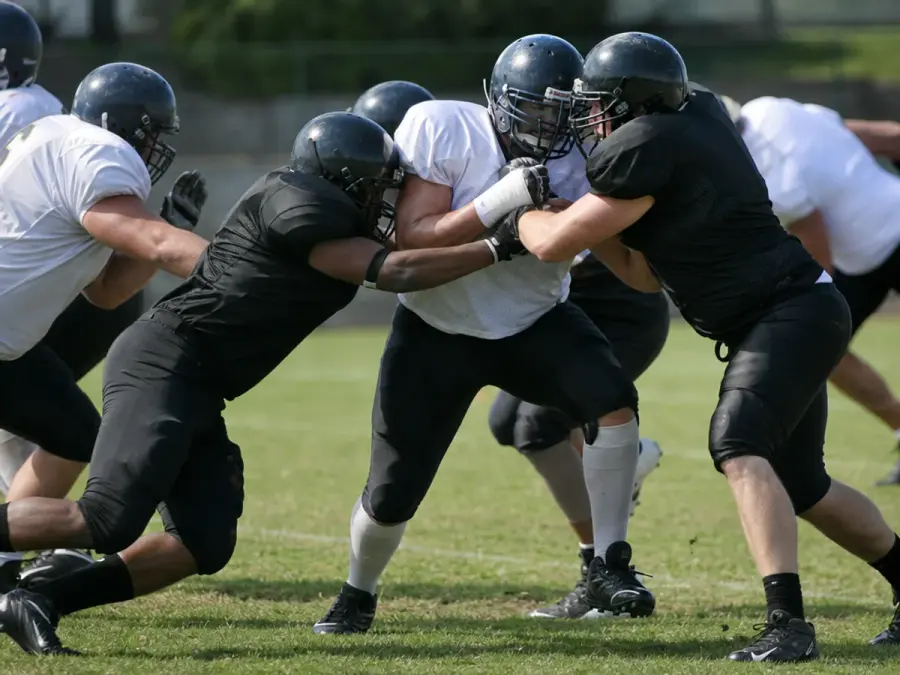
White paired power with technique across alignments, producing sustained pass-rush dominance while remaining formidable against the run. Sixth rewards both peak and longevity.
Sack totals alone understate his effect because pressures and protection changes were recorded less comprehensively during much of his career.
5. Peyton Manning — 5. Peyton Manning
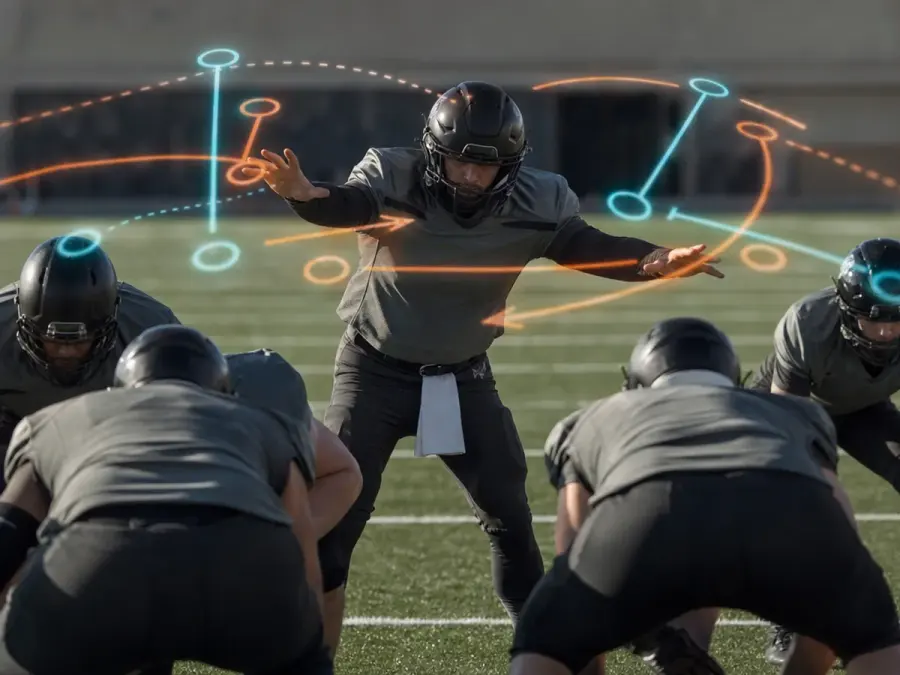
Manning reshaped pre-snap quarterbacking into a visible strategic contest, pairing enormous regular-season production with sustained team success.
Fifth reflects his command and longevity. Postseason inconsistency relative to the leader creates separation, but reducing his career to playoff outcomes would miss the tactical legacy.
4. Lawrence Taylor — 4. Lawrence Taylor
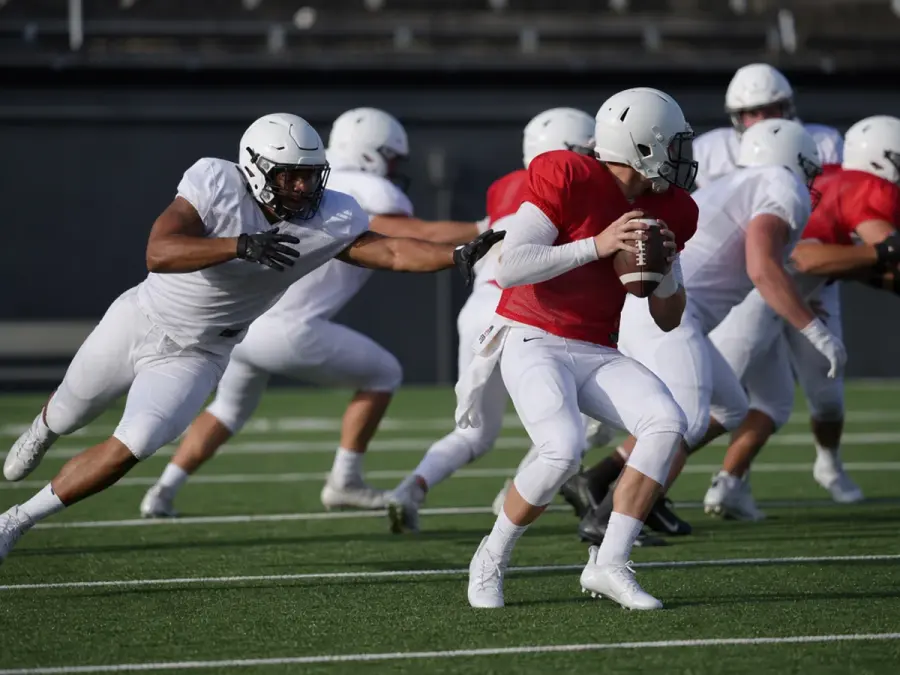
Taylor's edge pressure forced offenses to rethink protection and helped elevate the left tackle's strategic value.
The Hall of Fame records 132.5 official sacks plus 9.5 from 1981 before sacks became official. Fourth is the highest defensive slot because his dominance changed the game's architecture.
3. Jim Brown — 3. Jim Brown
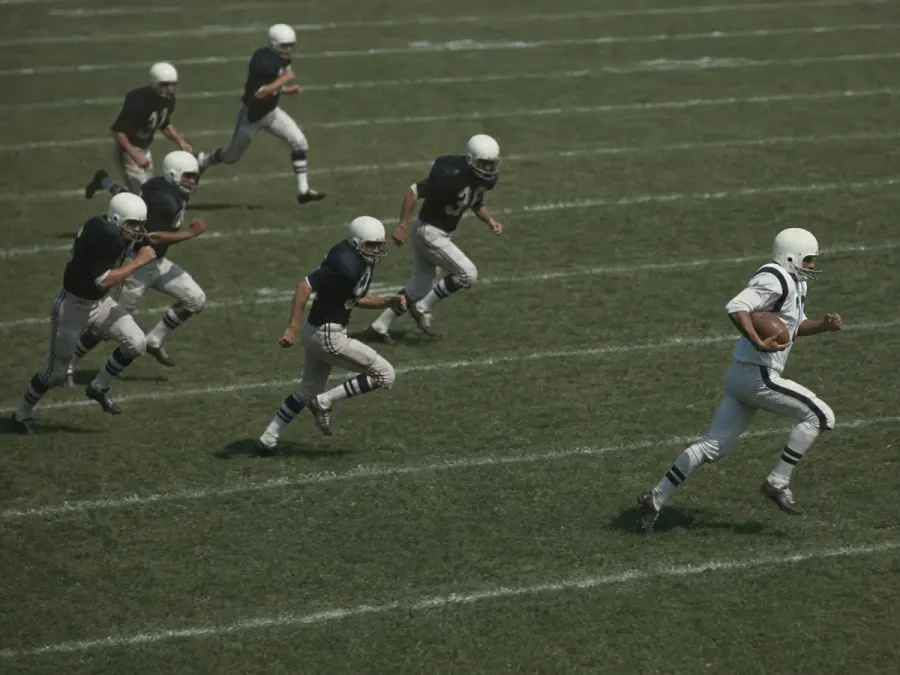
Brown's era-adjusted rushing dominance, durability during his active seasons, and separation from contemporary defenders create one of football's strongest peak cases.
A shorter schedule and career require context rather than dismissal. He ranks third because positional value slightly favors the two leaders.

2. Jerry Rice — 2. Jerry Rice
Rice set the receiver standard through route precision, production, durability, postseason performance, and unmatched career breadth.
He ranks second despite playing a less influential position than quarterback because his separation from other receivers is immense. The case survives almost any reasonable era adjustment.
1. Tom Brady — 1. Tom Brady
Brady leads because unprecedented quarterback longevity and postseason success were paired with elite performance across multiple tactical eras and roster cycles.
Positional value magnifies that résumé. This ranking does not claim he possessed every best physical trait; it concludes that his complete NFL career created the strongest case.
Featured galleries







































































































































































































































































































































































































































































