14 Soccer Players Who Define the All-Time Greatness Debate
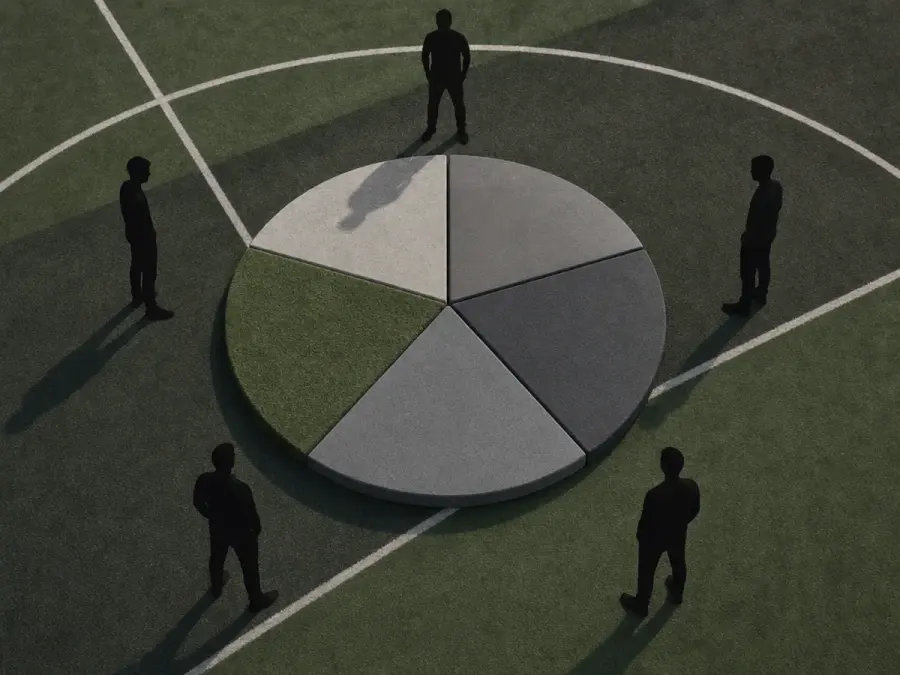
Why Cross-Era Rankings Need Humility — Why Cross-Era Rankings Need Humility
A goalkeeper from the 1960s, a modern forward, and a women's pioneer did not have equal schedules, competitions, sports science, or award access.
Our ranking looks for dominance relative to opportunity and a durable effect on football. FIFA histories anchor the facts; the order is ours.

14. Lev Yashin — 14. Lev Yashin
Yashin gives goalkeeping a necessary place in an all-time conversation too often dominated by scorers.
His reputation rests on command of the penalty area, shot stopping, and a style that expanded expectations for the position. Cross-position uncertainty keeps him fourteenth, not outside the debate.

13. Mia Hamm — 13. Mia Hamm
Hamm combined scoring, chance creation, team success, and enormous visibility during a foundational period for the modern women's game.
Her influence cannot be reduced to one total. She ranks thirteenth because cross-competition comparisons remain imperfect, while her sport-wide importance is undeniable.
12. Andrés Iniesta — 12. Andrés Iniesta
Iniesta's control in crowded spaces and ability to decide the highest-stakes matches make him more than a possession specialist.
He sits twelfth because his brilliance often served collective systems rather than individual volume. That same team-first quality is central to his greatness.

11. Xavi — 11. Xavi
Xavi turned tempo management into a form of control, repeatedly making difficult passing decisions look routine. His placement rewards tactical influence and sustained team achievement.
He lands just outside the top ten because comparing a system-organizing midfielder with decisive scorers demands an unavoidable editorial judgment.

10. Zinedine Zidane — 10. Zinedine Zidane
At his peak, Zidane could dictate a match through first touch, balance, and imagination, while producing defining international tournament performances.
Tenth reflects a peak-versus-longevity tradeoff: some players above sustained a comparable level longer, but few made control look as commanding.
9. Ronaldo Nazário — 9. Ronaldo Nazário
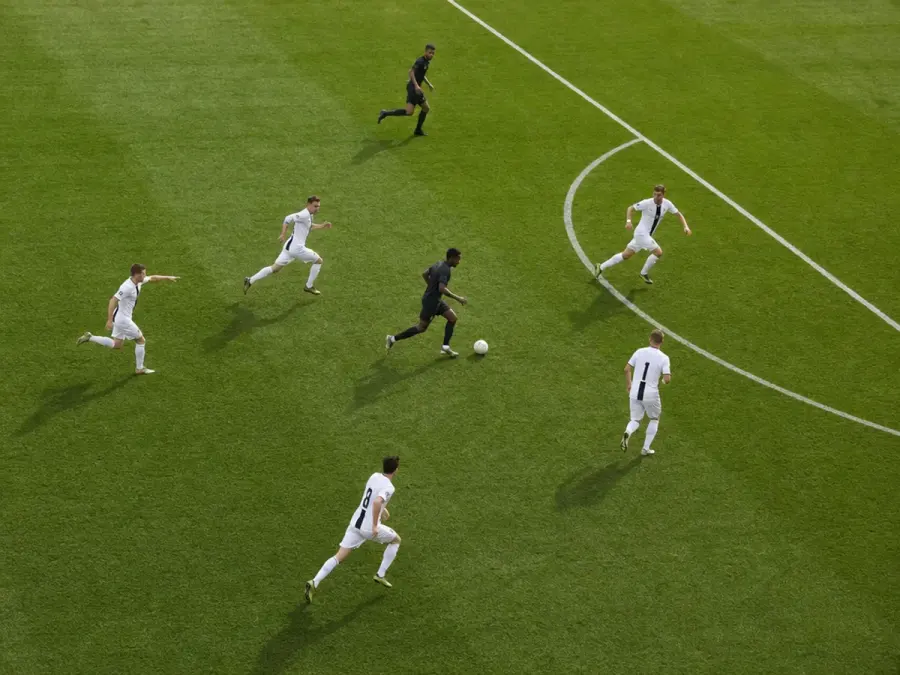
Explosive acceleration, close control, and finishing made Ronaldo a prototype for the modern complete striker. Injury interrupted his continuity, which matters in our longevity category.
His tournament impact and extraordinary peak still place him securely among the ten careers most useful to this debate.
8. Alfredo Di Stéfano — 8. Alfredo Di Stéfano
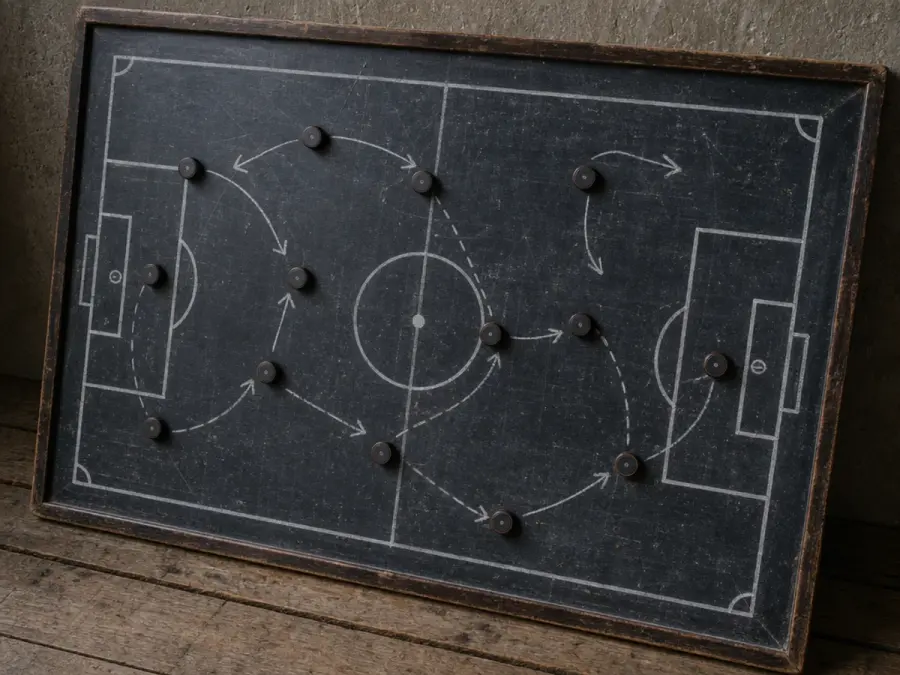
Di Stéfano's all-field involvement and central role in a defining club dynasty give him a foundational case.
Limited World Cup opportunity complicates the international category, so his ranking leans heavily on club dominance and tactical breadth. That context is a caveat, not a dismissal.
7. Franz Beckenbauer — 7. Franz Beckenbauer
Beckenbauer shaped the attacking possibilities of a deep defender while pairing elegance with elite team results. He ranks seventh because positional innovation deserves weight alongside goals.
The comparison still favors visible creators, so his placement also illustrates the limitations of any all-position list.

6. Johan Cruyff — 6. Johan Cruyff
Cruyff belongs here for both playing excellence and the ideas his movement embodied: space, interchange, pressing, and freedom inside structure.
He is sixth because our rubric separates playing career from later coaching influence, even though the two are inseparable in football's memory.

5. Marta — 5. Marta
Marta's long World Cup presence, creative scoring, and repeated top-level individual recognition make her the women's game's strongest all-time candidate under this rubric.
FIFA's player-award history helps establish that distinction. Fifth reflects her vast influence despite unequal historical club visibility and resources.
4. Cristiano Ronaldo — 4. Cristiano Ronaldo
Ronaldo's case combines elite longevity, scoring across leagues and competitions, international achievement, and relentless adaptation from winger to penalty-area finisher.
He places fourth because the three ahead slightly outweigh him in our blend of peak, tournament authorship, and game-changing influence—not because of one missing statistic.
3. Diego Maradona — 3. Diego Maradona
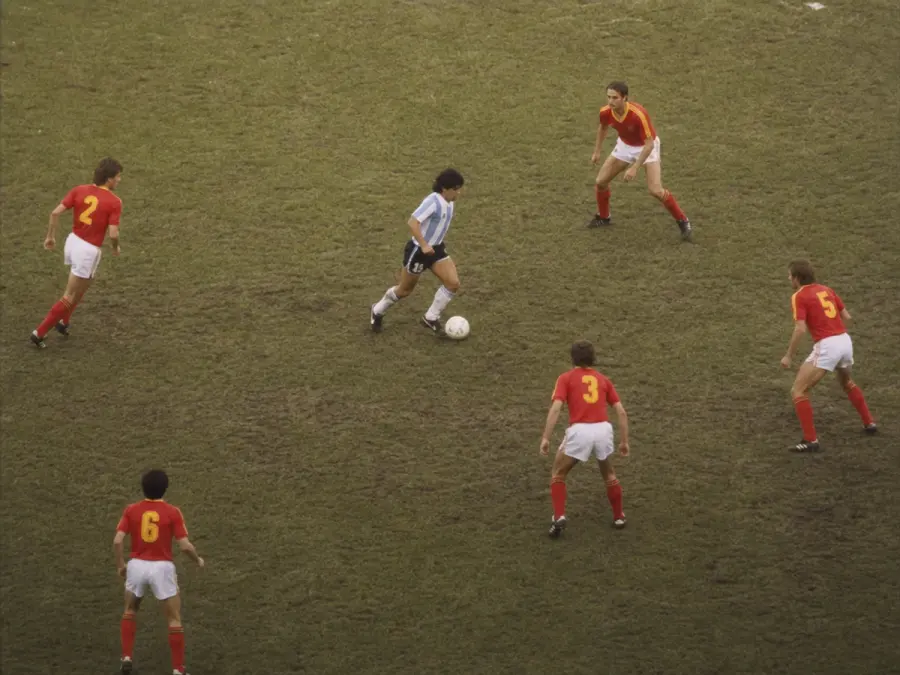
Maradona's peak fused ball carrying, invention, and the power to define an international tournament. His career was less uniformly sustained than the top two, but our methodology rewards transformative peaks.
Third recognizes both the brilliance and the difficulty of reducing a complicated career to highlights.
2. Pelé — 2. Pelé
Pelé's scoring, creative range, and unique association with three World Cup-winning squads give him the strongest pre-modern résumé.
Different recordkeeping and club geography resist simple modern comparisons. He takes second only because our top choice pairs a similarly extraordinary peak with a longer fully documented elite span.
1. Lionel Messi — 1. Lionel Messi
Messi leads our ranking by combining an exceptionally long creative and scoring peak with club success, individual recognition, and a World Cup-winning tournament as captain.
FIFA's award history supports the public résumé. The conclusion remains method-dependent; changing the weights can reasonably elevate Pelé or another legend.
Featured galleries







































































































































































































































































































































































































































































