Halloween Songs, Ranked

15. Superstition — Stevie Wonder (1972) — 15. Superstition — Stevie Wonder (1972)
This is the loosest thematic fit in the ranking, but its tense groove gives a Halloween playlist a needed burst of motion without leaning on novelty.
It works especially well between slower, moodier tracks. The title supplies the seasonal bridge; this ranking makes no claim that the recording was created for Halloween.
14. bury a friend — Billie Eilish (2019) — 14. bury a friend — Billie Eilish (2019)
Sparse percussion and an uneasy modern atmosphere make this a sharp transition into the darker half of a playlist.
Its restraint is the point: it creates tension without relying on a familiar seasonal hook. Use it where guests are ready for something colder and less playful than the classic novelty records.
13. Heads Will Roll — Yeah Yeah Yeahs (2009) — 13. Heads Will Roll — Yeah Yeah Yeahs (2009)
A dance-floor pulse and macabre title make this an efficient energy lift late in the set. It is more stylish than spooky, which helps prevent the playlist from becoming one-note.
The track earns its place through movement and tonal contrast, not through a claim that every part of it is Halloween-specific.
12. Psycho Killer — Talking Heads (1977) — 12. Psycho Killer — Talking Heads (1977)
The clipped rhythm gives this selection a nervous momentum that fits a more grown-up Halloween set. It is best treated as a tonal jolt rather than a literal party instruction.
Pairing it with a brighter follow-up keeps the sequence playful while preserving the song's unmistakably uneasy edge.
11. Disturbia — Rihanna (2008) — 11. Disturbia — Rihanna (2008)
This polished pop entry adds a fast, familiar beat while keeping the mood unsettled. Its value is structural: after several vintage selections, it refreshes the playlist without abandoning the nocturnal theme.
It is a strong bridge between eerie atmosphere and a room that still wants to dance.
10. Dead Man's Party — Oingo Boingo (1985) — 10. Dead Man's Party — Oingo Boingo (1985)
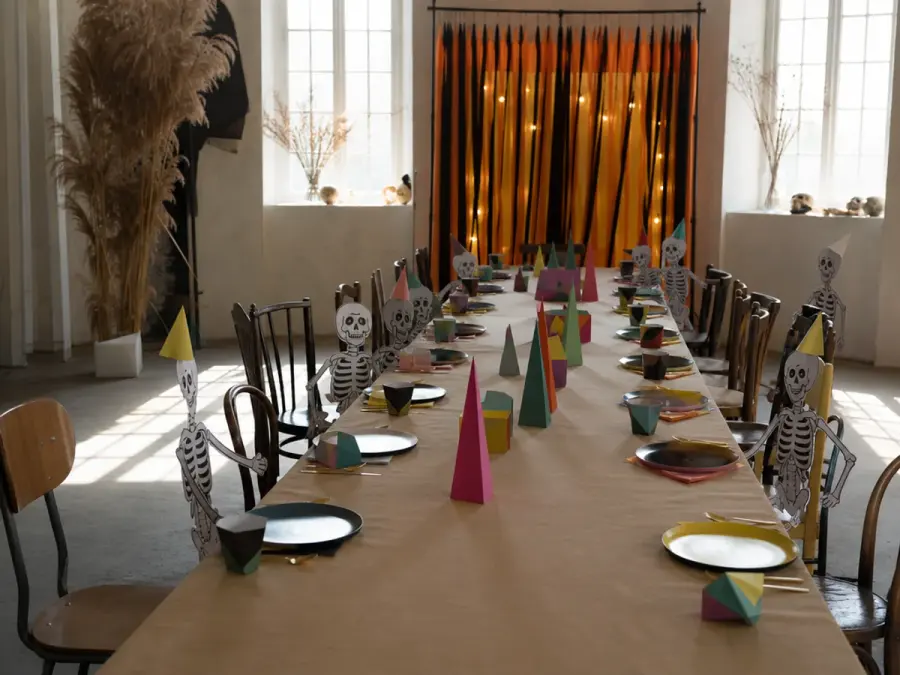
Few titles announce a costume-party mood this efficiently. The lively new-wave drive keeps the theme theatrical rather than grim, making it useful near the middle of a gathering.
Its bright arrangement also resets the room after a darker run of tracks, which raises its versatility score.

9. Season of the Witch — Donovan (1966) — 9. Season of the Witch — Donovan (1966)
A slow-building, watchful atmosphere makes this an ideal early-evening selection. It gives decorating or dinner playlists a shadowy undertow before the obvious sing-along records arrive.
The official Donovan catalog places the recording on Sunshine Superman; this commentary avoids lyrics and focuses only on listening context.
8. Somebody's Watching Me — Rockwell (1984) — 8. Somebody's Watching Me — Rockwell (1984)
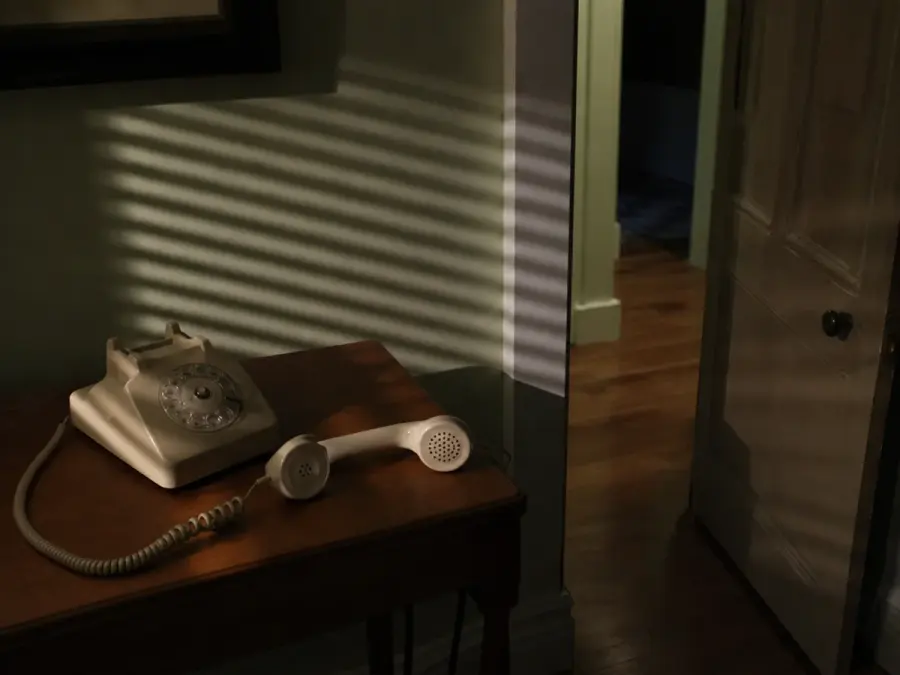
This selection turns everyday paranoia into a clean pop hook, so it works for guests who want the theme without a heavy sound.
It also creates a natural handoff from synth-driven dance tracks to classic monster material. The appeal is immediacy and pacing rather than musical-historical importance.

7. I Put a Spell on You — Screamin' Jay Hawkins (1956) — 7. I Put a Spell on You — Screamin' Jay Hawkins (1956)
The dramatic vocal performance brings theatrical intensity without needing a novelty setup. It suits a moment when the playlist should feel older, stranger, and less predictable.
Its broad influence is not scored here; the ranking rewards how decisively the original recording can transform the room's atmosphere.
6. Werewolves of London — Warren Zevon (1978) — 6. Werewolves of London — Warren Zevon (1978)
The piano-led bounce keeps the werewolf premise light enough for a broad party playlist. It lands best once the room is ready for recognizable character songs, but before the two most obvious soundtrack themes.
Humor, groove, and easy sequencing give it one of the strongest versatility scores here.
5. (Don't Fear) The Reaper — Blue Öyster Cult (1976) — 5. (Don't Fear) The Reaper — Blue Öyster Cult (1976)
Rather than announcing Halloween outright, this recording adds a reflective, ominous stretch to the playlist.
Its steady build works after playful monster songs and before a final run of theatrical favorites. That ability to deepen the mood without stopping the set is why it ranks this high.
4. This Is Halloween — The Citizens of Halloween (1993) — 4. This Is Halloween — The Citizens of Halloween (1993)
A full-cast theatrical sound and explicit seasonal framing make this a dependable centerpiece for family costume events. The soundtrack credits the performance to The Citizens of Halloween, while Danny Elfman is the composer and producer.
It is less flexible outside October than the top three, but almost unbeatable at announcing the occasion. This entry does not reproduce lyrics, film art, or character imagery.
3. Monster Mash — Bobby (Boris) Pickett and The Crypt-Kickers (1962) — 3. Monster Mash — Bobby (Boris) Pickett and The Crypt-Kickers (1962)
This is the ranking's most direct novelty record: playful, immediately legible, and easy to place in a family-friendly set.
It scores slightly below the soundtrack giants because its comic style is less adaptable, but for a costume party it can establish the theme within seconds without requiring visual references.
2. Ghostbusters — Ray Parker Jr. (1984) — 2. Ghostbusters — Ray Parker Jr. (1984)
A crisp pop structure, recognizable supernatural premise, and broad party energy earn this near-perfect scores in all three categories. It can open a dance set or revive one later.
The Recording Academy identifies Ray Parker Jr. as writer, performer, and producer and records the instrumental version's 1985 Grammy win.
1. Thriller — Michael Jackson (1982) — 1. Thriller — Michael Jackson (1982)
The title track from the 1982 album tops this editorial list because it combines cinematic suspense, dance-floor momentum, and instant seasonal recognition.
It can anchor almost any Halloween set without needing cover art or video imagery. The official Michael Jackson catalog confirms the album date and track listing.
Featured galleries







































































































































































































































































































































































































































































