15 Signature Inspector Gadget Gadgets, Ranked by Comic Utility
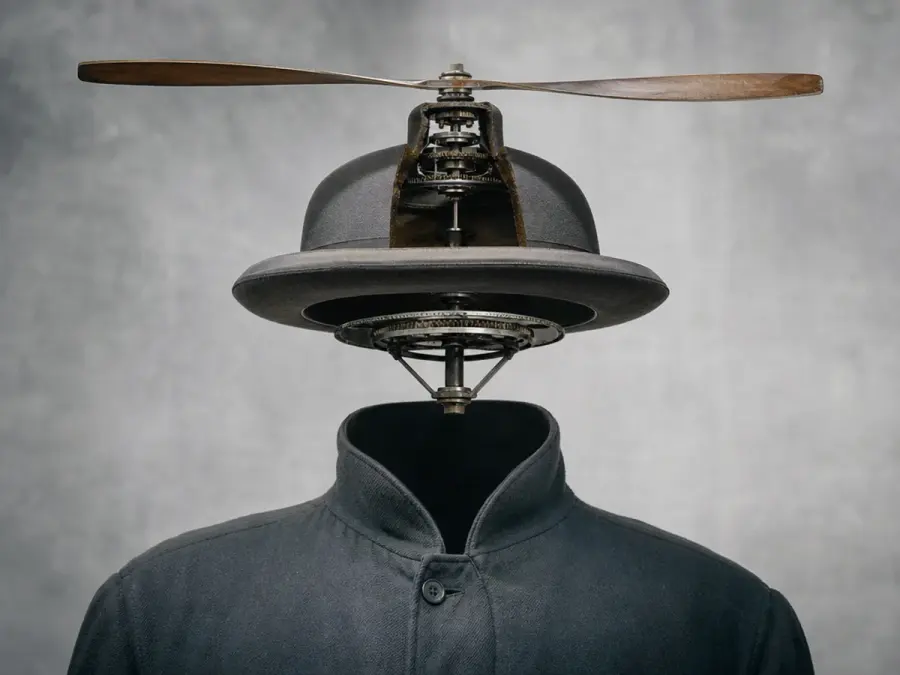
1. Gadget Copter — 1. Gadget Copter
The hat-mounted rotor wins because it turns a simple entrance into a full visual premise: the inspector can rise above danger while remaining spectacularly conspicuous.
It offers mobility, rescue potential and endless mechanical mishap. Few other tools communicate Gadget's cheerful confidence and unreliable engineering so quickly.
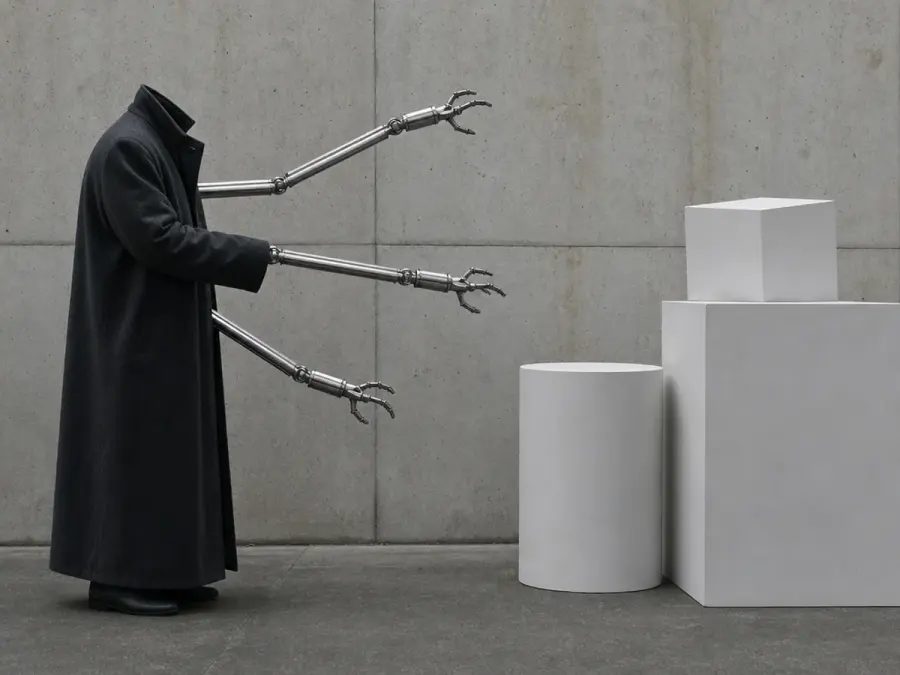
2. Gadget Arms — 2. Gadget Arms
Telescoping arms are the franchise's all-purpose reach extender. They can grab a ledge, carry equipment or create slapstick by overshooting.
Their rank comes from versatility rather than reliability: a body that becomes its own tool kit is the central joke, and extendable limbs express it perfectly.
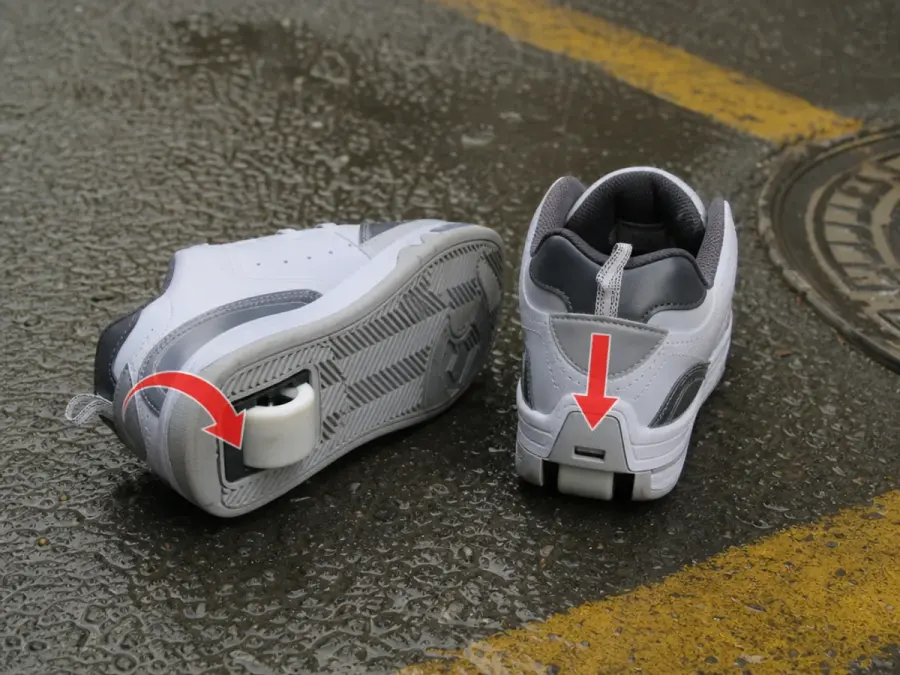
3. Gadget Skates — 3. Gadget Skates
Pop-out roller skates turn a routine chase into instant speed—and instant loss of control. The device works because viewers understand it before anyone explains it.
Skates also keep Gadget on the ground, where obstacles, traffic and accidental momentum can complicate a mission more comically than clean flight.
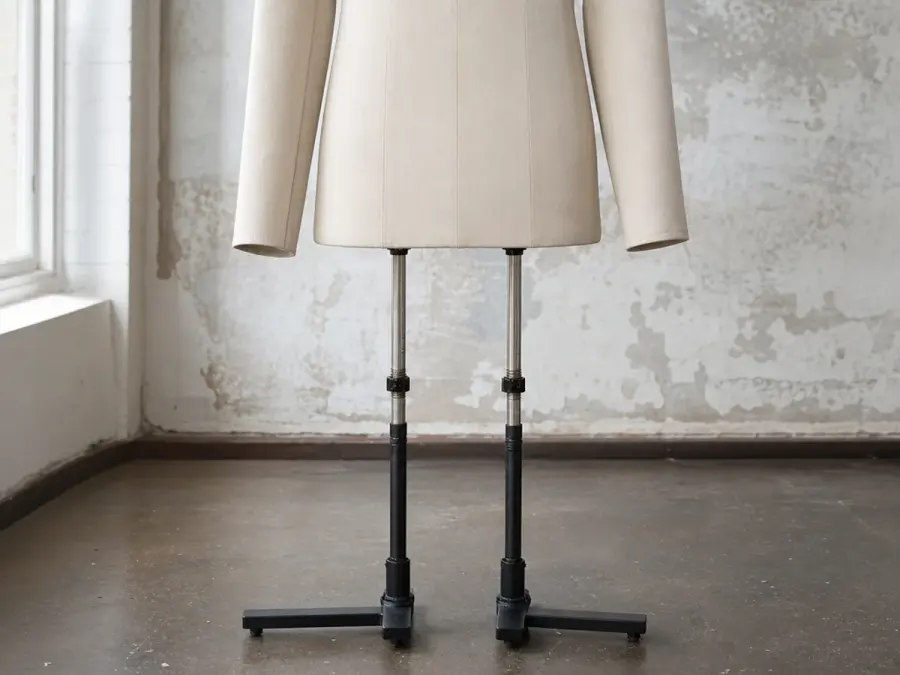
4. Gadget Legs — 4. Gadget Legs
Extendable legs offer height without the freedom of flight, which makes them useful and inherently awkward. They can clear a barrier or produce a precarious high-angle view.
The rigid vertical form also gives animators a clear setup for wobbling balance, tangled surroundings and overconfident surveillance.
5. Gadget Umbrella — 5. Gadget Umbrella
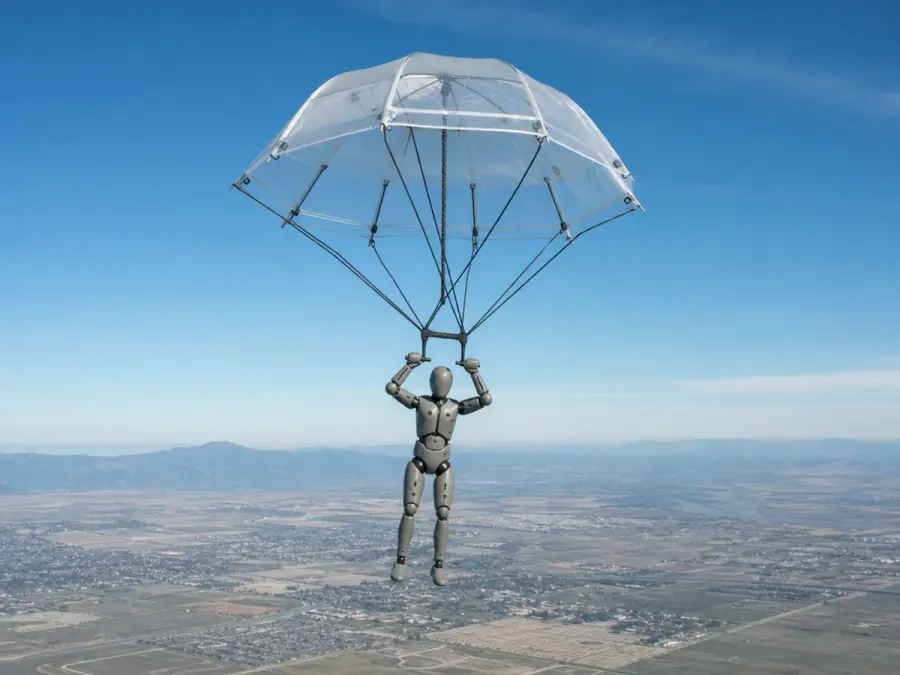
An umbrella can plausibly become a parachute, shield or gliding aid, letting the series stretch an everyday object into improbable rescue equipment.
Its charm comes from visual logic rather than realism. The broad canopy also creates room for wind, inversion and landing jokes when Gadget assumes the problem is solved.
6. Gadget Binoculars — 6. Gadget Binoculars
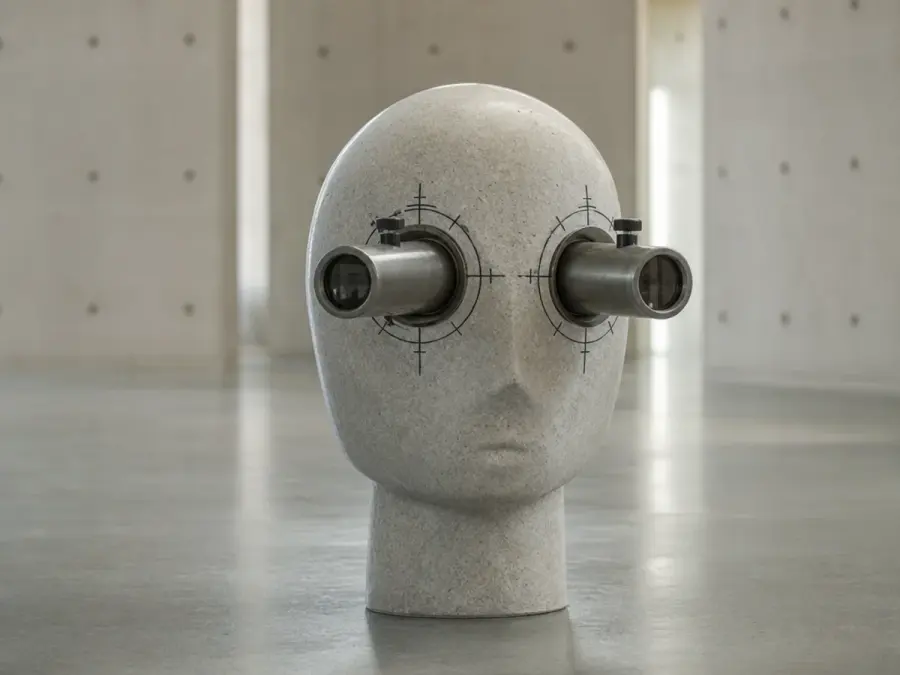
Eyes that convert into binoculars make surveillance literally part of the inspector. They are compact, readable and appropriately absurd, though better magnification does not guarantee better deduction.
The gag works whenever Gadget gets a closer view yet misses the obvious context Penny or Brain has already understood.
7. Gadget Phone — 7. Gadget Phone
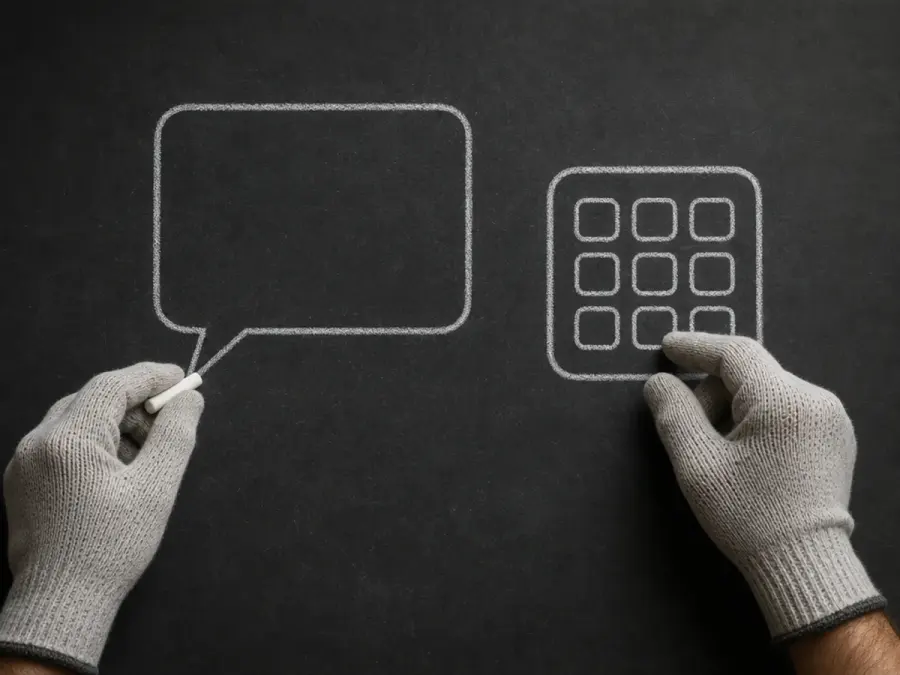
A communication tool hidden in the hand turns a mundane call into body comedy. It also anticipates the appeal of wearable technology without needing to predict any real product exactly.
The phone is less spectacular than flight gear but more useful to the detective format because it connects clues, assignments and interruptions.
8. Gadget Parachute — 8. Gadget Parachute
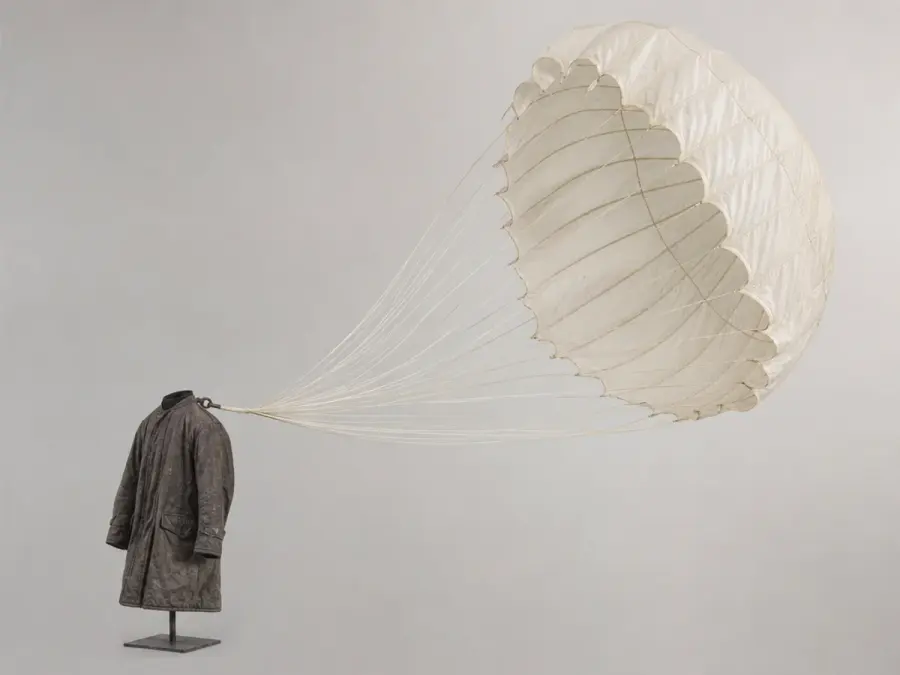
The dedicated parachute lacks the umbrella's improvisational personality but improves the inspector's odds after an aerial gadget fails.
Its narrative job is often secondary: first create a ridiculous fall, then add another device that may open late, twist or deliver an inconvenient landing.
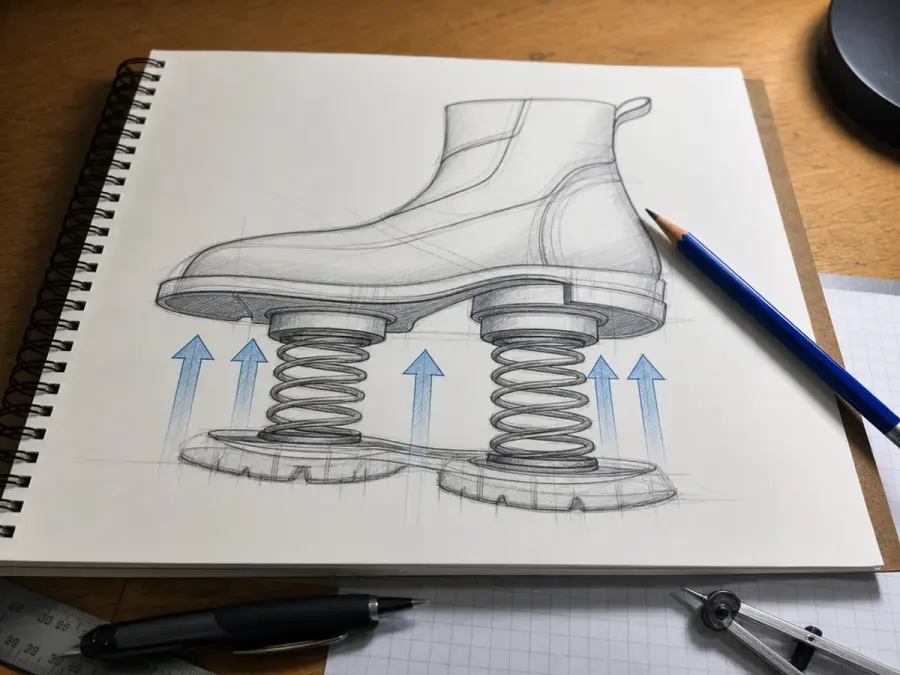
9. Gadget Springs — 9. Gadget Springs
Spring-loaded feet or legs make jumping mechanical, immediate and hard to control.
They rank below skates because their use is narrower, yet they embody the franchise's most dependable pattern: Gadget selects a plausible tool, receives far more motion than intended and remains convinced everything is proceeding normally.
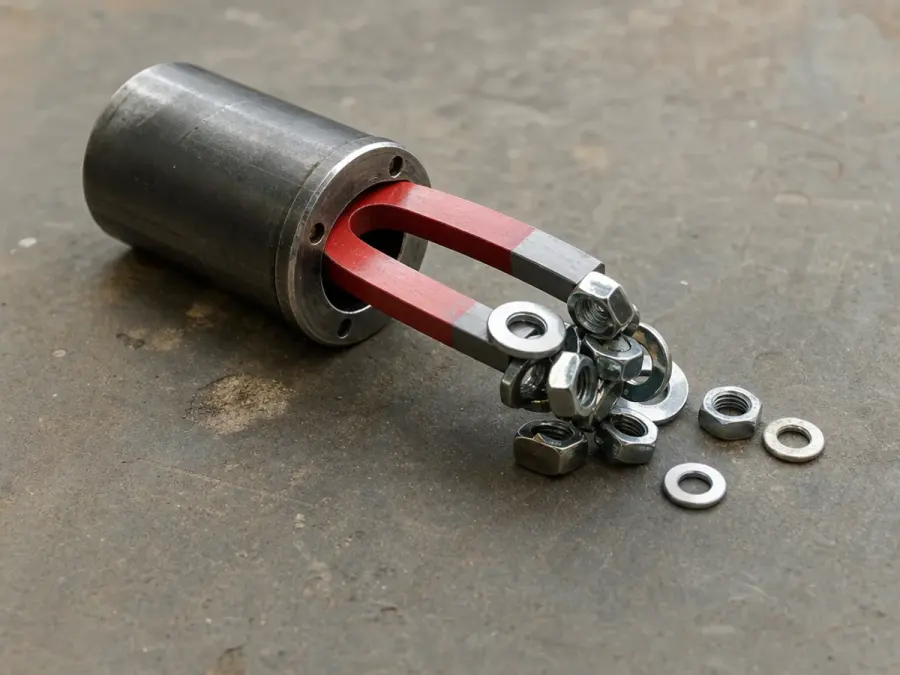
10. Gadget Magnet — 10. Gadget Magnet
A built-in magnet is perfect cartoon technology: it can retrieve a metal object at a distance, then attract every unwanted metallic thing nearby.
That side effect gives the tool more comic value than a simple grabber. Its low rank reflects how situational it is around nonmetallic problems.
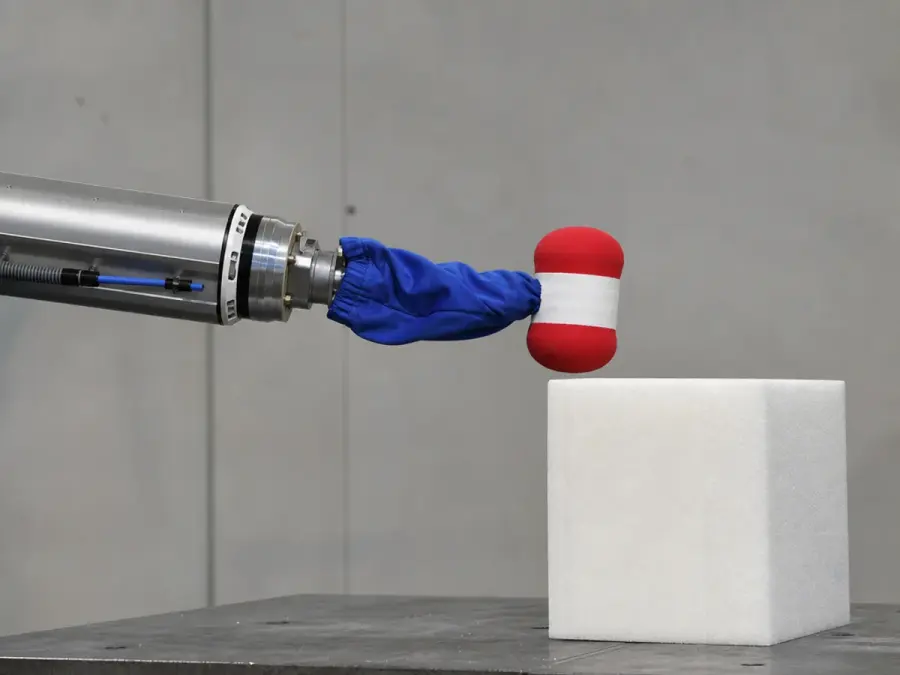
11. Gadget Mallet — 11. Gadget Mallet
A mallet emerging on command is direct but wonderfully indiscriminate. It can knock a mechanism into place or create a new problem by striking the wrong target.
Unlike the most versatile devices, it rarely adds information or movement; its contribution is rhythm, surprise and the inspector's misplaced certainty.
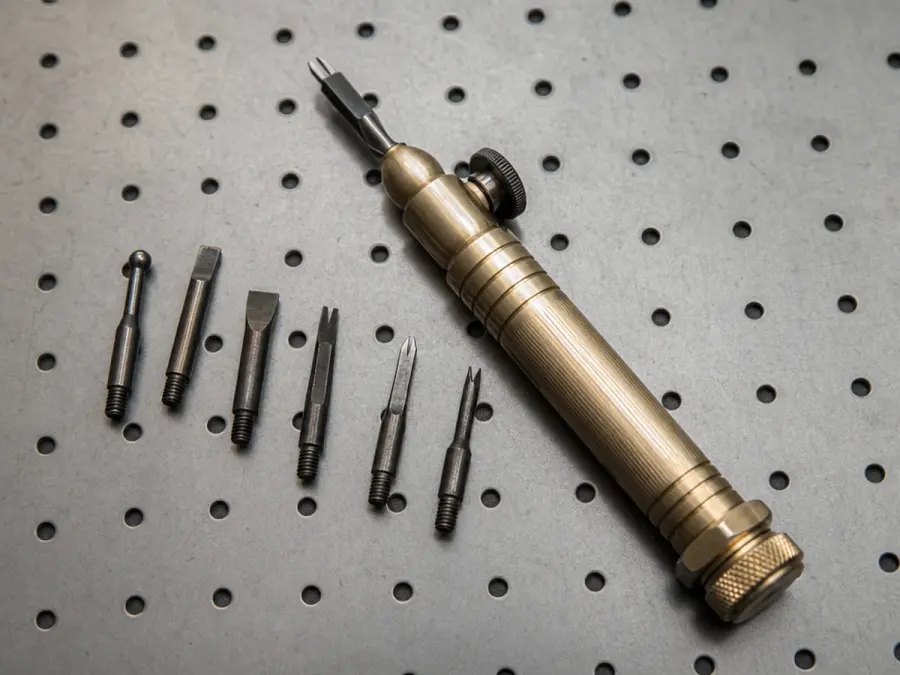
12. Gadget Key — 12. Gadget Key
A multipurpose mechanical key fits the detective fantasy of opening the way forward. It is less memorable because a key that works simply ends an obstacle, while a key that does not work needs another gadget.
Still, compact access tools make sense within the inspector's impossible built-in inventory.

13. Gadget Coat Inflation — 13. Gadget Coat Inflation
Inflating the trench coat into a cushion or flotation shape turns costume into equipment. The transformation is visually clean and can soften a fall, but it is almost entirely reactive.
Its greatest strength is silhouette comedy: a familiar detective outline abruptly becomes a buoyant geometric form.
14. Gadget Cuffs — 14. Gadget Cuffs
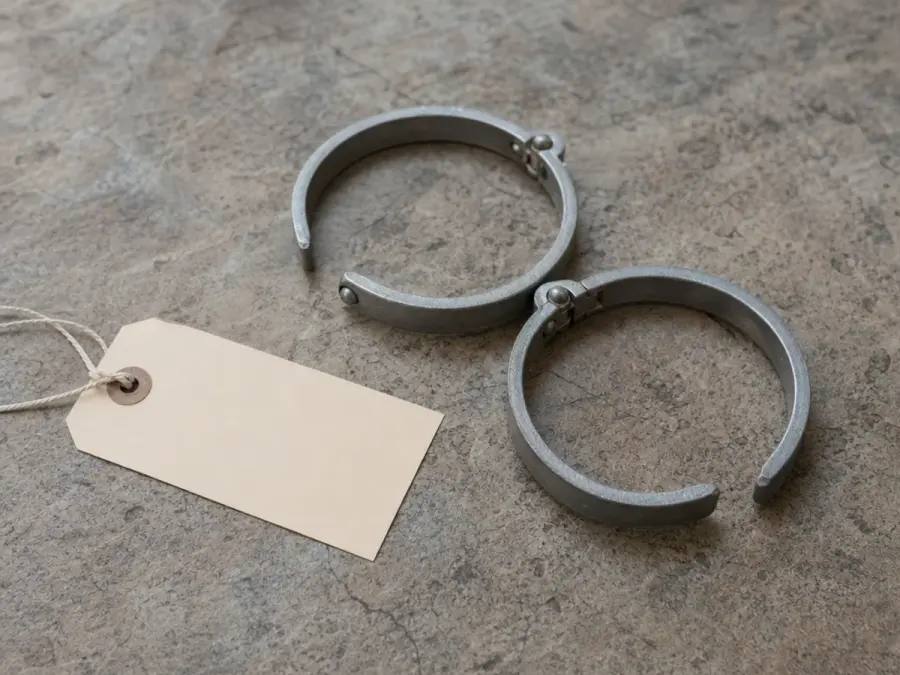
Built-in restraints belong logically in a police gadget set, although the series usually gets more comedy from capturing the wrong object or missing the villain.
Their limited purpose and potentially coercive imagery keep them low. A rights-safe illustration should treat them as an abstract tool, not depict restraint.
15. Gadget Magnifying Glass — 15. Gadget Magnifying Glass
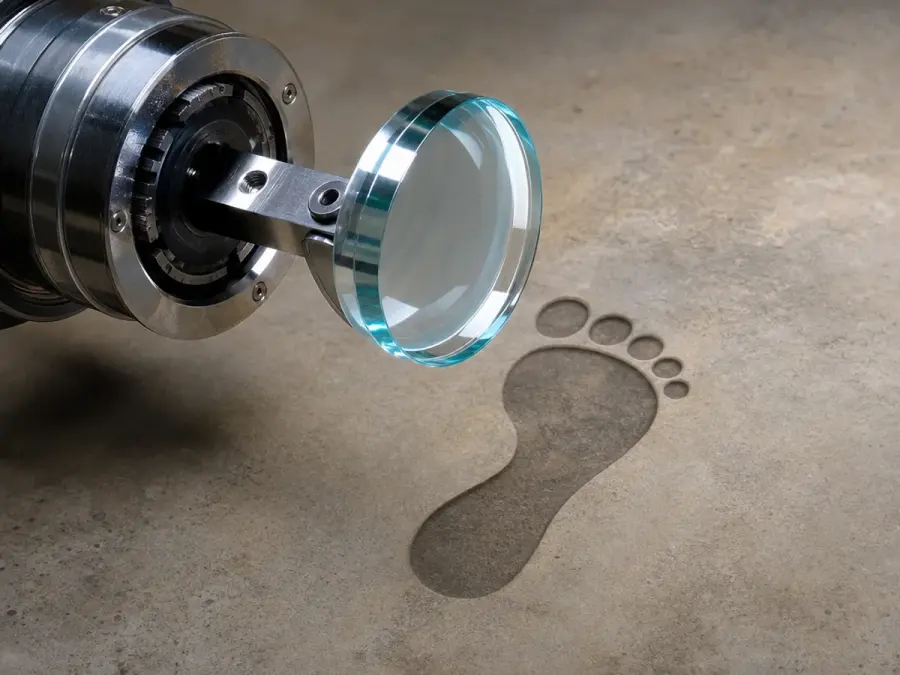
A magnifier is the most traditional detective device in a wildly nontraditional body. It finishes last because binocular eyes and extendable limbs already provide more dramatic ways to inspect a clue.
Yet the contrast is appealing: beneath all the futuristic machinery, Gadget still reaches for classic detective iconography.
Featured galleries







































































































































































































































































































































































































































































