15 Joe Dirt Moments That Explain the Movie's Cult Appeal—Without Reprinting Quotes

1. Joe Tells His Story on the Radio — 1. Joe Tells His Story on the Radio
The radio-station frame gives an unfashionable outsider a captive audience and lets the movie turn digression into structure.
Listeners within the film begin skeptical, mirroring viewers who may expect only a caricature. The storytelling setup gradually changes who gets to define Joe.

2. The Janitor Who Refuses to Disappear — 2. The Janitor Who Refuses to Disappear
Joe begins from a low-status job and is routinely treated as disposable. The movie's durable emotional engine is his refusal to internalize everyone else's verdict.
That persistence can be sentimental and ridiculous at once, which is exactly the tone the performance must hold.
3. The Search for His Parents Becomes a Road Map — 3. The Search for His Parents Becomes a Road Map
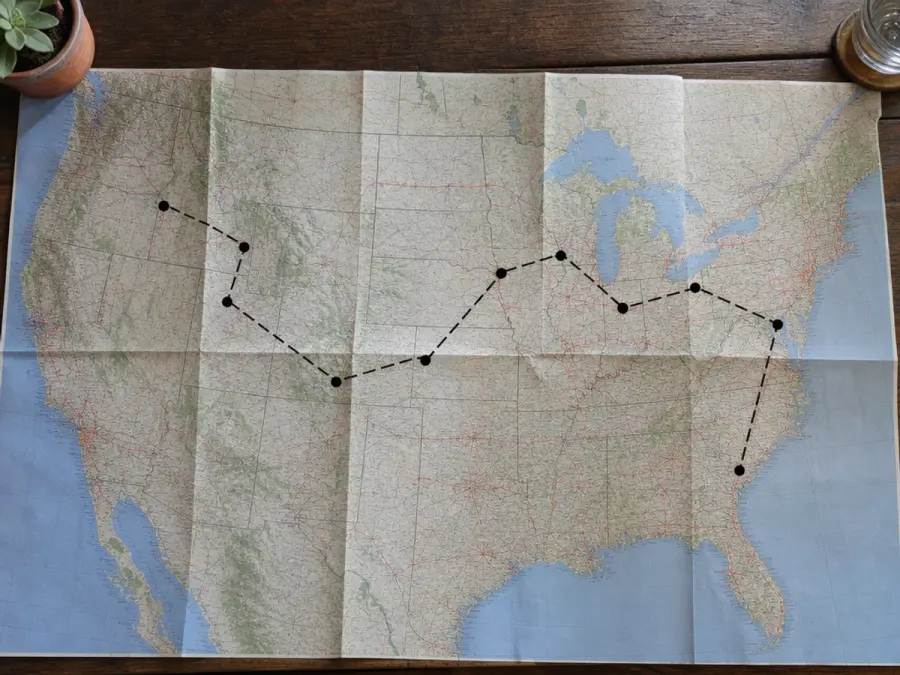
The plot sends Joe across a stylized United States in search of the family he lost as a child. Each stop supplies a new test, helper or humiliation.
The route is less realistic investigation than emotional geography: motion keeps hope alive when evidence does not.

4. Brandy Represents a Home He Already Had — 4. Brandy Represents a Home He Already Had
Joe's childhood connection with Brandy gives the road story a stable emotional reference.
The search is ostensibly backward-looking, yet the film repeatedly suggests that loyalty in the present may matter more than a perfect origin story. That tension keeps the romance from being only a reward.
5. The Meteorite Misunderstanding — 5. The Meteorite Misunderstanding
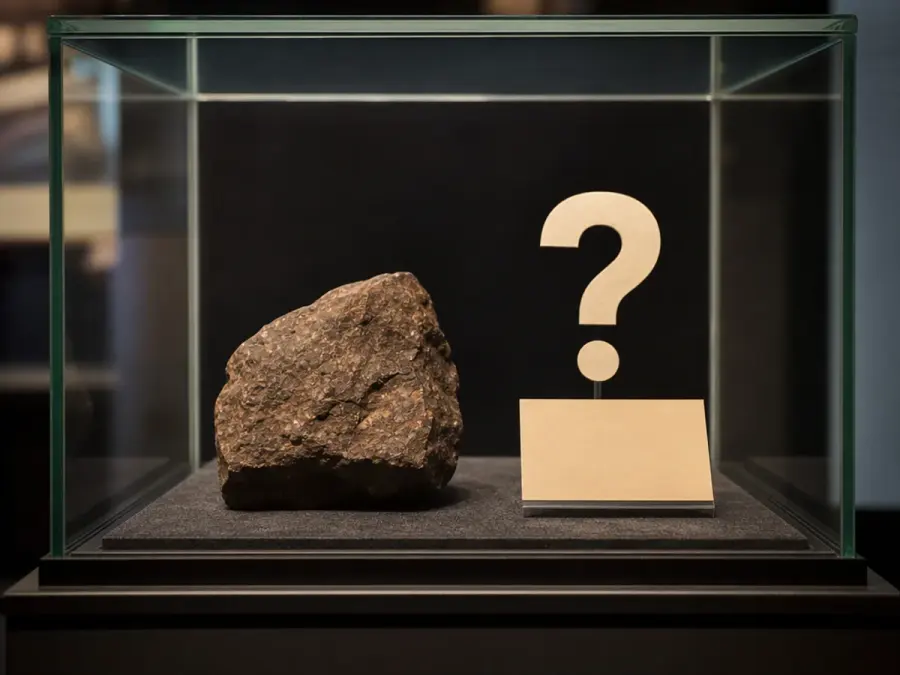
One famous sequence lets Joe confidently misidentify a foul object as something extraordinary. The humor comes from expertise arriving too late and humiliation becoming public.
Its larger function is character-based: Joe's optimism can transform trash into treasure until reality catches up.

6. The Auto-Body Garage Gives Him Competence — 6. The Auto-Body Garage Gives Him Competence
Car work provides a space where Joe's knowledge and enthusiasm are useful rather than mocked. The film needs these moments because resilience without skill would feel empty.
Mechanical competence also suits the road-movie world, where identity is repaired through practical attention and forward movement.
7. Clem Turns Identity Into Performance — 7. Clem Turns Identity Into Performance
Christopher Walken's character brings a different kind of reinvention: an assumed identity carried with theatrical commitment.
The contrast clarifies Joe, who presents an eccentric surface but is emotionally direct. The supporting performance makes concealment funny without needing its exact verbal rhythms reproduced.

8. Buffalo Bob Pushes the Movie Into Parody — 8. Buffalo Bob Pushes the Movie Into Parody
A roadside encounter deliberately brushes against thriller iconography, then lets Joe misunderstand the danger. The comedy depends on genre recognition: viewers see a threatening pattern that the hero does not.
A rights-safe explanation can describe the parody without recreating another film's protected character design.

9. The Fireworks Stand Is Pure Specificity — 9. The Fireworks Stand Is Pure Specificity
A supporting character's exhaustive enthusiasm for fireworks turns product naming into personality and rhythm. The scene lasts in memory because commitment escalates beyond the information's usefulness.
This gallery does not reproduce the list; the technique is enough—obsessive specificity can become its own comic beat.

10. The Carnival Memory Starts the Wound — 10. The Carnival Memory Starts the Wound
Joe's childhood separation at a crowded attraction supplies the story's central absence.
The movie treats the memory with broad comedy and genuine hurt, a combination that explains its odd tonal staying power. The adult quest makes sense because the child's confusion never fully resolved.

11. Rejection Keeps Repeating in New Forms — 11. Rejection Keeps Repeating in New Forms
The film cycles Joe through ridicule by strangers, authority figures and media audiences. Repetition risks cruelty, but it also makes each small act of respect visible.
Cult affection often attaches not to a joke alone but to the hero's refusal to become as mean as his surroundings.

12. The Film Makes Bad Taste a Point of View — 12. The Film Makes Bad Taste a Point of View
Hair, clothes, music and cars mark Joe as out of step with the early-2000s people judging him.
The comedy initially invites viewers to notice that gap, then asks whether taste is a moral category. Sincerity becomes the quality his mockers lack.

13. The Radio Audience Changes Sides — 13. The Radio Audience Changes Sides
As Joe's story spreads, the fictional audience moves from ridicule toward investment.
That shift can feel manipulative, but it completes the frame: media attention that first objectifies him becomes a channel for connection. The movie imagines mass listening as a temporary community.

14. Finding the Parents Does Not Supply the Fantasy Ending — 14. Finding the Parents Does Not Supply the Fantasy Ending
When the search reaches its apparent goal, the emotional answer is more disappointing than Joe hoped. The choice prevents biology from automatically resolving belonging.
His response clarifies the film's thesis: family is demonstrated through care, not guaranteed by the success of a quest.

15. The Cult Appeal Is Earnestness Inside Gross-Out Comedy — 15. The Cult Appeal Is Earnestness Inside Gross-Out Comedy
Joe Dirt survives because viewers can enjoy lowbrow set pieces while recognizing an unusually uncynical hero.
The film's jokes vary in how well they age; its emotional architecture is steadier. That combination explains why fans remember situations and attitudes as strongly as dialogue.
Featured galleries







































































































































































































































































































































































































































































