Lemon Alert: The Most Infamous Automotive Failures in History
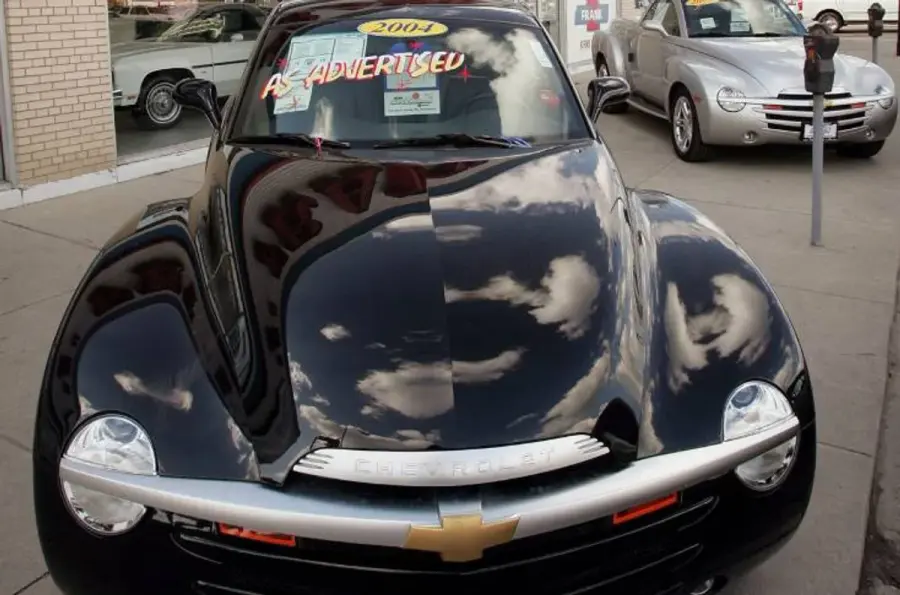
Chevrolet SSR — Chevrolet SSR
This retro-styled convertible pickup truck tried to blend hot-rod styling with everyday utility.
Unfortunately, it ended up being too heavy to perform like a sports car and too impractical to function as a real truck. Its high price tag and divisive looks doomed it to a very short production run.
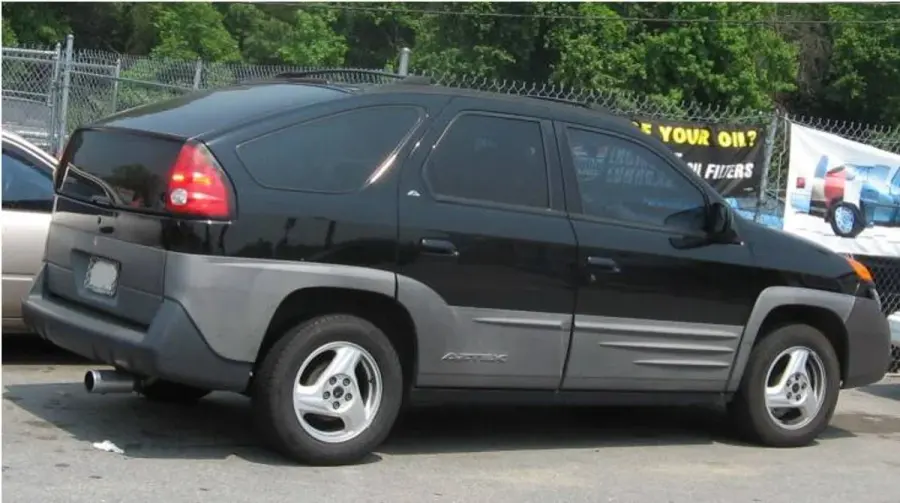
Pontiac Aztek — Pontiac Aztek
Often cited as one of the ugliest vehicles ever designed, this crossover was a major misstep for General Motors.
Despite offering some innovative camping features, its bizarre exterior styling and cheap plastic cladding alienated buyers. It ultimately became a symbol of poor product planning before finding a cult following years later.
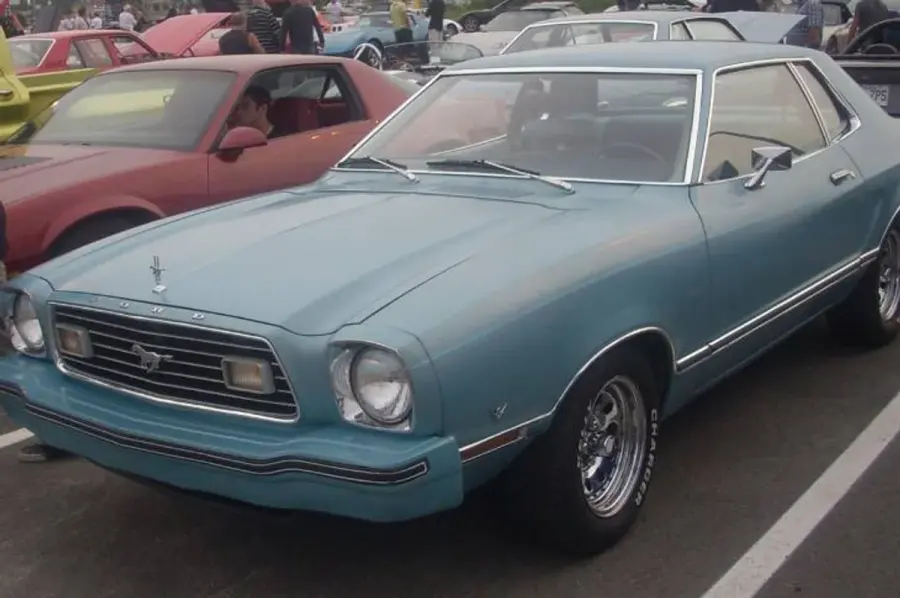
Ford Mustang II — Ford Mustang II
Arriving during the 1970s fuel crisis, this downsized pony car traded muscle for fuel economy. Based on the humble Ford Pinto platform, it lacked the power and aggressive styling that made the original Mustang a legend.
While it sold well initially due to market conditions, enthusiasts still view it as a low point for the brand.
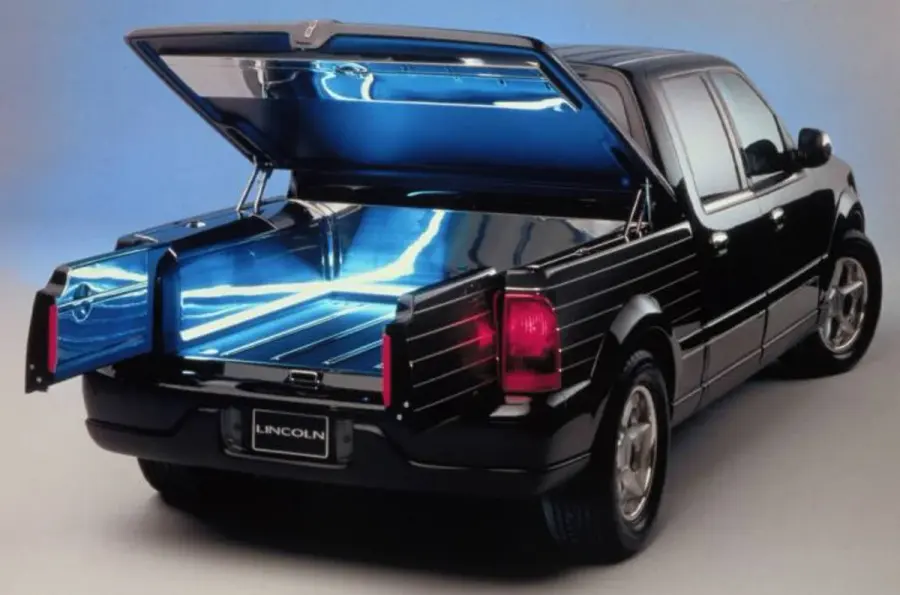
Lincoln Blackwood — Lincoln Blackwood
This luxury pickup truck was on the market for only a single model year before being discontinued due to abysmal sales.
It featured a carpeted, power-operated trunk bed that was completely useless for hauling dirty cargo. Buyers simply couldn't justify paying a premium price for a utility vehicle that lacked actual utility.
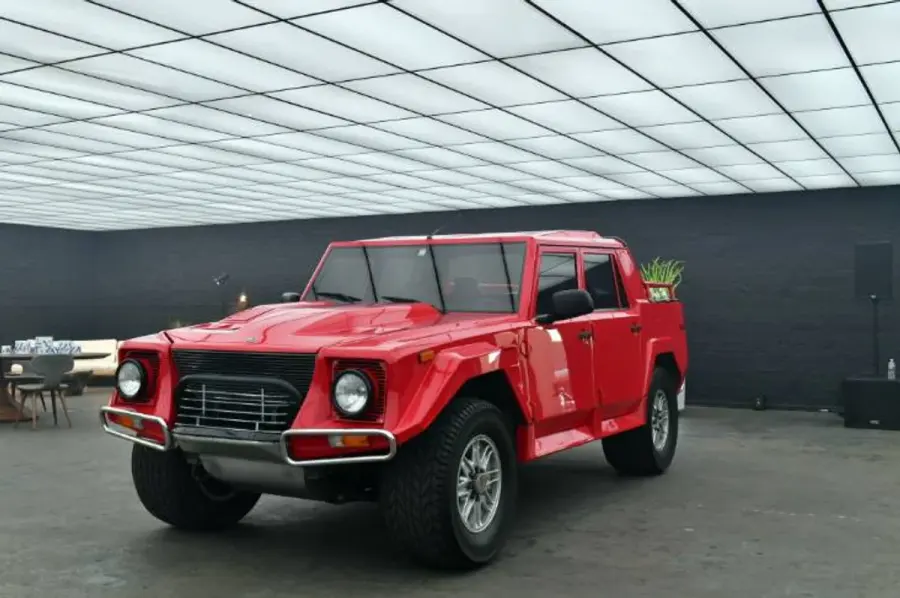
Lamborghini LM002 — Lamborghini LM002
Long before the Urus, Lamborghini built this massive military-grade off-roader powered by a V12 engine. It was incredibly heavy, drank fuel at an alarming rate, and was notoriously difficult to maintain.
While it has achieved legendary status today, it made very little practical sense for the luxury market at the time.
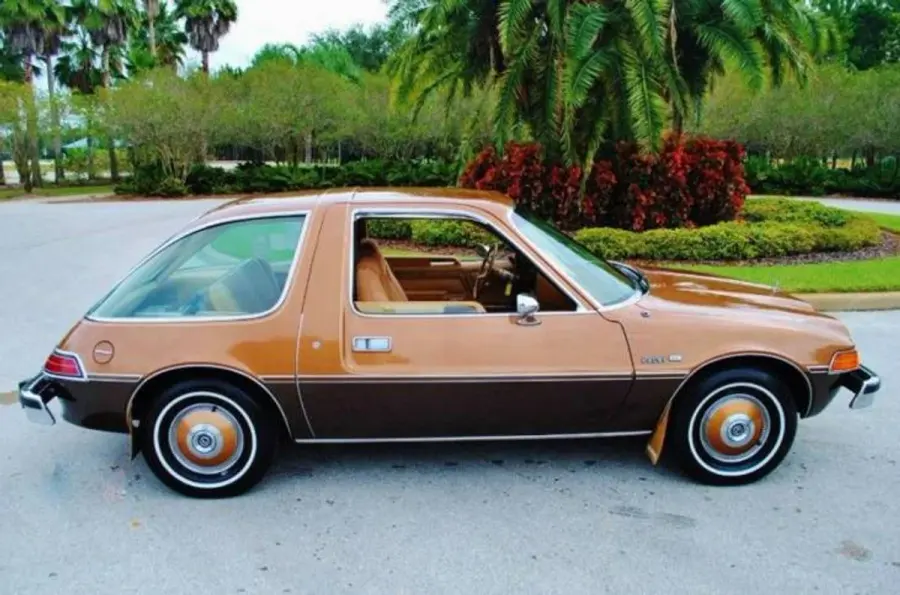
AMC Pacer — AMC Pacer
' The heavy glass created a greenhouse effect that made the cabin unbearably hot on sunny days, putting immense strain on the air conditioning.
It also suffered from lackluster performance and quickly became a target for late-night comedy.
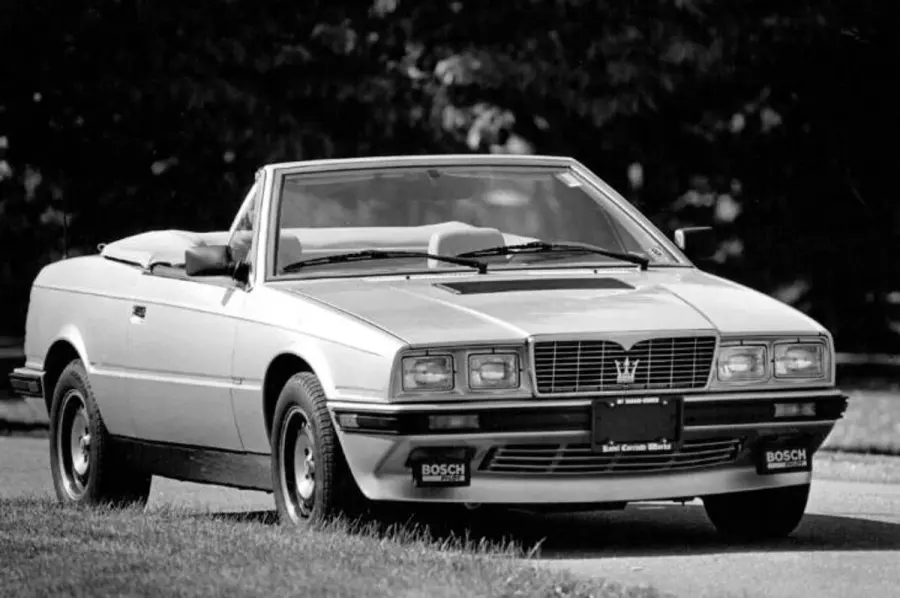
Maserati Biturbo — Maserati Biturbo
This vehicle was intended to bring Maserati performance to a wider, more affordable market segment.
Instead, it became infamous for its terrible build quality, frequent electrical failures, and engines prone to catching fire. It severely damaged the Italian brand's reputation for reliability in North America for decades.
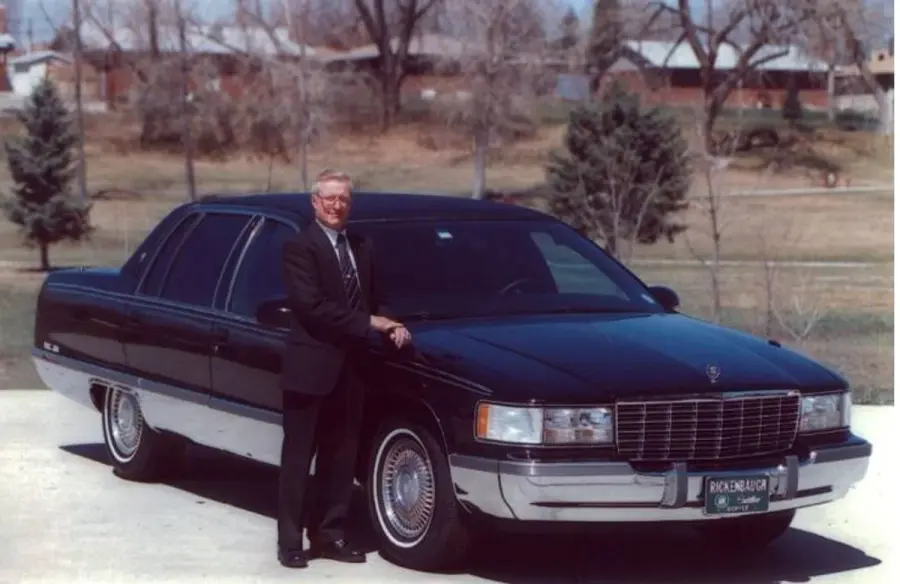
Cadillac Fleetwood V8-6-4 — Cadillac Fleetwood V8-6-4
In an early attempt at cylinder deactivation technology, Cadillac introduced an engine that could run on four, six, or eight cylinders to save fuel.
Unfortunately, the primitive computers of the era could not manage the transitions smoothly, leading to jerky performance and frequent mechanical failures. Most owners ended up having dealerships permanently disable the system to keep the cars running.
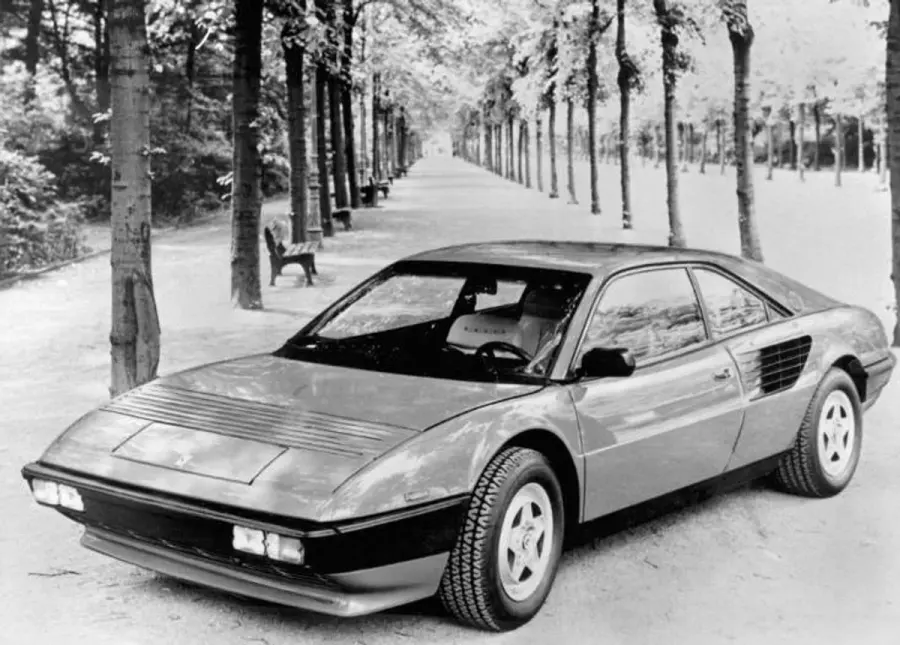
Ferrari Mondial 8 — Ferrari Mondial 8
Even the legendary Italian supercar manufacturer is capable of making a misstep. The Mondial 8 was criticized for being heavy, underpowered, and plagued by complex electrical gremlins that frustrated owners.
It is widely considered one of the least desirable models to ever wear the famous prancing horse badge.
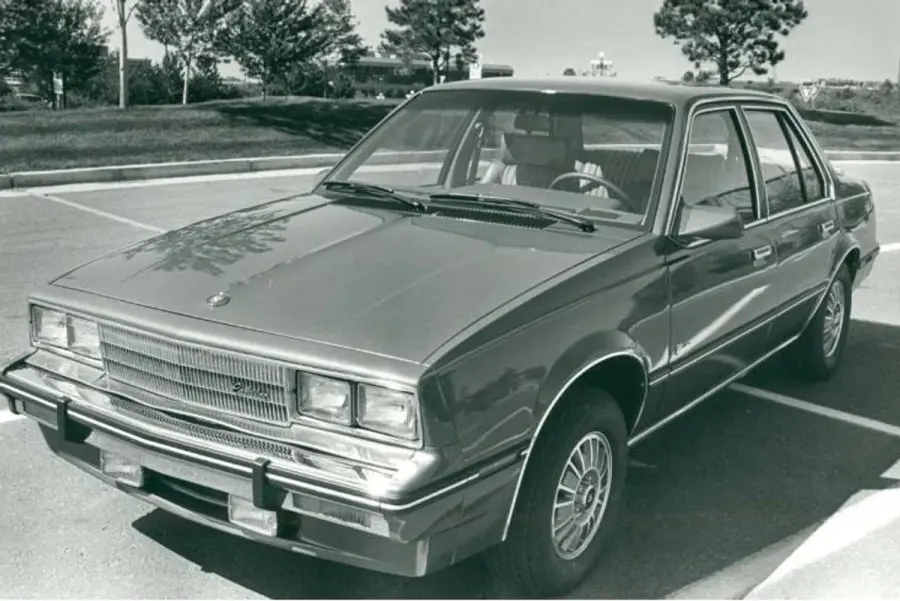
Cadillac Cimarron — Cadillac Cimarron
This vehicle is frequently cited as a textbook example of lazy badge engineering. Cadillac took a basic, economy-class Chevrolet Cavalier, added some leather seats and chrome trim, and tried to sell it as a premium luxury car.
Savvy consumers saw right through the marketing ploy, and the resulting backlash nearly ruined Cadillac's prestige.

Chevrolet Bel Air — Chevrolet Bel Air
While the Bel Air is an undisputed icon of 1950s Americana, its reputation took a hit in modern safety evaluations.
In a famous crash test conducted by the IIHS against a modern sedan, the classic car's lack of crumple zones and rigid frame resulted in catastrophic cabin collapse. It serves as a stark reminder of how far automotive safety technology has come.
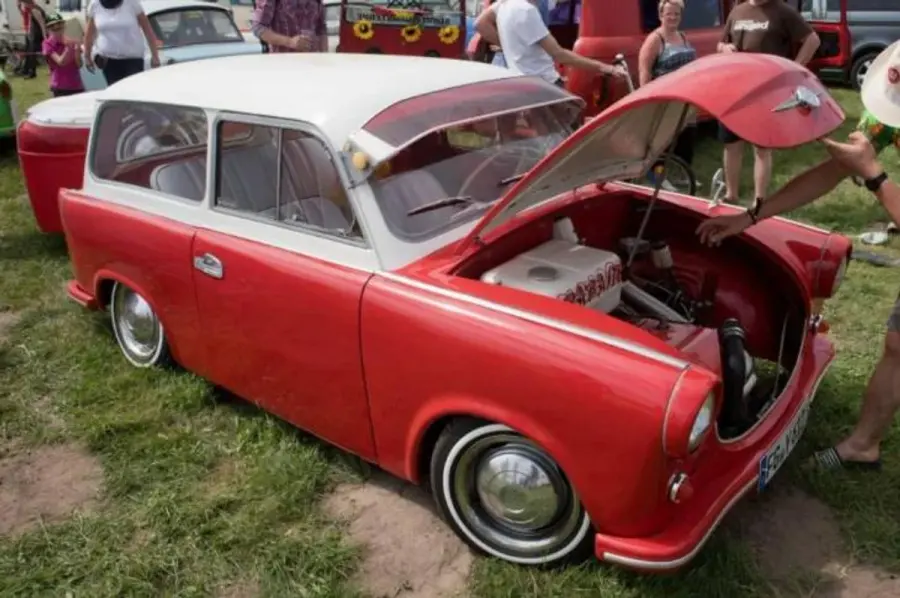
Trabant — Trabant
Produced in East Germany, this basic vehicle became a symbol of the Eastern Bloc's economic struggles. It featured a smoky, noisy two-stroke engine and a body made from Duroplast, a form of plastic reinforced with recycled cotton and wool.
Buyers often had to wait years for delivery, only to receive a car with virtually no safety features or modern comforts.
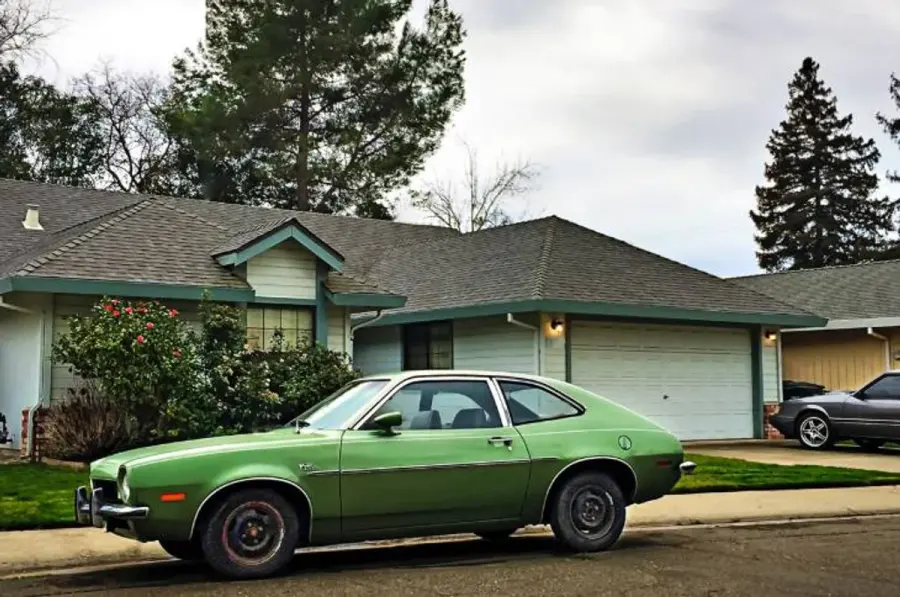
Ford Pinto — Ford Pinto
This subcompact car became notorious due to a design flaw regarding its rear-mounted fuel tank, which was prone to rupturing during rear-end collisions.
The resulting fire hazard led to high-profile lawsuits and a massive recall that permanently scarred Ford's reputation. It remains a classic cautionary tale in engineering ethics and corporate risk management.
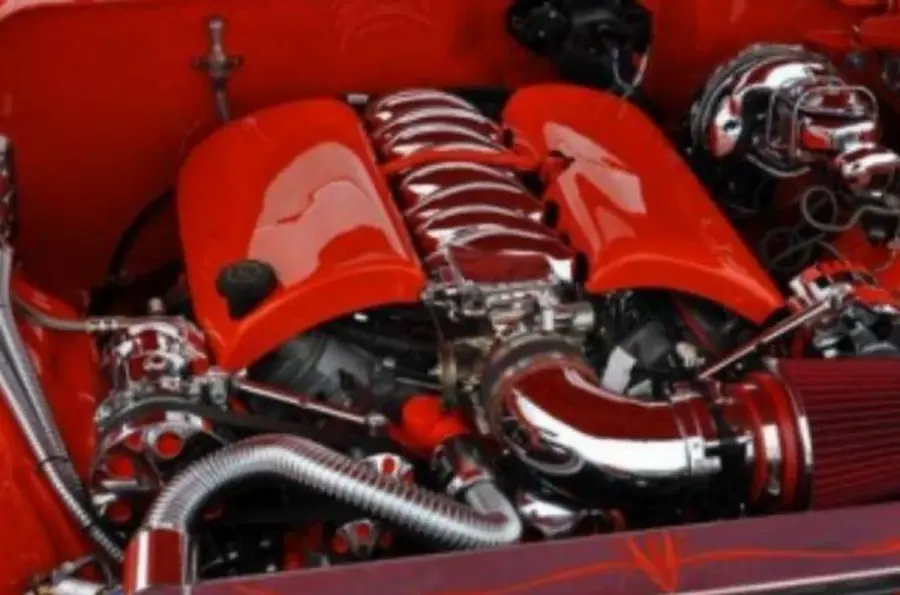
Propane-Powered Morgan Plus 8 — Propane-Powered Morgan Plus 8
To meet stringent United States emission standards in the 1970s, some imported versions of this classic British roadster were converted to run on propane.
This modification required mounting a heavy fuel tank on the rear of the vehicle, which severely disrupted its weight distribution and handling. The awkward setup proved unpopular with traditional sports car enthusiasts who prized agile performance.
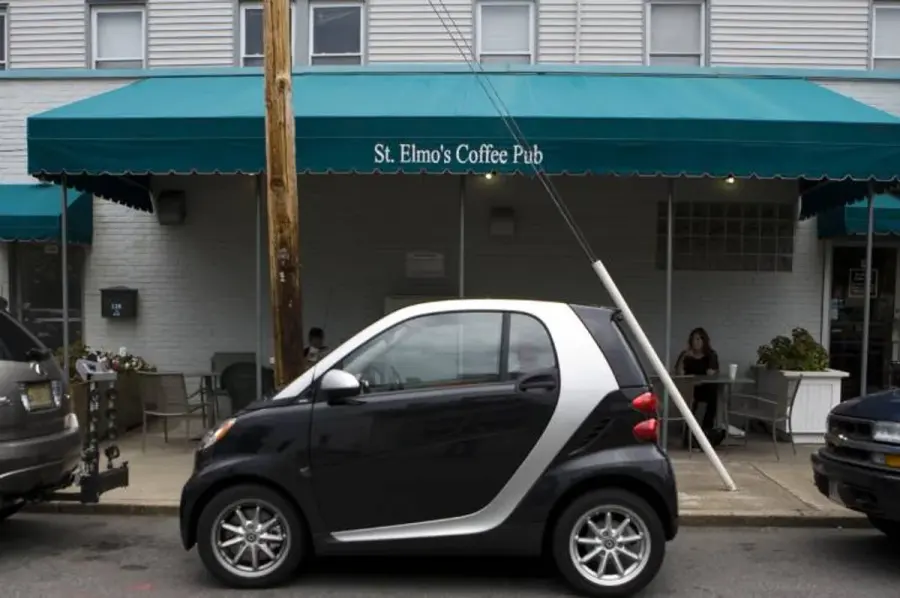
Smart Fortwo — Smart Fortwo
While designed to revolutionize urban parking, this tiny two-seater struggled on North American highways. Its jerky automated manual transmission made for a frustrating driving experience, and its short wheelbase resulted in a harsh ride over bumps.
Despite its small size, it failed to deliver the stellar highway fuel economy that buyers expected from such a compromised design.
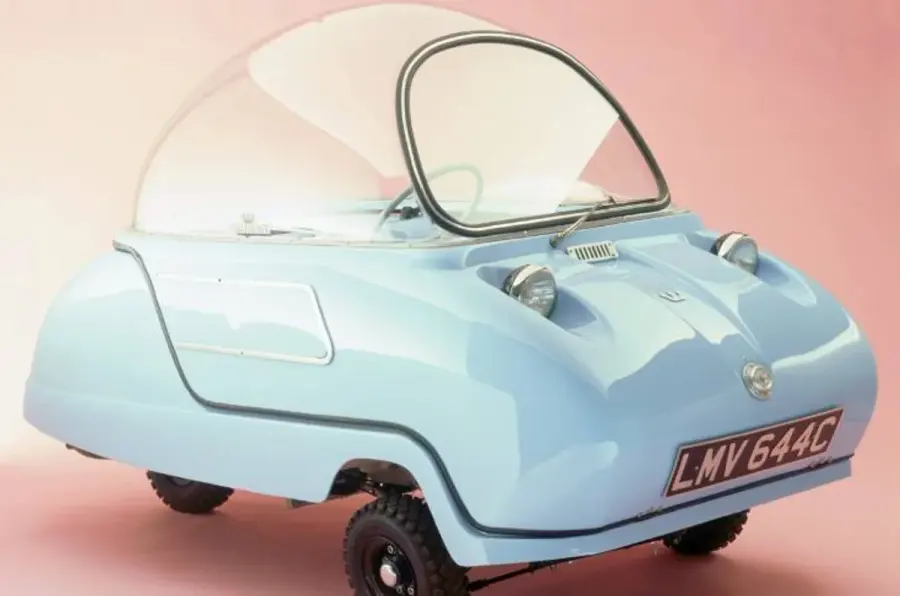
Peel Trident — Peel Trident
This extremely tiny three-wheeled microcar featured a clear plastic bubble dome that acted as both the entry door and the roof. Unfortunately, the cabin lacked ventilation, turning the interior into a veritable oven under direct sunlight.
With its minimal power and vulnerable design, driving it on public roads alongside normal-sized traffic was a terrifying experience.
Featured galleries







































































































































































































































































































































































































































































