The 13 Longest MLB Home Runs Measured in the Statcast Era
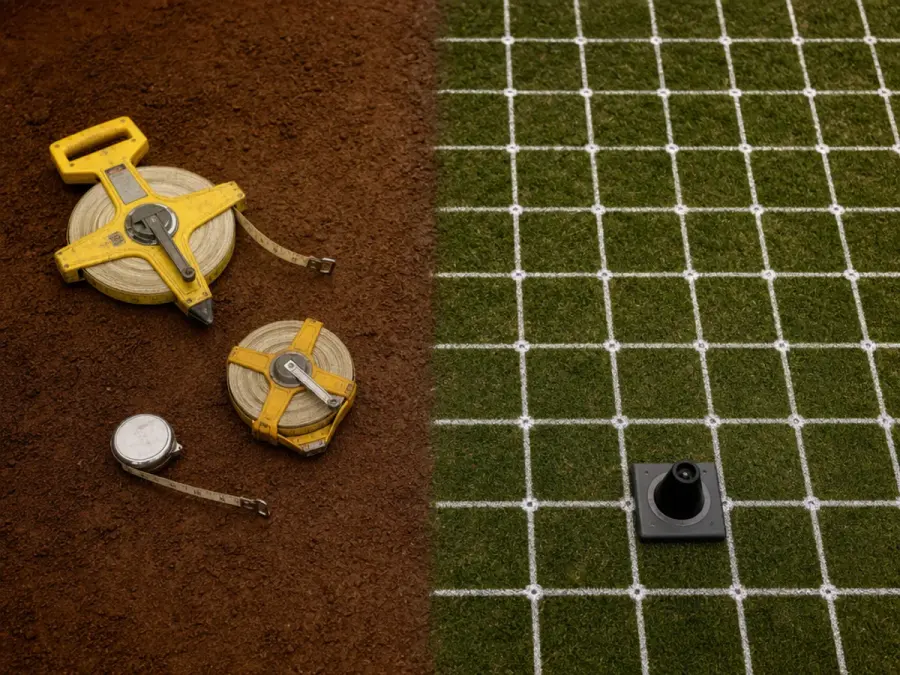
Why the Ranking Starts in 2015 — Why the Ranking Starts in 2015
Home-run distances from older eras often came from ballpark estimates, newspaper accounts, or different tracking methods.
Statcast gives this gallery one consistent measurement framework beginning in 2015. That narrower title is more defensible than declaring a disputed historical shot the longest ever.
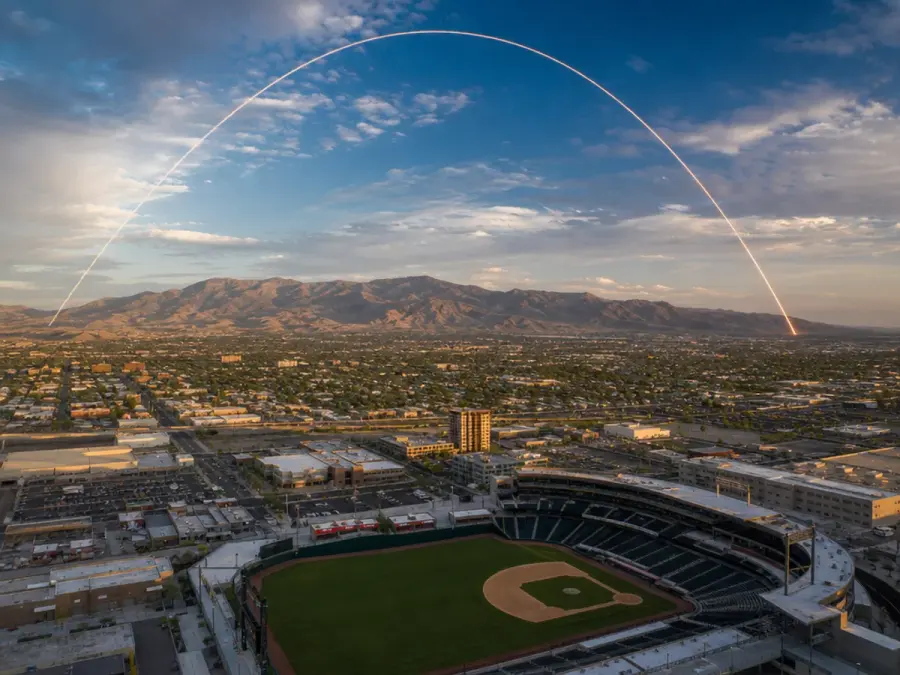
13. Michael A. Taylor — 493 Feet — 13. Michael A. Taylor — 493 Feet
Taylor's August 20, 2015 drive at Coors Field reached a projected 493 feet, putting one of Statcast's earliest seasons on this list.
Ballpark altitude matters to flight, but the ranked measure is the official projected distance, not an adjustment for environmental conditions.
12. Ryan McMahon — 495 Feet — 12. Ryan McMahon — 495 Feet
McMahon hit a 495-foot homer at Coors Field on August 9, 2022. MLB identifies it as the longest home run by a Rockies player in the Statcast era in its September 2025 roundup.
The ranking does not assume every ballpark offers identical conditions.
11. Miguel Sanó — 495 Feet in 2021 — 11. Miguel Sanó — 495 Feet in 2021
Sanó's August 25, 2021 homer at Fenway Park measured 495 feet, giving him a second appearance among the longest tracked drives.
Because several home runs share 495 feet, we preserve MLB's dated events instead of inventing precision beyond the published whole-foot distances.
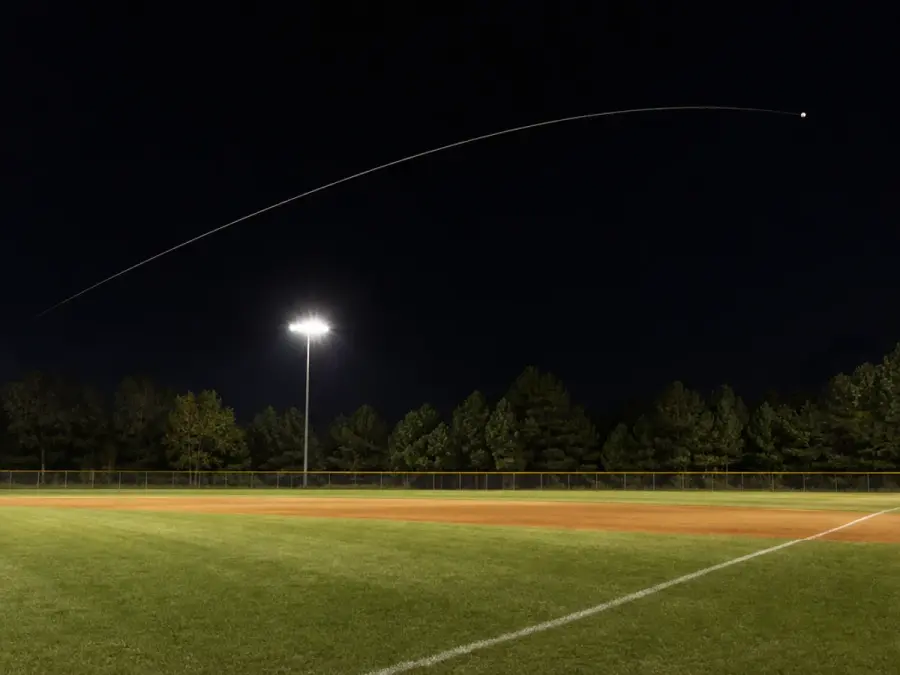
10. Ronald Acuña Jr. — 495 Feet — 10. Ronald Acuña Jr. — 495 Feet
Acuña's September 25, 2020 drive also measured 495 feet. Its inclusion demonstrates why ties need dates and hitters attached: “495 feet” is not one event.
This gallery avoids using exit-velocity or launch-angle tiebreakers not specified in the ranking method.
9. Joey Gallo — 495 Feet — 9. Joey Gallo — 495 Feet
Gallo's July 20, 2018 home run traveled a projected 495 feet. MLB notes the game situation in its official story, but distance alone determines eligibility here.
Clutch value, score, and opponent quality are interesting separate questions, not reasons to alter the measurement order.
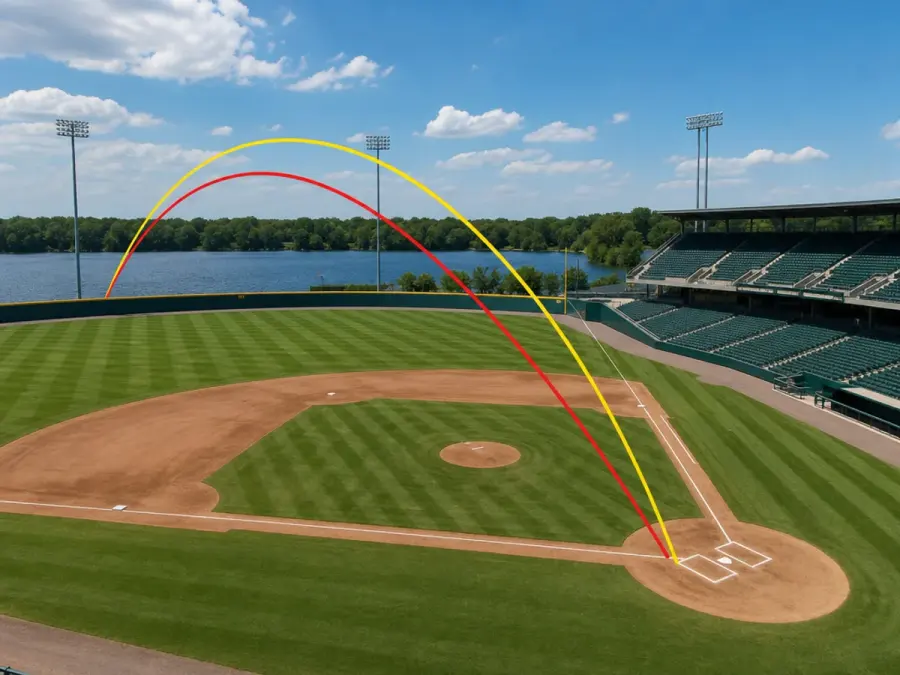
8. Aaron Judge — 495 Feet in June 2017 — 8. Aaron Judge — 495 Feet in June 2017
Judge reached 495 feet on June 11, 2017, then exceeded that mark later the same season.
Showing both events avoids collapsing a player's repeated achievements into one entry. It also makes the list about measured home runs rather than a ranking of hitters.
7. Kris Bryant — 495 Feet — 7. Kris Bryant — 495 Feet
Bryant's September 6, 2015 shot at Wrigley Field measured 495 feet and briefly established the early Statcast benchmark.
Its historical role within the tracking era adds context, but this list ranks the published distance; it does not award extra points for setting a temporary record.
6. Jesús Sánchez — 496 Feet — 6. Jesús Sánchez — 496 Feet
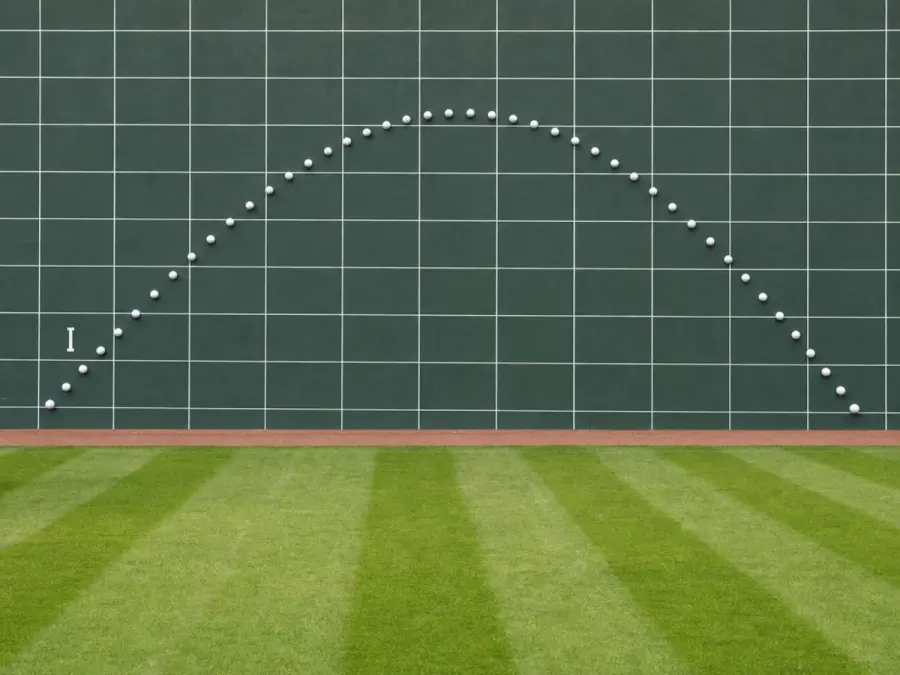
Sánchez sent a May 30, 2022 homer 496 feet at Coors Field. One additional foot moves the event above the crowded 495-foot group, but projected distances should not be treated as laboratory measurements.
Whole-foot reporting supports the order MLB publishes, not exaggerated certainty.
5. Miguel Sanó — 496 Feet in 2019 — 5. Miguel Sanó — 496 Feet in 2019
Sanó's September 17, 2019 homer measured 496 feet, one foot longer than his 2021 entry.
Repeated appearances show power over multiple seasons, yet our unit remains the individual event. Career totals and player rankings would require a different methodology and dataset.
4. Aaron Judge — 496 Feet in September 2017 — 4. Aaron Judge — 496 Feet in September 2017
Judge's September 30, 2017 drive measured 496 feet, edging his June homer by one foot. The dates distinguish separate events within his remarkable rookie season.
Our source and cutoff remain fixed, so future Statcast additions should trigger a complete rerank rather than a silent edit.
3. Christian Yelich — 499 Feet — 3. Christian Yelich — 499 Feet
Yelich's September 6, 2022 homer at Coors Field reached a projected 499 feet, the longest sub-500 entry in MLB's published list.
The near-threshold number is visually dramatic, but 500 has no special scoring role; exact published distance determines placement.
2T. Giancarlo Stanton — 504 Feet — 2T. Giancarlo Stanton — 504 Feet
Stanton hit the first 500-foot homer of the Statcast era on August 6, 2016, with a projected distance of 504 feet at Coors Field.
It later became a tie for second. MLB also reported a 115.8 mph exit velocity and low 18-degree launch angle.
2T. C.J. Cron — 504 Feet — 2T. C.J. Cron — 504 Feet
Cron matched 504 feet at Coors Field on September 9, 2022. MLB called it one foot shorter than the overall Statcast record and tied with Stanton for the ballpark's measured high.
Sharing the rank is more honest than an unsupported tie-breaking story.
1. Nomar Mazara — 505 Feet — 1. Nomar Mazara — 505 Feet
Mazara owns MLB's published Statcast-era record at 505 feet, hit June 21, 2019 against Chicago. The ball reached the upper deck at the Rangers' former park.
“Longest” here means MLB regular-season or postseason distance measured by Statcast through September 14, 2025—nothing broader.
Featured galleries







































































































































































































































































































































































































































































