Mariachi Songs, Ranked
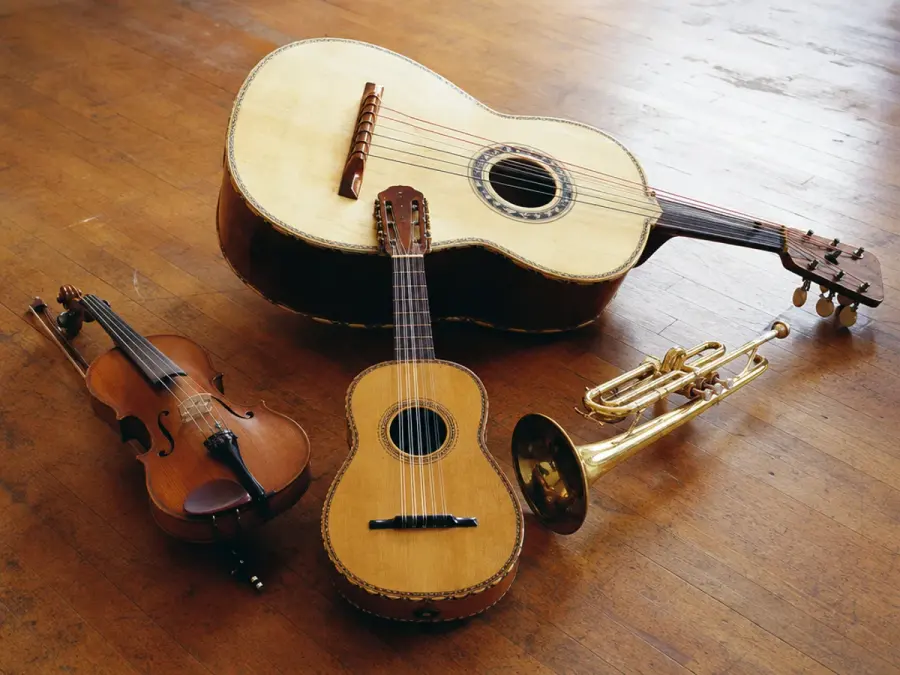
El Son de la Negra — El Son de la Negra
A foundational opener for hearing mariachi as an ensemble rather than simply a vocal style. The piece's son jalisciense drive puts rhythmic conversation first: strings establish a bright, dancing engine while trumpets add ceremonial lift.
It belongs near the top because its changing accents, forward momentum, and unmistakable communal energy reveal how much precision sits beneath mariachi's festive surface.

Cielito Lindo — Cielito Lindo
Familiarity can hide this song's real strength: it invites a room to breathe and sing together without demanding a virtuoso entrance. Mariachi arrangements often begin with a gracious vocal statement, then widen through trumpet answers and fuller strings.
Its value is social as much as musical, making it a useful example of how a concise melody can become shared memory across generations.

Volver, Volver — Volver, Volver
This return-and-regret standard is built for a singer who can turn restraint into a rising declaration. The arrangement need not be busy; its drama comes from the distance between an intimate verse and the ensemble's broad response.
Vicente Fernández made it central to the modern ranchera repertoire, but the song remains bigger than any one recording because bands and audiences continually reshape its emotional temperature.

El Rey — El Rey
José Alfredo Jiménez's composition endures because bravado and vulnerability occupy the same frame. A strong mariachi performance lets the vocal line stand plainly before the ensemble expands the statement, creating tension between personal uncertainty and public resolve.
It is an excellent listening test for phrasing: the most convincing versions do not rush toward volume, but allow each instrumental reply to sharpen the singer's stance.

Guadalajara — Guadalajara
A vivid place-song can become postcard-like if played without shape, so listen for arrangements that preserve motion and contrast. Here, crisp string rhythm supports trumpet lines that feel expansive without flattening the melody.
The song earns its place as a gateway into repertory associated with Jalisco, while also reminding listeners that mariachi's identity comes from living practice rather than a single city image.

México Lindo y Querido — México Lindo y Querido
This song's patriotic feeling works best when presented as affection rather than spectacle. The melody supports a broad vocal arc, while the ensemble can move between tenderness and proud projection without losing clarity.
Jorge Negrete's association is historically important, yet contemporary listening should include many voices; comparing performances shows how tempo, trumpet weight, and vocal ornament alter the same expression of belonging.
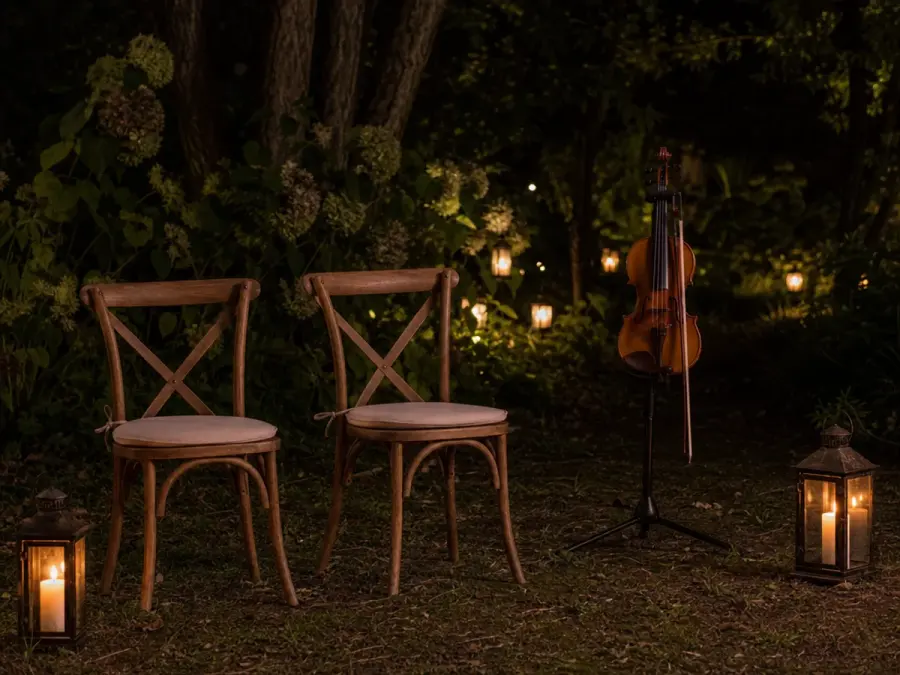
Si Nos Dejan — Si Nos Dejan
Romantic mariachi is often most persuasive when it leaves room around the singer. This José Alfredo Jiménez song offers exactly that space: a calm opening can gradually gather string warmth and trumpet color without turning every phrase into a climax.
Its enduring appeal lies in poised optimism, making it a graceful counterweight to the repertoire's declarations of pride, betrayal, and loss.

La Bikina — La Bikina
The poised, almost cinematic contour of this song makes it a favorite showcase for control. Instead of relying on sheer force, a singer must sustain the melody's long line while the ensemble creates atmosphere beneath it.
Listen for the way trumpets frame rather than overwhelm the voice. The result can feel regal and mysterious without requiring theatrical excess, which explains its concert durability.
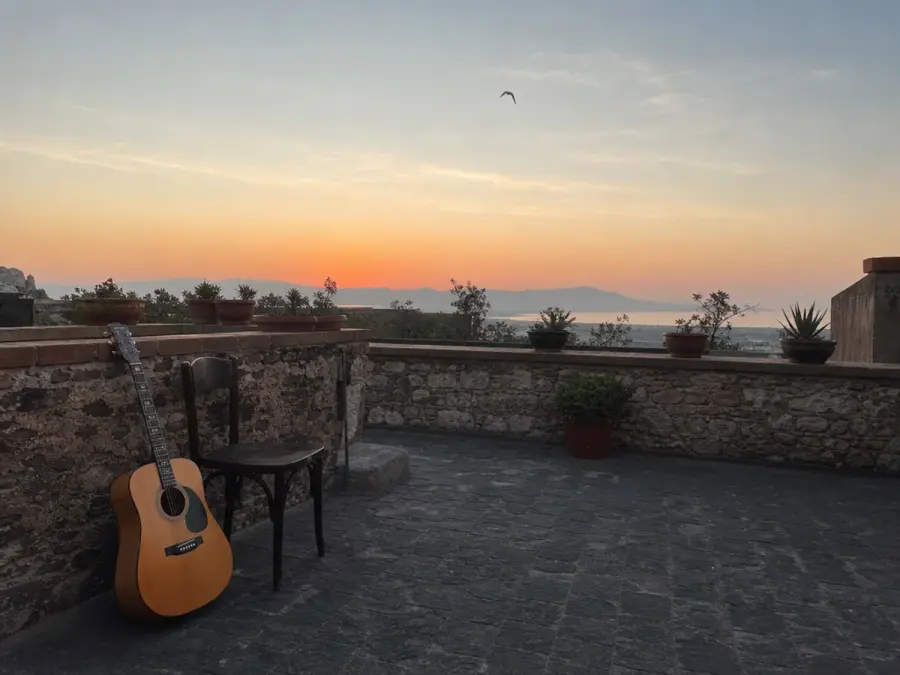
Cucurrucucú Paloma — Cucurrucucú Paloma
This lament rewards stillness. Its bird-call motif and spacious phrases allow a performer to explore tone, breath, and silence, while a sensitive mariachi arrangement keeps the accompaniment translucent.
The song crosses concert, popular, and regional traditions, so no single interpretation owns it. Place it here as a reminder that mariachi's expressive power can come from restraint as readily as brilliance.

Hermoso Cariño — Hermoso Cariño
Warmth is the organizing idea here. The song gives a vocalist an uncomplicated emotional premise, leaving arrangement and delivery to determine whether the performance feels intimate, celebratory, or both.
In a mariachi set, it can reset the room after heavier heartbreak songs. Listen for rounded strings and measured trumpet entries that support the dedication instead of crowding it.

Las Ciudades — Las Ciudades
A sophisticated heartbreak song, this composition turns travel imagery into emotional distance without needing literal staging. Mariachi suits it because the ensemble can move between conversational accompaniment and sudden, expansive punctuation.
Strong interpretations keep the story intelligible while allowing instrumental color to deepen the unease. It is a valuable bridge between traditional songcraft and the dramatic pacing of a modern concert set.

La Media Vuelta — La Media Vuelta
The song's controlled farewell is an ideal lesson in understatement. Its narrator projects authority, but the melodic shape exposes fragility underneath; a careful ensemble makes that contradiction audible.
Strings can keep the pulse deliberate while trumpets reserve their force for structural turns. The best performances feel less like a shouting match than a composed exit whose composure might break at any moment.

Acá Entre Nos — Acá Entre Nos
A late-night confession disguised as casual conversation, this song depends on the singer's ability to make public performance feel private. Mariachi accompaniment gives the admission scale while preserving its direct address.
Listen for a gradual rather than immediate rise in intensity. That pacing lets the final ensemble weight feel earned and demonstrates how modern ranchera writing can use familiar forms with precise dramatic timing.
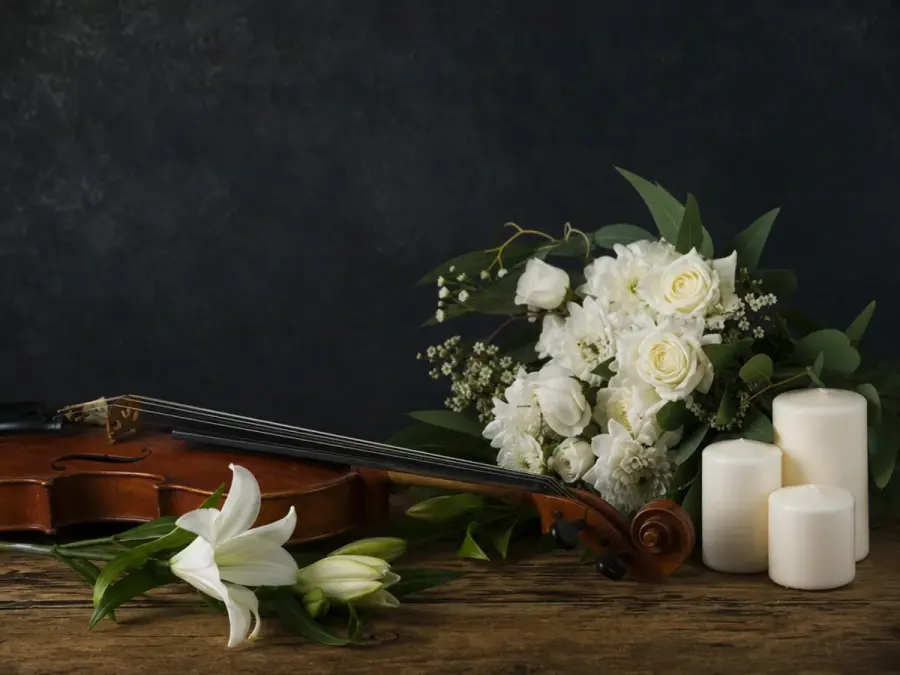
Amor Eterno — Amor Eterno
Juan Gabriel's memorial song is performed in many settings, including mariachi, where its long vocal lines and dignified harmonic support can hold communal grief.
It should not be treated as generic background music: its emotional function deserves attentive placement and restraint. A sensitive arrangement avoids decorative flourishes that distract from remembrance, allowing ensemble resonance to support rather than dramatize mourning.

El Mariachi Loco — El Mariachi Loco
End with movement. This festive number works through repetition, rhythmic lift, and the visible coordination of a band responding to dancers and audience energy.
It is not the place to judge mariachi solely by harmonic complexity; its craft lies in sustaining momentum while keeping accents clean. In a playlist, it releases the tension accumulated by the preceding ballads and returns the tradition to communal celebration.
Featured galleries







































































































































































































































































































































































































































































