15 Nintendo 64 Games That Shaped 3D Play
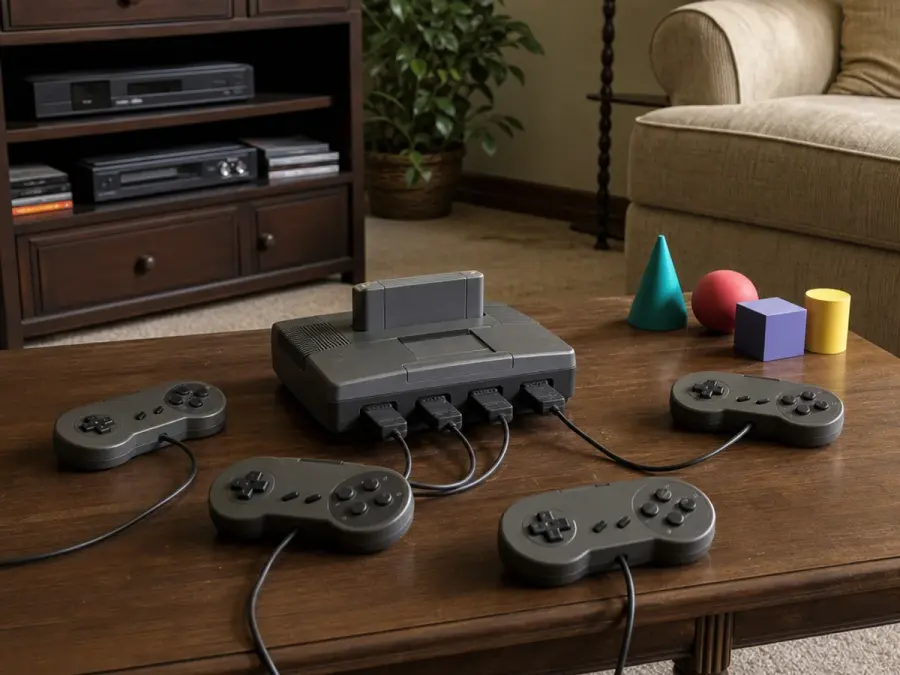
A Console Learning a New Dimension — A Console Learning a New Dimension
Nintendo 64 games arrived while designers and players were still inventing a shared language for 3D movement, cameras, aiming, and multiplayer.
The library's best ideas feel like experiments that became conventions.
Super Mario 64 — Movement as the Main Attraction — Super Mario 64 — Movement as the Main Attraction
Running, jumping, climbing, swimming, and changing direction made the castle grounds feel like a playground before any objective appeared.
Its lasting lesson is that expressive movement can make empty space enjoyable.
The Legend of Zelda: Ocarina of Time — Organizing 3D Adventure — The Legend of Zelda: Ocarina of Time — Organizing 3D Adventure
Lock-on targeting, contextual actions, readable dungeons, and a connected world helped organize a complex adventure around simple decisions.
The game made new spatial problems feel understandable without making them trivial.
GoldenEye 007 — The Living-Room Shooter — GoldenEye 007 — The Living-Room Shooter
Its missions encouraged observation and objective-based play, but split-screen competition became the social memory.
Four people sharing one television turned awkward controls and imperfect information into suspense and laughter.
Mario Kart 64 — Readable Chaos — Mario Kart 64 — Readable Chaos
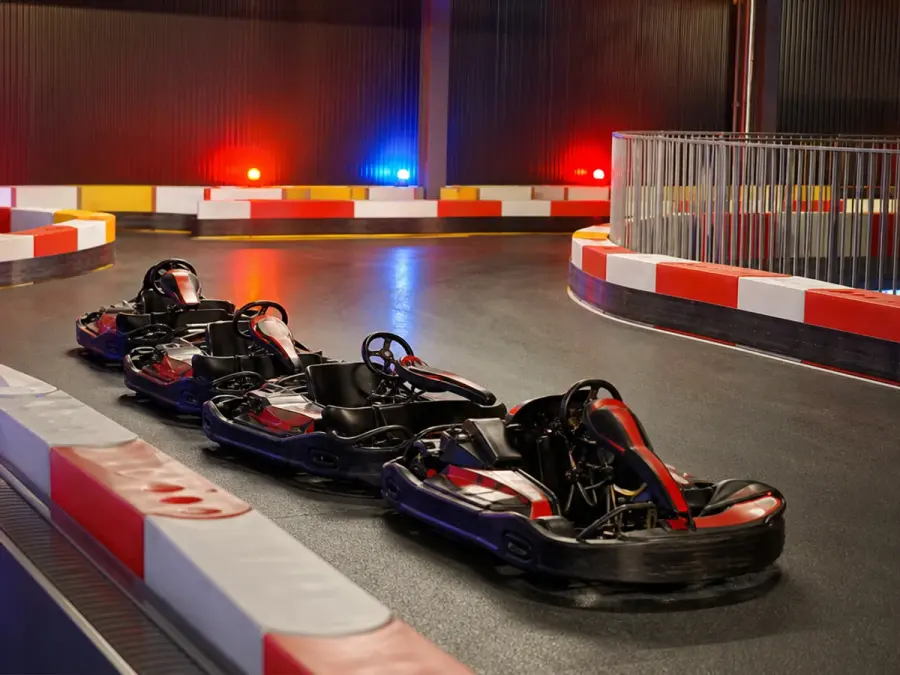
Wide tracks, familiar item roles, and immediate four-player races made unpredictability easy to understand.
The design shows how competition can remain welcoming when setbacks are dramatic but the next opportunity arrives quickly.
Super Smash Bros. — A New Kind of Fighting Game — Super Smash Bros. — A New Kind of Fighting Game
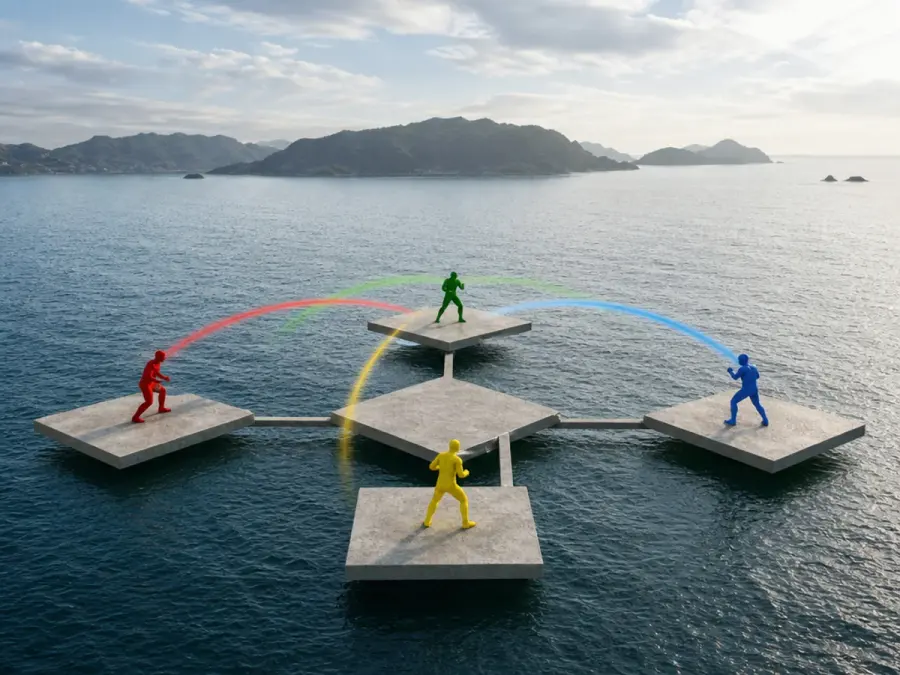
Damage, knockback, platforms, and recognizable move directions made fighting feel closer to a lively platform contest.
Its structure invited players who found traditional command lists intimidating while leaving room for serious timing.

Banjo-Kazooie — Worlds With Comic Texture — Banjo-Kazooie — Worlds With Comic Texture
Banjo-Kazooie filled compact worlds with jokes, transformations, layered routes, and collectibles that signaled nearby possibilities.
The appeal comes from density: each area feels authored rather than merely large.
Star Fox 64 — Replayable Cinematic Momentum — Star Fox 64 — Replayable Cinematic Momentum
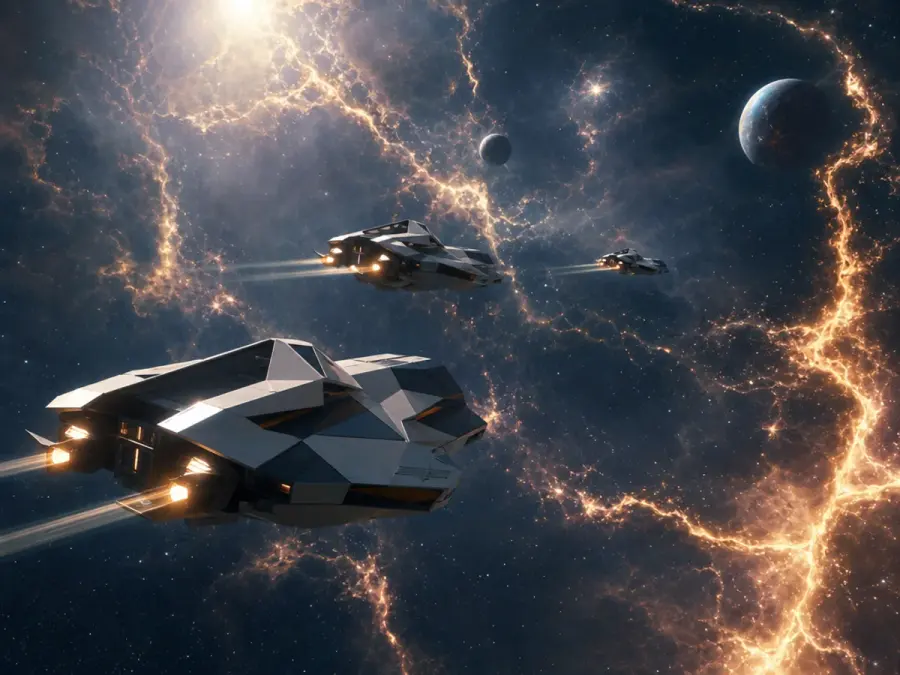
Short routes, branching paths, radio chatter, and medal goals gave each run a strong arc.
The game demonstrates how repetition stays fresh when performance and route choices change the meaning of familiar scenes.
Paper Mario — Role-Playing With Stagecraft — Paper Mario — Role-Playing With Stagecraft
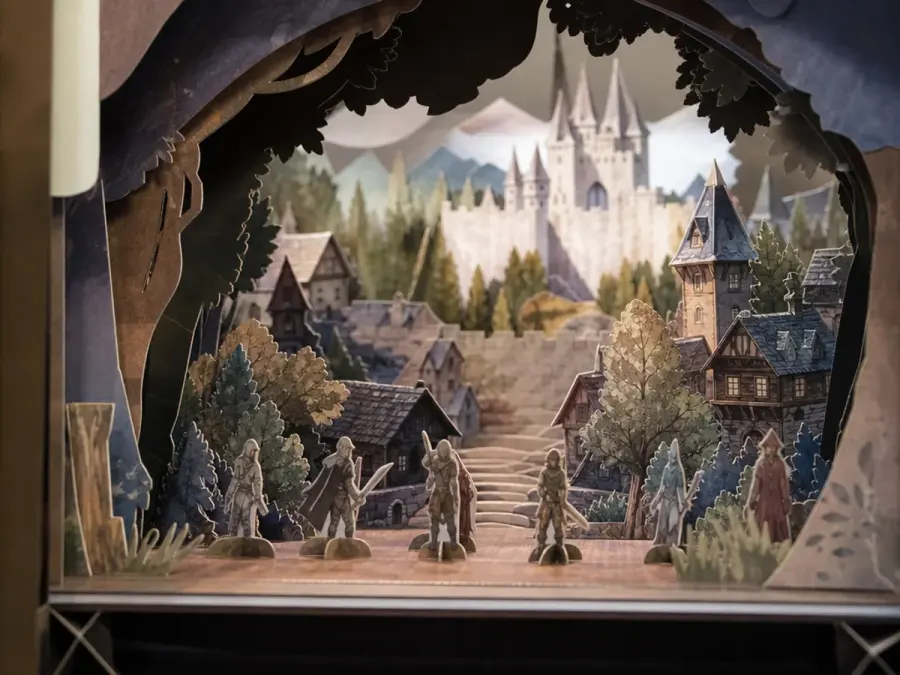
Flat characters moving through a dimensional world create visual comedy, while timed inputs keep turn-based battles active.
Its friendly presentation lets writing, rhythm, and character interactions carry as much weight as statistics.
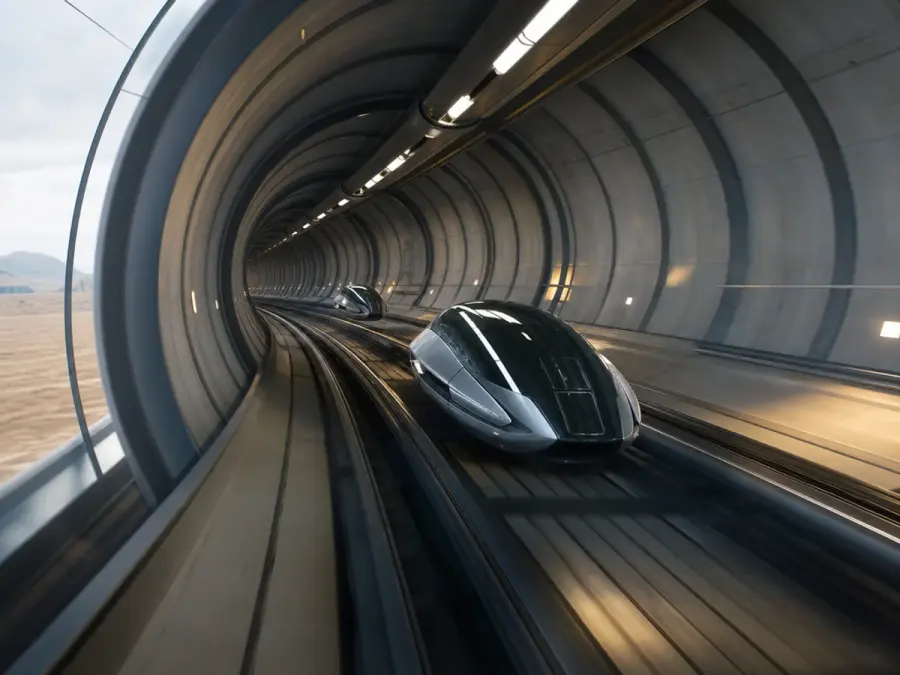
F-Zero X — Speed Through Clarity — F-Zero X — Speed Through Clarity
Extreme speed works because tracks, rivals, and hazards remain readable.
The sparse visual approach serves the racing model, proving that strong performance and clear geometry can create intensity without decorative excess.

Wave Race 64 — Water With Weight — Wave Race 64 — Water With Weight
Changing waves make every turn feel slightly different. The handling communicates surface, momentum, and balance, turning a simple race into a demonstration that environmental physics can give a sports game its personality.
Wave Race 64 — Water With Weight is one of the hj featured in this gallery.

Pokémon Snap — Looking Instead of Fighting — Pokémon Snap — Looking Instead of Fighting
A guided route becomes a photography puzzle as players notice behavior, timing, and hidden interactions.
The game values observation, showing that a familiar fictional world can feel new when the player's role changes.
Perfect Dark — Expanding the Mission Sandbox — Perfect Dark — Expanding the Mission Sandbox
Perfect Dark layered gadgets, alternate weapon functions, flexible objectives, and extensive multiplayer options onto the console shooter.
Its ambition made each mode feel like part of a larger kit rather than a single campaign.
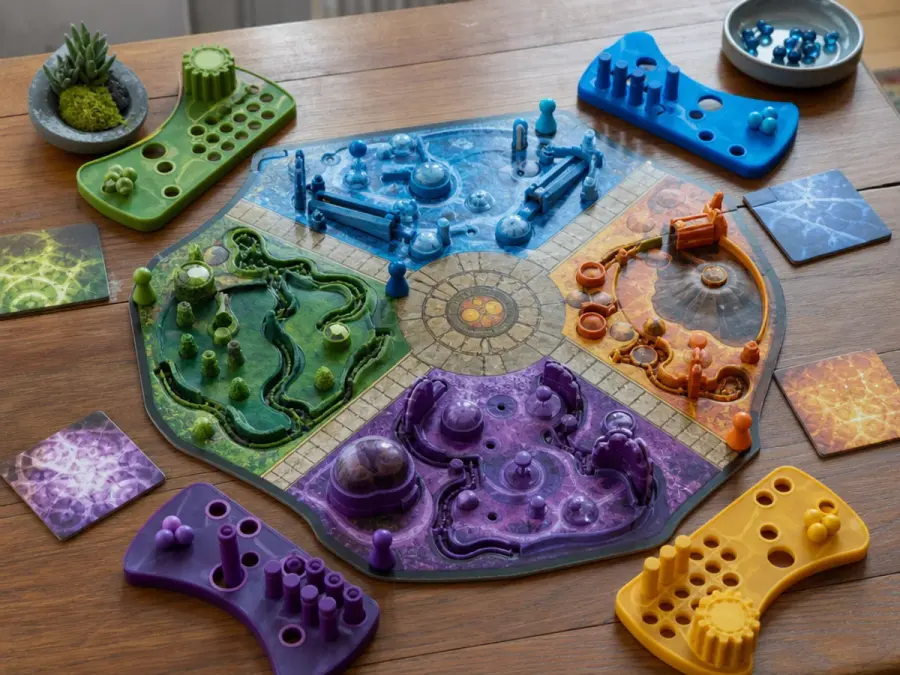
Mario Party 2 — Rules as Entertainment — Mario Party 2 — Rules as Entertainment
Simple board movement connects a rapid sequence of miniature contests.
The design creates stories from temporary alliances, reversals, and luck, making the conversation around the game as important as mechanical mastery.
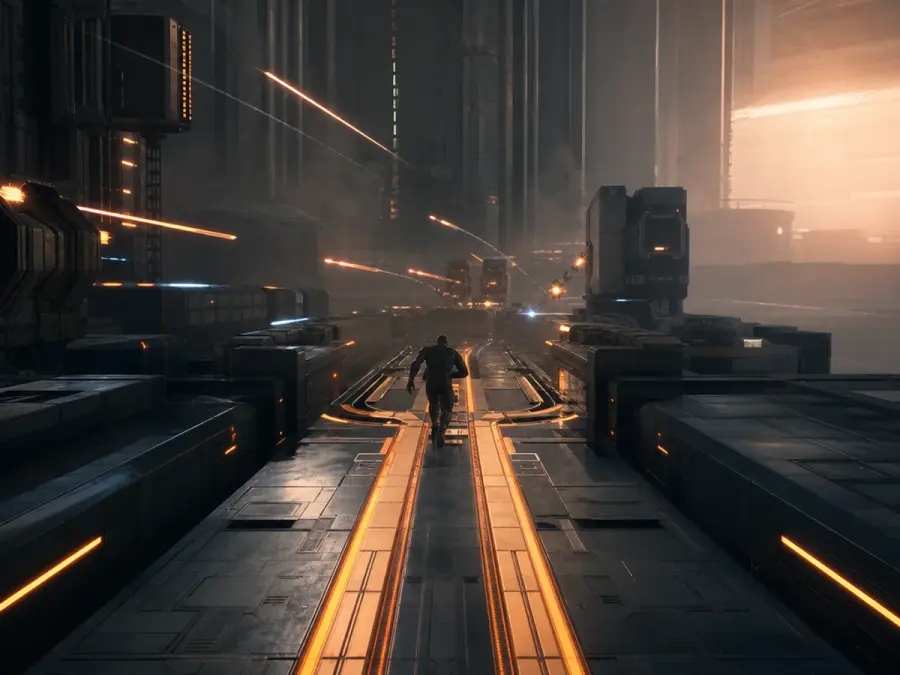
Sin and Punishment — Arcade Urgency in 3D — Sin and Punishment — Arcade Urgency in 3D
Constant forward motion combines aiming, dodging, close attacks, and dramatic perspective changes.
The game feels like an arcade cabinet stretched across a 3D stage, rewarding quick interpretation more than cautious exploration.
Featured galleries







































































































































































































































































































































































































































































