Nintendo Ds Top 10 Games
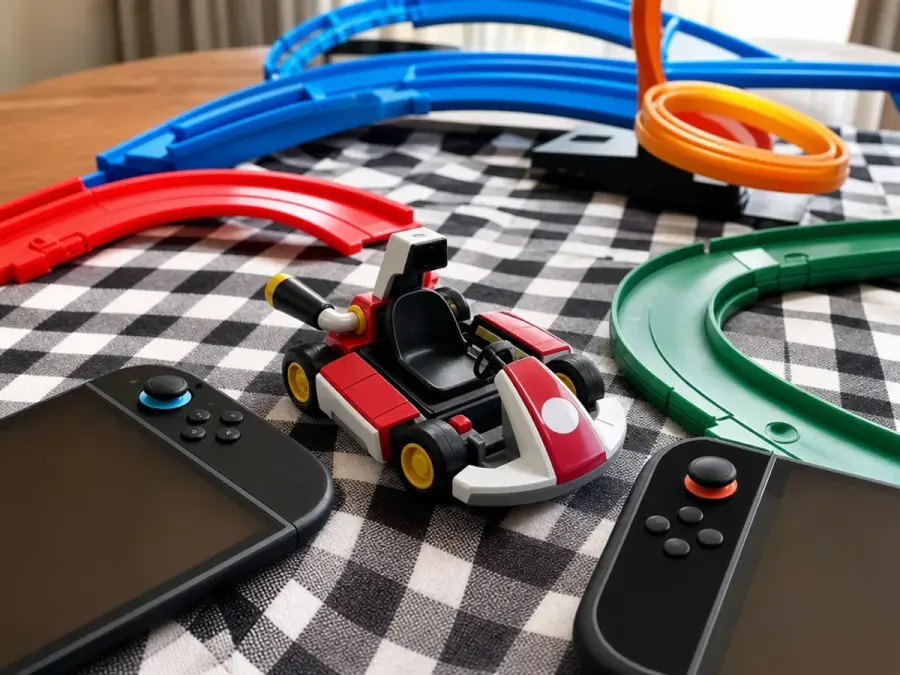
Mario Kart DS — Portable Racing With Real Depth — Mario Kart DS — Portable Racing With Real Depth
Mario Kart DS condensed lively track design, tight drifting, missions, and local competition into a format that still works in short bursts.
Its historical online component should not be treated as currently available, but the core single-player cups, time trials, missions, and compatible local options explain why the cartridge remains an easy system showcase.

The Legend of Zelda: Phantom Hourglass — Touch as an Adventure Tool — The Legend of Zelda: Phantom Hourglass — Touch as an Adventure Tool
Phantom Hourglass commits to stylus movement, notes, routes, and object interaction rather than using touch as a side feature. That makes it a revealing artifact of early DS confidence.
The repeated central dungeon divides players, yet mapping discoveries directly on the lower screen gives the adventure a tactile identity that a conventional control scheme would lose.
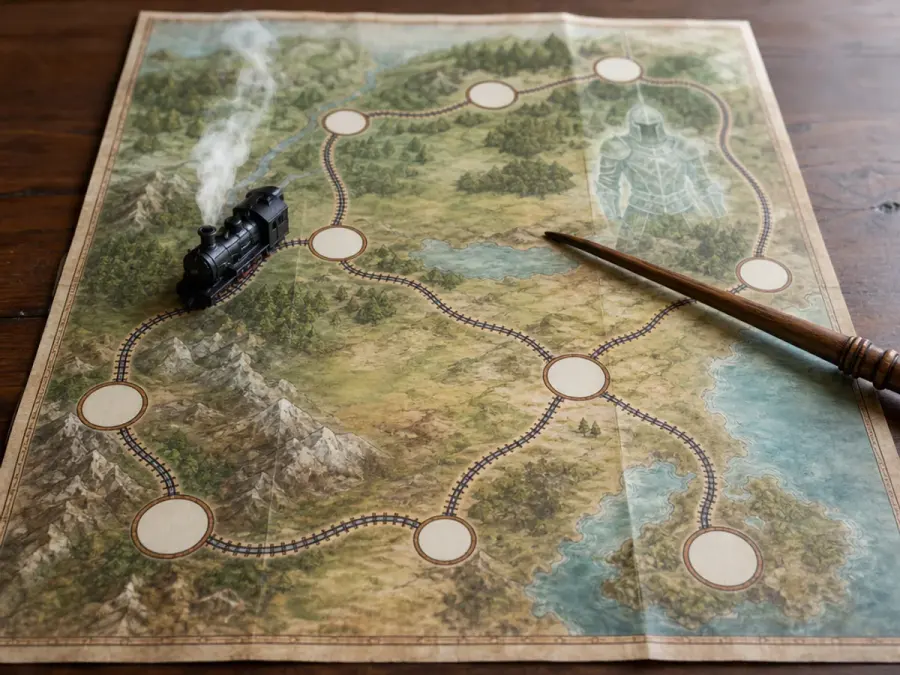
The Legend of Zelda: Spirit Tracks — A More Structured Journey — The Legend of Zelda: Spirit Tracks — A More Structured Journey
Spirit Tracks keeps stylus-led adventuring but builds its overworld around scheduled rail movement and route planning.
The train creates a different rhythm from open sailing, while the central companion takes a more active mechanical role. It is the pick for players who enjoy puzzle partnership and clear forward momentum more than freeform wandering.
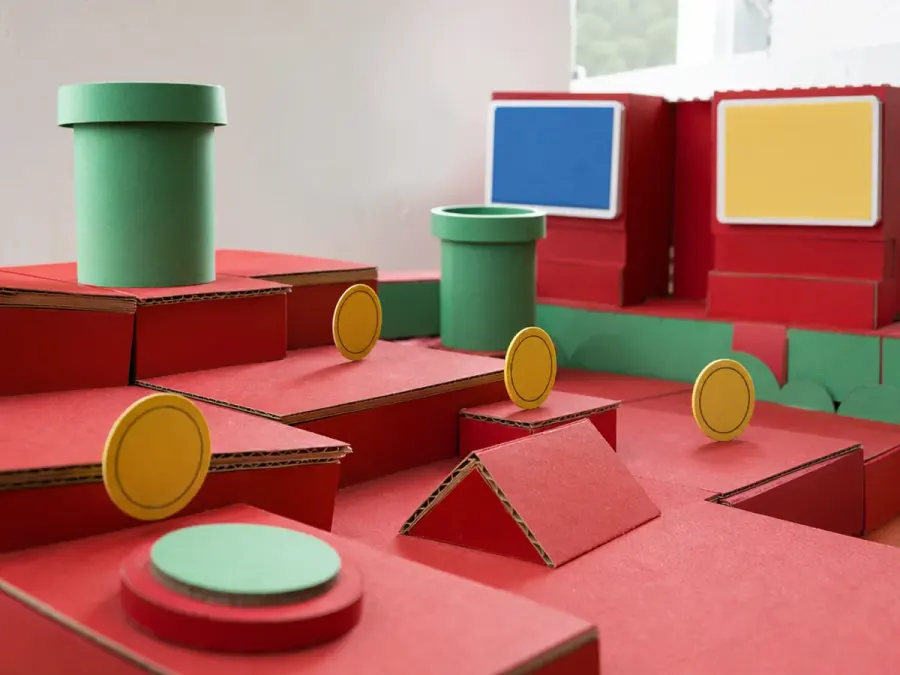
New Super Mario Bros. — The Side-Scroller Reintroduced — New Super Mario Bros. — The Side-Scroller Reintroduced
This game translated familiar run-and-jump fundamentals into a portable package built for repeatable stages and hidden exits.
Its design is less eccentric than several games in this gallery, but that clarity is the point: movement reads instantly, goals fit a commute, and completion layers give experienced players reasons to revisit apparently simple levels.
Mario & Luigi: Bowser's Inside Story — Comedy in the Combat Timing — Mario & Luigi: Bowser's Inside Story — Comedy in the Combat Timing
Bowser's Inside Story alternates scale and perspective so its premise affects exploration and battle rather than remaining a joke in the script.
Timed button presses keep turn-based combat active, while animation and dialogue deliver a distinctive comic rhythm. It remains a strong recommendation for someone who wants an RPG that feels brisk and knowingly silly.

Animal Crossing: Wild World — A Town in Your Pocket — Animal Crossing: Wild World — A Town in Your Pocket
Wild World made the series' calendar, neighbors, collecting, and quiet errands feel naturally portable. Its pleasure comes from returning for small changes rather than finishing a conventional campaign.
Retired online features reduce the original social reach, but the local town remains valuable as a snapshot of slow play designed around daily attention.
Pokémon HeartGold and SoulSilver — A Generous Portable Quest — Pokémon HeartGold and SoulSilver — A Generous Portable Quest
These remakes pair a large journey with systems that encourage long attachment to a chosen team. Their appeal is cumulative: exploration, training, collecting, side activities, and post-story discovery continually feed one another.
Some connectivity and accessory features are now constrained, so the recommendation rests on the substantial cartridge experience rather than recreating every launch-era function.
Pokémon Black and White — A Deliberate Fresh Start — Pokémon Black and White — A Deliberate Fresh Start
Black and White initially center a new regional roster, which restores uncertainty to exploration for players who already knew older creature lineups by heart.
The games also give their rivals and central conflict more thematic attention than the series usually requires. Historical online functions are gone, but the authored journey and local systems remain the reason to return.
Elite Beat Agents — Rhythm Turned Into Comic Momentum — Elite Beat Agents — Rhythm Turned Into Comic Momentum
Elite Beat Agents makes every tap, trace, and spin advance an exuberant mini-story. The music provides structure, but the appeal is how escalating visual comedy converts accuracy into dramatic rescue.
It is among the clearest examples of the stylus enabling a complete game language, and it remains approachable even when chasing higher ranks becomes demanding.
Professor Layton and the Curious Village — Puzzles With Storybook Warmth — Professor Layton and the Curious Village — Puzzles With Storybook Warmth
The Curious Village strings bite-size logic puzzles through a gently mysterious journey. Not every puzzle belongs naturally to the scene that introduces it, yet the regular cadence makes the game ideal for portable play.
Its hand-drawn mood and conversational pacing are best for solvers who enjoy a cozy frame around riddles rather than a pure puzzle menu.
Hotel Dusk: Room 215 — Hold the System Like a Book — Hotel Dusk: Room 215 — Hold the System Like a Book
Hotel Dusk asks the player to turn the DS sideways, giving interrogation and note-taking the feel of reading a paperback dossier. The format strengthens its restrained mystery rather than merely showing off hardware rotation.
Slow movement and long conversations are deliberate; this belongs with players who value atmosphere, observation, and flawed adult characters.
Kirby Super Star Ultra — A Variety Pack With Polish — Kirby Super Star Ultra — A Variety Pack With Polish
This expanded compilation succeeds because its shorter adventures introduce ideas quickly and end before any one structure grows stale. Copy abilities make experimentation immediate, while different modes alter goals and pacing.
The result fits the handheld particularly well: a player can finish something meaningful in a short session without sacrificing deeper completion goals.
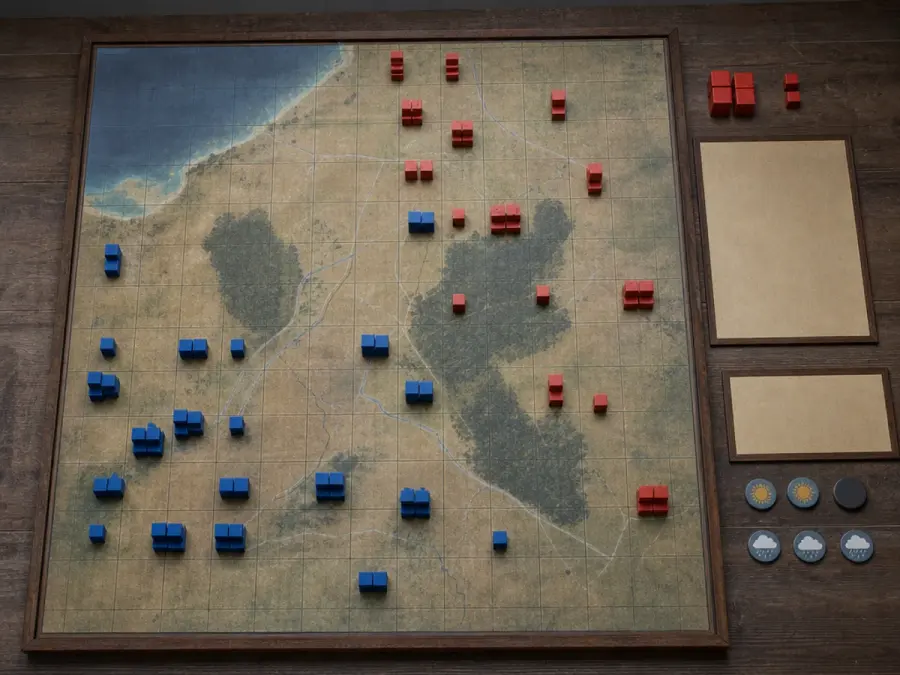
Advance Wars: Dual Strike — Strategy That Fits the Screens — Advance Wars: Dual Strike — Strategy That Fits the Screens
Dual Strike presents dense tactical information without losing the series' readable unit relationships. The second screen supports broader battlefield awareness, while the campaign keeps adding commanders and combinations that invite experimentation.
Its tone is lighter than its warfare theme suggests, but mechanically it remains a deep portable strategy game with excellent turn-by-turn clarity.
Rhythm Heaven — Timing Stripped to Its Funniest Form — Rhythm Heaven — Timing Stripped to Its Funniest Form
Rhythm Heaven builds tiny challenges around listening rather than reading crowded charts. Simple inputs expose timing mistakes immediately, while absurd visual premises stop repetition from feeling clinical.
It is welcoming at first contact and exacting at higher standards, a combination that makes it ideal for passing the system around and comparing how different people hear a beat.
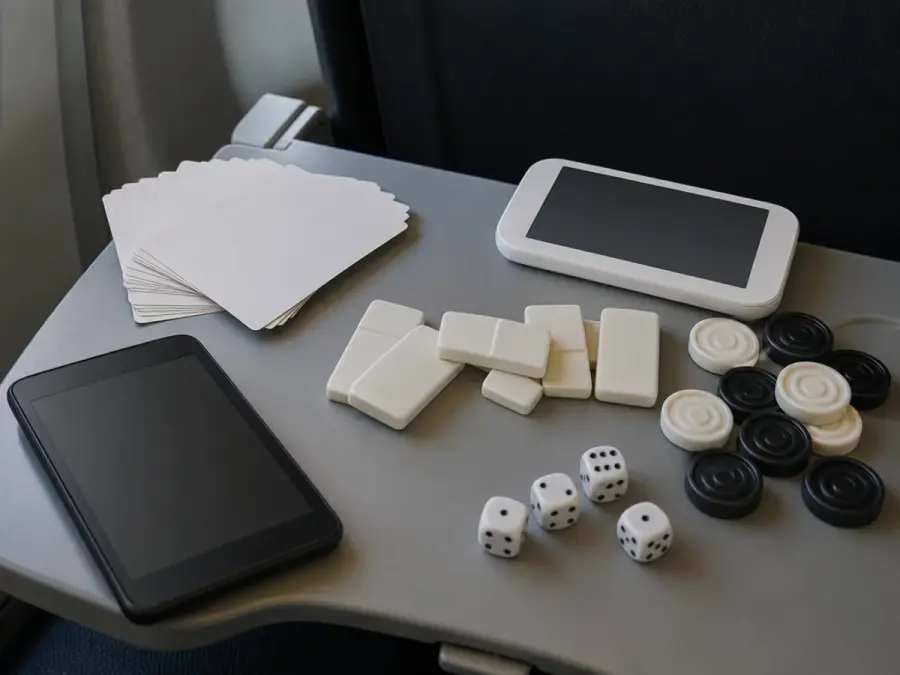
Clubhouse Games — The Evergreen Social Cartridge — Clubhouse Games — The Evergreen Social Cartridge
Clubhouse Games gathers familiar card, board, and parlor rules into one practical portable library. Its importance is not audiovisual spectacle but frictionless variety: a short solo diversion can become local competition without changing cartridges.
Buyers should verify which multiplayer modes their hardware setup still supports, but the offline collection remains a versatile travel companion.
Featured galleries







































































































































































































































































































































































































































































