Old Dos Games

Prince of Persia — Prince of Persia
Jordan Mechner's cinematic platformer made movement feel physical: the hero gathers momentum, catches ledges, lands heavily, and duels with deliberate timing. Its one-hour structure turns each room into both navigation puzzle and execution test.
Modern players may find the controls initially strict, but that constraint is the design's language. An authorized release is preferable because random download sites can distribute altered or unsafe files.
DOOM — DOOM
DOOM's speed, readable spaces, network play, and moddable data format helped define the first-person shooter as a lasting PC form. The combat remains legible because enemies, weapons, and rooms create distinct tactical rhythms rather than relying on visual realism.
Today, official packages and source ports vary, so buyers should check whether they want the preserved DOS executable, a modern port, or both.
Wolfenstein 3D — Wolfenstein 3D
Before DOOM expanded the vocabulary, Wolfenstein 3D established the immediacy of rapid first-person movement through grid-like corridors. Its historical setting uses Nazi enemies and symbols, so contemporary presentation requires context rather than celebratory imagery.
Mechanically, keys, doors, secrets, and escalating enemy pressure make its levels easy to parse. Use an authorized edition and review regional content restrictions before acquiring it.
Commander Keen: Goodbye, Galaxy! — Commander Keen: Goodbye, Galaxy!
Commander Keen brought smooth side-scrolling ambition to DOS machines not built around console-style graphics. Goodbye, Galaxy! pairs pogo-assisted movement with colorful worlds, secret areas, and a map that makes progress feel like a small expedition.
Its tone is playful, but jumps demand attention. Current packages can bundle episodes differently, making the exact title list more important than the storefront thumbnail.

SimCity 2000 — SimCity 2000
The isometric city view made infrastructure visible as a network of tradeoffs. Zoning, utilities, taxes, transport, and disasters interact, so a seemingly simple expansion can expose weak power or budget planning.
The pleasure comes from reading systems through the city they produce, not from finding one perfect layout. Confirm platform details before buying: modern official listings may package an emulated DOS release rather than a native contemporary build.
X-COM: UFO Defense — X-COM: UFO Defense
X-COM connects two strategy layers: a global organization that funds, researches, and intercepts, and tense turn-based missions where individual soldiers can be permanently lost. That feedback loop makes every piece of recovered equipment meaningful.
The interface shows its age, yet the campaign remains compelling because incomplete information drives both planning and panic. Authorized storefront editions often use DOS emulation, so consult setup notes.
Ultima VII: The Black Gate — Ultima VII: The Black Gate
Ultima VII's world feels responsive because objects can be moved, combined, baked, stacked, stolen, or used in routines that make settlements seem inhabited. Conversation and investigation matter as much as combat.
Its dense interface rewards patience and a manual-aware mindset, although modern packages may supply documentation digitally. Seek the authorized Complete Edition and avoid confusing fan engine projects with ownership of the underlying game data.
Wing Commander — Wing Commander
Wing Commander gives space combat dramatic consequence by weaving missions into squadron life. Success and failure can redirect the campaign, so returning to the carrier feels as important as the next dogfight.
The simulated cockpit communicates damage and orientation through instruments rather than modern navigation aids. Current players should expect keyboard reference checks and verify that an authorized collection includes the desired expansions and documentation.

The Secret of Monkey Island — The Secret of Monkey Island
Lucasfilm Games' adventure replaces failure-heavy design with curiosity, comic dialogue, and inventory puzzles. Its sword-fighting exchanges turn conversation into a learnable system, while the island structure rewards returning to characters with new information.
Puzzle solutions can be delightfully indirect, so first-time players should resist walkthroughs. Official editions may include remastered presentation; check whether the classic graphics and interface remain accessible.

Day of the Tentacle — Day of the Tentacle
Three characters in different time periods can affect one another through the same mansion, turning chronology into an inventory puzzle. The cartoon timing and voice work are memorable, but the design's real elegance is causal: a change in the past creates a tool in the future.
The authorized remaster offers modern conveniences and access to classic presentation, making it a practical entry to DOS adventure design.
Jazz Jackrabbit — Jazz Jackrabbit
Fast scrolling, bright color, and a projectile-heavy moveset made Jazz Jackrabbit a distinctly PC answer to 1990s console platformers. Its levels reward speed but punish careless momentum, so play improves when the user learns when to slow down.
The soundtrack and visual style are strongly period-specific. Authorized digital bundles may combine episodes; verify contents rather than relying on the franchise title alone.
Warcraft II: Tides of Darkness — Warcraft II: Tides of Darkness
Warcraft II sharpened real-time strategy through clear unit roles, naval combat, resource pressure, and an interface that makes rapid production decisions readable. Its faction presentation and fantasy story reflect a 1990s design context, while the underlying tempo remains instructive.
Modern buyers should distinguish the original DOS-era release from later remasters and confirm whether online services, expansions, or classic executables are included.
Theme Hospital — Theme Hospital
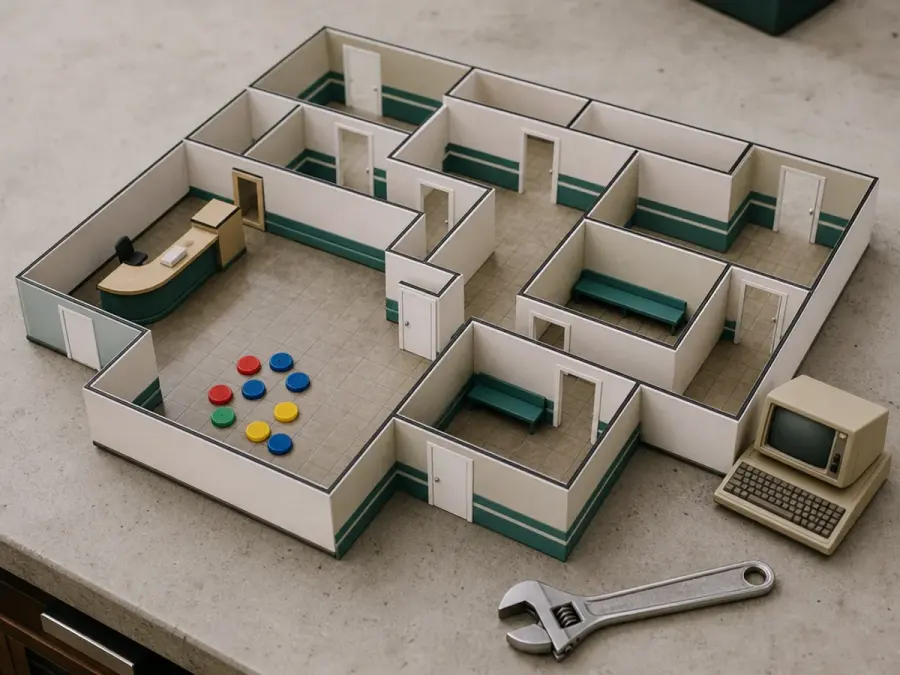
This management game turns hospital layout into a legibility problem: rooms, corridors, staff, queues, and maintenance must work as one system. Its fictional illnesses are comic inventions, not health information, and should never be confused with real care.
The satire has aged unevenly, but the spatial feedback remains useful. Official editions may run through emulation; community reimplementations still require legally obtained game data.
Duke Nukem 3D — Duke Nukem 3D
Interactive spaces distinguish Duke Nukem 3D: switches, vents, mirrors, breakable surfaces, and recognizable urban settings encourage experimentation beyond direct combat.
Its protagonist, humor, and sexualized imagery are products of a 1990s sensibility that many players will find dated or objectionable. Discussing that context is part of responsible preservation. Verify rating, content warnings, and version differences before purchasing an official edition.
Alone in the Dark — Alone in the Dark
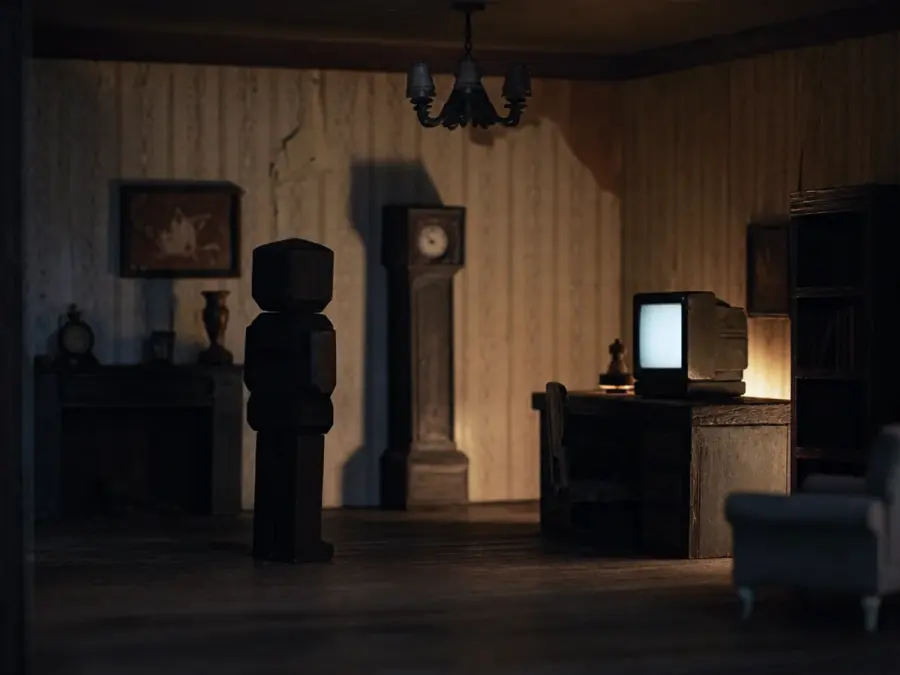
Predating the survival-horror label's mass popularity, Alone in the Dark places polygonal characters against fixed illustrated rooms and asks players to manage sparse resources, combat, and environmental puzzles.
The camera creates both atmosphere and control difficulty. It remains historically revealing even when its interface frustrates. Choose an authorized collection, confirm which trilogy entries are included, and expect emulation rather than a modern remake.
Featured galleries







































































































































































































































































































































































































































































