15 PC Games That Changed How We Play
The PC as a Moving Target — The PC as a Moving Target
PC games grow alongside hardware, networks, modding, and player communities.
That instability is a strength: developers can revise old assumptions about controls, scale, distribution, and who gets to create.
Doom — Speed, Space, and Sharing — Doom — Speed, Space, and Sharing
Doom made fast first-person movement immediately legible and spread through shareware and local networks.
Its technical energy mattered, but so did the invitation to build levels and circulate the game beyond conventional retail.
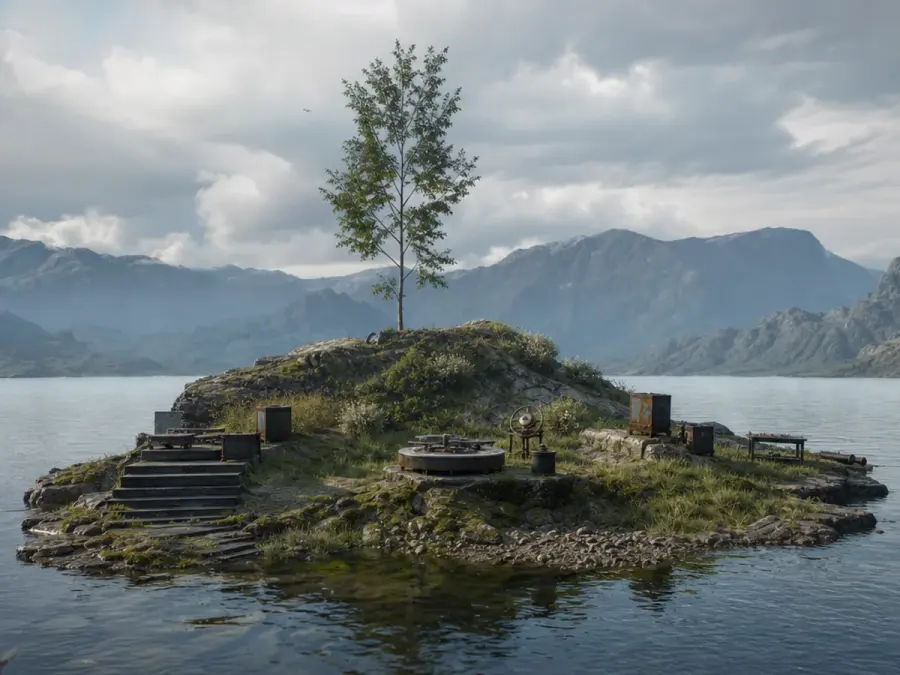
Myst — The Computer as a Place — Myst — The Computer as a Place
Myst asked players to slow down, observe, and treat images and sound as clues.
Its islands felt less like levels than mysterious locations stored inside the machine, making patient curiosity the primary control scheme.
Diablo II — The Pull of the Next Drop — Diablo II — The Pull of the Next Drop
Randomized equipment, flexible character builds, and repeatable difficulty turned progression into a long-term loop.
Diablo II helped define how small rewards can keep players refining a plan across many sessions.

Half-Life — Story Without Leaving the Player — Half-Life — Story Without Leaving the Player
Half-Life staged much of its narrative around the player's uninterrupted viewpoint.
Scripted events, environmental detail, and combat spaces worked together, proving that a shooter could tell a focused story without constantly becoming a movie.
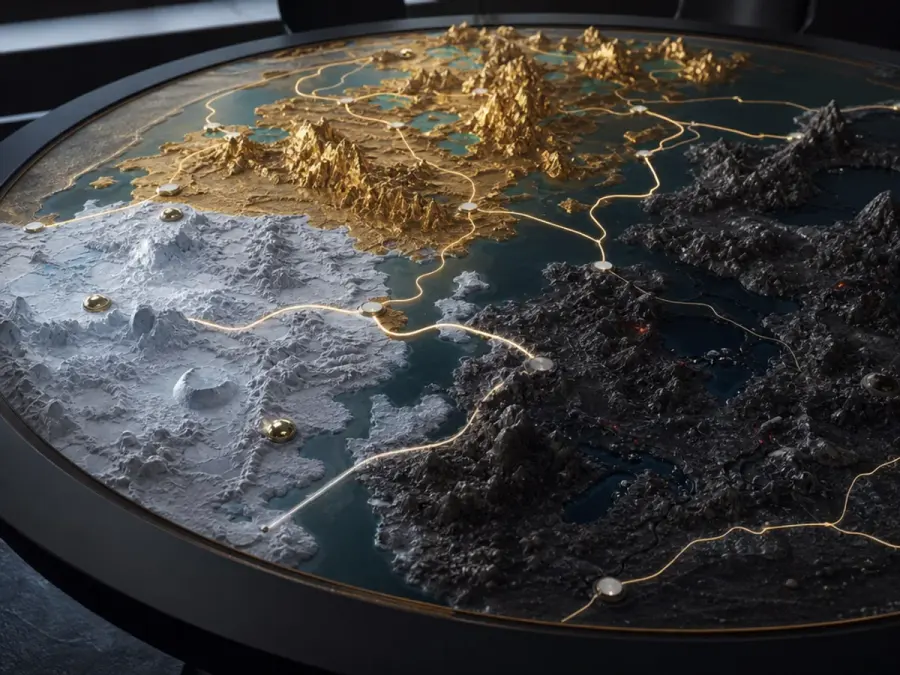
StarCraft — Strategy as a Spectator Language — StarCraft — Strategy as a Spectator Language
Three sharply different factions created matchups that were readable, debatable, and endlessly revisable.
StarCraft helped competitive real-time strategy become a shared language among players, commentators, and spectators.

Deus Ex — Problems With Multiple Doors — Deus Ex — Problems With Multiple Doors
Deus Ex encouraged players to combine conversation, exploration, stealth, hacking, and combat.
Its missions mattered because they behaved like spaces with competing solutions, letting character choices emerge from practical decisions.

The Sims — Everyday Life as a System — The Sims — Everyday Life as a System
The Sims turned homes, needs, relationships, work, and accidents into a flexible story machine.
Players could optimize, decorate, experiment, or simply observe, widening the idea of what a computer game could be about.

World of Warcraft — A Persistent Social Routine — World of Warcraft — A Persistent Social Routine
Its world became a place for schedules, friendships, guild roles, and shared memories as much as quests.
The lasting design lesson is that repetition changes when other people depend on your presence.

Minecraft — Systems Simple Enough to Recombine — Minecraft — Systems Simple Enough to Recombine
Blocks, crafting, survival, circuits, and shared servers create a vocabulary rather than a single prescribed experience.
Minecraft became construction toy, adventure, classroom, performance space, and engineering challenge because its rules recombine cleanly.
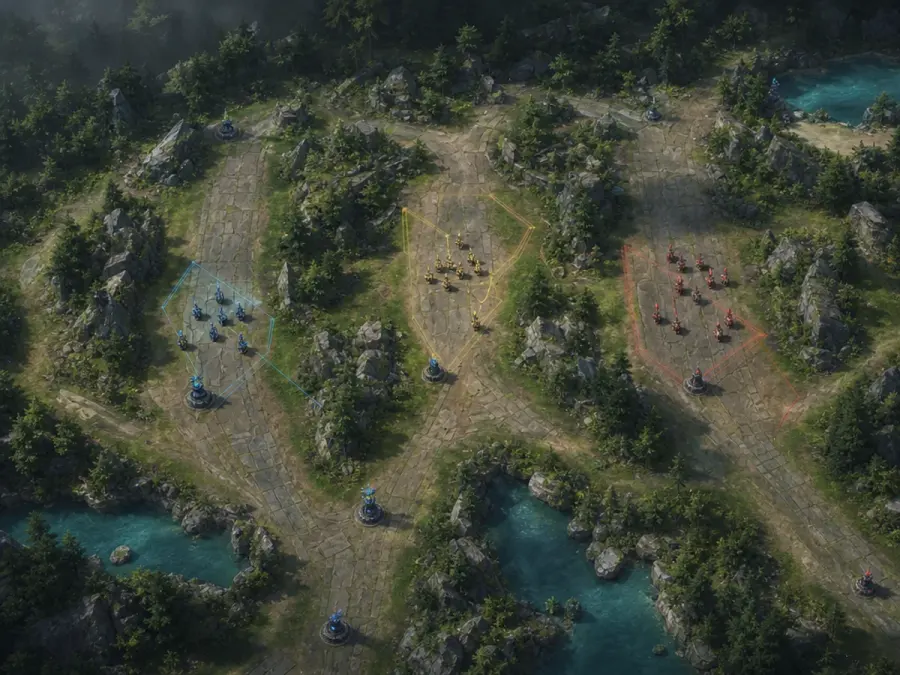
League of Legends — A Game That Keeps Moving — League of Legends — A Game That Keeps Moving
A stable map supports constant change in characters, strategies, patches, and team expectations.
Mastery becomes temporary and social: players must learn both the system and the evolving vocabulary used to coordinate within it.

The Witcher 3 — Side Stories With Consequence — The Witcher 3 — Side Stories With Consequence
Its quests often treat local problems as morally complicated stories rather than errands.
Exploration gains weight because a village, contract, or conversation may contain choices whose effects are not immediately obvious.
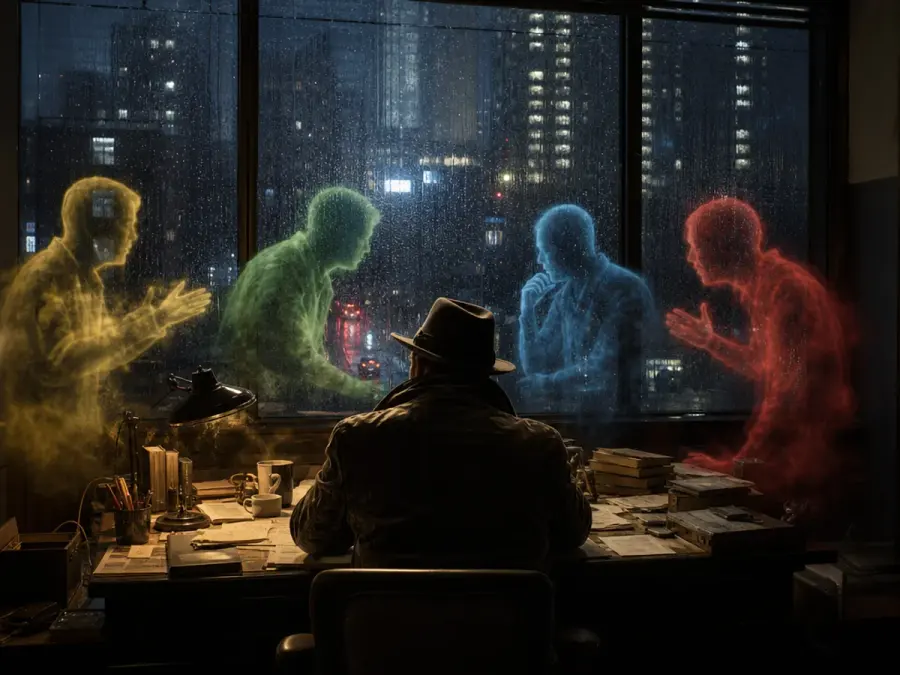
Disco Elysium — Thought as a Cast of Characters — Disco Elysium — Thought as a Cast of Characters
Skills speak, argue, mislead, and reveal possibilities inside the protagonist's mind.
Dialogue becomes exploration, and failure often produces better scenes than success, expanding what role-playing attributes can do.
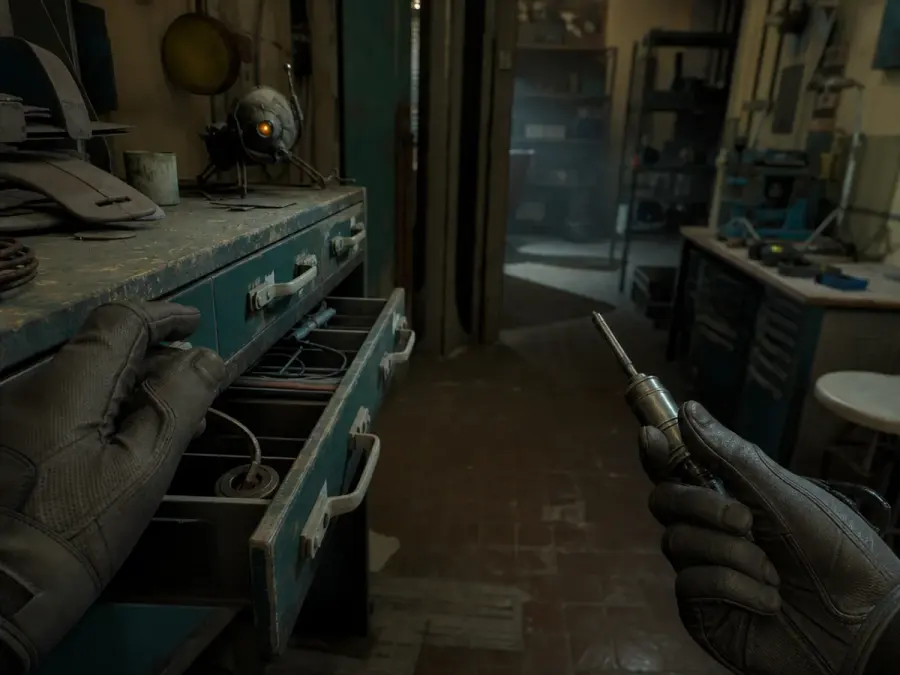
Half-Life: Alyx — Hands Inside the World — Half-Life: Alyx — Hands Inside the World
Virtual-reality interactions make small actions—searching shelves, handling tools, aiming, opening a door—feel newly deliberate.
The game demonstrates how presence can refresh familiar shooter and puzzle ideas.
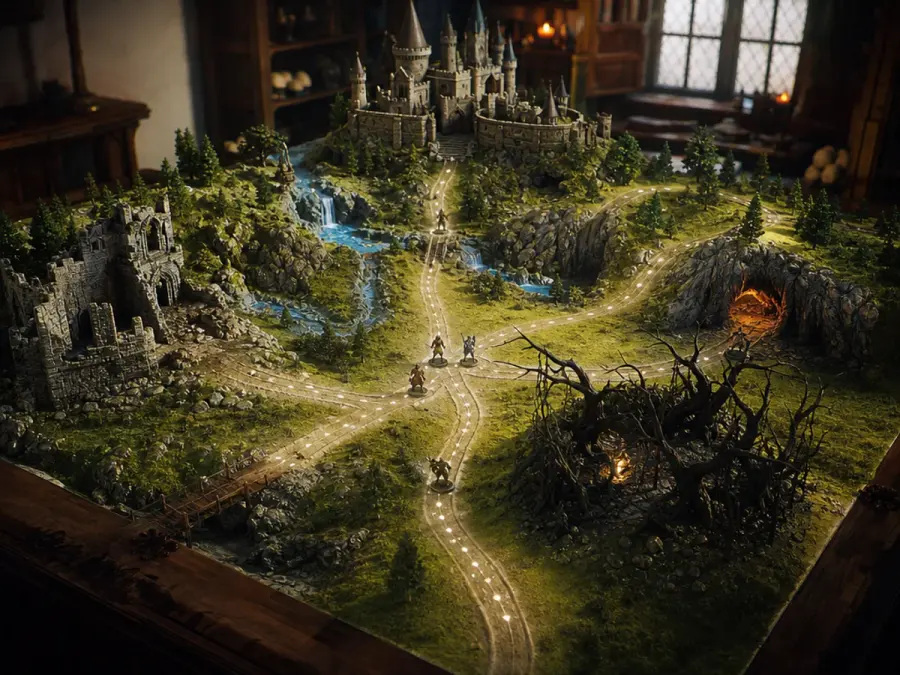
Baldur's Gate 3 — Rules That Welcome Improvisation — Baldur's Gate 3 — Rules That Welcome Improvisation
Complex role-playing systems become accessible because the game reacts generously to unusual plans.
Conversation, exploration, combat, and physics overlap, letting a group create stories that feel discovered rather than delivered.
Featured galleries







































































































































































































































































































































































































































































