15 PlayStation Games Across Five Generations
Five Generations, Many PlayStation Identities — Five Generations, Many PlayStation Identities
PlayStation has never meant only one genre or mood. Its strongest eras combined polished blockbusters with strange experiments, demanding challenges, quiet stories, and playful showcases for new hardware.
Five Generations, Many PlayStation Identities is one of the hj featured in this gallery.
Final Fantasy VII — Final Fantasy VII
Final Fantasy VII helped demonstrate that a console role-playing game could carry cinematic scale and personal stakes.
Its mixture of exploration, strategy, and dramatic presentation became a lasting reference point.
Metal Gear Solid — Metal Gear Solid
Metal Gear Solid made stealth, radio conversation, camera direction, and boss encounters feel like parts of one authored thriller.
It taught players to watch systems as closely as story scenes.
Shadow of the Colossus — Shadow of the Colossus
Shadow of the Colossus used open silence and monumental encounters to make scale emotional.
Its sparse world left room for wonder, doubt, and reflection between each carefully staged challenge.
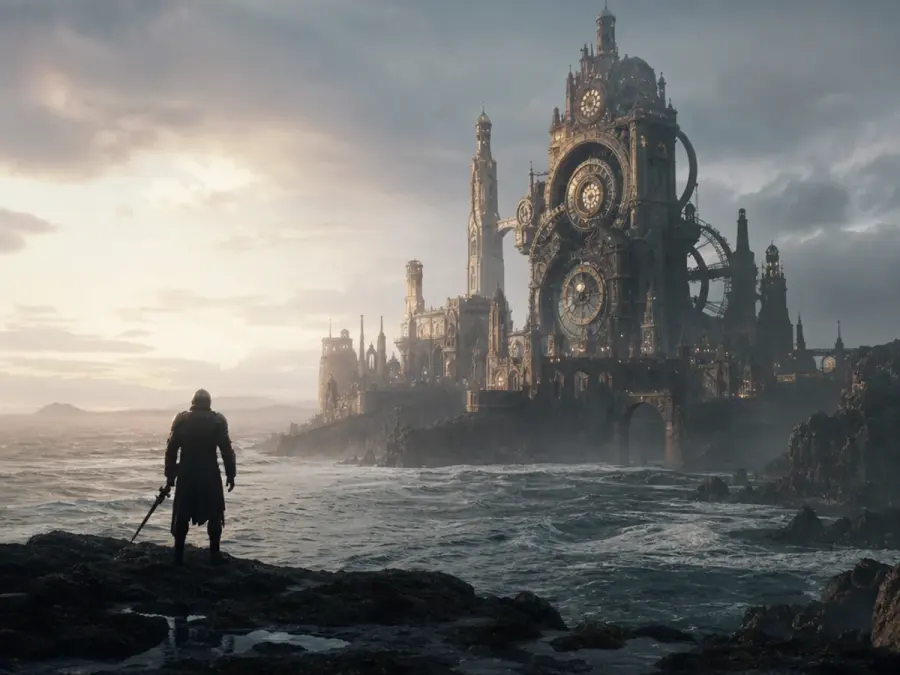
God of War II — God of War II
God of War II refined action spectacle through readable combat, elaborate machinery, and bold transitions in scale.
It made a familiar hardware generation feel capable of one more astonishing performance.
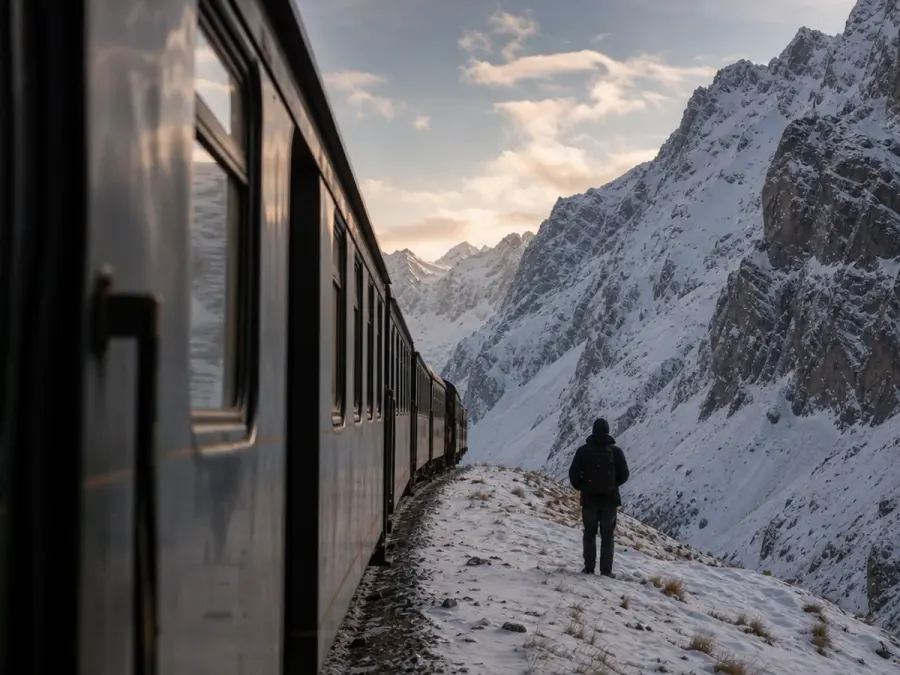
Uncharted 2: Among Thieves — Uncharted 2: Among Thieves
Uncharted 2 blended traversal, combat, banter, and set pieces with unusually smooth pacing.
Its most impressive sequences remained legible because movement and cinematic framing supported one another.

The Last of Us — The Last of Us
The Last of Us connected quiet character moments to tense resource decisions.
Environmental detail and restrained conversation gave its journey emotional weight beyond the immediate struggle to survive.

Journey — Journey
Journey communicated cooperation and emotion with movement, music, and shared space rather than ordinary dialogue.
A brief encounter with another player could feel meaningful precisely because communication stayed simple.
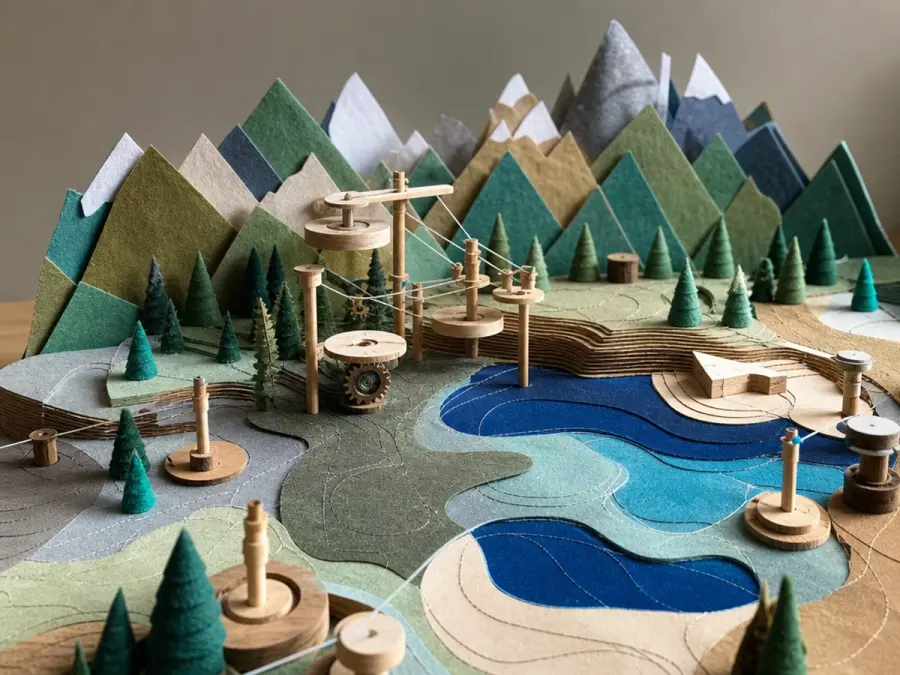
LittleBigPlanet — LittleBigPlanet
LittleBigPlanet treated creation as a form of play. Its tactile stages encouraged experimentation, while sharing tools let a broad community turn simple materials into surprising interactive ideas.
LittleBigPlanet is one of the hj featured in this gallery.
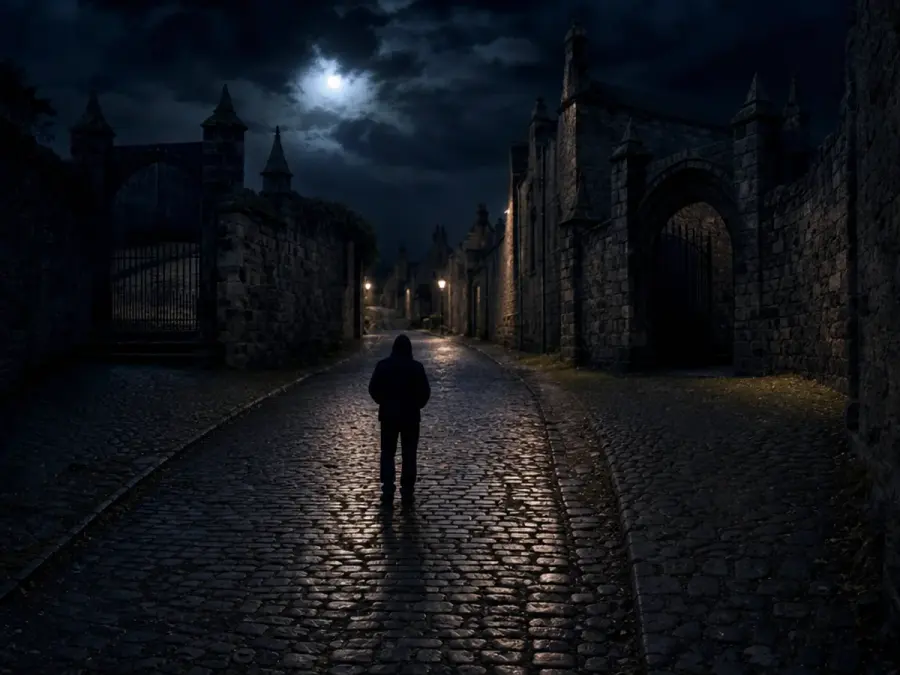
Bloodborne — Bloodborne
Bloodborne encouraged decisive movement and close observation inside a richly connected gothic city.
Its danger felt fair because enemy behavior, shortcuts, and environmental clues rewarded patient learning.
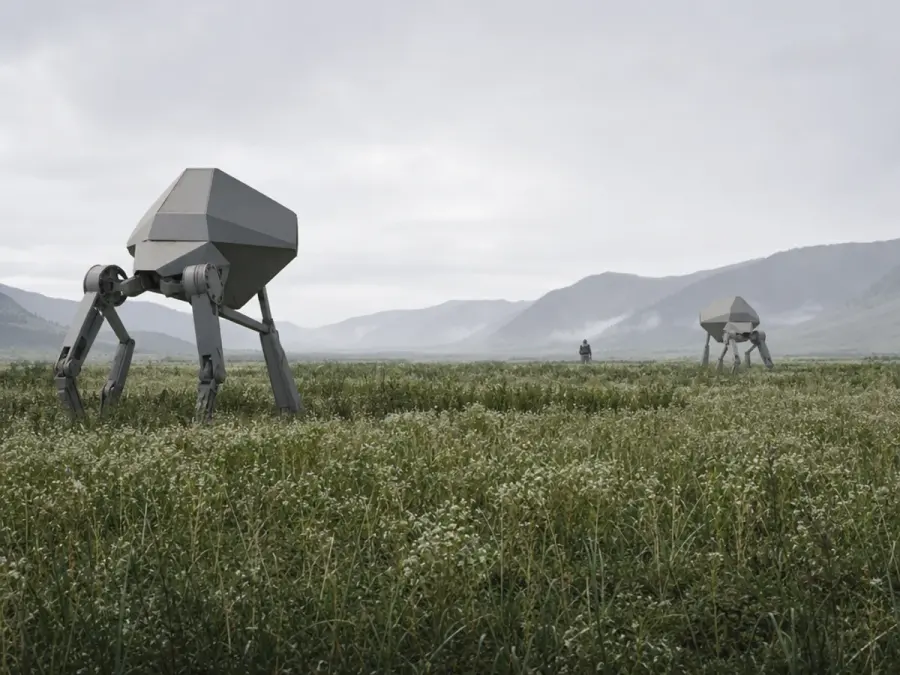
Horizon Zero Dawn — Horizon Zero Dawn
Horizon Zero Dawn joined a striking natural world to tactical encounters built around observation and preparation.
Its machines invited players to study movement and choose tools before committing.

Ghost of Tsushima — Ghost of Tsushima
Ghost of Tsushima used wind, color, and landscape to guide attention with minimal interface clutter.
Its visual direction made navigation feel like part of the fantasy rather than a separate map task.
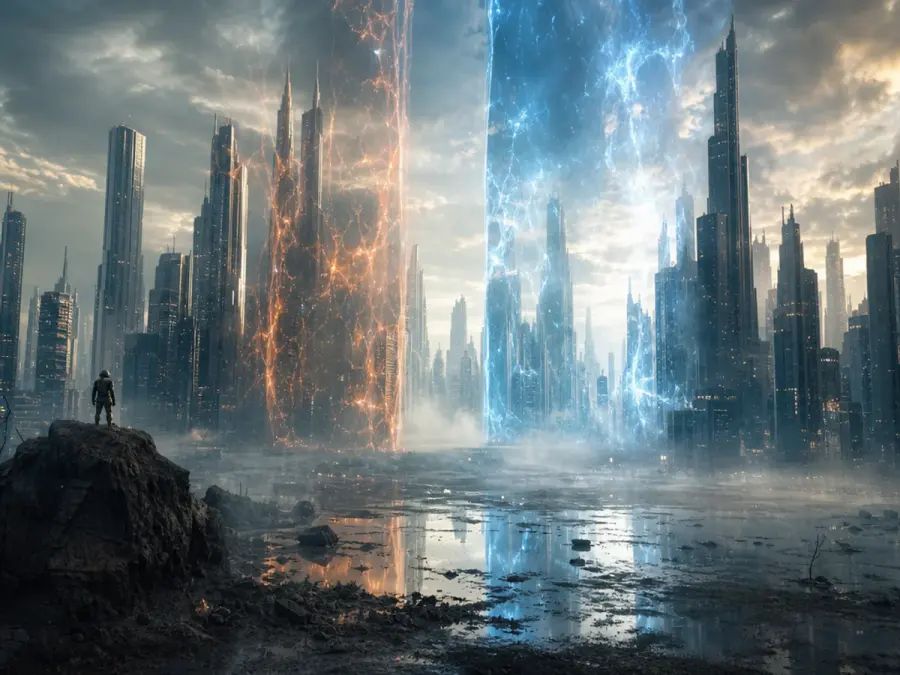
Ratchet & Clank: Rift Apart — Ratchet & Clank: Rift Apart
Rift Apart used rapid world transitions to turn storage speed into visible play.
Colorful movement and generous weapon feedback made the technical showcase feel like a lively adventure first.
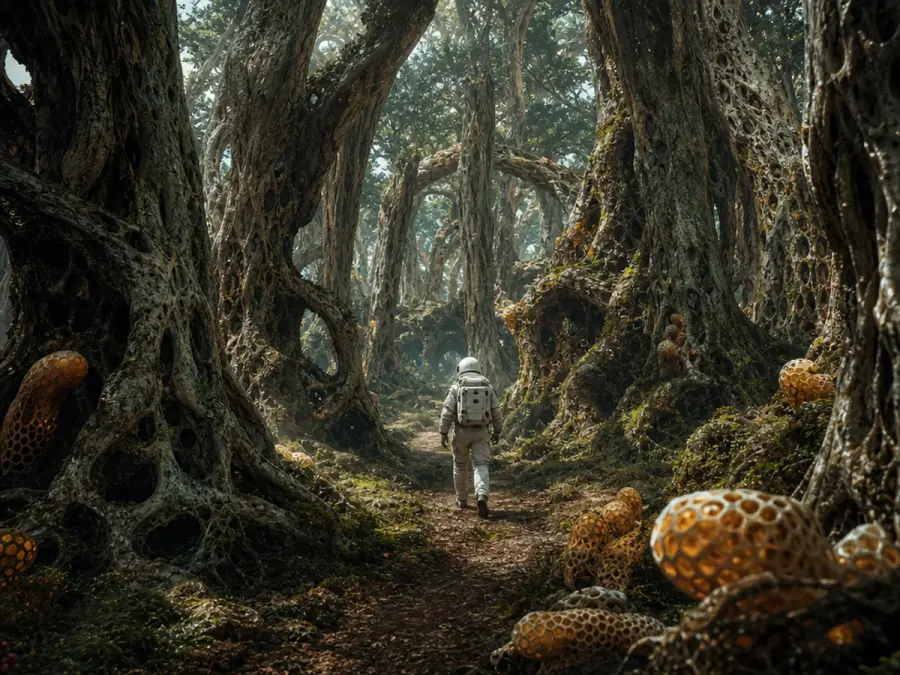
Returnal — Returnal
Returnal combined precise movement, repeating structure, and an unsettled science-fiction mood.
Each failed run could still improve understanding, turning repetition into a demanding form of investigation.
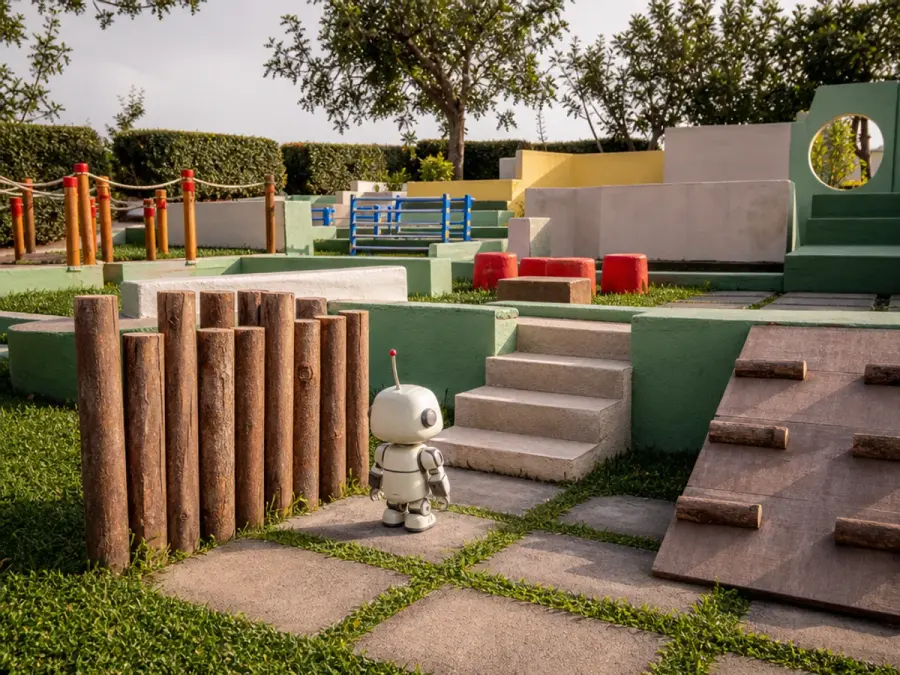
Astro Bot — Astro Bot
Astro Bot celebrates movement through stages filled with tactile surprises and playful hardware ideas.
Its cheerful precision shows that a platform showcase can be inventive without becoming mechanically complicated.
Featured galleries







































































































































































































































































































































































































































































