Pop Songs, Ranked
Be My Baby — The Ronettes — Be My Baby — The Ronettes
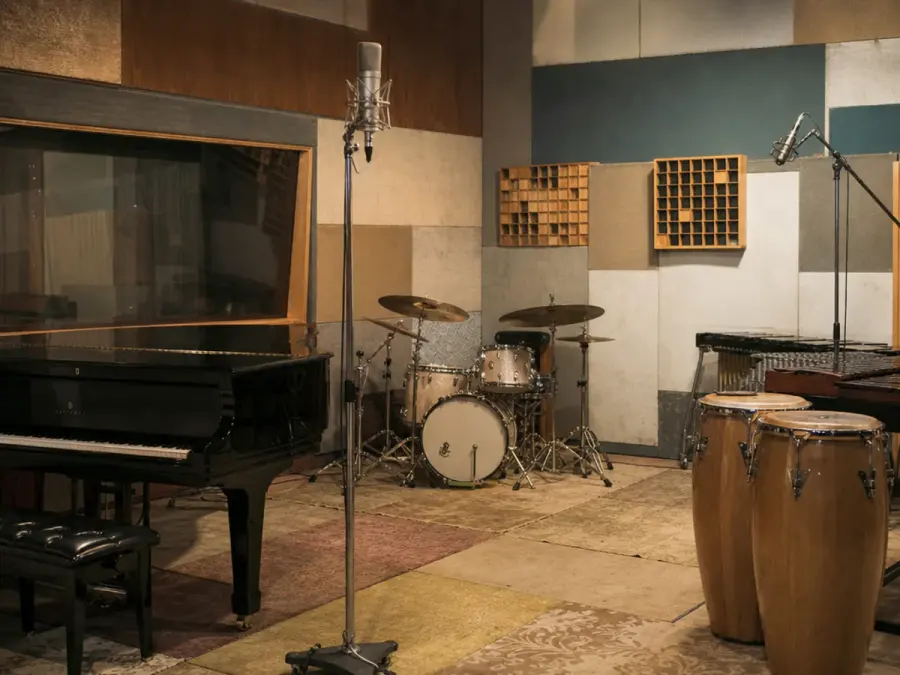
The opening drum pattern creates immediate depth, then piano, percussion, strings, and backing voices build a room around Ronnie Spector's lead. The production is dense but never shapeless; contrast between exposed phrases and huge returns gives the record its lift.
It begins this sequence because modern pop's sense of sonic scale is already present, achieved through arrangement and room sound rather than digital abundance.
Respect — Aretha Franklin — Respect — Aretha Franklin
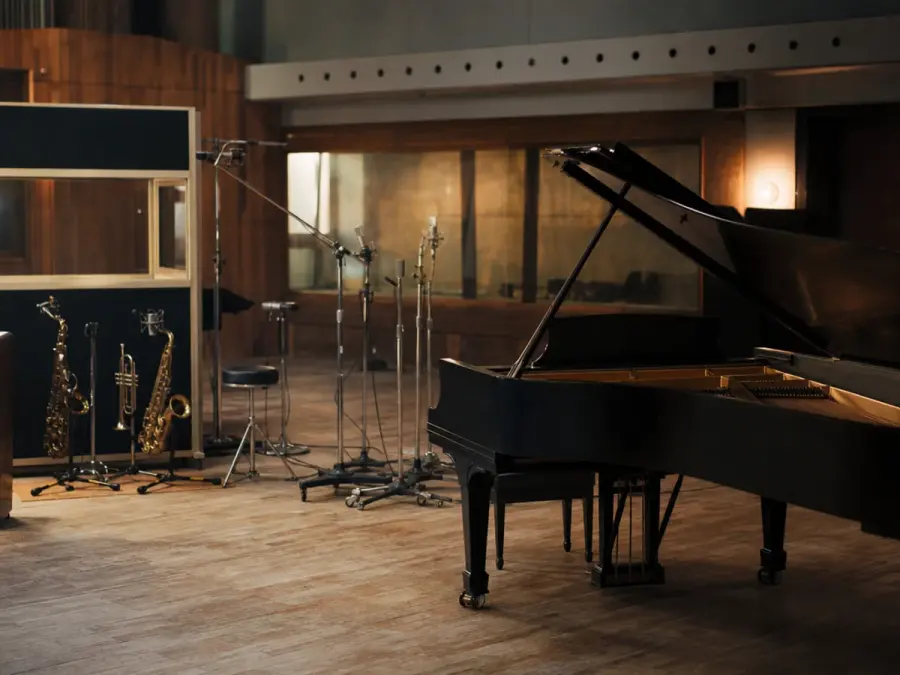
Franklin's performance turns every rhythmic accent into authority. Piano, horns, backing vocals, and the lead voice interact so closely that the arrangement feels both disciplined and spontaneous.
The recording's cultural force is documented well beyond pop charts, but its musical impact starts with phrasing: short attacks, held notes, and strategic space reshape the song. Hear it as ensemble intelligence, not merely a famous vocal showcase.
“Dancing Queen” — ABBA — Dancing Queen — ABBA
A piano sweep seems to pull the listener into a chorus already in motion. Layered vocals, precise rhythm guitar, strings, and a buoyant bass line make the record feel effortless, though its polish is highly engineered.
The bittersweet melodic shape keeps the dance setting from becoming emotionally flat. It represents pop craftsmanship that treats studio detail and immediate pleasure as complementary rather than opposing values.
I Wanna Dance with Somebody — Whitney Houston — I Wanna Dance with Somebody — Whitney Houston
The bright synthesizers and programmed rhythm signal celebration, but Houston's vocal performance gives the song dimension beyond pure exuberance. She moves between crisp rhythmic statements and larger sustained lines without losing the beat.
That balance is the lesson: a powerhouse singer can serve dance-pop structure rather than overpower it. The recording remains a model for arranging maximal vocal ability inside a concise radio form.
Like a Prayer — Madonna — Like a Prayer — Madonna
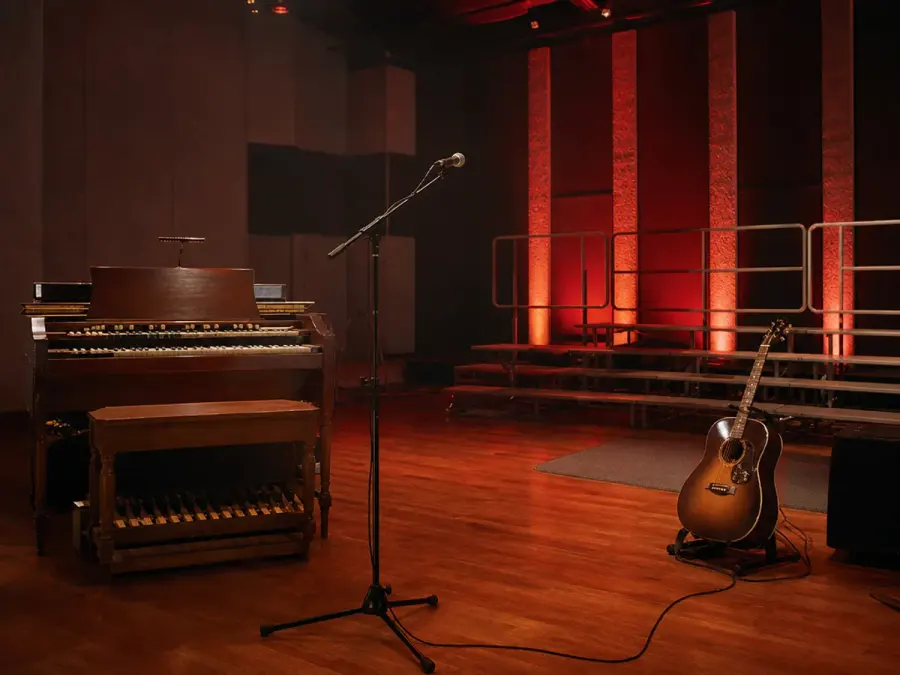
Guitar, organ, choir, rock drums, and pop sequencing create a production that changes scale repeatedly. The arrangement moves between intimacy and communal force, making each return feel larger without abandoning the central groove.
Its video history generated separate controversy, but this selection focuses on the recording. Musically, it shows late-1980s mainstream pop absorbing gospel and rock textures into a tightly controlled studio architecture.
“No Scrubs” — TLC — No Scrubs — TLC
A spare, syncopated production gives the vocal arrangement room to define the record. Lead lines, harmonies, and conversational rhythmic placement work as a coordinated design rather than decoration on top of a beat.
The result is instantly accessible but full of small decisions about space. It represents late-1990s R&B-pop at a point when sleek digital texture and sharply drawn perspective became central to radio sound.
...Baby One More Time — Britney Spears — ...Baby One More Time — Britney Spears
The opening keyboard figure, compressed drum impact, and low-register vocal establish an immediately recognizable late-1990s pop language. Max Martin's production uses repetition with careful changes in density, so the chorus feels inevitable rather than merely repeated.
Separating the recording from its school-themed video imagery reveals the craft clearly: hook placement, vocal layering, and brief instrumental gaps make the arrangement unusually efficient.
Crazy in Love — Beyoncé featuring Jay-Z — Crazy in Love — Beyoncé featuring Jay-Z
A horn sample announces the track before the full beat arrives, then Beyoncé's vocal precision turns its syncopation into propulsion. The arrangement repeatedly strips back and surges forward, keeping a familiar loop volatile.
Jay-Z's guest verse changes the texture without interrupting the song's center of gravity. It stands as an early-2000s example of pop built from sampling, R&B vocal control, hip-hop structure, and kinetic performance.
Toxic — Britney Spears — Toxic — Britney Spears
High strings, surf-like guitar, electronic percussion, and breathy stacked vocals create a pop texture that feels both sleek and unstable. The record's strength is timbral: nearly every sound is distinctive, yet nothing obstructs the hook.
It earns a second Spears entry because it represents a different production era and strategy from her debut—less linear teen pop, more fragmented studio collage held together by rhythmic precision.
“Since U Been Gone” — Kelly Clarkson — Since U Been Gone — Kelly Clarkson
The verses hold guitar and vocal tension in reserve, allowing the chorus to arrive as a genuine physical expansion. Clarkson's performance supplies rock weight while staying rhythmically exact enough for pop radio.
The production's quiet-loud contrast influenced a broad wave of 2000s hits, but its durability comes from proportion: the restrained sections are as carefully designed as the release everyone remembers.
Umbrella — Rihanna featuring Jay-Z — Umbrella — Rihanna featuring Jay-Z
A synthetic drum pattern and dark keyboard space leave the central vocal motif nowhere to hide. Rihanna's cool, measured delivery keeps the record grounded while backing layers make the chorus feel expansive.
The guest opening frames the song within hip-hop-pop collaboration, but the production soon narrows around her tone. It represents the late-2000s move toward sparse, high-impact digital arrangements designed to translate across radio and clubs.
Bad Romance — Lady Gaga — Bad Romance — Lady Gaga
The track assembles spoken syllables, harsh synthesizers, four-on-the-floor momentum, and a sweeping melodic chorus into a form that feels theatrical without losing club utility. Gaga changes vocal character across sections, making arrangement and performance inseparable.
Its visual campaign is famous, but the audio stands independently: contrasting textures are introduced quickly, repeated strategically, and resolved through a final escalation that remains remarkably controlled.
“Rolling in the Deep” — Adele — Rolling in the Deep — Adele
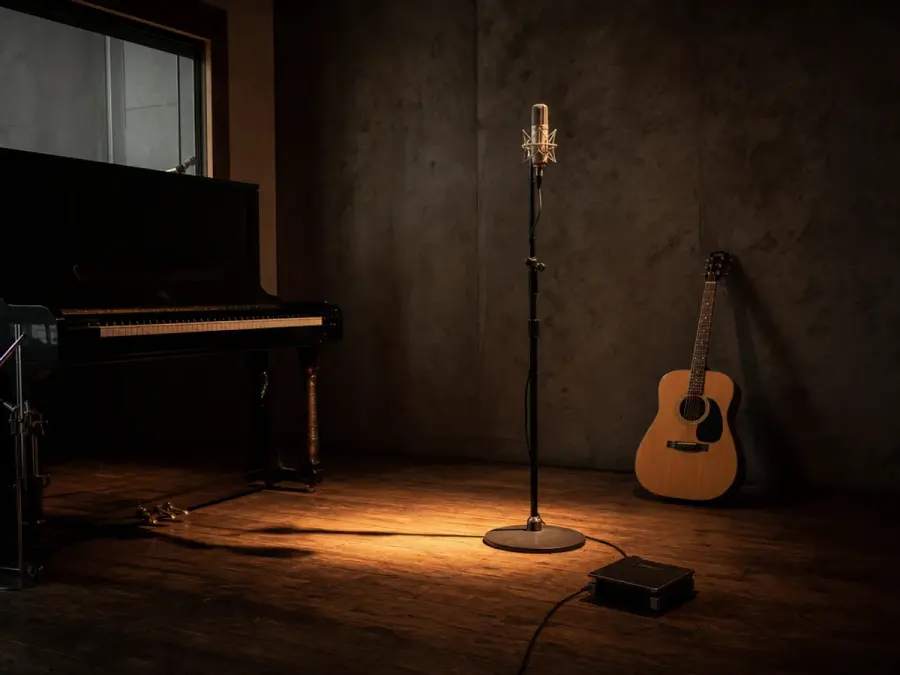
A dry acoustic guitar and close vocal begin with almost no protection, then stomping rhythm, piano, backing voices, and percussion widen the frame. Adele's phrasing stays ahead of the arrangement's mass, which prevents the production from swallowing the song.
The recording is a 2010s pop landmark because it fuses soul and blues references with modern compression and radio pacing while keeping the vocal narrative central.
Call Me Maybe — Carly Rae Jepsen — Call Me Maybe — Carly Rae Jepsen
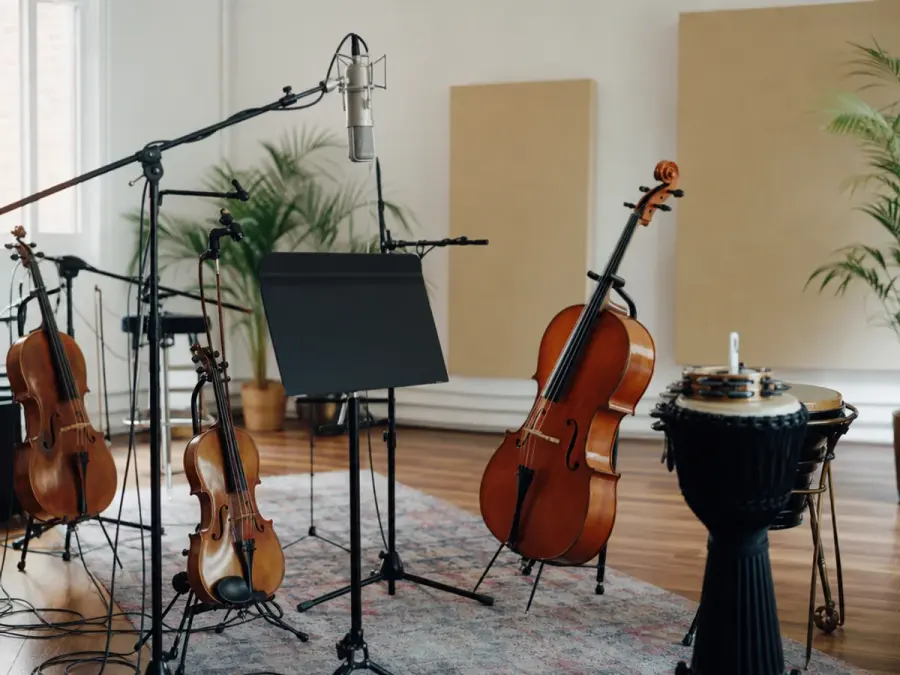
The song's string-like hook, compact verse, pre-chorus lift, and conversational vocal make its arrival at the chorus feel effortless. That apparent simplicity is highly engineered: small percussion changes and layered harmonies continually reset attention.
It represents a strain of 2010s pop that treats sincerity and formal precision as strengths. The recording remains revealing even after cultural ubiquity has made its central phrase familiar.
Blinding Lights — The Weeknd — Blinding Lights — The Weeknd
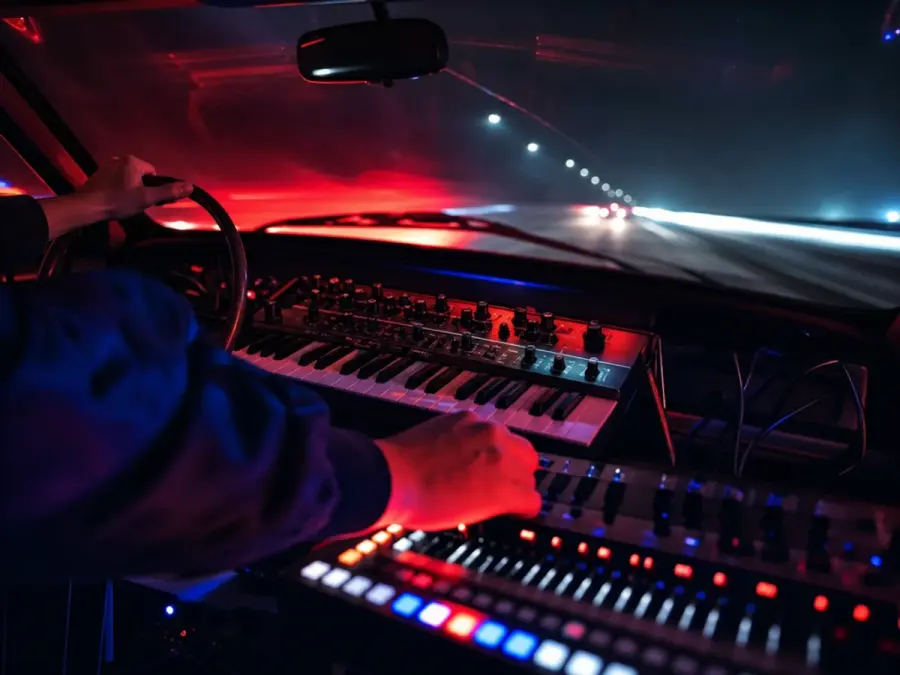
A pulsing synthesizer pattern and crisp drum-machine drive evoke 1980s pop without functioning as simple reenactment. The Weeknd's vocal sits above the track with restrained urgency, while harmonic turns add melancholy beneath the speed.
It closes the sequence because it shows pop history becoming present-tense material: familiar timbres are rebalanced for contemporary scale, streaming-era repetition, and a chorus built to travel across formats.
Featured galleries







































































































































































































































































































































































































































































