15 PS4 Games That Expanded Console Storytelling

Story Is More Than a Cutscene — Story Is More Than a Cutscene
The PS4 era included lavish cinematics, but its strongest storytelling also happened through movement, repetition, environment, failure, and choice.
These games demonstrate different ways a controller can carry meaning.

Bloodborne — Lore Through Unease — Bloodborne — Lore Through Unease
Bloodborne withholds easy explanations and lets architecture, objects, enemies, and fragments of dialogue build a frightening history.
Curiosity becomes risky, because understanding the world often requires entering its most threatening spaces.
God of War — Character in the Journey — God of War — Character in the Journey
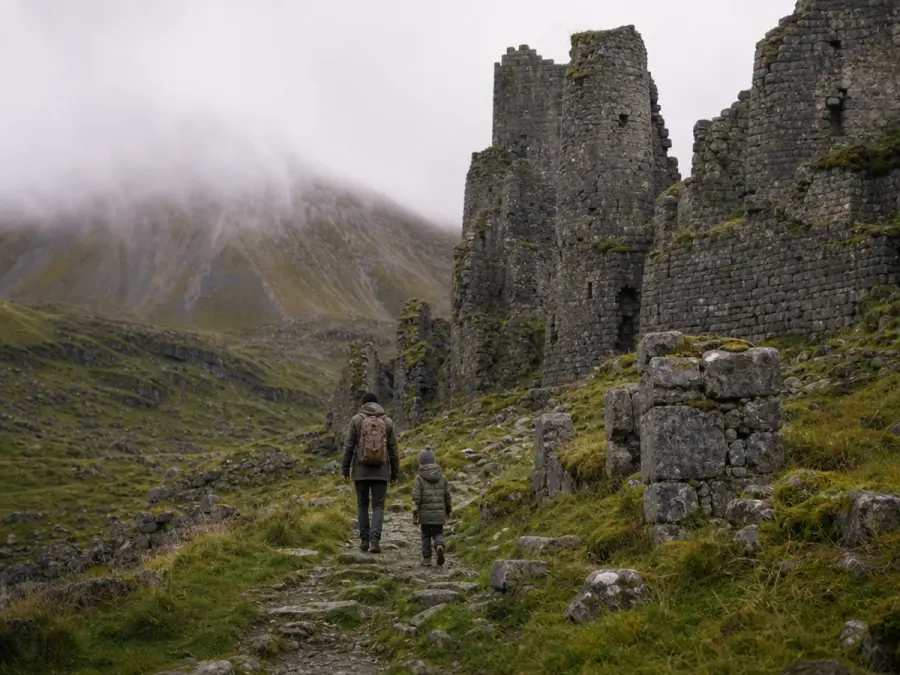
The long trip gives a powerful warrior and his son room to reveal themselves through small reactions, lessons, and disagreements.
Combat and puzzle solving continually return the story to responsibility and restraint.

Marvel's Spider-Man — Movement Defines the Hero — Marvel's Spider-Man — Movement Defines the Hero
Swinging through the city communicates generosity and momentum before dialogue does.
The pleasure of helping people between major conflicts makes traversal part of the character portrait rather than transportation between story scenes.

Horizon Zero Dawn — Mystery in the Landscape — Horizon Zero Dawn — Mystery in the Landscape
Ruined technology and living machine ecosystems turn exploration into historical investigation.
The protagonist's personal questions align with the player's curiosity, so scanning, hunting, and discovering records all advance the same central mystery.

Ghost of Tsushima — Direction Through Nature — Ghost of Tsushima — Direction Through Nature
Wind, birds, color, and composition guide attention without constant markers.
The island's beauty creates tension with the violence crossing it, making navigation and visual framing part of the story's emotional tone.

The Last of Us Part II — Consequence Through Repetition — The Last of Us Part II — Consequence Through Repetition
The game asks players to inhabit conflicting perspectives and repeat familiar actions with changing emotional context.
Its structure makes certainty difficult, using play to complicate the judgments the story initially encourages.
Uncharted 4 — Spectacle With Domestic Stakes — Uncharted 4 — Spectacle With Domestic Stakes
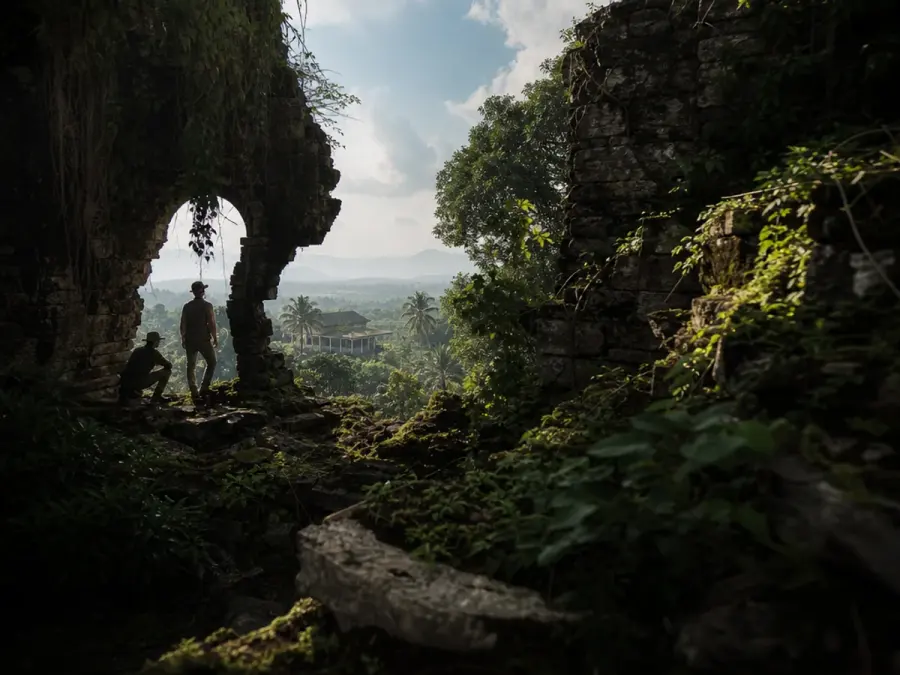
Climbing ruins and surviving elaborate chases sit beside quieter conversations about partnership and obsession.
The contrast works because adventure is presented not as escape from ordinary life, but as something that can damage it.
Persona 5 — Routine Builds Attachment — Persona 5 — Routine Builds Attachment
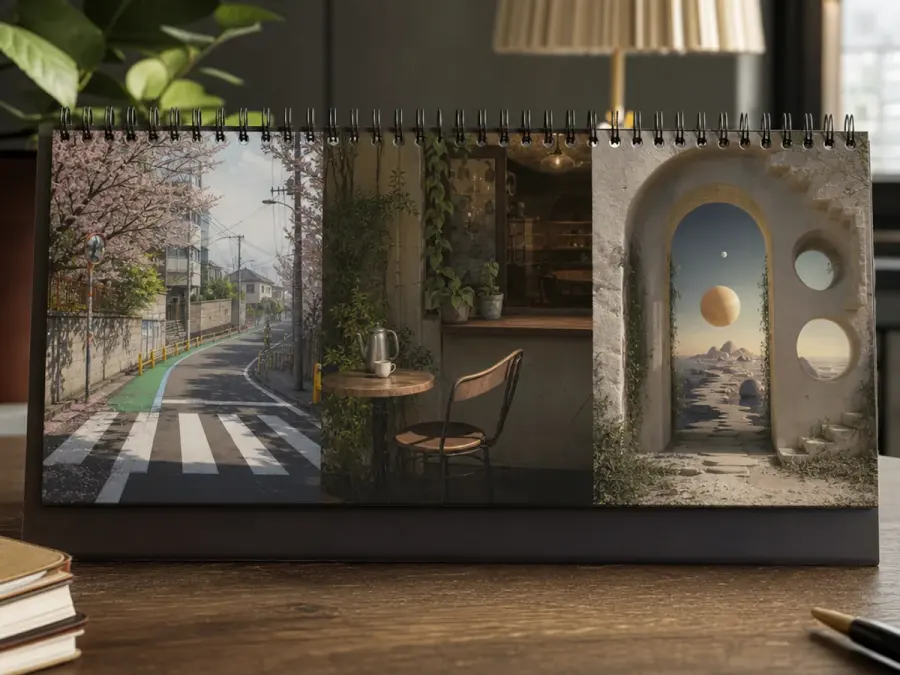
School days, friendships, work, exploration, and turn-based battles share one calendar.
Repeated choices make time feel valuable, so relationships gain weight through the hours the player actively decides to spend.
NieR: Automata — Replaying Changes the Question — NieR: Automata — Replaying Changes the Question
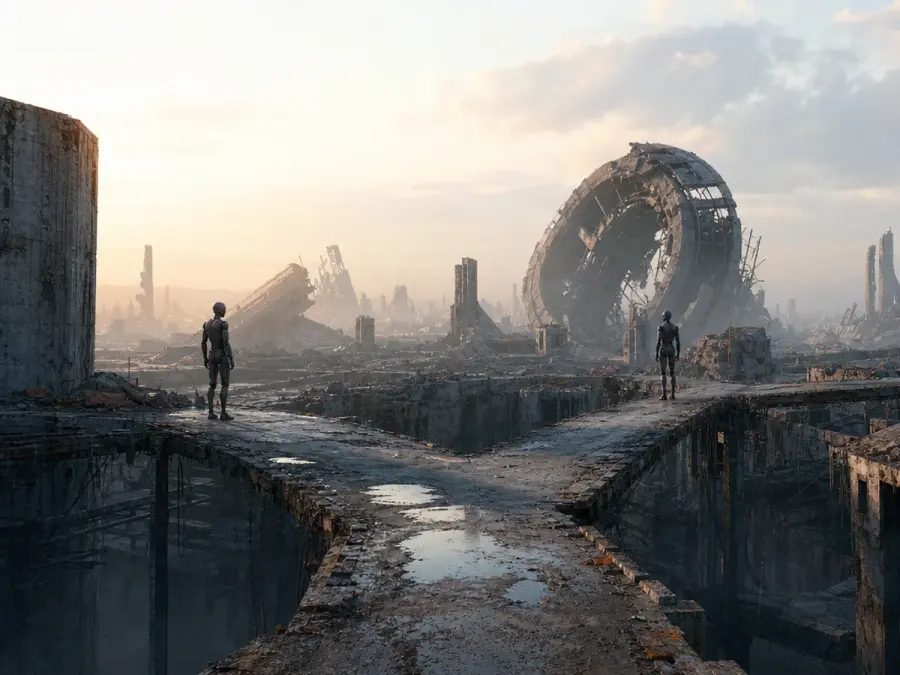
Additional playthroughs do more than repeat events. New viewpoints and mechanical shifts transform what earlier scenes meant, making structure itself part of a story about purpose, identity, and incomplete understanding.
NieR: Automata — Replaying Changes the Question is one of the hj featured in this gallery.
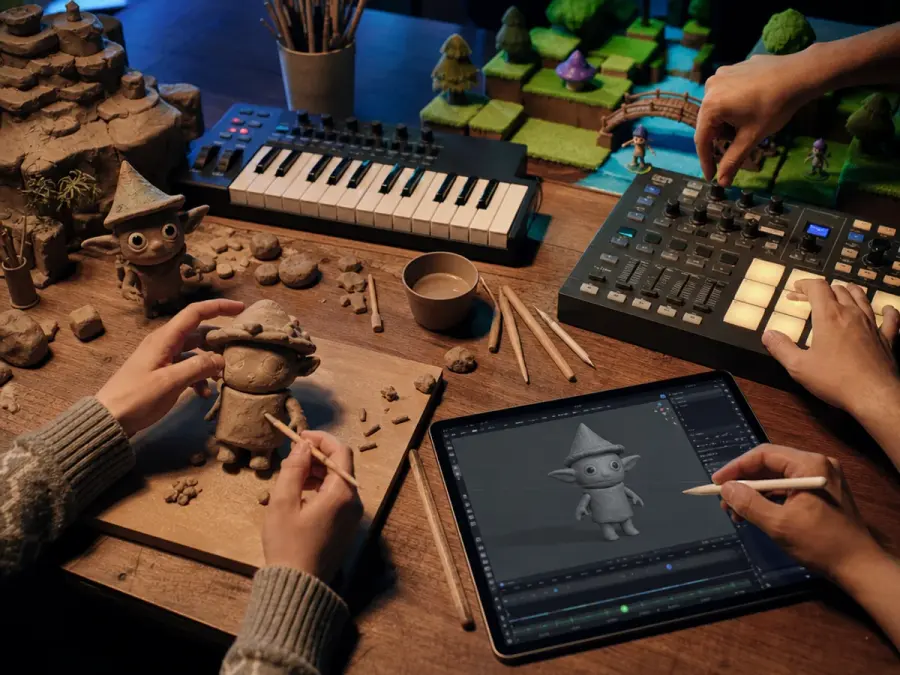
Dreams — Creation as the Story — Dreams — Creation as the Story
Dreams gives players tools to sculpt, animate, compose, and build, then places their work beside other people's experiments.
The larger narrative is communal: learning becomes visible through creations shared and remixed.

Death Stranding — Connection Through Labor — Death Stranding — Connection Through Labor
Walking, balancing cargo, planning routes, and building shared infrastructure make connection tangible.
The slow work matters because later players encounter the paths and tools left behind, turning anonymous cooperation into the central feeling.
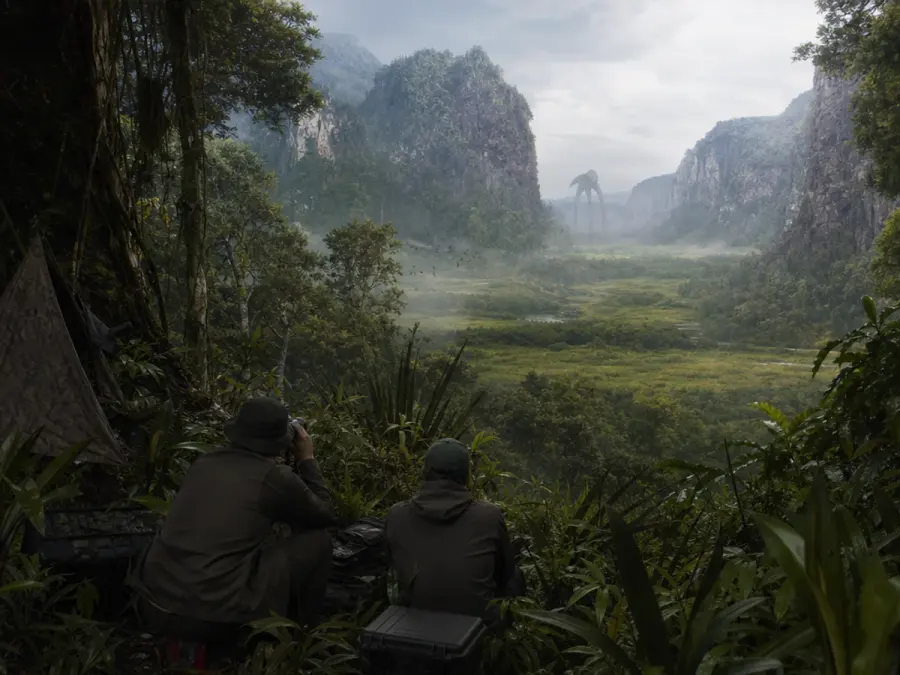
Monster Hunter: World — Knowledge Becomes Confidence — Monster Hunter: World — Knowledge Becomes Confidence
Large hunts begin as intimidating encounters and gradually become readable studies of behavior, preparation, terrain, and teamwork.
The player's story is not simply gaining power; it is becoming competent within a living system.

Tetris Effect — Familiar Rules, New Emotion — Tetris Effect — Familiar Rules, New Emotion
The puzzle remains recognizable, yet music, particles, rhythm, and changing scenes alter how each session feels.
The game shows that presentation can deepen a classic system without obscuring the clarity that made it endure.

Outer Wilds — Knowledge Is the Upgrade — Outer Wilds — Knowledge Is the Upgrade
Nothing important is unlocked by collecting stronger equipment.
Progress comes from understanding places, cycles, and relationships well enough to try a new route. The player's growing mental map is the real inventory.
Featured galleries







































































































































































































































































































































































































































































