15 PSP Games That Defined Portable Play
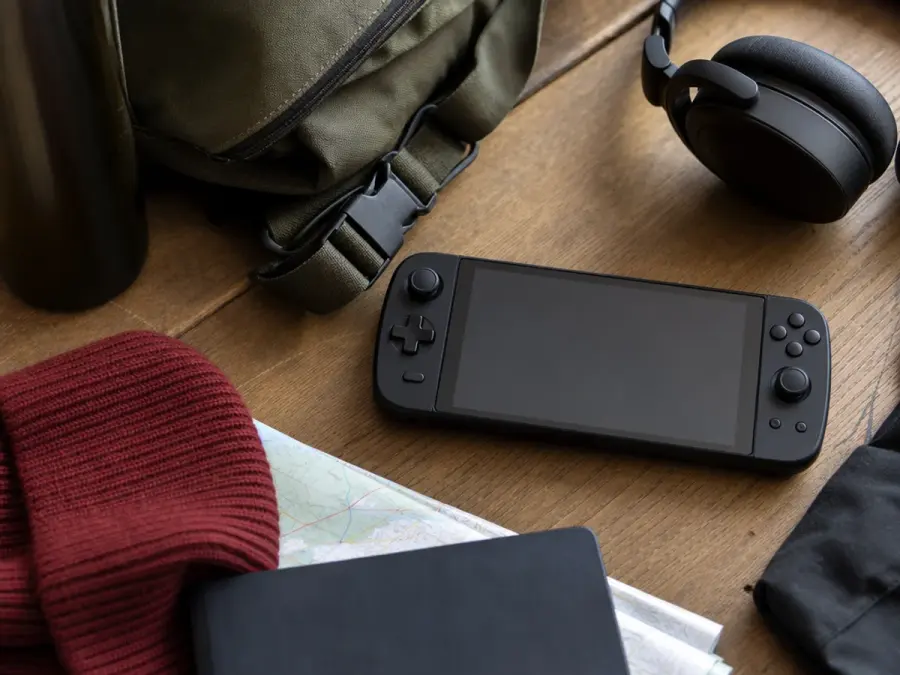
A Handheld With Console-Scale Ambition — A Handheld With Console-Scale Ambition
Sony's first portable PlayStation invited studios to rethink familiar genres for a wide screen, shorter sessions, and physical controls.
Its strongest games treated portability as a design opportunity instead of a compromise.
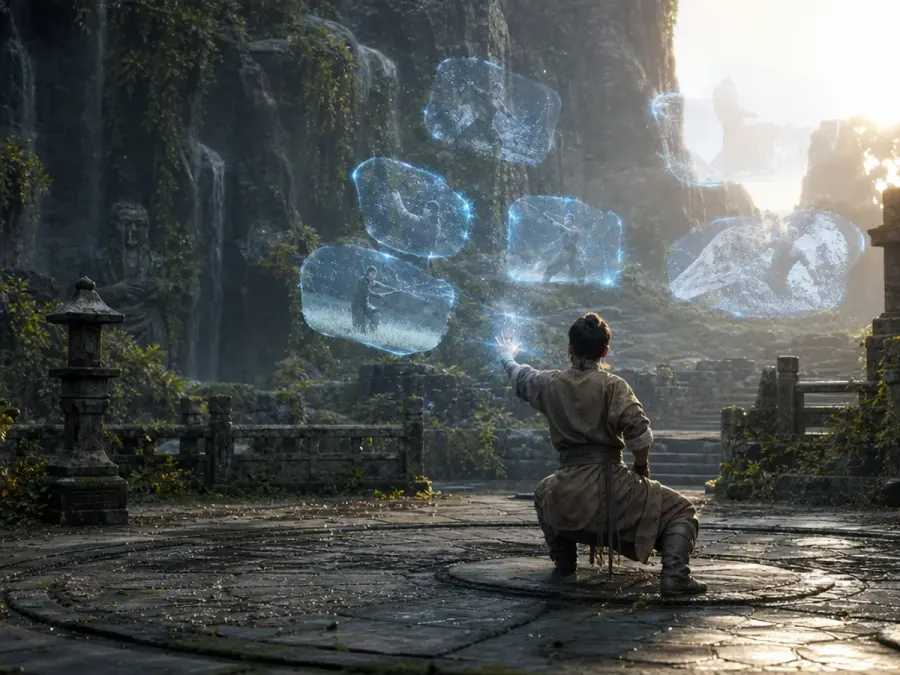
Crisis Core: Final Fantasy VII — Crisis Core: Final Fantasy VII
Crisis Core condensed dramatic role-playing into brisk missions while keeping a strong emotional arc.
Its structure made meaningful progress possible in small bursts without making the adventure feel slight.
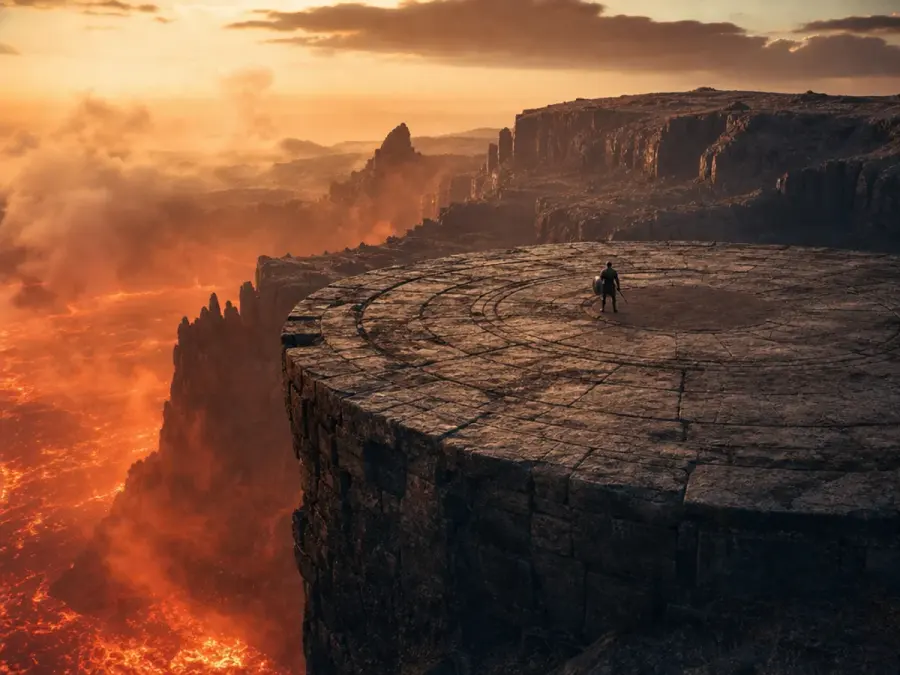
God of War: Chains of Olympus — God of War: Chains of Olympus
Chains of Olympus delivered sweeping action through readable arenas and focused encounters.
It demonstrated how careful camera work and animation could create spectacle on a much smaller display.
Lumines — Lumines
Lumines joined falling-block puzzles to a moving musical timeline.
Color, rhythm, and clean feedback turned a simple rule set into the kind of repeatable experience that naturally suited a handheld.

Metal Gear Solid: Peace Walker — Metal Gear Solid: Peace Walker
Peace Walker paired stealth missions with base growth and cooperative ideas.
Its modular structure rewarded quick sorties while gradually building a larger operational story around the player's choices.
Patapon — Patapon
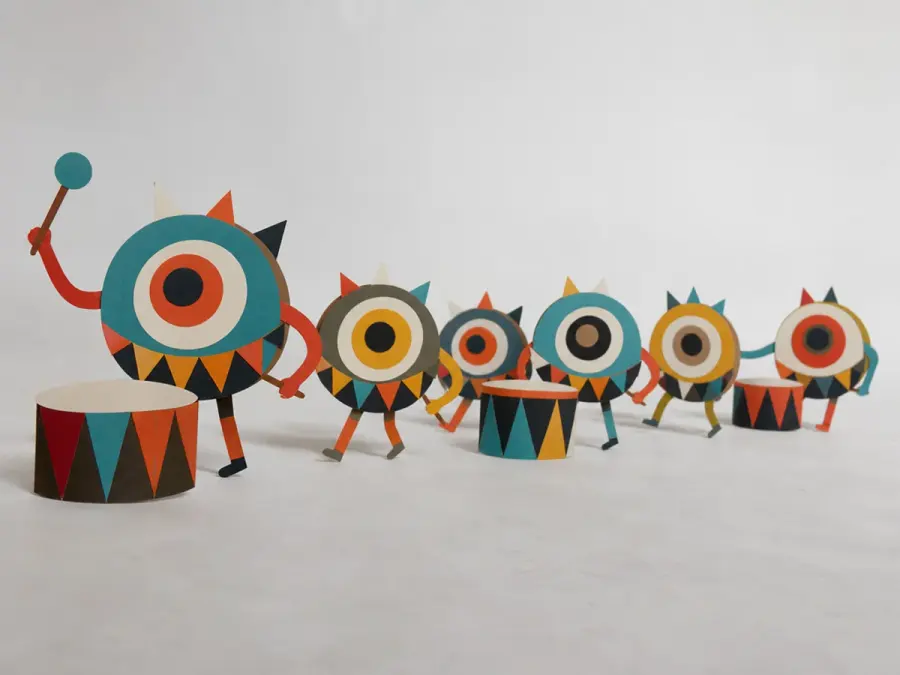
Patapon transformed command inputs into percussion, asking players to lead a tiny army by keeping time.
The result felt part strategy game, part musical performance, and wholly designed for portable concentration.
Daxter — Daxter
Daxter built a nimble platforming adventure around compact stages and expressive movement.
It preserved the playful energy of a larger series while giving its supporting hero a complete portable spotlight.
Monster Hunter Freedom Unite — Monster Hunter Freedom Unite
Freedom Unite made preparation, observation, and repeated hunts deeply rewarding.
Local cooperative play turned difficult encounters into shared rituals and helped the series find a passionate portable audience.
Persona 3 Portable — Persona 3 Portable
Persona 3 Portable reworked a large role-playing game with efficient navigation and a distinct protagonist route.
The adaptation showed that interface changes could make a long social adventure feel at home on handheld hardware.
Jeanne d'Arc — Jeanne d'Arc
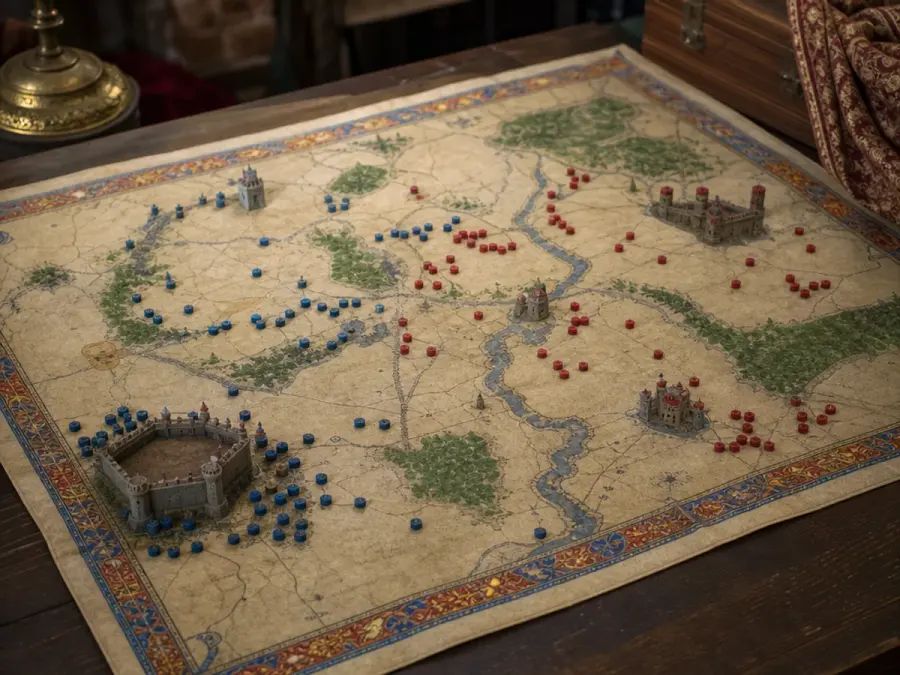
Jeanne d'Arc combined approachable tactical battles with a colorful fantasy interpretation of medieval conflict.
Clear objectives and steady character growth made strategy inviting without removing the satisfaction of careful positioning.

Wipeout Pure — Wipeout Pure
Wipeout Pure used sharp tracks, fast feedback, and a sleek electronic mood to introduce the PSP with confidence.
Its races made the screen feel wider and the hardware feel faster than expected.

Grand Theft Auto: Liberty City Stories — Grand Theft Auto: Liberty City Stories
Liberty City Stories translated an open-city structure into missions that worked well on the move.
The freedom to roam, experiment, or finish a short objective gave the handheld unusual breadth.

LocoRoco — LocoRoco
LocoRoco replaced complex controls with tilting, bouncing, and cheerful momentum.
Its soft shapes and musical responsiveness created a playful identity that felt inseparable from the portable format.
Tekken: Dark Resurrection — Tekken: Dark Resurrection
Dark Resurrection offered responsive fighting, a substantial roster, and quick rematches.
It proved that competitive timing and visual impact could remain convincing even when the arena fit in two hands.
Final Fantasy Tactics: The War of the Lions — Final Fantasy Tactics: The War of the Lions
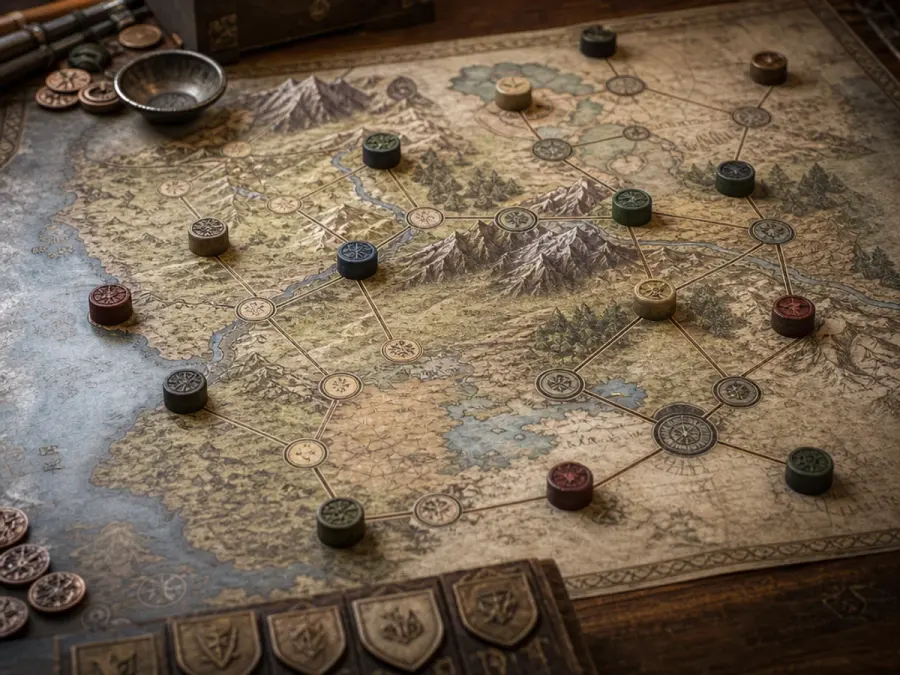
The War of the Lions refined a layered tactical classic with an expanded presentation.
Its measured battles and deep job systems rewarded reflection, making long-term planning an excellent match for portable play.
Featured galleries







































































































































































































































































































































































































































































