15 PSX Games That Shaped 3D Play
When a New Dimension Needed New Rules — When a New Dimension Needed New Rules
Early polygonal games had to teach players how to read space, cameras, and movement.
The most memorable PSX releases embraced those challenges and built distinct styles around them.
Metal Gear Solid — Metal Gear Solid
Metal Gear Solid treated stealth as both a system and a dramatic language.
Alert states, guarded routes, and cinematic framing made careful observation feel as important as quick reactions.
Final Fantasy VII — Final Fantasy VII
Final Fantasy VII used pre-rendered spaces, expressive music, and dramatic pacing to make role-playing feel cinematic.
Its world encouraged curiosity while its story made each destination feel emotionally connected.

Castlevania: Symphony of the Night — Castlevania: Symphony of the Night
Symphony of the Night turned a huge castle into a web of discoveries.
Fluid movement, equipment choices, and subtle route clues rewarded players who returned to familiar rooms with new abilities.
Tony Hawk's Pro Skater 2 — Tony Hawk's Pro Skater 2
Tony Hawk's Pro Skater 2 made each level a compact playground of lines, gaps, and timed goals.
Its responsive combo rhythm encouraged both focused challenge runs and relaxed experimentation.
Gran Turismo 2 — Gran Turismo 2
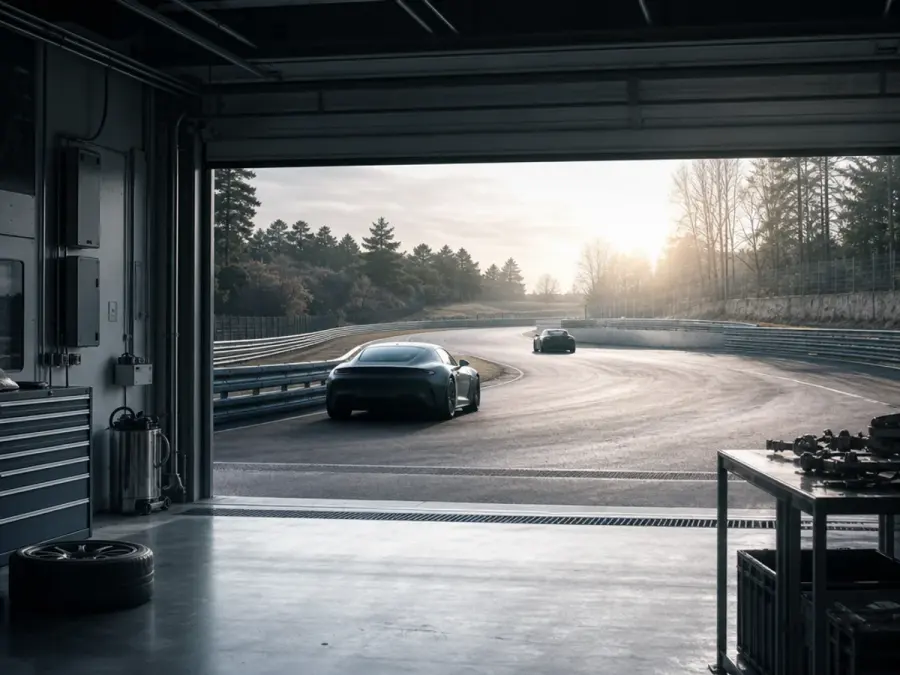
Gran Turismo 2 paired a broad car culture with disciplined driving.
Progress came from learning braking, tuning, and track rhythm rather than simply holding the accelerator through every corner.

Resident Evil 2 — Resident Evil 2
Resident Evil 2 built tension through scarce resources, intersecting routes, and memorable spaces.
Alternating character journeys made the same crisis feel larger without sacrificing focused survival decisions.

Tekken 3 — Tekken 3
Tekken 3 combined immediate impact with layers of timing and movement.
Its fast matches, distinctive styles, and strong animation helped three-dimensional fighting feel readable and exciting.

Crash Bandicoot: Warped — Crash Bandicoot: Warped
Warped varied its platforming with vehicles, time trials, and tightly staged challenges.
Its forward-moving levels used depth as a playful obstacle while keeping goals clear at a glance.
Spyro: Year of the Dragon — Spyro: Year of the Dragon
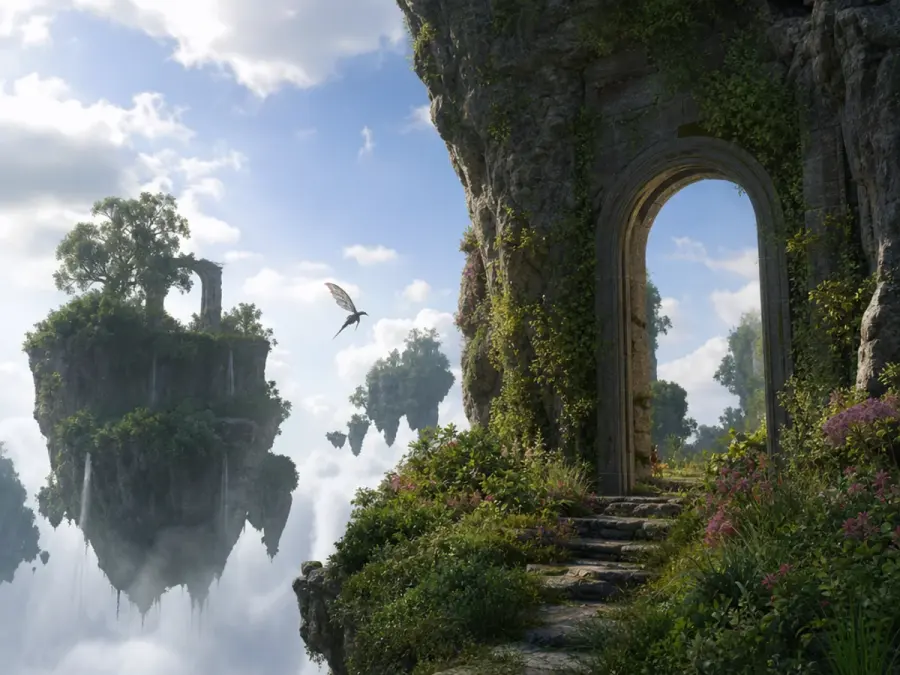
Year of the Dragon made exploration welcoming through compact worlds, bright landmarks, and varied movement.
Collecting felt purposeful because each area introduced its own small set of playful ideas.

Vagrant Story — Vagrant Story
Vagrant Story used interconnected dungeons, weapon systems, and deliberate combat to create a dense adventure.
Its theatrical visual direction gave blocky technology an unusually mature atmosphere.

Suikoden II — Suikoden II
Suikoden II balanced personal conflict with a broad ensemble and a growing headquarters.
Recruiting allies turned world exploration into community building, giving optional discoveries a place in the larger story.
Silent Hill — Silent Hill
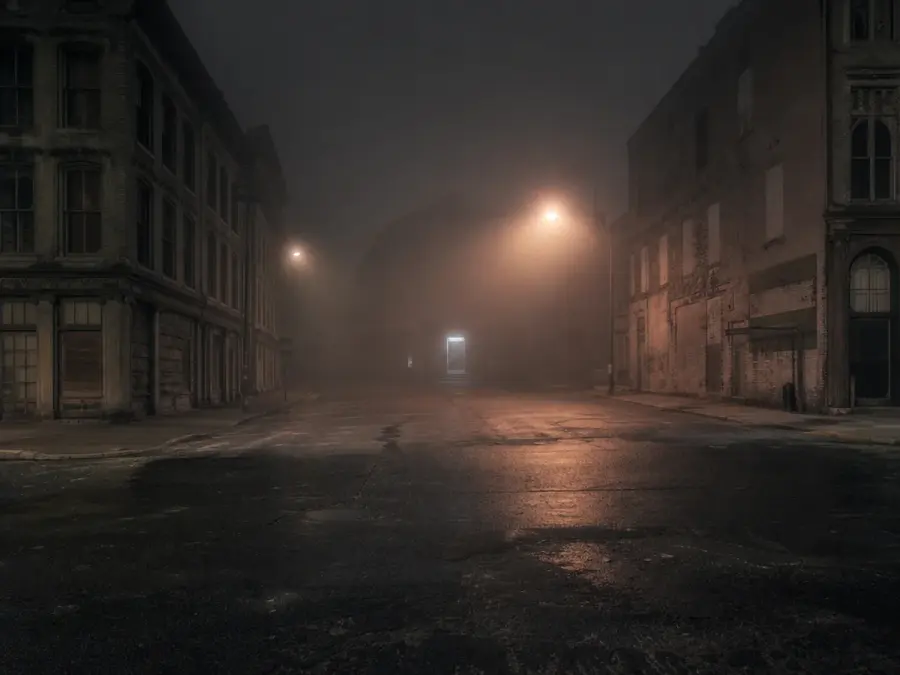
Silent Hill transformed limited visibility into psychological unease.
Sound, fog, and uncertain spaces made imagination do part of the work, proving technical restraint could strengthen a game's emotional design.

Ridge Racer Type 4 — Ridge Racer Type 4
Ridge Racer Type 4 wrapped accessible drifting in bold visual direction and a confident soundtrack mood.
Its clean sense of speed made each race feel stylish without losing mechanical clarity.

Ape Escape — Ape Escape
Ape Escape built its identity around the dual analog controller, assigning tools and movement to separate sticks.
The playful experiments made new hardware feel understandable through action rather than explanation.
Featured galleries







































































































































































































































































































































































































































































