Roblox Games

Brookhaven RP — An Open Social Stage — Brookhaven RP — An Open Social Stage
Brookhaven provides houses, vehicles, and public spaces as props for improvised role-play rather than prescribing a victory condition.
Its appeal depends heavily on the people in a server and the boundaries they bring with them. It is best approached as a social sandbox, with chat and privacy settings reviewed before younger players join.

Blox Fruits — Long-Form Action Progression — Blox Fruits — Long-Form Action Progression
Blox Fruits combines island exploration, combat abilities, bosses, and extensive leveling into a loop designed for sustained progression.
That scale can be satisfying for players who like building a character over time, but it can also make shortcuts and paid options feel tempting. Start by learning one fighting path instead of chasing every collectible at once.

Adopt Me! — Collecting Meets Home Design — Adopt Me! — Collecting Meets Home Design
Adopt Me! blends pet collecting, trading, decorating, and social role-play, giving players several goals that can overlap in one visit.
The trading economy is part of the appeal and also the main reason to slow down: review official safety guidance, distrust off-platform offers, and never treat digital scarcity as a reason to make an impulsive purchase.

Dress to Impress — Fast Fashion Challenges — Dress to Impress — Fast Fashion Challenges
Dress to Impress turns a theme prompt into a short styling deadline followed by a communal runway vote. The pressure creates energy, while the shared judging can feel subjective or repetitive depending on the server.
It is strongest as a creative party game when players treat the result as conversation, not a definitive verdict on taste.

Murder Mystery 2 — Simple Roles, Immediate Suspicion — Murder Mystery 2 — Simple Roles, Immediate Suspicion
Murder Mystery 2 assigns a small set of hidden roles and lets movement, observation, and bluffing create the drama. Rules are quick to learn, making the experience easy to share with friends, though public chat changes the tone.
The suspense includes stylized violence, so current content maturity and household expectations should be checked first.

Tower of Hell — Pure Obstacle-Course Pressure — Tower of Hell — Pure Obstacle-Course Pressure
Tower of Hell strips the obstacle-course format down to climbing a rotating stack without checkpoints. Failure is immediate, but so is the chance to try again, which makes improvement visible in small movement decisions.
It rewards patience and camera control more than collection. Players frustrated by repetition may prefer a checkpoint-based experience.
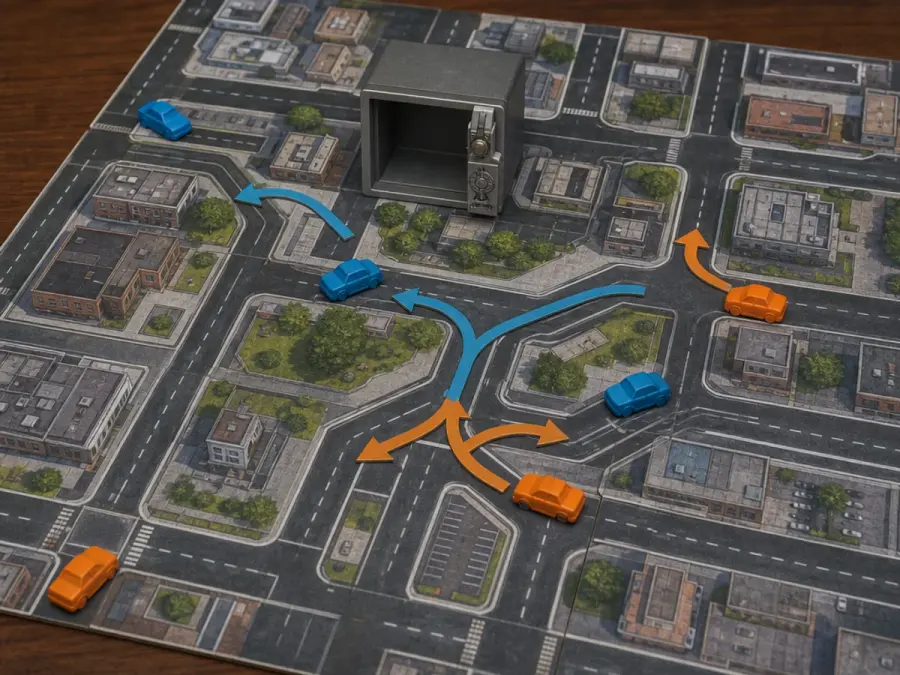
Jailbreak — Cops-and-Robbers as a Shared System — Jailbreak — Cops-and-Robbers as a Shared System
Jailbreak connects driving, pursuit, escape, heists, and law enforcement into a citywide multiplayer loop. The fun comes from plans colliding with other players rather than following a single scripted mission.
Its open conflict is more satisfying with friends and clear roles; public servers can be chaotic, so expect improvisation instead of balanced rounds.

DOORS — Cooperative Horror in Small Rooms — DOORS — Cooperative Horror in Small Rooms
DOORS uses a sequence of rooms, audio cues, hiding decisions, and changing threats to make observation as important as speed.
Cooperative play can turn fear into communication, but jump scares and sustained tension are central. Check the current maturity label and avoid spoiling every cue in advance; discovery is much of the design.

Arsenal — Fast Weapon-Swap Competition — Arsenal — Fast Weapon-Swap Competition
Arsenal keeps rounds moving by changing the player's equipment as progress is made, rewarding adaptability instead of one perfected loadout. Its pace and stylized shooting make it a distinctly competitive pick in this gallery.
Because it centers weapon combat, households should review the official maturity information rather than judging suitability from Roblox's visual style alone.
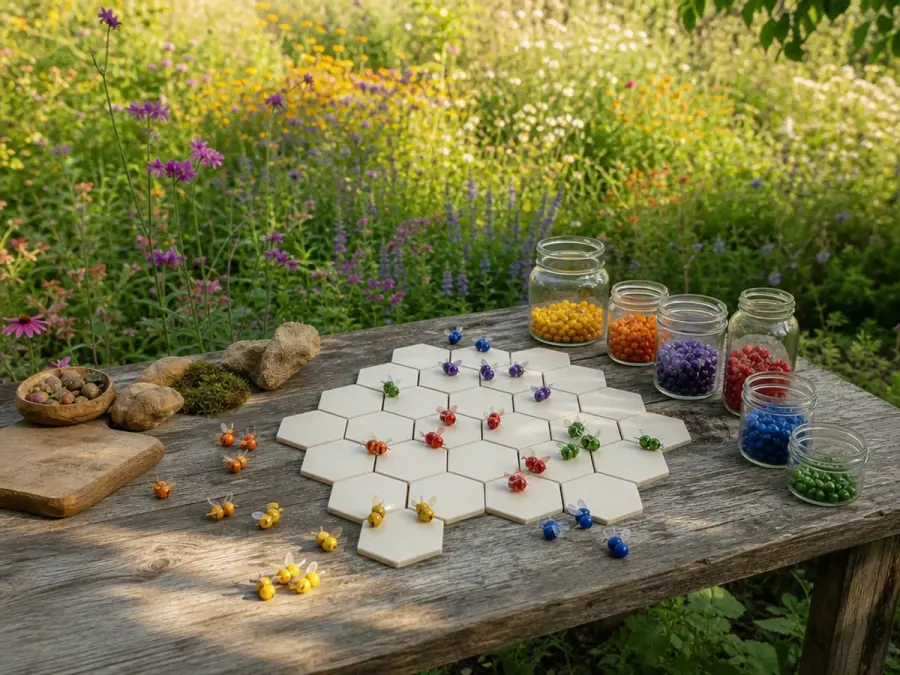
Bee Swarm Simulator — Layered Collection and Optimization — Bee Swarm Simulator — Layered Collection and Optimization
Bee Swarm Simulator begins with gathering pollen and gradually becomes a dense optimization game about hive composition, quests, fields, and equipment.
The friendly premise hides considerable systems depth. New players should follow a few goals at a time and avoid assuming every visible upgrade is urgent; the long arc is the point.

Pet Simulator 99 — A Collecting Loop at Maximum Scale — Pet Simulator 99 — A Collecting Loop at Maximum Scale
Pet Simulator 99 layers hatching, area progression, upgrades, trading, and event goals into a highly visible collection treadmill.
The steady stream of rewards can feel satisfying, but scarcity and random outcomes deserve deliberate spending limits. It is best for players who enjoy incremental optimization and can ignore the pressure to own the rarest item.

Blade Ball — Timing as the Whole Duel — Blade Ball — Timing as the Whole Duel
Blade Ball builds a competitive loop around reading an incoming threat and returning it at the right instant. The simple premise becomes tense as speed and player count rise.
Cosmetic and ability layers surround that core, but timing remains the useful test: if repeated reaction practice is satisfying, the experience clicks; if not, progression will not fix it.

Fisch — Relaxed Fishing With a Deep Checklist — Fisch — Relaxed Fishing With a Deep Checklist
Fisch combines casting, location discovery, weather, equipment, and a large catch catalog into a progression game that can feel calm moment to moment.
Collection goals eventually add complexity and repetition, so it works best when the player enjoys the act of fishing itself. Verify the official page because events and systems can change quickly.
The Strongest Battlegrounds — Practice Through Repetition — The Strongest Battlegrounds — Practice Through Repetition
The Strongest Battlegrounds centers close-range fights where spacing, timing, counters, and move knowledge separate a planned sequence from random button presses.
Public matches can be unforgiving, but that exposure also makes improvement obvious. The combat theme and player behavior warrant a maturity check, and beginners benefit from private practice before crowded servers.
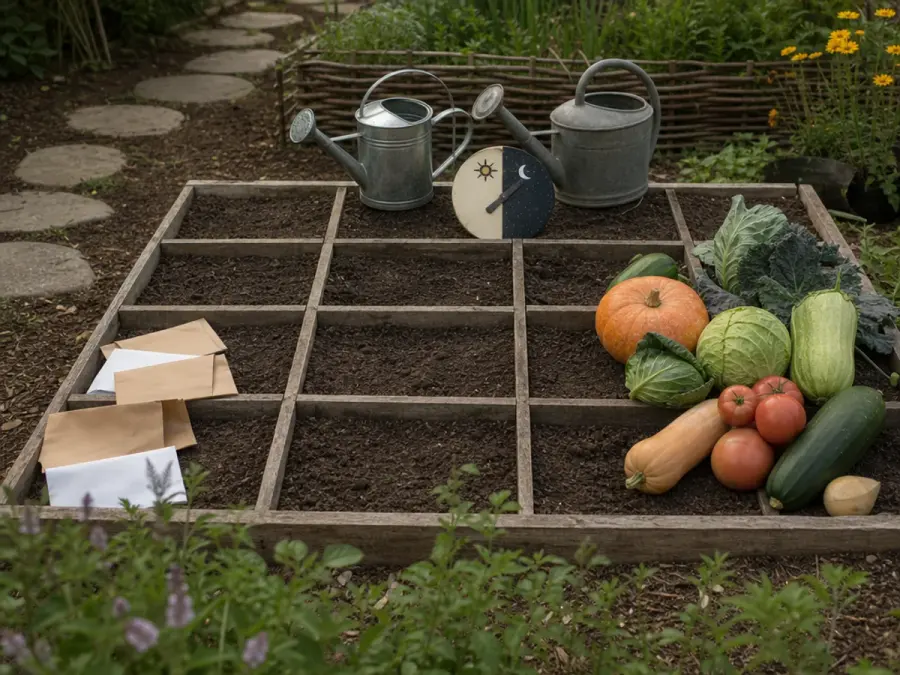
Grow a Garden — A Shared Idle Garden — Grow a Garden — A Shared Idle Garden
Grow a Garden turns planting, waiting, harvesting, and improving a plot into a social idle routine. Its appeal is the pleasant visibility of growth and the possibility of checking in briefly rather than playing continuously.
Because live events, items, and monetization can shift, use the official experience page as the current source and avoid trading on urgency.
Featured galleries







































































































































































































































































































































































































































































