Rock Songs of All Time, Ranked
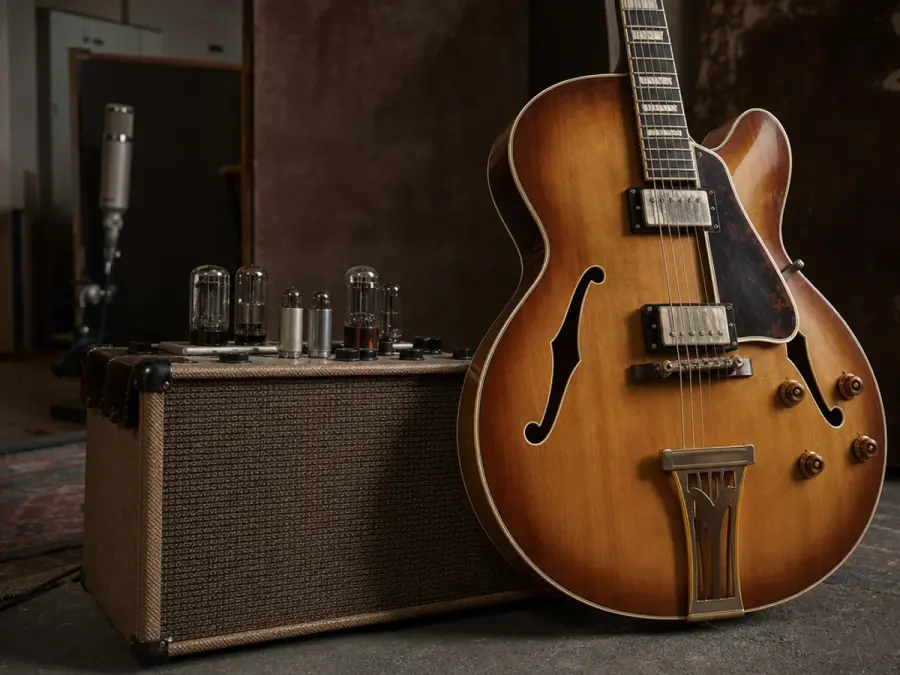
Johnny B. Goode — Chuck Berry — Johnny B. Goode — Chuck Berry
Berry's guitar introduction feels like a starting gun because it compresses rhythm, melody, and attitude into one instantly legible gesture. The recording connects blues language to a streamlined rock-and-roll story built for radio speed.
Its importance is not that it invented everything that followed, but that it supplied performers with a durable template: a sharp riff, narrative economy, and a band that never loses forward motion.
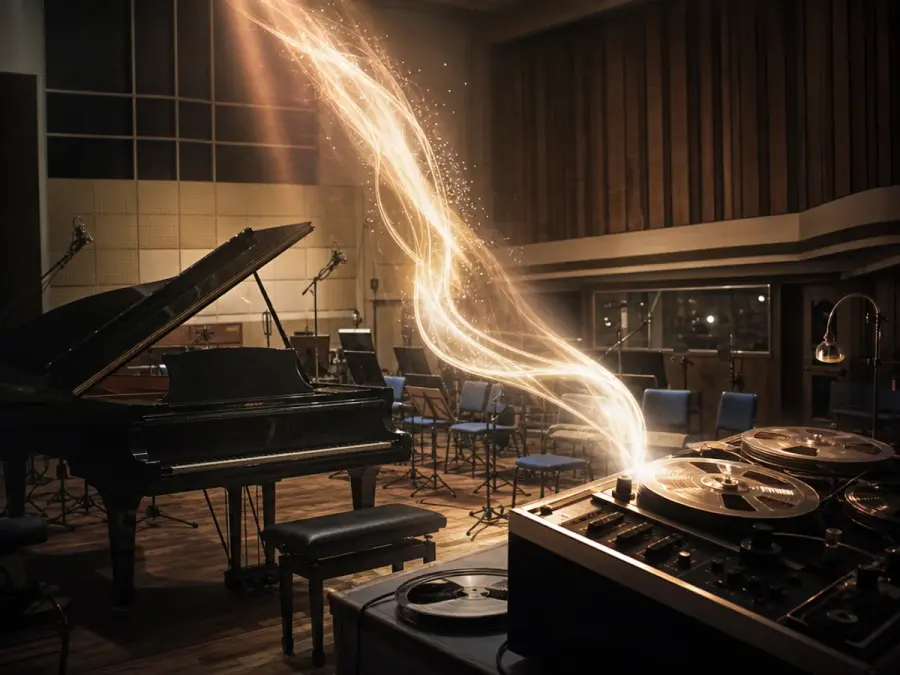
A Day in the Life — The Beatles — A Day in the Life — The Beatles
This studio construction turns contrast into architecture. Two different song sections, orchestral escalation, intimate singing, and an immense final chord create a form that feels cinematic without abandoning pop concision.
It belongs here for showing how rock recording could become composition in its own right. The achievement is less about expensive ornament than about arranging radically different materials so the seams become the meaning.
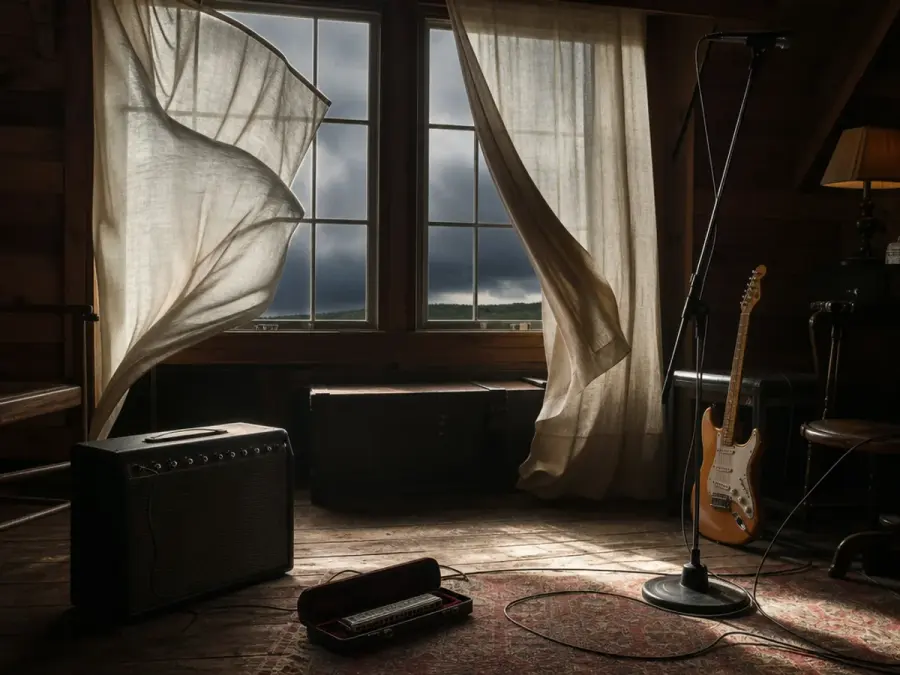
Gimme Shelter — The Rolling Stones — Gimme Shelter — The Rolling Stones
An uneasy guitar figure establishes the weather before the band fully arrives. Percussion, harmonica, and layered voices build tension without resolving it, making the track feel both meticulously assembled and perilously live.
Its lasting power comes from atmosphere serving structure: every additional sound raises the stakes. Rather than romanticizing chaos, the recording makes instability audible through controlled dynamics and a relentlessly circling harmonic frame.
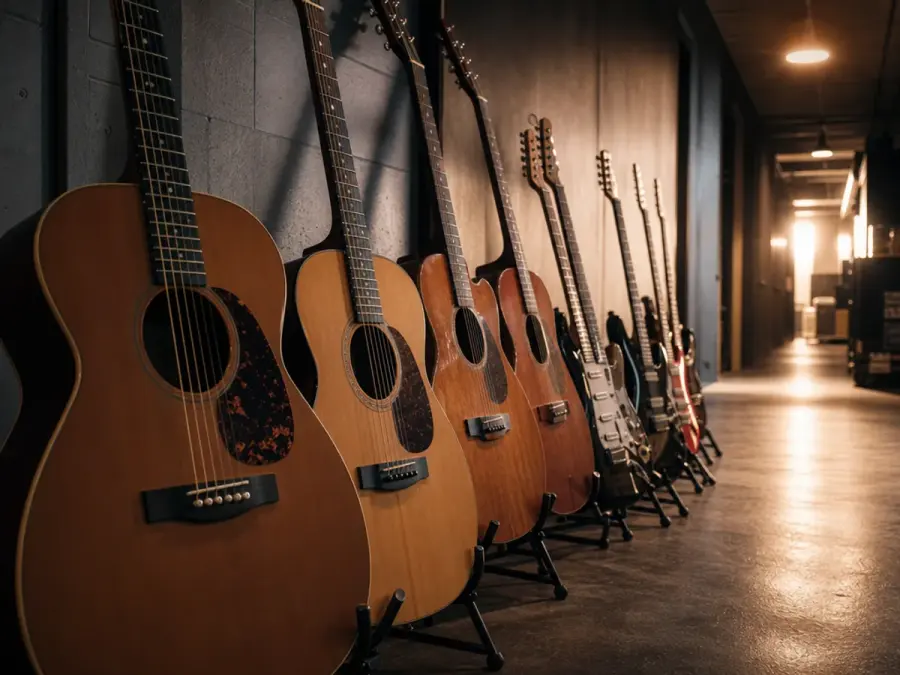
Stairway to Heaven — Led Zeppelin — Stairway to Heaven — Led Zeppelin
The song's familiar reputation can obscure its most useful lesson: scale is created gradually. Acoustic textures, recorders, electric layers, drums, and a climactic solo arrive in an ordered expansion rather than all at once.
That long dynamic curve helped define album-oriented rock ambition. Listen beyond the finale to the transitions; the performance earns its weight by carefully changing density, attack, and register across eight minutes.
Baba O'Riley — The Who — Baba O'Riley — The Who
A repeating electronic pattern opens a door that the band then charges through. The contrast between programmed pulse, piano, huge drums, power chords, and closing violin makes technology feel communal rather than cold.
The track's structural boldness matters as much as its anthem-sized refrain. It demonstrates that a loop can anchor a live-feeling performance while different timbres continually recast the listener's sense of momentum.
Bohemian Rhapsody — Queen — Bohemian Rhapsody — Queen
Rather than treating genre changes as novelty, Queen makes each section alter the emotional meaning of the last. Ballad intimacy, stacked vocal theater, hard-rock impact, and a reflective exit are linked by recurring melodic logic and exact studio craft.
The track's achievement is coherence under extreme contrast. It remains a benchmark for how arrangement, overdubbing, and performance can make an unconventional form accessible without simplifying it.
London Calling — The Clash — London Calling — The Clash
The bass line carries warning and invitation at the same time, while clipped guitar and spacious drums prevent the track from becoming a wall of sound. Punk urgency remains, but the arrangement points toward the broader rhythmic vocabulary The Clash explored across the album.
Its enduring appeal lies in disciplined tension: the band sounds alarmed without sounding uncontrolled, giving every pause and accent political and musical weight.
Purple Rain — Prince and the Revolution — Purple Rain — Prince and the Revolution
A slow tempo leaves enormous room for timbre. Organ, drums, voice, and guitar build an arena-scale performance that still feels emotionally exposed, culminating in a solo shaped as narrative rather than decoration.
The recording dissolves boundaries among rock, soul, gospel, and pop without reducing any of them to an accent. Its placement recognizes Prince's command of arrangement as much as his instrumental virtuosity.
Once in a Lifetime — Talking Heads — Once in a Lifetime — Talking Heads
Interlocking rhythm is the engine: bass, percussion, keyboards, and guitar behave like independent streams that somehow form one current. David Byrne's vocal shifts between observation and incantation, giving the carefully constructed groove a destabilizing center.
The song belongs in a rock canon because it expands what a band can organize around—less chordal drive than layered pulse, studio process, and a deliberately estranged point of view.
Smells Like Teen Spirit — Nirvana — Smells Like Teen Spirit — Nirvana
The quiet-loud dynamic was not new, but Nirvana made it feel like a physical argument. A blunt guitar figure, unsettled verses, explosive choruses, and Kurt Cobain's shifting vocal grain turn simple materials into volatile form.
The recording's historical visibility should not eclipse its craft: drum placement, bass support, and controlled distortion ensure that the apparent mess lands with exact rhythmic force.
Paranoid Android — Radiohead — Paranoid Android — Radiohead
Multiple sections move from acoustic unease to distorted attack, suspended choral calm, and a scorched closing return. Unlike a medley assembled for surprise, the track keeps a consistent psychological pressure even as tempo and texture change.
It represents 1990s alternative rock stretching toward progressive form without surrendering concision. The guitars matter, but so do the silences and vocal layers that make each transition feel inevitable.
Maps — Yeah Yeah Yeahs — Maps — Yeah Yeah Yeahs
This recording proves emotional scale does not require maximal production. A spare guitar pattern and patient drums leave Karen O's voice exposed, while the arrangement grows by intensifying repetition rather than changing direction.
Its influence can be heard in later indie rock's willingness to pair abrasion with direct vulnerability. The performance feels immediate because the band refuses to decorate away the song's central uncertainty.
Seven Nation Army — The White Stripes — Seven Nation Army — The White Stripes
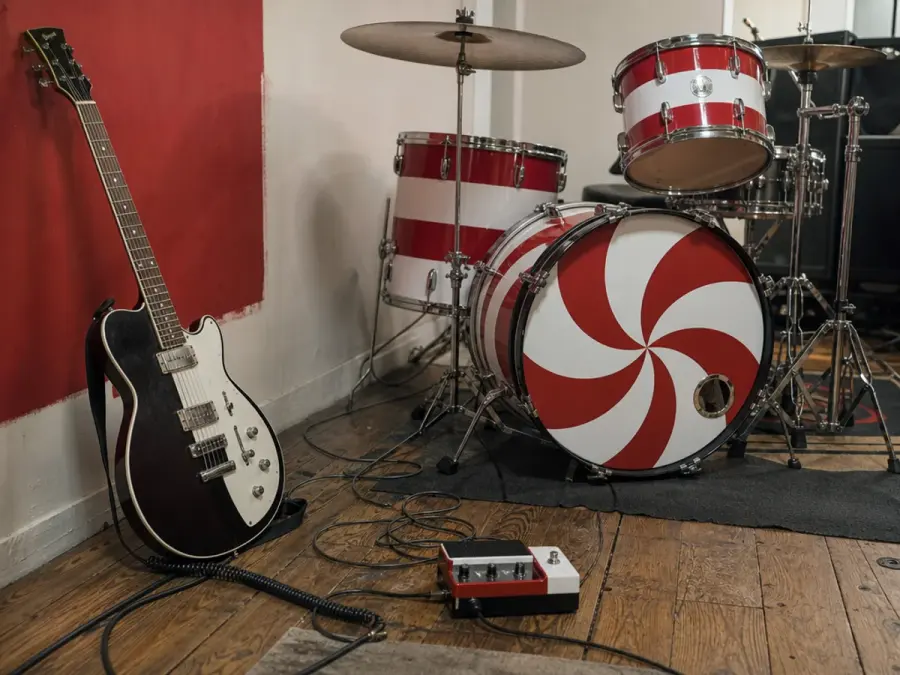
A pitch-shifted guitar creates the famous low riff, demonstrating how arrangement can make a duo sound physically larger without pretending to be an orchestra. The pulse is spare, the vocal delivery dry, and the dynamic rise carefully rationed.
Its migration into stadium chanting reflects the riff's clarity, but the studio recording remains compelling for its negative space and rough-edged tonal design.
Rebellion (Lies) — Arcade Fire — Rebellion (Lies) — Arcade Fire
A repeating bass figure and insistent drums let the arrangement accumulate voices, strings, piano, and guitar without losing its core pulse. The track captures a strand of 2000s indie rock that treated collective performance as both sound and subject.
Its best quality is structural patience: added layers alter the emotional scale, but the groove remains grounded enough for the final release to feel communal rather than merely grand.
All My Friends — LCD Soundsystem — All My Friends — LCD Soundsystem
A hammering piano pattern turns repetition into a clock. Guitar, drums, and voice gather around it in slow increments, producing momentum through endurance rather than conventional verse-chorus contrast.
The song closes this sequence because it treats rock history as lived time: ecstatic, self-aware, and shadowed by what disappears. Its studio discipline and physical band performance make nostalgia an active rhythm instead of a soft-focus mood.
Featured galleries







































































































































































































































































































































































































































































