Ryan Gosling Movies, Ranked

1. The Nice Guys (2016) — 1. The Nice Guys (2016)
As private investigator Holland March, Gosling turns panic, vanity, physical clumsiness, and flashes of competence into one elastic comic performance.
Shane Black's mystery gives him a strong counterweight in Russell Crowe, but the pleasure is how March's worst instincts keep colliding with his genuine affection for his daughter. Comedy reveals the range.
2. La La Land (2016) — 2. La La Land (2016)
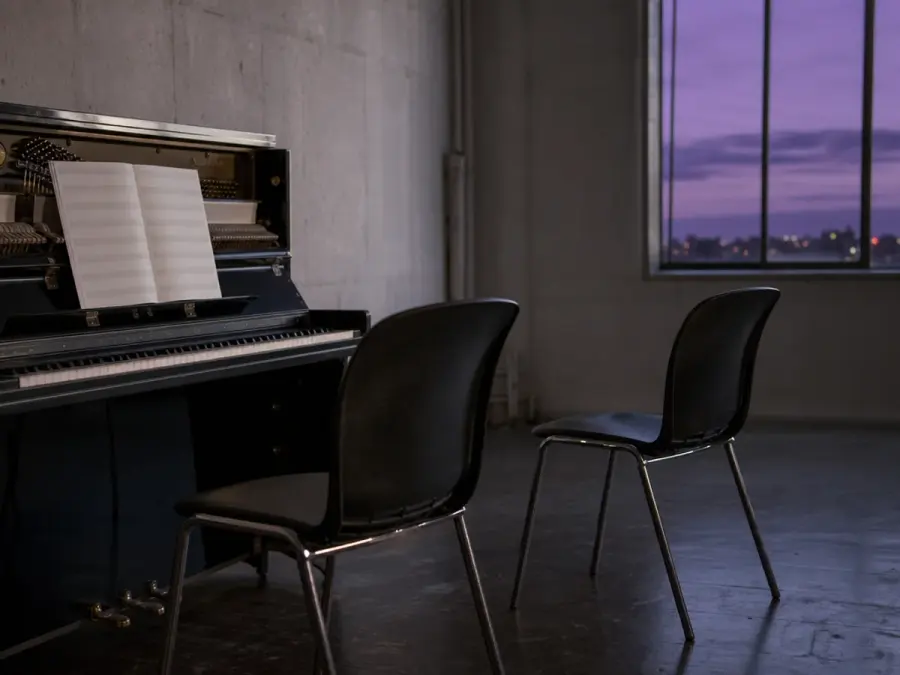
Gosling's Sebastian combines romantic idealism with professional stubbornness, and the film lets charm coexist with narrow focus. The musical performance works because piano practice, movement, and conversational hesitations all build character.
His Academy Award nomination confirms the role's recognition, but its durability comes from the bittersweet tension between partnership and ambition.
3. Drive (2011) — 3. Drive (2011)
The unnamed driver is built from compressed gestures: a glance held too long, a careful routine, and sudden violence that changes the temperature of a scene.
Nicolas Winding Refn's stylization can dominate discussion, yet Gosling supplies the unsettling human blank space. The performance asks viewers to question how much they have projected onto silence.

4. Half Nelson (2006) — 4. Half Nelson (2006)
As teacher Dan Dunne, Gosling avoids converting damage into a neat inspirational arc. His classroom intelligence, private addiction, and unreliable attempts at connection remain in unresolved tension.
The film depends on the alert work between Gosling and Shareeka Epps, and it earned his first Academy Award nomination for leading actor.

5. Blue Valentine (2010) — 5. Blue Valentine (2010)
Gosling and Michelle Williams play a relationship across sharply different emotional seasons. His Dean can be playful, devoted, defensive, and exhausting without the film offering a simple verdict.
The performance's strength is continuity: small habits feel recognizably related even as the partnership changes, making the structure more than a before-and-after device.
6. Blade Runner 2049 (2017) — 6. Blade Runner 2049 (2017)
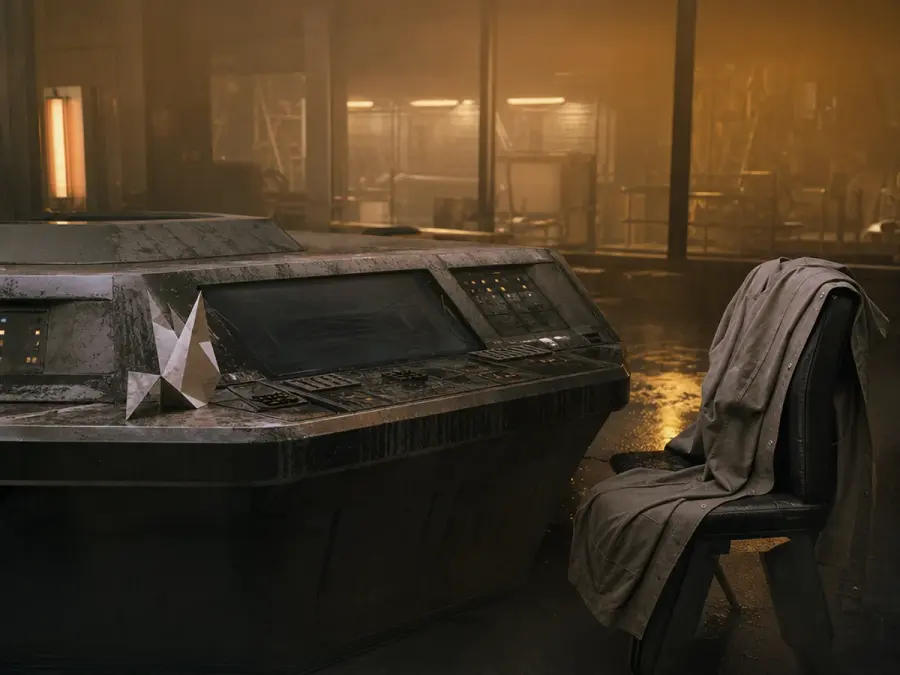
Officer K requires Gosling to play discipline as a fragile constructed state. The film's scale is enormous, but his performance stays legible through posture, measured speech, and the gradual pressure of new information.
Denis Villeneuve's sequel won Oscars for cinematography and visual effects; Gosling provides the quiet line through that imposing design.
7. First Man (2018) — 7. First Man (2018)
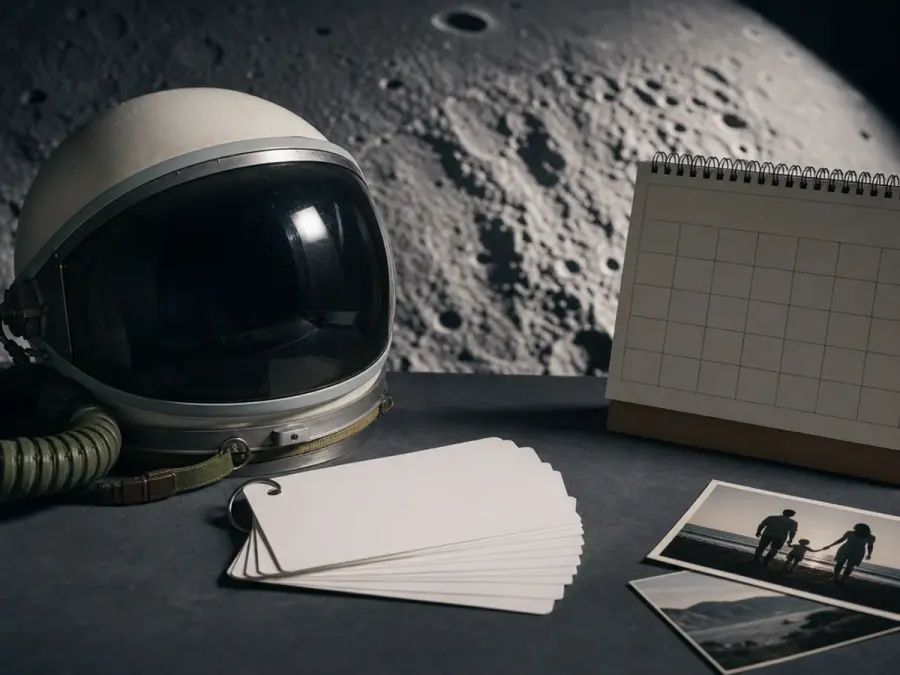
As Neil Armstrong, Gosling makes emotional containment the subject rather than a lack of expression. Technical focus, grief, family distance, and physical risk appear through accumulation.
Damien Chazelle keeps the machinery loud and the protagonist quiet; Gosling's measured approach gives the moon mission a private cost without inventing showy confession.

8. Barbie (2023) — 8. Barbie (2023)
Ken begins as comic neediness and expands into a satire of borrowed identity, status, and performance. Gosling commits to the artificiality while keeping the insecurity visible, a difficult tonal balance within Greta Gerwig's ensemble.
His supporting-actor Oscar nomination reflected how thoroughly he turned a dependent role into a distinct comic arc.

9. Lars and the Real Girl (2007) — 9. Lars and the Real Girl (2007)
Lars's profound social difficulty is played with care rather than ridicule. Gosling finds humor in literal behavior while protecting the character's vulnerability, and the surrounding town's response broadens the story into communal patience.
The result is gentler than its premise suggests, with physical detail doing more work than explanatory speeches.

10. The Place Beyond the Pines (2012) — 10. The Place Beyond the Pines (2012)
Gosling's motorcycle stunt rider Luke is magnetic, impulsive, and increasingly trapped by the solutions he chooses.
His section of Derek Cianfrance's generational drama uses familiar outlaw charisma, then examines its consequences rather than celebrating the pose. The performance leaves an imprint that the film's later movements continue to measure.
11. The Big Short (2015) — 11. The Big Short (2015)
Jared Vennett weaponizes confidence, jargon, and direct address to turn financial explanation into aggressive performance. Gosling is not the moral center, and the film uses that slipperiness productively.
The role demonstrates his facility with rhythm and salesmanship inside an ensemble; the film received the Oscar for adapted screenplay.

12. Crazy, Stupid, Love. (2011) — 12. Crazy, Stupid, Love. (2011)
Jacob initially appears to be an immaculate romantic instructor, but Gosling and the screenplay gradually reveal the performance underneath that certainty.
His chemistry with Emma Stone and comic friction with Steve Carell give the studio comedy genuine momentum. The role is less psychologically demanding than the top entries, but its timing is exceptionally controlled.

13. The Ides of March (2011) — 13. The Ides of March (2011)
As campaign strategist Stephen Meyers, Gosling begins with crisp professional confidence and lets compromise register incrementally.
George Clooney's political drama is structured around access, information, and the cost of believing oneself different from the system. Gosling's controlled watchfulness fits a character who is always calculating what a room knows.
14. Fracture (2007) — 14. Fracture (2007)
Gosling's prosecutor Willy Beachum is ambitious enough to underestimate a meticulously prepared opponent, played by Anthony Hopkins.
The legal thriller offers a cleaner studio framework than his independent dramas, but his shift from polished impatience to focused humility gives it shape. It is a strong example of leading through reaction and recalibration.
15. The Fall Guy (2024) — 15. The Fall Guy (2024)
Colt Seavers lets Gosling merge action competence, romantic embarrassment, and self-aware star charisma. The movie celebrates stunt craft while building jokes around a hero who can absorb impact more easily than emotional uncertainty.
It ranks lower for narrative familiarity, but as a demonstration of physical comedy and generous screen partnership, it is highly enjoyable.
Featured galleries







































































































































































































































































































































































































































































