Secrets of the Deep: The Ancient Shipwreck Frozen in Time Under the Black Sea
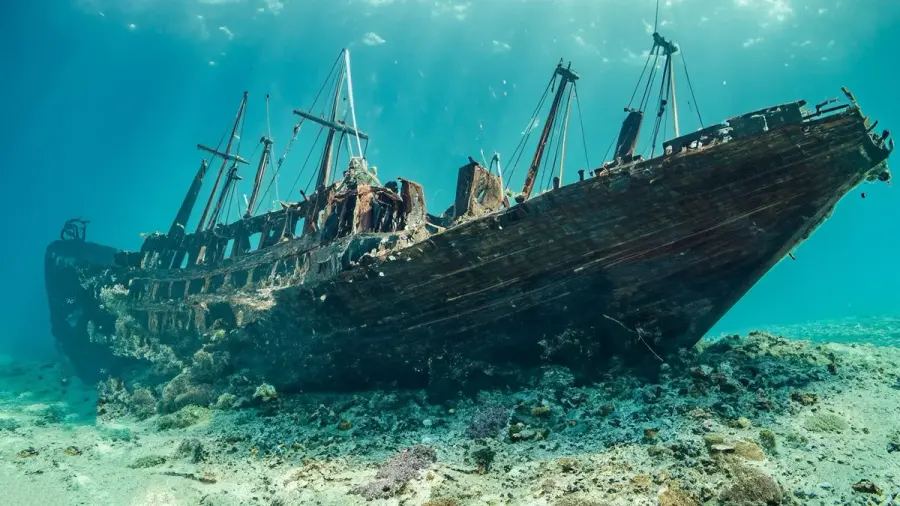
A Miraculous Discovery — A Miraculous Discovery
Marine archaeologists operating in the depths of the Black Sea made a breathtaking discovery that has rewritten maritime history.
They located an ancient vessel resting upright, virtually untouched by the passage of time. This remarkable find offers an unprecedented window into the world of ancient seafaring.
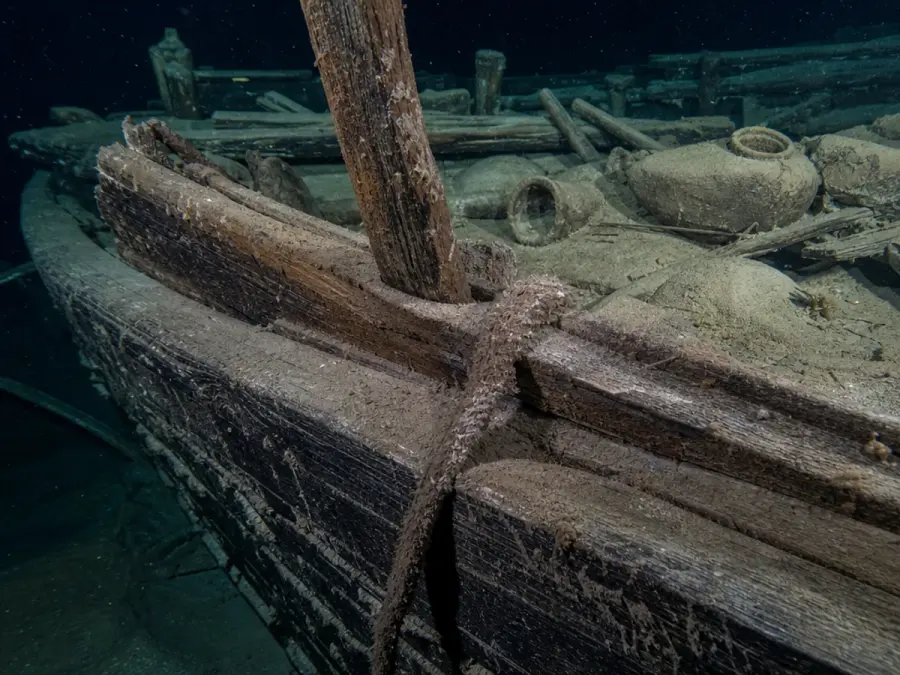
Preserved by the Depths — Preserved by the Depths
The secret to the ship's incredible preservation lies in the unique composition of the Black Sea.
Below a certain depth, the water is entirely anoxic, meaning it contains absolutely no oxygen. Without oxygen, wood-boring organisms and bacteria cannot survive to decay the organic material.
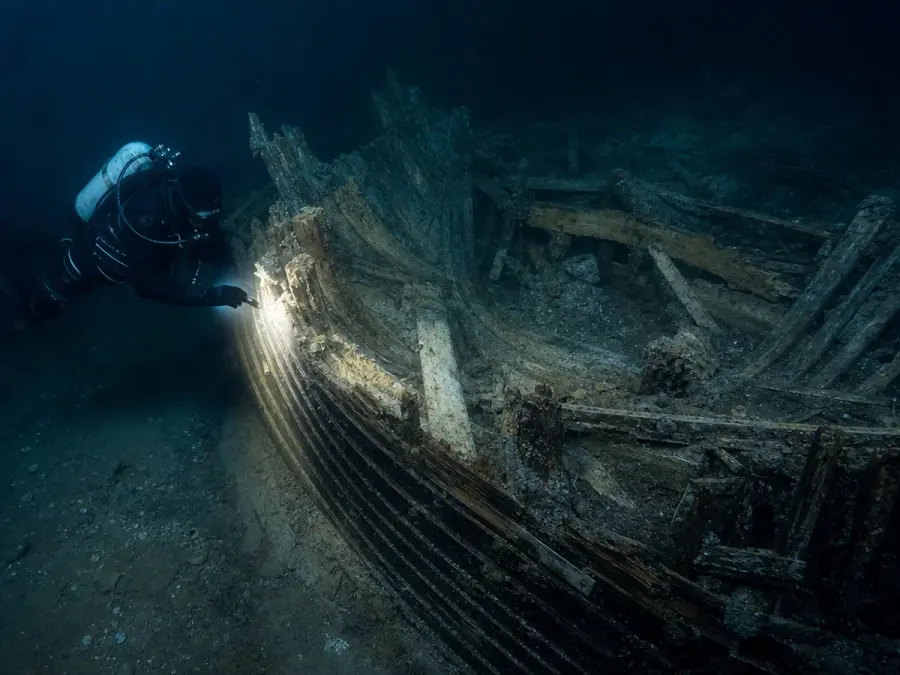
Over 2,400 Years Old — Over 2,400 Years Old
Carbon dating performed on a small fragment of the vessel confirmed that it dates back to roughly 400 BCE.
This makes it more than 2,400 years old, originating from the classical period of ancient Greece. Scientists have classified it as the oldest known intact shipwreck in human history.
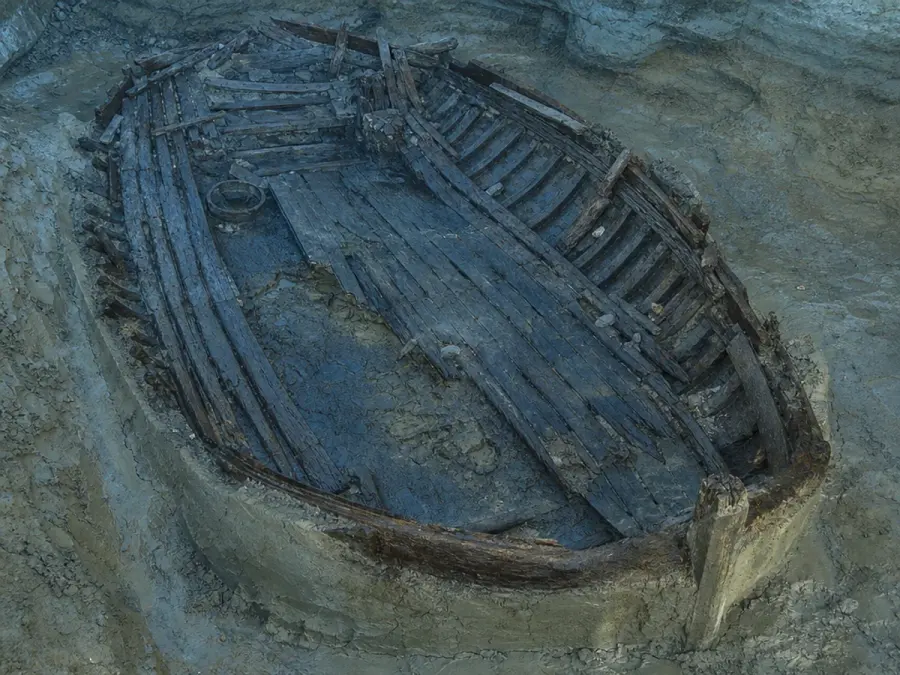
Frozen in Time — Frozen in Time
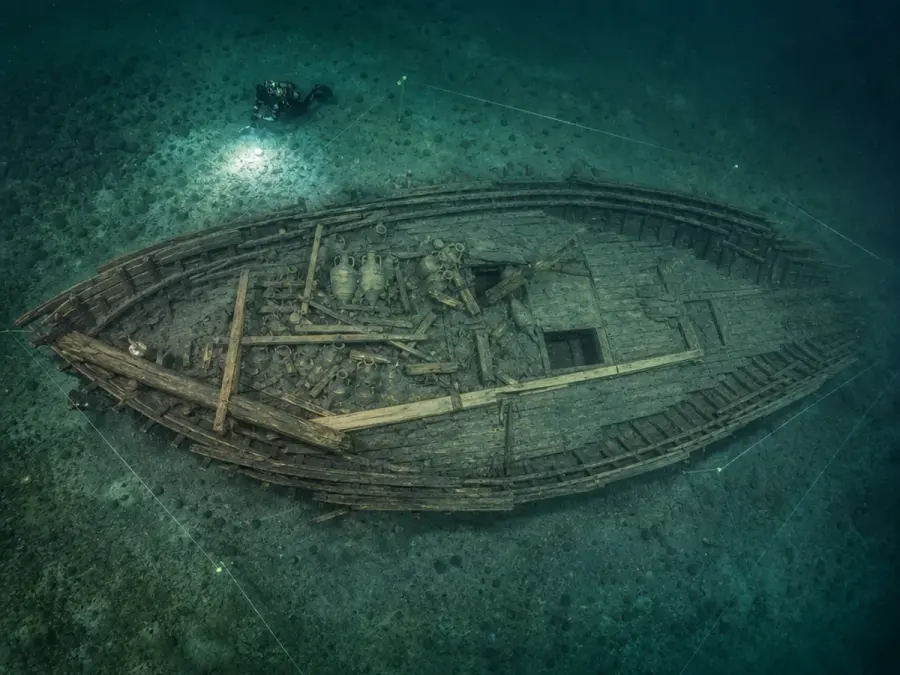
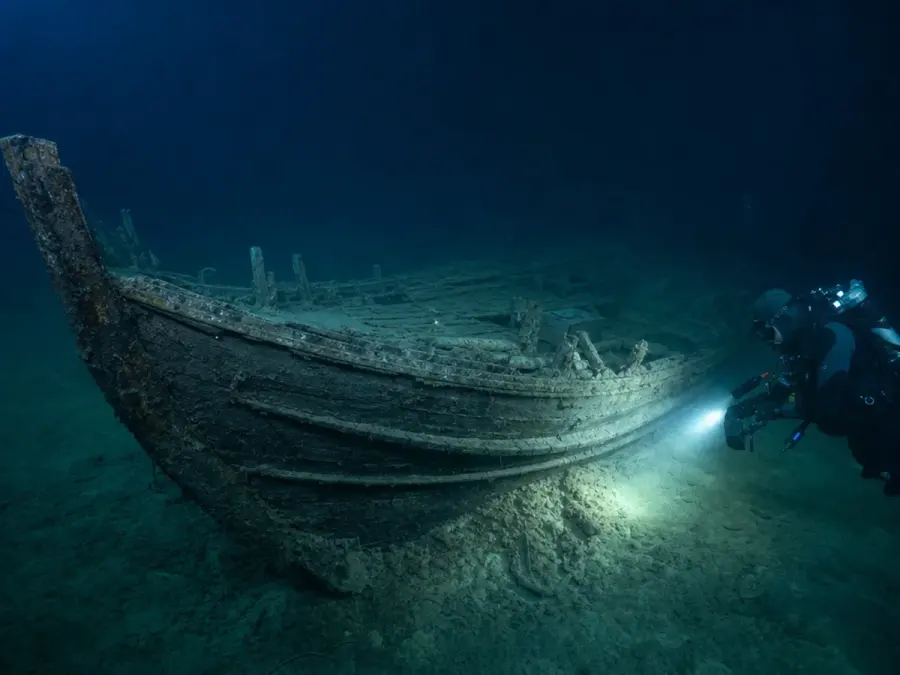
Unlike most shipwrecks that disintegrate into scattered debris, this vessel remains structurally whole.
The mast is still standing tall, the rudders are in place, and even the rowing benches remain intact. It looks almost exactly as it did when it first sank to the ocean floor.
The Mission — The Mission
The discovery was made by the Black Sea Maritime Archaeology Project, a collaborative international effort. Using advanced deep-sea mapping technology, the team scanned thousands of square kilometers of the seabed.
Their primary goal was to study prehistoric sea-level changes, but they ended up finding dozens of historic wrecks.
The Siren Vase Connection — The Siren Vase Connection
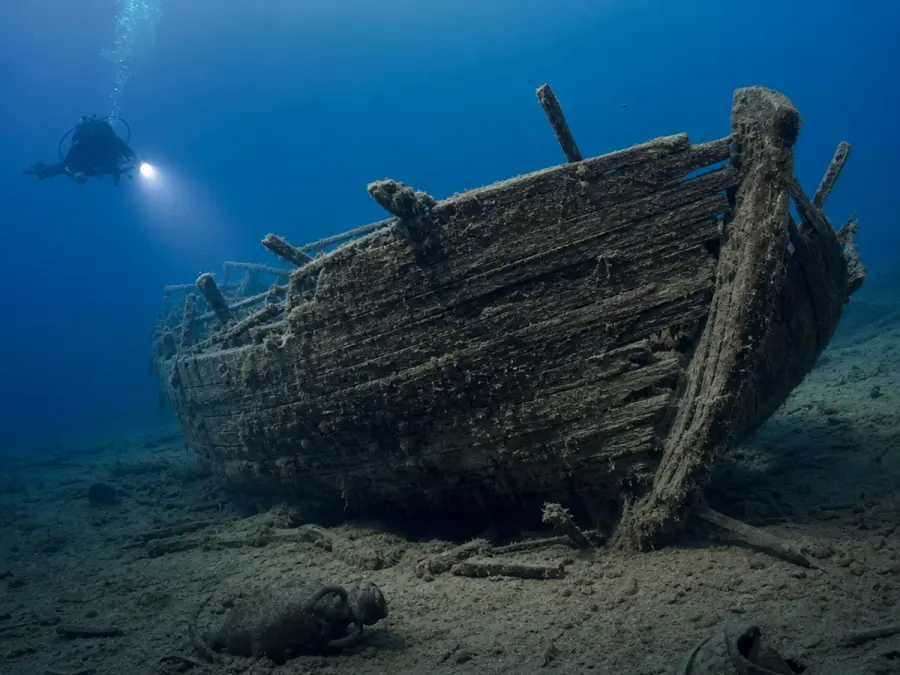
Historians quickly noticed that the ship's design closely matches the famous 'Siren Vase' kept in the British Museum.
That ancient ceramic piece depicts Odysseus tied to the mast of a very similar Greek merchant ship. Seeing this design in real life confirms the accuracy of ancient artists.
Extreme Depths — Extreme Depths
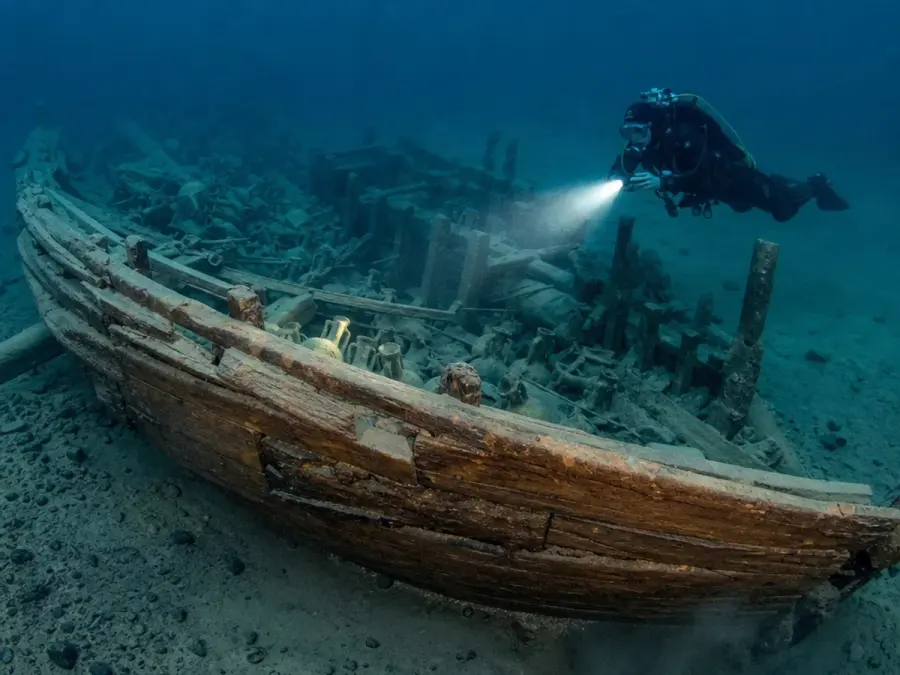
The shipwreck lies more than 2,000 meters, or about 1.2 miles, below the surface of the water.
At this extreme depth, the immense pressure and complete darkness keep the site safe from human interference and amateur divers. Only specialized robotic equipment can reach this silent tomb.
High-Tech Scanning — High-Tech Scanning
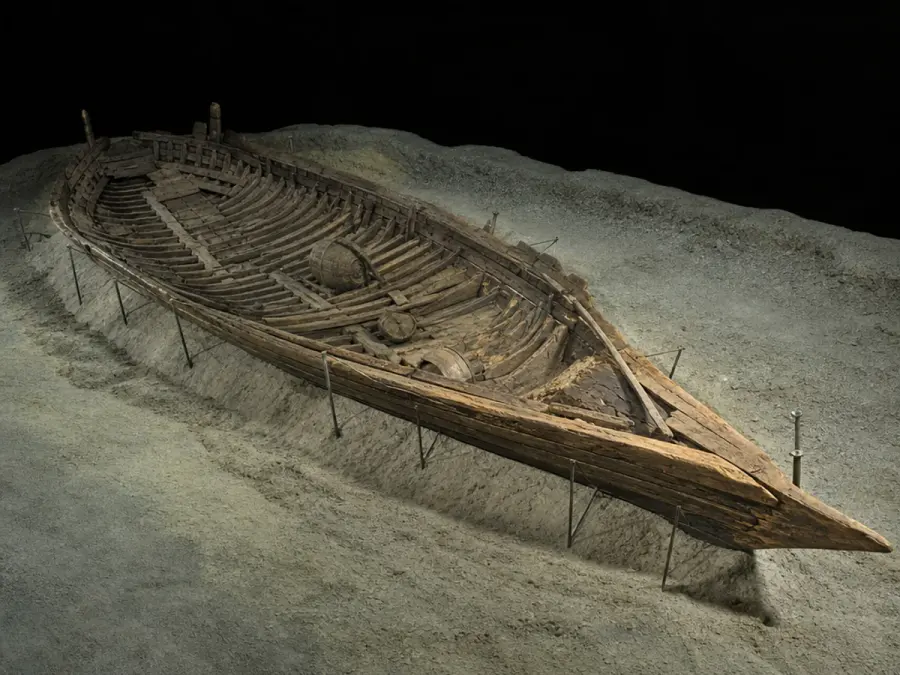
To study the vessel without disturbing its delicate state, scientists utilized state-of-the-art photogrammetry.
This process involves taking thousands of high-resolution photographs from various angles using deep-sea cameras. Computer software then pieces these images together to create a perfect 3D digital model.
Ancient Trade Routes — Ancient Trade Routes
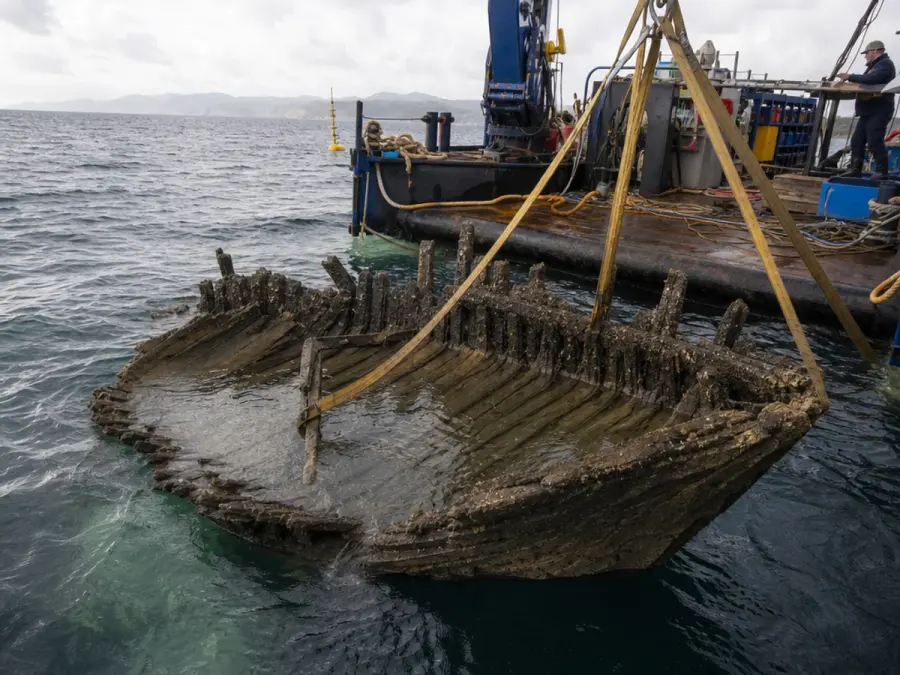
This ship would have been used for trading goods between ancient Greek colonies and the mainland.
It likely carried amphorae filled with wine, olive oil, grains, and other valuable commodities. Studying its design helps researchers understand the economic networks of the classical world.
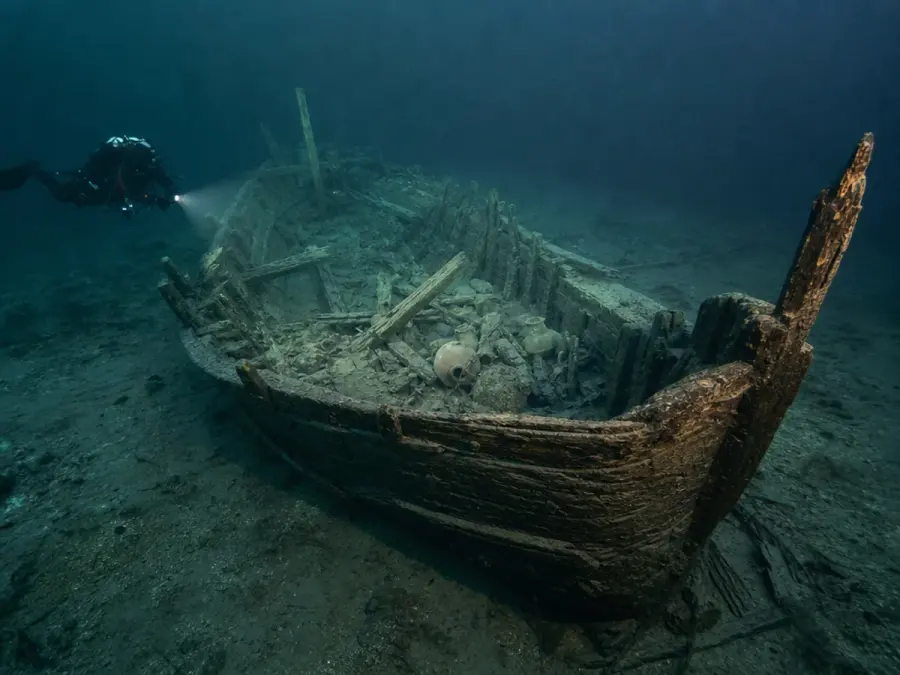
Robotic Explorers — Robotic Explorers
Because humans cannot survive the crushing pressure at 2,000 meters, remote operated vehicles (ROVs) did the heavy lifting.
Equipped with cameras, lasers, and delicate robotic arms, these machines acted as the scientists' eyes and hands. They allowed for precise measurements without touching the fragile wood.
Left in Peace — Left in Peace
There are currently no plans to raise the ship from its watery resting place. Bringing the ancient wood to the surface would cause it to dry out, warp, and rapidly decay if not treated with expensive chemicals.
Leaving it in the anoxic zone is the safest way to preserve it for future generations.
A New Era of Archaeology — A New Era of Archaeology
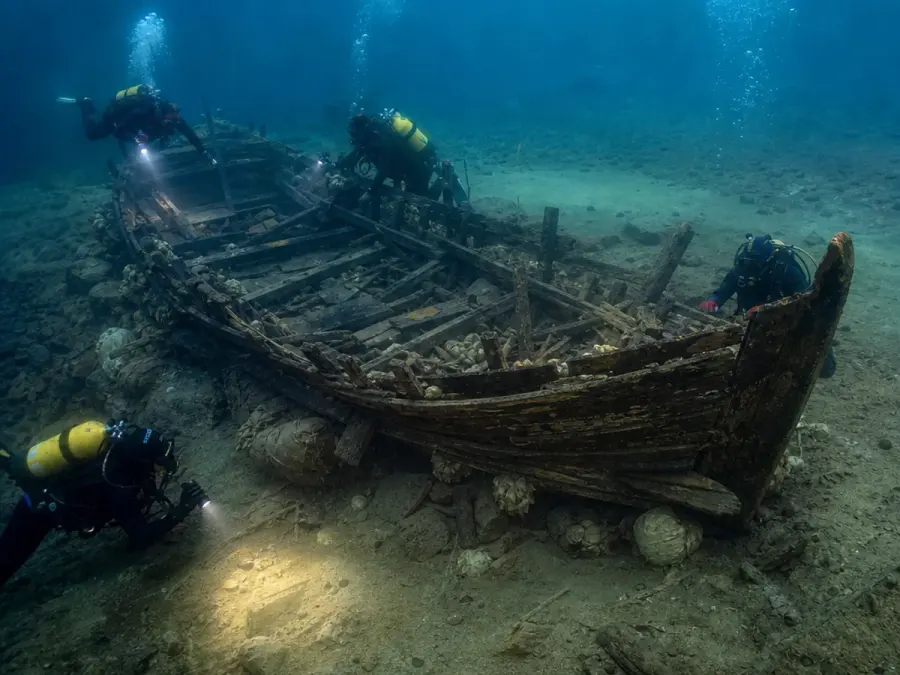
This sensational find demonstrates that the deep ocean holds vast, undiscovered museums of human history.
As technology improves, we will undoubtedly find more well-preserved relics of our collective past. The Black Sea has proven to be one of the richest underwater archaeological sites on Earth.
Featured galleries







































































































































































































































































































































































































































































